
What Temperature Does Aluminum Melt At?
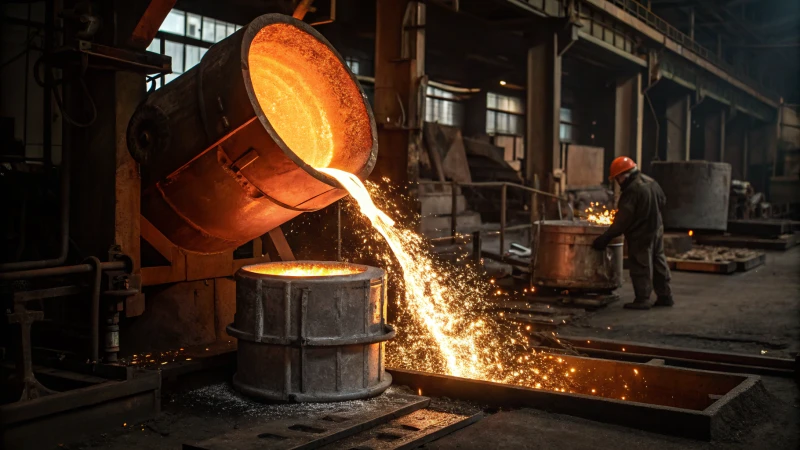
Aluminum melts at approximately 660.3°C (1220.5°F), a critical temperature influencing its applications in manufacturing, cooking, and construction. Understanding this melting point aids in selecting suitable aluminum alloys for various projects.
How to Choose the Best Aluminum Extrusion for Your Specific Needs?
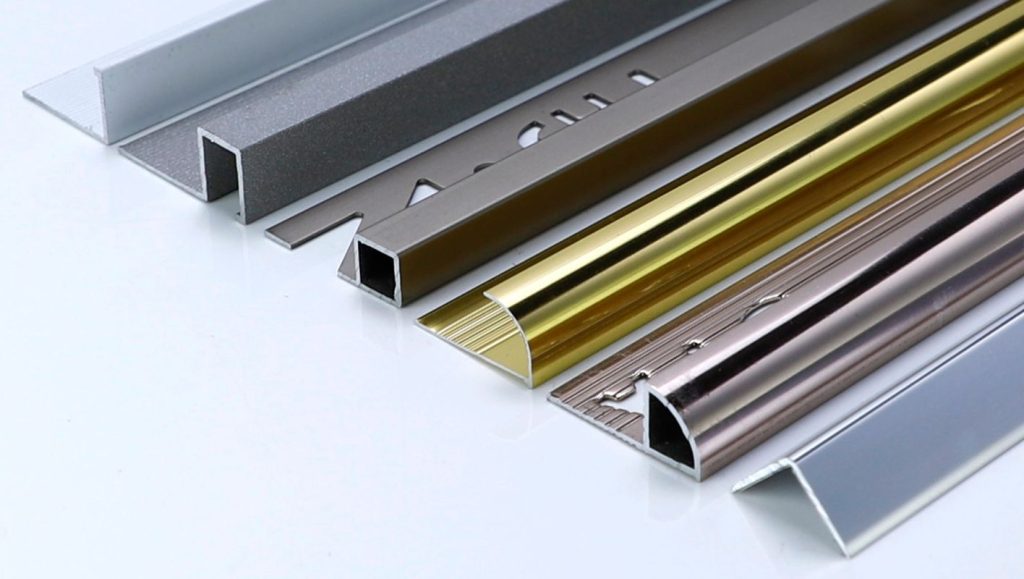
Choosing the right aluminum extrusion involves understanding alloy types, strength, and application needs. Customization enhances performance, aesthetics, and sustainability while ensuring cost efficiency for specific project requirements.
What Are the Key Differences Between Polished and Anodized Aluminum?
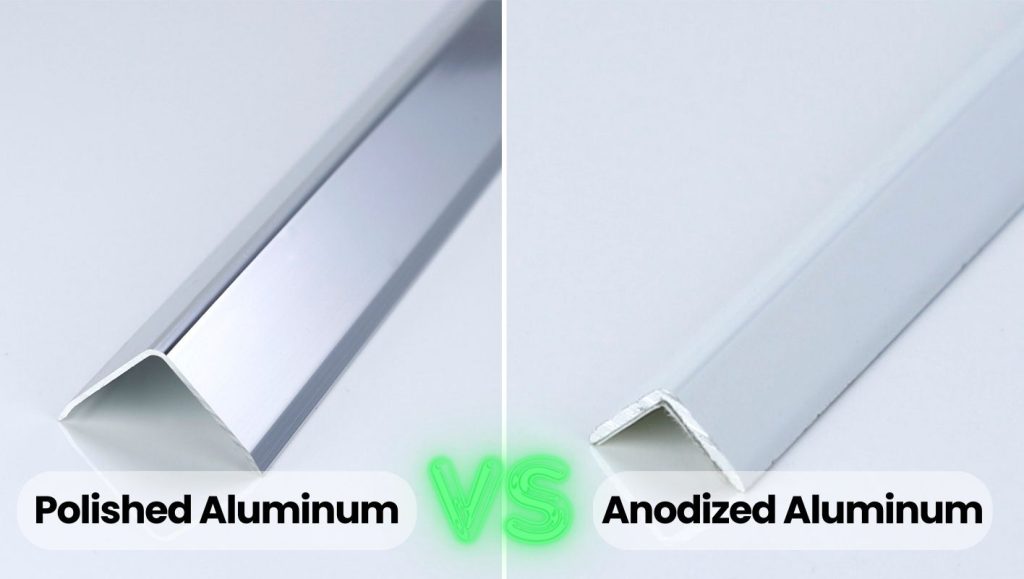
Choosing between polished and anodized aluminum involves understanding their differences in appearance, durability, maintenance, and cost. Polished aluminum offers a shiny finish but requires more upkeep, while anodized aluminum is durable and low-maintenance.
Powder Coating vs. Painting: Which Metal Finish is Right for You?
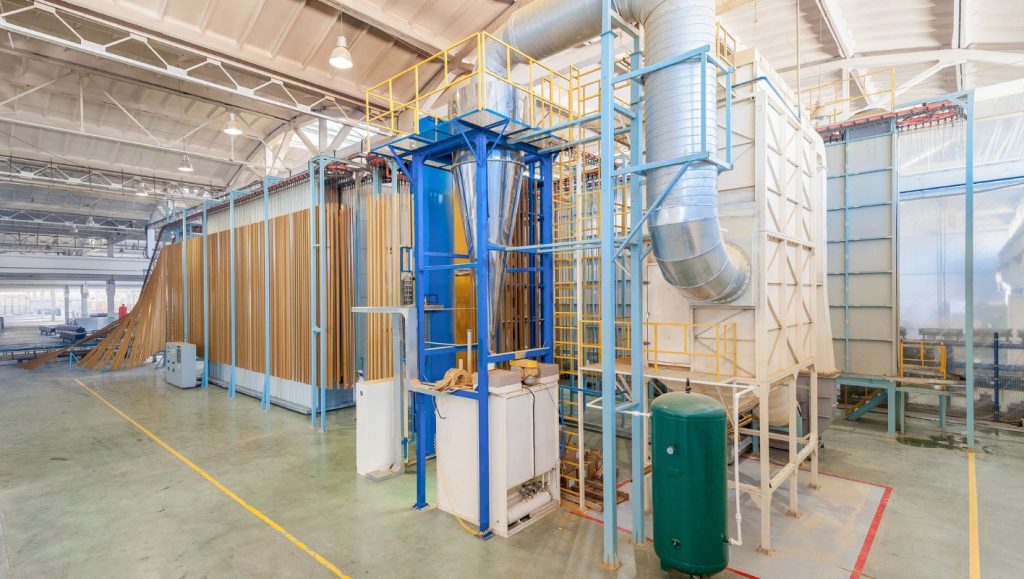
This blog post explores the differences between powder coating and traditional painting for metal finishes, highlighting durability, cost-effectiveness, application methods, and aesthetic outcomes to help you make informed decisions for your projects.
What Are the Key Differences Between Brushed Aluminum and Regular Aluminum?
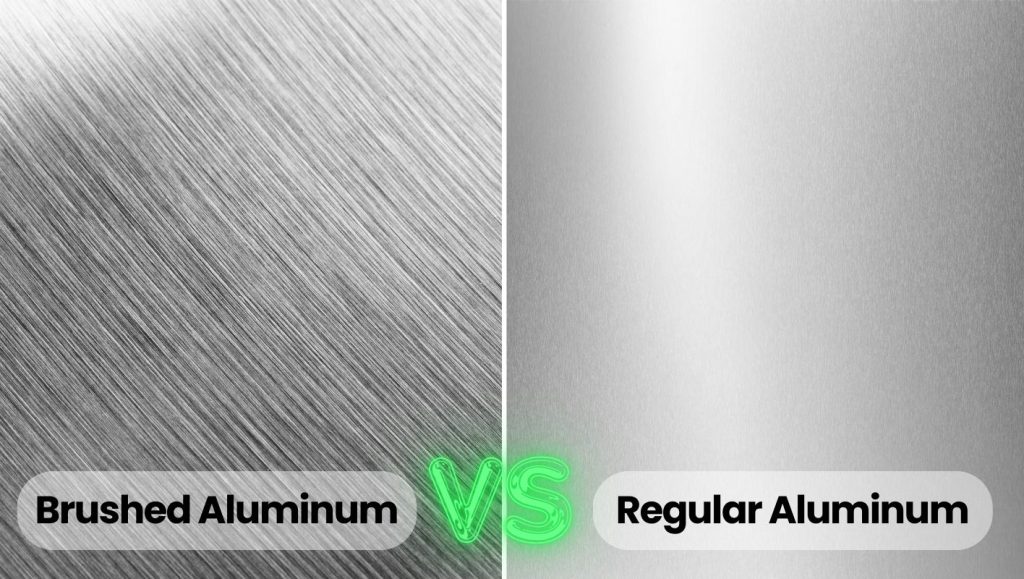
This article explores the key differences between brushed aluminum and regular aluminum, focusing on their textures, durability, maintenance needs, and aesthetic appeal for various construction applications.