Aluminum is a very interesting metal. I have found it in many projects. Its melting point is really important. This small fact probably changes our work a lot.
Aluminum melts at about 660.3°C (1220.5°F). This temperature is very important for different uses, like manufacturing and cooking. Melting aluminum correctly is necessary. This knowledge probably simplifies your projects and recipes!
From my experience, knowledge that aluminum melts at around 660.3°C (1220.5°F) proves very valuable. This information is essential, especially when sourcing materials for building. It isn’t just trivia. This fact is crucial for keeping structures safe and achieving the perfect bake in the kitchen!
Aluminum melts at around 660.3°C.True
This is the known melting point of aluminum, crucial for various applications.
Aluminum is only used in cooking applications.False
Aluminum is versatile and used in many industries beyond cooking.
What Factors Influence the Melting Point of Aluminum?
Do you ever think about why some aluminum melts in different ways? This topic is where chemistry and engineering join together. Knowing these differences helps in our projects. It helps a lot.
The melting point of aluminum changes with alloy mix, impurities and conditions like pressure and temperature. These details are very important for good manufacturing and use of aluminum products. Aluminum products need to work well in different areas, from buildings to cars. Understanding these details is key for success in any work with aluminum.
Main Content
For years, I explored construction materials, delving into the secrets of metals like aluminum. I remember the first time I discovered how the melting point of aluminum changes due to different factors. This information really helped in my projects. It also increased my respect for the material. My appreciation grew.
Alloy Composition
The melting point of aluminum can be significantly influenced by its alloying elements. Aluminum alloys are categorized into two main groups: wrought and cast. Each group has specific alloying components that can either elevate or lower the melting point.
For example, adding elements such as copper, silicon, and magnesium can create alloys that exhibit various melting characteristics.
| Alloying Element | Effect on Melting Point |
|---|---|
| Copper | Increases melting point |
| Silicon | Lowers melting point |
| Magnesium | Slightly increases melting point |
Understanding these compositions is critical for manufacturers looking to tailor aluminum for specific applications, such as in construction or automotive industries. Learn more about aluminum alloys1.
Chemical Impurities
The presence of impurities in aluminum can alter its melting point considerably. Elements like iron and manganese, while sometimes added intentionally, can affect the thermal properties of the metal.
Purity levels in aluminum can range from commercial grades with up to 99% aluminum content to high-purity grades exceeding 99.99%. The latter typically has a lower melting point due to fewer impurities disrupting the crystal lattice structure.
| Purity Level | Melting Point (°C) |
|---|---|
| Commercial Aluminum | 660.3 |
| High-Purity Aluminum | 658.0 |
This factor is particularly important for applications where thermal stability is essential. Explore the impact of impurities2.
External Conditions
External factors such as pressure and temperature can also play a role in the melting point of aluminum. Under increased pressure, the melting point of metals generally rises, which can influence casting processes where high pressures are involved.
Additionally, the ambient temperature at which the melting occurs can be critical for achieving desired material properties. It is essential to monitor these conditions closely during manufacturing processes to ensure optimal results. Discover more about external influences3.
Application in Manufacturing
Understanding these factors is crucial for industries that rely on aluminum for various applications, including construction materials and vehicle manufacturing. For instance, during the casting process, adjustments to alloy composition and controlling impurities can lead to better performance and durability of aluminum products.
By taking these factors into account, companies can optimize their processes to produce aluminum that meets specific strength and melting characteristics needed for demanding applications. Find out how to optimize aluminum processes4.
Copper increases the melting point of aluminum alloys.True
Adding copper to aluminum alloys raises their melting point, enhancing thermal stability and performance in high-temperature applications.
High-purity aluminum has a higher melting point than commercial grades.False
High-purity aluminum, with over 99.99% aluminum content, generally has a lower melting point than commercial grades due to fewer impurities.
How Does Aluminum’s Melting Point Compare to Other Common Metals?
Ever felt curious about how aluminum’s melting point stacks up against other metals? Let’s dive into this interesting topic together, sharing ideas that really help in choosing materials.
Aluminum melts at around 660°C (1220°F). This temperature is lower than copper (1085°C), iron (1538°C) and steel (1370-1510°C). Industry often chooses materials based on this property. Lower melting points are really important when saving energy in processing.
Understanding Melting Points of Common Metals
The melting point of a metal is a critical property that influences its application in various industries. Aluminum has a melting point of approximately 660°C (1220°F), which is relatively low compared to other metals. Understanding how this property compares to metals like steel, copper, and iron can help in selecting materials for specific applications.
Comparative Melting Points
To better visualize how aluminum stacks up against other common metals, here’s a comparison table:
| Metal | Melting Point (°C) | Melting Point (°F) |
|---|---|---|
| Aluminum | 660 | 1220 |
| Copper | 1085 | 1985 |
| Iron | 1538 | 2800 |
| Steel | 1370-1510 | 2500-2750 |
| Brass | 900-940 | 1652-1724 |
As the table illustrates, aluminum’s melting point is significantly lower than that of copper, iron, and steel, making it a suitable choice for applications where lower thermal resistance is advantageous.
Implications of Aluminum’s Melting Point
The lower melting point of aluminum means that it can be easily processed and shaped using techniques such as casting and extrusion. This makes it ideal for industries that require materials to be formed into complex shapes without requiring excessive heat, thereby conserving energy and reducing costs.
Additionally, aluminum’s thermal properties allow for quicker fabrication times in construction projects, which can lead to increased productivity on-site. For instance, when sourcing materials for large-scale projects, using aluminum can minimize delays associated with high-temperature processing methods required for metals with higher melting points.
Practical Applications
In practical terms, the choice of metal can affect everything from the design process to the longevity of a structure. Aluminum’s favorable melting point allows it to be used in applications ranging from automotive parts to building frames.
For a deeper exploration into how aluminum’s properties compare to other metals in specific scenarios, consider checking out more detailed analyses on metal thermal properties5 or material selection criteria6.
In summary, understanding how aluminum’s melting point compares to that of other common metals provides valuable insights for professionals like James, who are involved in sourcing materials that meet strict industry standards.
Aluminum's melting point is lower than copper's.True
Aluminum melts at approximately 660°C, while copper melts at 1085°C, making aluminum easier to process.
Steel has a higher melting point than aluminum.True
Steel's melting point ranges from 1370-1510°C, significantly higher than aluminum's 660°C, affecting material selection.
How Can I Leverage Aluminum’s Melting Characteristics in Practical Applications?
Have you ever thought about how aluminum melts and changes your projects? Aluminum melting has many exciting uses. Your work probably reaches a higher level. Let me show you this interesting journey.
Aluminum melts at a low temperature. This quality allows its use in casting, extrusion, welding, fabrication and recycling. It proves very useful for construction and manufacturing. Aluminum’s adaptability allows for creative design and efficient production. These qualities are perfect for projects needing high precision and strength.
Understanding Aluminum Melting
Knowing how aluminum melts is not just a technical point; it’s a path to new ideas. People see these characteristics in different industries and they might inspire your own work.
Casting Processes
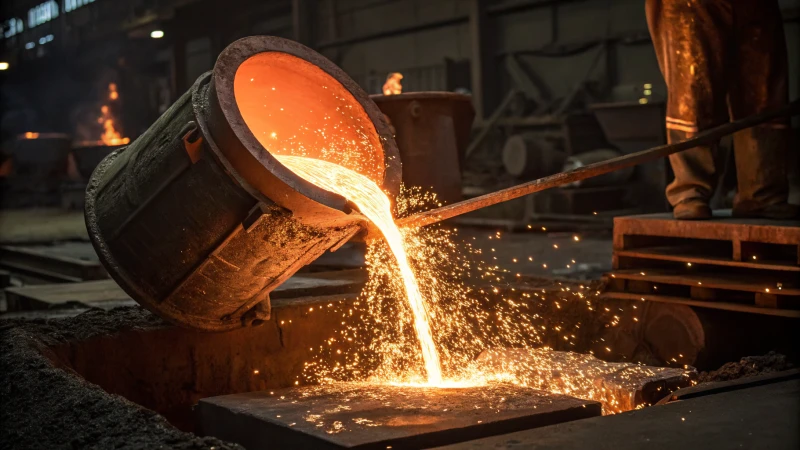
Aluminum’s low melting point, approximately 660 degrees Celsius (1220 degrees Fahrenheit), makes it an ideal candidate for various casting methods. The ability to melt and pour aluminum allows for the creation of complex shapes and components.
For example, die casting is a popular technique where molten aluminum is injected into a mold to create intricate parts used in automotive and consumer products. This method is known for its high precision and excellent surface finish, which can reduce post-processing needs. Learn more about die casting7.
Extrusion Techniques
Another significant application of aluminum’s melting characteristics is in the extrusion process. In this method, aluminum billets are heated until malleable and then forced through a die to create long shapes like bars, tubes, and profiles.
This process takes advantage of aluminum’s ability to flow easily when heated, allowing manufacturers to create customized profiles that meet specific project requirements. The lightweight yet strong nature of extruded aluminum makes it a preferred choice in construction and infrastructure projects. Explore extrusion benefits8.
Welding Applications
Aluminum’s melting characteristics also facilitate welding, which is crucial for many industrial applications. Techniques such as MIG (Metal Inert Gas) and TIG (Tungsten Inert Gas) welding are commonly used to join aluminum components.
Welding aluminum requires careful control of heat input to prevent warping or excessive melting. With the right approach, welded aluminum structures can be both lightweight and durable, making them suitable for various applications, including aerospace and automotive industries. Discover welding techniques9.
Fabrication Flexibility
The melting characteristics of aluminum allow for enhanced flexibility in fabrication processes. For instance, aluminum can be easily rolled, forged, or machined after melting, making it versatile for different applications.
This adaptability not only increases efficiency in production but also ensures that manufacturers can meet unique design specifications. Whether it’s for architectural elements or structural components, the ability to manipulate aluminum effectively is a significant advantage. Find out more about fabrication10.
Sustainability Considerations
Finally, the melting characteristics of aluminum support sustainability initiatives in metalworking. Aluminum can be recycled numerous times without losing its properties, which aligns with eco-friendly practices in manufacturing.
By utilizing recycled aluminum in processes such as casting and extrusion, companies can reduce their carbon footprint while still benefiting from aluminum’s desirable properties. This focus on sustainability is increasingly important in today’s market. Learn about recycling aluminum11.
Aluminum's low melting point enhances casting process efficiency.True
The low melting point of aluminum allows for quicker and more efficient casting, enabling complex shapes to be formed easily.
Welding aluminum requires higher temperatures than steel.False
Aluminum welding typically requires careful heat management, but its melting point is lower than that of steel, making this claim false.
How Can Understanding Aluminum’s Melting Point Improve Metalworking Techniques?
Sometimes, metalworking projects confuse people because they don’t go as expected. This confusion probably happens because of a lack of knowledge. Understanding aluminum’s melting point helps. It changes your skills. It really does. I experienced this when I learned about it for the first time.
To better work with aluminum, knowing its melting point (660°C) is crucial. This important information helps in tasks like welding, casting and forging. It results in really good outcomes and reduces problems like weak connections or surface flaws. Quality becomes higher. Learning about this is very important.
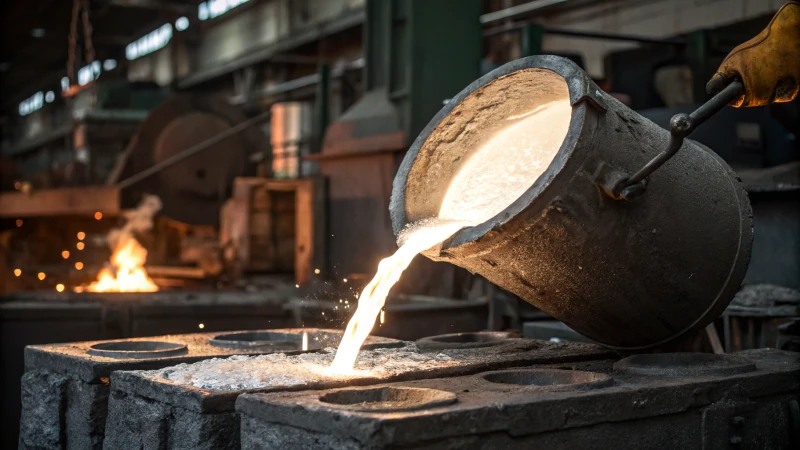
Understanding Aluminum’s Melting Point
Knowing aluminum’s melting point is more than a technical fact; it’s a useful skill that can improve your metalworking. I discovered that aluminum melts at around 660 degrees Celsius (1220 degrees Fahrenheit). This knowledge changed my whole approach in processes like welding, casting, and forging.
For example, in welding, maintaining the correct temperature is vital. If the aluminum is heated too much, it may become overly fluid, leading to a weaker joint. I once became too excited and raised the heat too much. The aluminum turned too fluid and the joint became weak, falling apart soon after. Conversely, insufficient heat can result in poor fusion. Proper understanding of the melting point helps in selecting the right welding techniques12 and equipment.
Benefits in Metal Casting
In metal casting, precision plays an important role. One project involved shaping complex forms. Pouring aluminum at the right temperature was essential. Too cold and it solidified too fast, messing up my casting. Too hot and it caused oxidation and other ugly impurities. Thus, understanding the melting point allows for better control over the casting process13, ensuring high-quality outcomes.
| Technique | Optimal Temperature (°C) | Risks of Incorrect Temperature |
|---|---|---|
| Welding | 660-700 | Weak joints, incomplete fusion |
| Casting | 660-750 | Premature solidification, oxidation |
| Forging | 450-500 (work temperature) | Brittle parts, failure to form shape |
Forging Techniques and Temperature Control
When forging aluminum, understanding the melting point became vital. Early on, I nearly reached the melting point while shaping aluminum. This resulted in brittle parts that broke easily. Frustration followed but showed me that keeping temperatures under control is key for ductility without losing form.
If the aluminum is heated too close to its melting point during forging, it can lead to brittleness or inadequate shaping14.
Conclusion on Improving Techniques
Grasping aluminum’s melting point feels like having a secret tool in your metalworking resources. Using this insight reduces mistakes and really improves the quality of your work. It goes beyond meeting industry standards; it’s about creating works you can really be proud of as each decision leads to outstanding results.
Aluminum's melting point is 660 degrees Celsius.True
This is a verified fact that is essential for metalworking processes involving aluminum.
Welding aluminum requires temperatures above 700 degrees Celsius.False
This claim is false; optimal welding temperatures are between 660-700°C to avoid weak joints.
Conclusion
Aluminum’s melting point is crucial for its use in manufacturing and cooking, impacting alloy selection and project outcomes.
-
Explore how alloy composition affects the melting point of aluminum, enhancing your understanding for practical applications. ↩
-
Learn about how impurities impact the thermal properties of aluminum and their practical implications. ↩
-
Understand the role of external conditions in aluminum melting processes to improve your project outcomes. ↩
-
Optimize your manufacturing processes by learning how to adjust properties based on melting point requirements. ↩
-
Discover more about metal melting points and how they impact material selection in engineering projects. ↩
-
Learn about material selection criteria based on thermal properties to improve your procurement decisions. ↩
-
Discover how aluminum’s melting characteristics enhance its practical applications in various industries, which can inform your procurement decisions. ↩
-
Explore the versatility of aluminum extrusion and how its melting properties influence production techniques. ↩
-
Learn about welding techniques that utilize aluminum’s melting characteristics for efficient manufacturing. ↩
-
Understand how aluminum’s melting properties contribute to fabrication flexibility and design innovation. ↩
-
Find out how recycling practices benefit from aluminum’s melting properties, supporting sustainability goals. ↩
-
Explore detailed insights into metalworking techniques that leverage aluminum’s melting point for improved outcomes. ↩
-
Learn about best practices in casting and welding aluminum to avoid common pitfalls and improve results. ↩
-
Discover essential tips for forging aluminum that ensure optimal shaping and durability. ↩