Skip to content
Ever tried shipping a package overseas only to be caught off guard by the costs? You’re not alone!
Shipping a small package from China to the Philippines can get pricey depending on your choices—like shipping method, package size, weight, and those pesky customs fees. By weighing these factors, you can find ways to cut costs and keep your budget in check.
I remember the first time I sent a tiny gift overseas. It seemed simple until I saw the shipping costs. If you’ve been there, you know the shock. While the basics give you a cost snapshot, diving into details like choosing sea over air or understanding customs can save you money and headaches. Let’s unravel these factors so you can ship smartly without breaking the bank.
Shipping costs are fixed regardless of package size.False
Shipping costs vary based on package size, weight, and method.
Customs fees can increase shipping costs significantly.True
Customs fees are additional charges that can raise total costs.
What Are the Different Shipping Methods Available?
Ever found yourself in a shipping pickle, unsure which method suits your needs best?
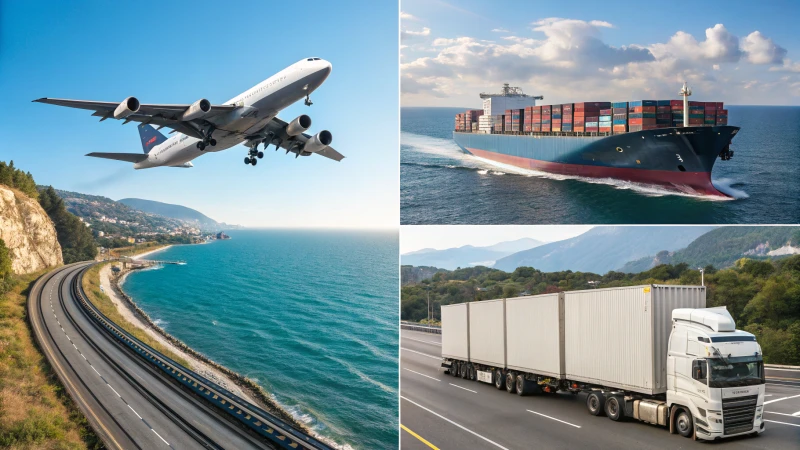
The main shipping methods available are ground shipping, air freight, sea freight, and rail transport, each offering distinct benefits suitable for various cargo types and delivery schedules.
Ground Shipping
Ground shipping quickly became my go-to for domestic deliveries. When I think of those countless times I’ve sent goods across states, it’s usually trucks or vans doing the heavy lifting. It’s incredibly cost-effective, especially for non-perishable items1 that don’t need to race against time.
| Pros | Cons |
|---|---|
| Cost-effective | Slower than air freight |
| Flexible schedules | Weather-dependent |
But I must admit, waiting for that truck to arrive can sometimes feel like watching paint dry.
Air Freight
Then there’s air freight—my ace up the sleeve when deadlines loom like dark clouds. It’s the priciest option, no doubt, but worth every penny when urgency is the name of the game. Imagine needing to ship high-value items overseas; air freight2 swoops in to save the day with unmatched speed and reliability.
Sea Freight
For large, hefty shipments, sea freight is my trusted ally. It’s not about speed here—it’s about moving massive quantities without breaking the bank.
| Pros | Cons |
|---|---|
| Cost-effective | Longer transit times |
| Handles bulk | Complex documentation |
Planning is key, though, because let’s face it: those ships take their sweet time cruising the oceans.
Rail Transport
Lastly, there’s something classic about rail transport. It’s like having a reliable old friend who comes through for large shipments over long distances. If you’re mapping out logistics strategies, this option might just be the ticket.
However, availability may be limited depending on where you are. By understanding these methods’ strengths and limitations, I’ve managed to align my logistics strategy3 with my operational needs, ensuring smooth sailing—or should I say shipping?
Ground shipping is fastest for international deliveries.False
Ground shipping is slower and best for domestic deliveries.
Air freight is more expensive than sea freight.True
Air freight costs more due to speed and reliability advantages.
How Do Package Size and Weight Affect Shipping Costs?
Ever found yourself scratching your head over why that lightweight package costs so much to ship? You’re not alone. Let’s dive into the mysteries of shipping costs.
Shipping costs are primarily influenced by package size and weight. Carriers use dimensional weight, which considers the package’s volume, alongside actual weight to determine fees. Larger or heavier packages typically result in higher costs due to extra handling and fuel surcharges.
The Role of Dimensional Weight
Let me take you back to a day when I was trying to ship what seemed like a harmlessly large, yet light box. I naively assumed its featherlight nature would mean a lower shipping cost. Imagine my surprise when I learned about dimensional weight—it’s like discovering the hidden rules of a board game mid-play!
Carriers like FedEx4 and UPS calculate this by considering the package’s volume, ensuring they charge adequately for the space it takes up in their vehicle. So, even if your box is as light as a cloud, if it takes up a lot of space, be prepared for the cost to reflect that. To compute dimensional weight, you multiply the package’s length, width, and height, then divide by a factor specified by the carrier.
Actual Weight vs. Dimensional Weight
I remember staring at my package and feeling like it had betrayed me—how could something so light cost so much? But then, I realized that carriers often compare actual weight with dimensional weight, charging whichever is greater. It’s crucial to grasp these metrics for cost optimization5. You might find that using smaller or more efficiently packed boxes could significantly reduce your shipping costs.
| Factor | Description |
|---|---|
| Actual Weight | The physical weight of the package |
| Dimensional Weight | Calculated based on package volume |
Impact of Additional Surcharges
If you’re like me, you probably didn’t realize that beyond the base shipping cost, there could be additional surcharges lurking in the shadows. Carriers might impose fees based on package size and weight—oversized package fees or heavy package surcharges are not uncommon.
Once, I shipped an oversized item that needed special handling, and the additional cost made my eyes pop! Similarly, particularly heavy items might incur fees due to extra labor and equipment needed for transport.
Strategies to Reduce Shipping Costs
Over time, I’ve picked up a few tricks to keep shipping costs from eating away at my budget:
- Optimize Packaging: Choose materials that minimize weight without compromising protection.
- Bulk Shipping Discounts: Some carriers provide discounts when shipping multiple packages together.
- Negotiate Rates: If you’re running a business, negotiating rates with carriers can lead to significant savings.
To explore more about reducing costs, consider negotiating with carriers6 as an effective strategy. By understanding these factors, we can make informed decisions and potentially lower our shipping expenses significantly.
Dimensional weight affects shipping costs more than actual weight.True
Carriers charge based on the higher of dimensional or actual weight.
Using larger boxes always reduces shipping costs.False
Larger boxes can increase costs due to dimensional weight charges.
What Customs Fees Should You Expect When Shipping to the Philippines?
Ever felt the frustration of unexpected fees while shipping internationally? I’ve been there, especially when sending goods to the Philippines.
Shipping to the Philippines often includes customs duties and taxes, typically based on the item’s value and category. Personal items under PHP 10,000 might be duty-free, while commercial shipments usually face extra charges. Knowing these regulations can help you budget accurately and avoid surprises.
Understanding Customs Duties and Taxes
I remember my first time shipping materials overseas. It felt like I was stepping into a minefield of rules and fees. Customs duties are a significant part of the shipping costs when you’re navigating through this process. These are usually calculated based on a percentage of the shipment’s declared value7, varying depending on the category of the item according to the Philippines Customs Tariff.
For commercial items, I’ve found that duties can range between 0% and 20% of the item’s value. On top of that, there’s a VAT of 12% slapped onto most imports. It’s vital to have the correct HS code for your products; otherwise, you might find yourself in a costly pickle.
| Item Type | Duty Rate | VAT Rate |
|---|---|---|
| Electronics | 3% | 12% |
| Apparel | 15% | 12% |
| Books | 0% | 0% |
Calculating Estimated Fees
To avoid any surprises, I’ve learned to always use an online customs calculator8. These tools ask for product details, value, and shipping costs—giving you a clearer picture of potential fees before you ship anything out.
Navigating Exemptions and Special Cases
One thing that saved me a lot of headaches was understanding exemptions. Goods valued below PHP 10,000 could be duty-free if you meet certain conditions. Plus, diplomatic shipments or those meant for charity might not attract duties. The Philippines Bureau of Customs9 has detailed guidelines worth checking out.
For specific items like chemicals or food products, special permits might be necessary. Ensuring compliance with local regulations is crucial; otherwise, you could face penalties or delays.
Additional Costs to Consider
Besides duties and taxes, I’ve often encountered other costs like handling charges10 or storage fees if customs clearance drags on. Partnering with an experienced freight forwarder has been a game-changer for me. Their expertise in handling documentation and navigating red tape can significantly streamline the import process.
Always declare items accurately to prevent fines. Trust me, misdeclaration not only leads to penalties but also stalls the release of your goods.
By understanding these nuances, you can navigate customs smoothly when shipping to the Philippines, sidestepping unexpected expenses along the way.
VAT on imports to the Philippines is 12%.True
The standard VAT rate for most imports in the Philippines is 12%.
All goods under PHP 10,000 are duty-free.False
Goods under PHP 10,000 may qualify for exemption but not all are duty-free.
How Can I Save on International Shipping Costs?
Ever felt like international shipping costs were draining your business budget?
To save on international shipping costs, I’ve found that consolidating shipments, picking cost-effective carriers, negotiating rates, and leveraging third-party logistics providers really helps. Plus, optimizing packaging and exploring bulk shipping discounts can significantly cut down expenses.
Consolidation of Shipments
When I first started dealing with international shipping, I quickly learned the magic of consolidation. Combining multiple shipments into one not only slashed the cost per unit but also reduced the number of times I had to ship. This method works wonders because carriers often provide volume discounts11 for larger shipments. It’s like getting a bulk discount at your favorite warehouse store but for shipping!
Choosing the Right Carrier
It can feel overwhelming when you’re staring at a list of shipping options, but choosing the right carrier is crucial. I spent some time comparing rates among DHL, UPS, and FedEx, depending on the route and type of goods I needed to ship. Some carriers offer better deals on specific lanes, so it’s worth using online tools that give real-time rate comparisons12. This way, you’re not just picking the first name you see—you’re picking the best value.
Negotiating Rates
If you’re shipping in high volumes like I often do, you have some leverage. Don’t be shy about negotiating for better rates with carriers. It’s a bit like haggling at a market stall, except this time it’s all about customized pricing13 that fits your shipping needs. Even smaller businesses can get better deals by committing to higher volumes over time.
Utilizing Third-Party Logistics Providers
I remember feeling pretty stuck until I started working with third-party logistics providers (3PLs). These folks can consolidate your shipments with others and usually have pre-negotiated rates with carriers, which can offer savings individual businesses struggle to achieve alone. A reliable 3PL partner14 can really streamline logistics operations and help cut costs.
Optimizing Packaging
I used to think packaging was just about keeping items safe during transit. But optimizing packaging size and weight can lead to huge savings. By using lightweight materials and ensuring my packages were as compact as possible without sacrificing product safety, I managed to reduce costs significantly. Plus, it’s a bonus that this aligns with sustainable practices!
Bulk Shipping Discounts
Planning ahead is key when trying to save on international shipping. By aligning my order schedules with suppliers and shipping in bulk rather than individually, I’ve been able to take advantage of bulk discounts offered by many carriers. It’s like getting a group discount—more packages mean more savings.
| Strategy | Description |
|---|---|
| Consolidation | Combine multiple shipments into one for volume discounts |
| Right Carrier | Compare rates and choose the most cost-effective carrier for specific routes |
| Rate Negotiation | Engage carriers for customized pricing based on shipping volumes |
| Third-Party Logistics | Leverage 3PLs for consolidated shipments and pre-negotiated rates |
| Packaging Optimization | Reduce package size and weight using lightweight materials |
| Bulk Shipping | Plan shipments in bulk to capitalize on carrier discounts |
These strategies have not only helped me keep my shipping costs down but also taught me the importance of being strategic in every aspect of my business. Whether you’re shipping a few packages or managing large-scale logistics, these tips can make a big difference.
Consolidation reduces shipping costs per unit.True
Combining shipments into one larger shipment allows for volume discounts.
Optimizing packaging increases shipping costs.False
Reducing package size and weight decreases costs and aligns with sustainability.
Conclusion
Shipping small packages from China to the Philippines can be costly due to factors like shipping method, package size, weight, and customs fees. Understanding these can help reduce expenses.
-
Understand why ground shipping might be an ideal choice for short-distance deliveries, especially for non-perishable goods. ↩
-
Discover how air freight ensures quick and reliable delivery for urgent shipments. ↩
-
Explore how incorporating rail transport can enhance your logistics strategy. ↩
-
Learn how carriers like FedEx calculate dimensional weight, affecting shipping costs. ↩
-
Discover ways to optimize packaging, reducing dimensional weight and cutting costs. ↩
-
Find out how negotiating with carriers can lead to reduced shipping expenses. ↩
-
Explore how the declared value affects customs duties and learn methods for accurate valuation. ↩
-
Find reliable tools for calculating customs fees to plan your shipping costs effectively. ↩
-
Learn about exemptions available for specific shipments to reduce customs duties. ↩
-
Understand additional fees associated with customs handling and how they impact total costs. ↩
-
Learn how consolidating shipments can lead to volume discounts and reduced shipping costs. ↩
-
Find tools that allow you to compare rates from multiple carriers for cost-effective shipping. ↩
-
Explore strategies to negotiate better shipping rates based on your business volume. ↩
-
Discover how 3PLs leverage pre-negotiated rates for cost savings in logistics. ↩