
What Are the Differences Between Sanded and Unsanded Grout?
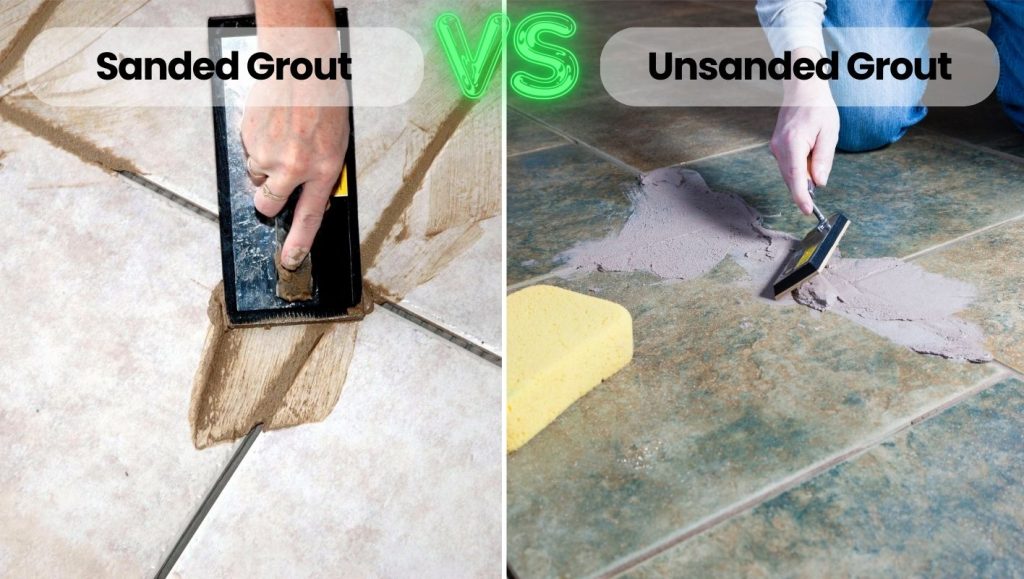
Choosing the right grout is crucial for tiling projects. Sanded grout is ideal for wider joints over 1/8 inch, offering strength and durability, making it perfect for high-traffic areas. In contrast, unsanded grout works best for narrow joints under 1/8 inch, providing a smooth finish that protects delicate tiles from scratches. Understanding joint sizes and tile materials helps ensure long-lasting results and aesthetic appeal in your installations. This guide explores the differences between sanded and unsanded grouts, their applications, and tips for achieving professional results in your tiling projects.
What Is Concrete Bonding?
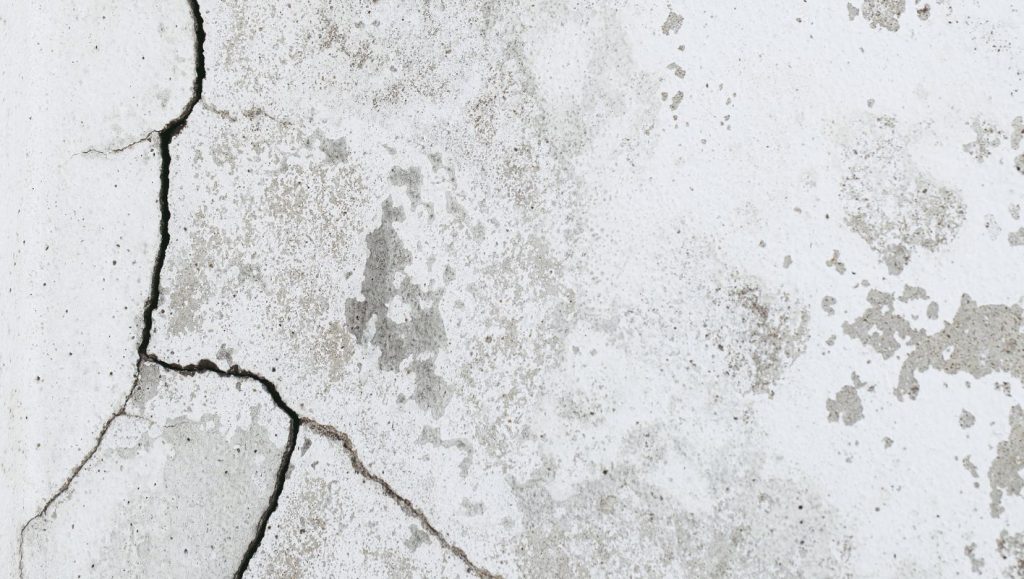
Concrete bonding is crucial for creating seamless connections between new and existing concrete surfaces. This process involves specialized bonding agents that enhance adhesion, prevent cracks, and ensure structural integrity. Different types of bonding agents—such as epoxy, acrylic latex, and polyvinyl acetate—serve various applications based on project needs. Proper surface preparation and application techniques are vital for achieving lasting results in repairs, overlays, or structural connections. By selecting the right agent and following best practices, you can significantly improve the durability of your concrete projects.
How to Tile a Shower Floor Without a Pan?
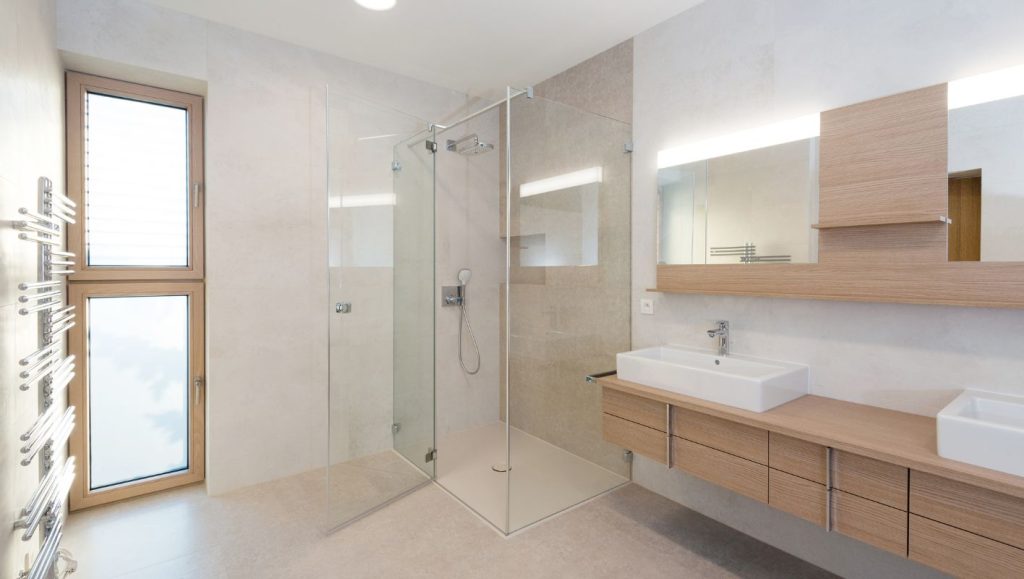
Tiling a shower floor without a traditional pan can create a sleek, custom look. This guide covers essential steps including subfloor preparation, waterproofing methods, and drainage solutions to ensure durability and functionality. From selecting the right materials to mastering installation techniques, you’ll gain insights into transforming your bathroom into a beautifully tiled space that stands up to moisture. Whether you’re a DIY enthusiast or an experienced builder, these tips will help you achieve professional results while avoiding common pitfalls in the process.
How to Level a Floor for Tile?
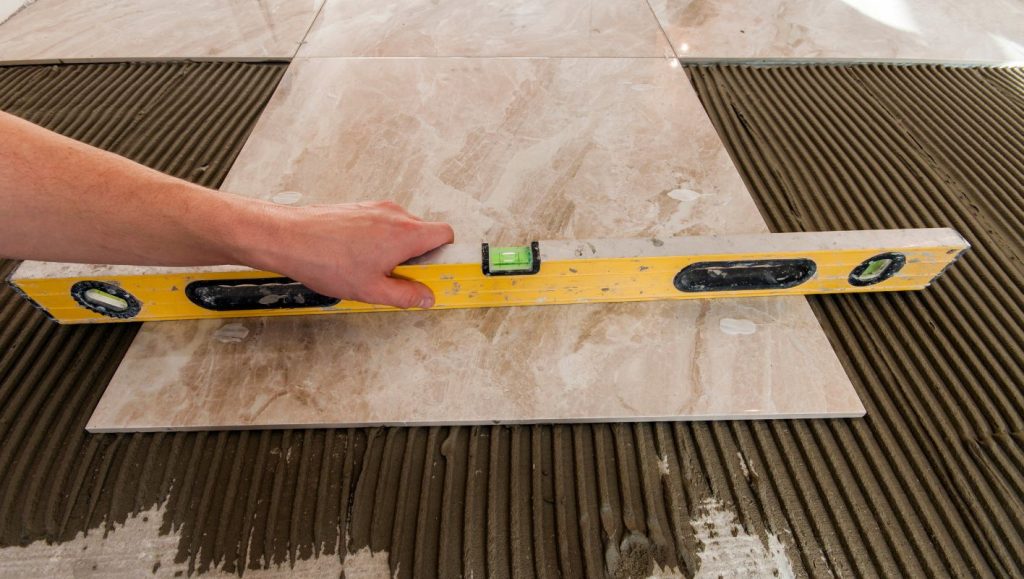
Leveling a floor is crucial for successful tile installation. Start by cleaning the surface thoroughly, then use a self-leveling compound to fill low spots. Essential tools include a spirit level, trowel, and sander. Avoid common mistakes like inadequate preparation or ignoring moisture issues. Properly assess the floor condition, repair cracks, apply primer for better adhesion, and protect adjacent areas during the process. Understanding different leveling methods—self-leveling compounds, underlayment solutions, grinding—and utilizing innovative technologies can enhance efficiency and quality in your flooring projects.
How to Tile Inside Corners?
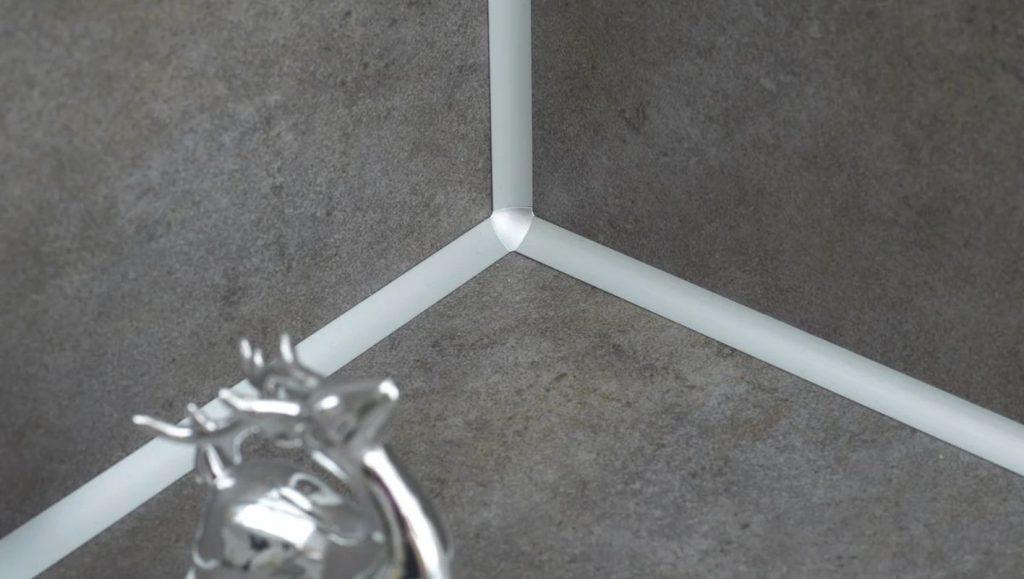
Tiling inside corners can be challenging but manageable with the right tools and techniques. Start by ensuring surfaces are clean and even, then measure and cut tiles to fit snugly. Use spacers for uniform gaps, and choose between grout or caulk based on material flexibility. Essential tools include a corner trowel for adhesive application, tile spacers for consistent spacing, and a precision tile cutter for accurate cuts. Advanced options like laser levels and wet saws can enhance your results. Remember to measure twice before cutting, dry lay tiles first to ensure fit, and apply adhesive evenly. With patience and precision, you can achieve stunning results in your tiling projects.
How to Install Grab Bars in Tile Shower?
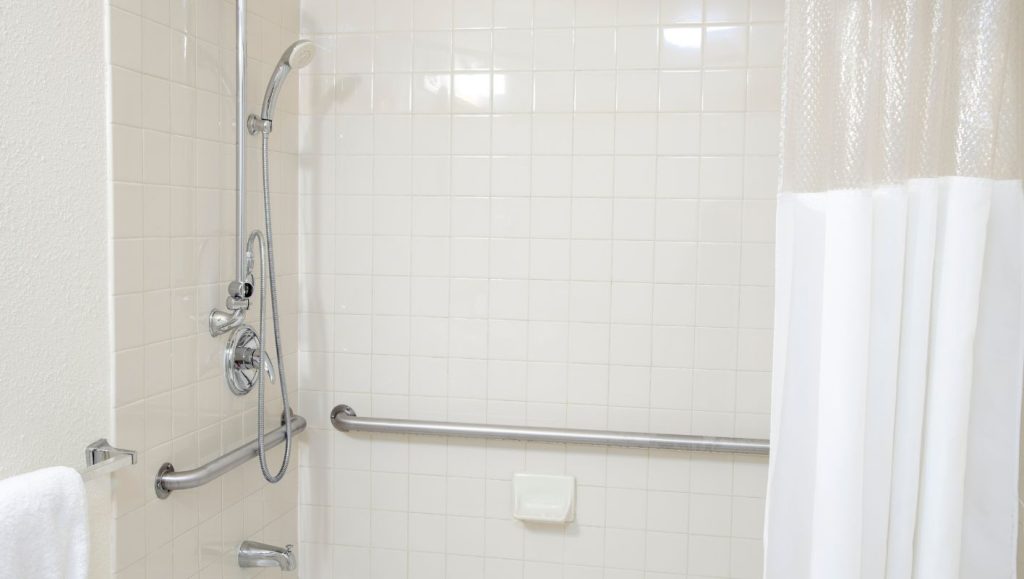
Installing grab bars in a tile shower is essential for enhancing safety and preventing slips. This guide covers selecting the right location, tools needed, and installation methods such as drilling or adhesive mounting. It emphasizes the importance of securing grab bars into wall studs for maximum support and compliance with ADA guidelines. Regular maintenance checks are also recommended to ensure ongoing stability. With careful planning and execution, you can create a safer bathing environment for yourself or loved ones.
