
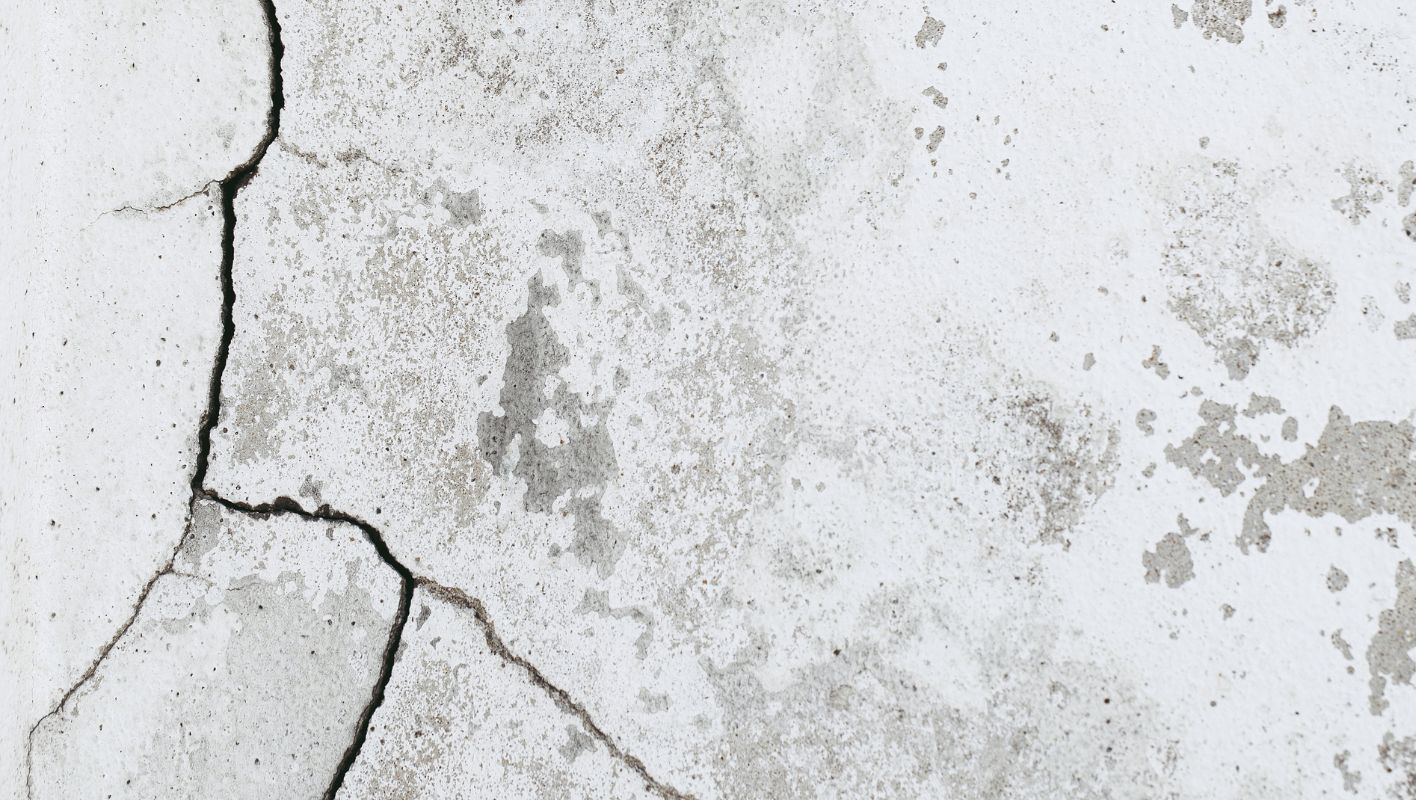
Ever tried to glue a broken mug? Concrete bonding is like that, but for buildings!
Concrete bonding is the art of creating a seamless and sturdy connection between new and existing concrete surfaces. It involves using specialized bonding agents that ensure a strong and lasting bond.
I remember the first time I attempted a DIY project involving concrete. It was my old driveway, cracked and worn down by years of use. I thought I could just pour new concrete over the old. Boy, was I wrong! The fresh layer just wouldn’t stick. That’s when I learned about concrete bonding agents—these unsung heroes ensure the new concrete adheres properly to the old surface, creating a unified structure.
Understanding the different types of bonding agents is crucial. Some are more suited for vertical surfaces, while others excel on horizontal ones. Each project demands a specific application method, so knowing these nuances can make or break your project. Keep reading for tips and insights to elevate your concrete bonding skills.
Concrete bonding agents are always chemical-based.False
Bonding agents can be chemical or mechanical, depending on the project needs.
Proper surface preparation is crucial for concrete bonding.True
Surface preparation ensures optimal adhesion between new and old concrete.
How Do Concrete Bonding Agents Work?
I remember standing on a job site, watching as the new concrete refused to stick to the old surface. Then I discovered the magic of concrete bonding agents.
Concrete bonding agents work by chemically bonding new concrete to old, preventing cracks and ensuring durability. These agents are essential for maintaining structural integrity and longevity in construction projects.
The Science Behind Bonding Agents
It’s like that time I tried to fix a broken vase with tape—it just didn’t hold. Concrete bonding agents, however, create a chemical bond between new and existing surfaces, making sure everything sticks together firmly. They contain polymers that seep into the old concrete, forming a reactive layer1 that helps the new concrete adhere better, reducing cracks and separation.
Types of Bonding Agents
Over the years, I’ve learned that picking the right bonding agent is crucial. Each type has its own set of strengths and best-use scenarios:
| Type | Application Area |
|---|---|
| Acrylic | Used in overlays, toppings, and repairs |
| Epoxy | Ideal for high-strength structural bonds |
| Latex | Used for general-purpose bonding |
Acrylic Bonding Agents
I’ve found acrylic-based agents particularly useful for exterior repairs because they’re water-resistant and flexible. They offer fantastic adhesion and are often my go-to for surface overlays2 and toppings.
Epoxy Bonding Agents
Epoxy agents are what I rely on when I need something that can hold up under serious pressure. They’re ideal for structural applications where strength is non-negotiable.
Latex Bonding Agents
Latex agents are my budget-friendly option. They’re easy to use and do a decent job for non-structural repairs.
Application Techniques
Getting the application right is like following a recipe—each step matters. Here’s how I ensure effectiveness:
- Surface Preparation: A clean surface is key. I make sure the old concrete is spotless.
- Mixing: Following manufacturer instructions is crucial to get the right consistency.
- Application: I usually apply the agent with a brush or roller for even coverage.
- Curing: Patience pays off here. I always allow enough time for curing as per guidelines.
Understanding these techniques helps me achieve the best results, ensuring my projects are both durable and reliable. It’s worth consulting professional resources3 to choose the right bonding agent, enhancing your project’s quality and longevity.
Epoxy agents are best for exterior repairs.False
Epoxy agents are ideal for structural bonds, not specifically exterior repairs.
Acrylic bonding agents are water-resistant.True
Acrylic agents are water-resistant and flexible, suitable for exterior use.
What Are the Types of Concrete Bonding Agents?
Ever tried to stick two concrete surfaces together and ended up with a crumbly mess?
Concrete bonding agents include epoxy resin, acrylic latex, and polyvinyl acetate. Each type offers unique properties suited for different applications, ensuring effective adhesion between concrete layers.
Epoxy Resin Bonding Agents
Epoxy resin bonding agents are like the superheroes of the construction world. They come in two parts: resin and hardener. When these two get together, they create a bond that’s tough as nails. I once used them on a bridge repair project and was amazed at their strength and durability. These agents are fantastic for structural repairs in high-stress environments and places that might face chemical exposure. Plus, they’re waterproof!
Applications:
| Use Case | Description |
|---|---|
| Structural Repairs | Reinforces concrete in bridges, buildings, and roads. |
| Chemical Resistance | Used in industrial floors and chemical plants. |
Acrylic Latex Bonding Agents
Acrylic latex agents are my go-to when I need something versatile and user-friendly. They’re water-based, which means they’re kind to the environment and easy to apply. I’ve used them for decorative finishes and repairs that don’t require a heavy-duty approach. Their quick-drying nature and non-toxic properties make them perfect for both interior and exterior jobs.
Advantages:
- Quick drying
- Non-toxic
- Suitable for interior and exterior applications
Polyvinyl Acetate (PVA) Bonding Agents
When budget constraints are a concern, PVA bonding agents come to the rescue. They may not have the strength of epoxy or acrylics, but they’re ideal for less demanding projects. I’ve used them as primers to ensure new plaster adheres well to existing surfaces. Just keep in mind they’re best for indoor use because they dissolve in water.
Characteristics:
- Economical choice
- Easy application with a brush or roller
- Suitable for indoor use only due to water solubility
For more information on choosing the right bonding agent4, consider factors such as environmental conditions, structural requirements, and application methods. It’s important to consult with a materials expert if you’re uncertain about the best choice for your project needs. Understanding these agents5 ensures effective results and long-lasting repairs.
Epoxy resins are suitable for damp conditions.True
Epoxy resins are waterproof, making them ideal for damp environments.
PVA agents are best for outdoor use.False
PVA agents are water-soluble, hence suitable only for indoor use.
When should you use a concrete bonding agent?
Have you ever wondered why your concrete repairs didn’t last? The secret might just be a concrete bonding agent.
Concrete bonding agents are essential when applying new concrete over existing surfaces to ensure strong adhesion and prevent separation. They’re vital for repairs, overlays, and new structural connections.
I remember the first time I had to repair a section of my driveway. It seemed like a straightforward task—just mix, pour, and smooth out. But a few months later, the newly poured concrete began to crumble, and I couldn’t figure out why. That’s when I learned about the importance of using a concrete bonding agent.
Key Scenarios for Using a Concrete Bonding Agent
1. Repairing Damaged Concrete: Picture this: You spend a weekend patching up some cracks in your garage floor, only to find them reappearing after the next big freeze. This happened to me once, and that’s when I realized that using a bonding agent could’ve saved me from the frustration of doing it all over again. By ensuring the new material sticks properly, a bonding agent can prevent future cracking.
2. Applying Overlays or Toppings: Last summer, I decided to give my patio a makeover with a decorative overlay. Without a bonding agent, I might have ended up with an unsightly peeling layer. It’s like adding a fresh coat of paint without primer—it just doesn’t last!
3. Structural Bonding in New Construction: If you’re like me, tackling larger projects where separate pours are unavoidable, you’ve seen how crucial it is for those sections to hold together seamlessly. A bonding agent can create the illusion—and reality—of a single, unified structure.
| Scenario | Bonding Agent Benefit |
|---|---|
| Repairing Cracks | Enhances adhesion, prevents future cracking |
| Adding Overlays | Ensures even layer bonding, avoids delamination |
| Structural Connections | Achieves continuous structural integrity |
Types of Concrete Bonding Agents
Navigating the world of bonding agents can feel overwhelming with options like latex-based, epoxy-based, and acrylic-based products.
- Latex-based: Perfect for those minor repairs and overlays; they’re flexible and user-friendly.
- Epoxy-based: These are the heavy lifters—offering superior strength for those critical structural applications.
- Acrylic-based: Good for general applications but might not hold up under heavy loads.
Best Practices for Application
Getting it right starts with preparation. Before applying any bonding agent, make sure your surface is clean6 and free of debris or grease. I’ve learned this the hard way—once skimping on this step led to an uneven finish.
The application method varies:
- Brush or Roll-on: Ideal for latex and acrylic agents.
- Spray Application: Efficient for large areas.
- Mixing with Concrete: Some agents mix right into your concrete.
Each method has its own perks and pitfalls; selecting the right one depends on your project’s specific needs.
Bonding agents are only for decorative overlays.False
Bonding agents are used for repairs, overlays, and structural bonding.
Epoxy-based agents are best for structural applications.True
Epoxy-based agents offer superior strength suitable for structural uses.
How can you apply concrete bonding agents effectively?
Have you ever found yourself staring at a patchy concrete surface, wondering how to make new concrete stick like glue?
To effectively apply concrete bonding agents, start by meticulously cleaning the existing surface, then evenly apply the agent and respect drying times. Choose the appropriate bonding product to guarantee strong adhesion and long-lasting results.
Understanding Concrete Bonding Agents
Concrete bonding agents are like the unsung heroes in construction—essential for making sure new concrete grabs onto old surfaces and doesn’t let go. I remember working on a repair job7 where skipping this step nearly turned into a disaster. These agents essentially serve as a bridge, increasing the bond’s strength, whether you’re fixing up a walkway or adding some flair with decorative touches.
Types of Concrete Bonding Agents
When I first encountered different types of bonding agents, it was like discovering a toolbox full of specialized gadgets. Each type has its own perks:
| Type | Description |
|---|---|
| Epoxy-Based | Known for high strength and durability, suitable for high-load applications. |
| Acrylic Latex | Offers flexibility and water resistance, ideal for outdoor projects. |
| Polyvinyl Acetate (PVA) | Provides good adhesion for low-stress applications, often used in DIY projects. |
Picking the right one really depends on what you’re up against—weather conditions, the stress the concrete will face, and so on.
Preparing the Surface
Let me tell you, preparing the surface isn’t just about sweeping away the dirt. It’s about giving your new concrete the best possible chance to bond. I’ve spent hours grinding away stubborn stains using everything from sandblasters to old-fashioned elbow grease. Trust me, you’ll thank yourself later when everything holds together perfectly.
Application Techniques
- Mixing: Get your bonding agent ready by following the manufacturer’s instructions to a tee. It’s like making sure your favorite cake mix is just right—no lumps!
- Application: Whether you prefer a brush, roller, or spray, ensure you apply the bonding agent consistently across the surface. Pay attention to coverage rates8 indicated on the product label.
- Drying Time: Patience is key here. Follow the guidelines for drying time; otherwise, you risk all your hard work coming apart at the seams.
Tips for Effective Application
- Environmental Conditions: I can’t stress enough how important it is to work in dry conditions with moderate temperatures to avoid moisture-related issues.
- Consistent Coverage: Avoid pooling—think of it like painting; even strokes win the race.
- Product Compatibility: Double-check that your old concrete and bonding agent are a match made in heaven.
By carefully following these steps and selecting the right products, you’re not just doing a job—you’re crafting something built to last.
Epoxy-based agents are ideal for low-stress applications.False
Epoxy-based agents are known for high strength, not low-stress uses.
Proper surface cleaning ensures a strong concrete bond.True
Cleaning removes debris, ensuring the bonding agent adheres well.
Conclusion
Concrete bonding agents create strong connections between new and existing concrete surfaces, ensuring durability and preventing separation. Understanding types and application techniques is essential for effective results.
-
Discover the detailed chemical reactions involved in concrete bonding for a deeper understanding of how these agents function. ↩
-
Learn about the specific properties of acrylic bonding agents that make them suitable for concrete overlays. ↩
-
Get expert advice on choosing the most effective bonding agents tailored to your construction project. ↩
-
Discover detailed guidance on selecting the right bonding agent tailored to your construction needs. ↩
-
Explore a comprehensive list of various concrete bonding agents and their specific uses. ↩
-
Proper preparation of surfaces is essential for effective bonding; this link offers comprehensive guidance on cleaning techniques. ↩
-
Learn industry-best practices for using bonding agents effectively in various construction scenarios. ↩
-
Understand how much bonding agent is needed per square foot for different applications. ↩






