
Which Stainless Steel is Best for Construction?
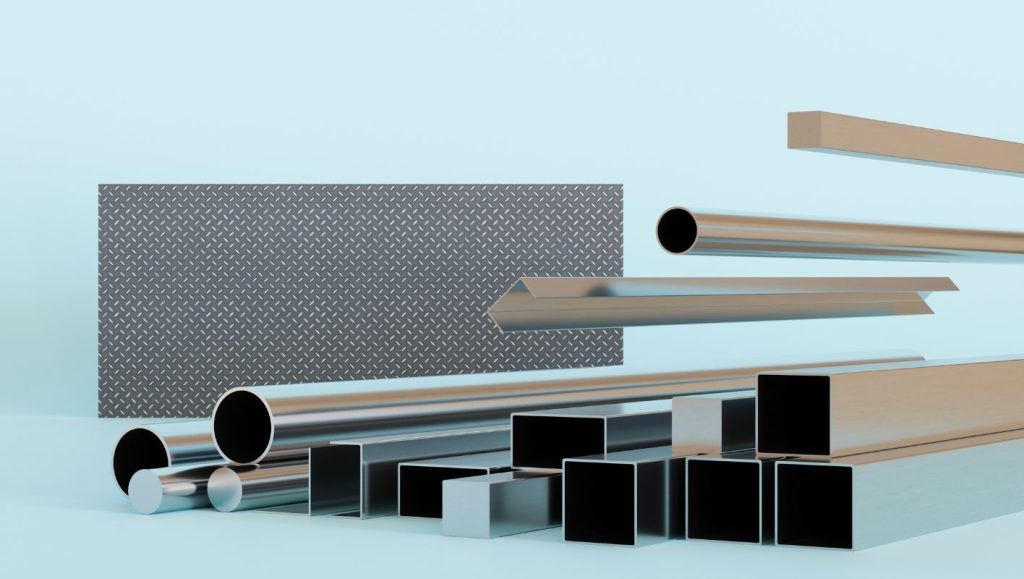
Selecting the appropriate stainless steel grade is crucial for construction projects. Grades 304 and 316 are commonly used due to their unique properties—grade 304 offers versatility and cost-effectiveness, while grade 316 excels in corrosion resistance, particularly in marine environments. Understanding these grades’ chemical compositions and mechanical properties helps in making informed decisions based on environmental conditions and project requirements. Additionally, exploring alternatives like galvanized steel or aluminum can provide cost-effective solutions without compromising quality. Certifications such as ISO and ASTM ensure that materials meet industry standards for safety and durability, further guiding procurement managers in their choices. This comprehensive guide aims to equip professionals with the knowledge needed to select the best stainless steel for their specific applications.
What Are the Benefits of Choosing Composite Decking?
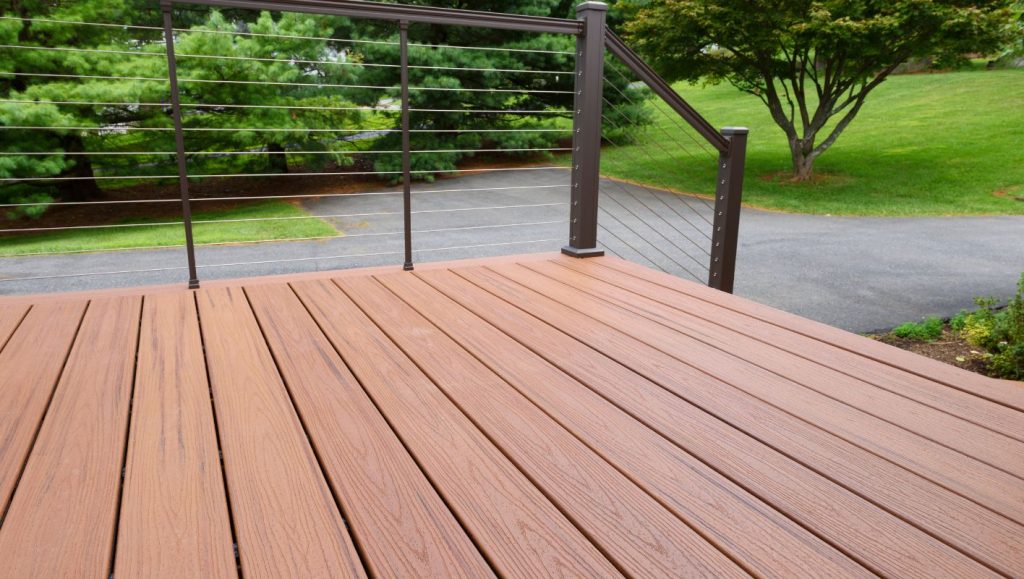
Composite decking is an innovative choice for outdoor spaces, combining aesthetic appeal with durability and low maintenance. Made from recycled materials, it resists rot and insect damage, making it a sustainable option. While traditional wood offers timeless beauty, composite decking provides long-term savings through reduced upkeep costs. With various colors and textures available, homeowners can enjoy the look of natural wood without the hassle of regular staining or sealing. This eco-friendly material minimizes deforestation and promotes sustainability by utilizing recycled components. Whether you prioritize aesthetics or environmental impact, composite decking presents a compelling solution for modern outdoor living.
What Are Raked Ceilings and Why Are They Popular?
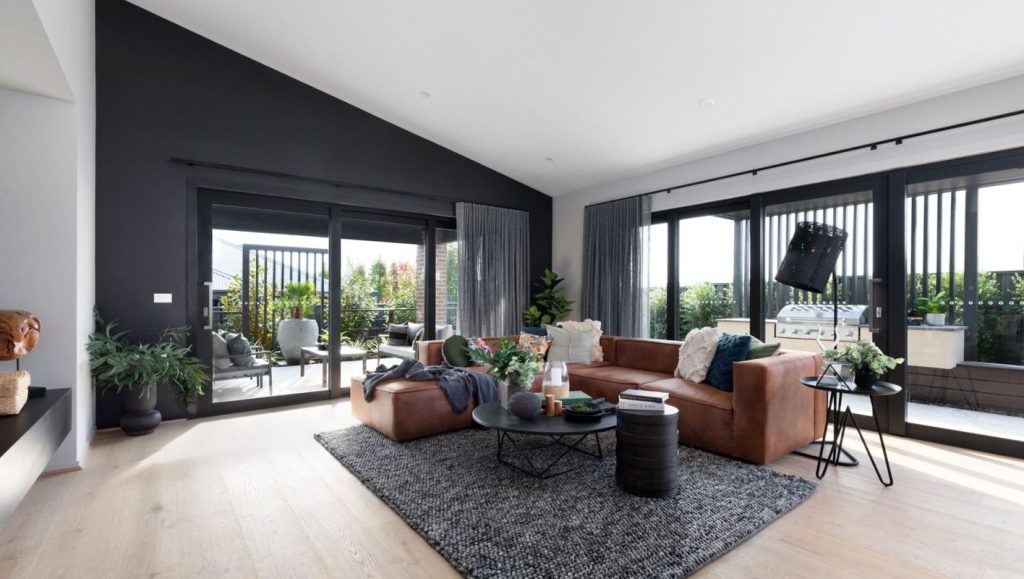
Raked ceilings are increasingly popular in modern architecture due to their ability to enhance natural light and create an illusion of spaciousness. These sloped ceilings not only add visual intrigue but also improve energy efficiency by allowing sunlight to penetrate deeper into rooms. However, they come with practical considerations such as the need for proper insulation and ventilation to manage heating and cooling demands effectively. Raked ceilings can beautifully complement various design styles, including modern minimalism, rustic charm, and industrial chic, making them a versatile choice for homeowners looking to elevate their living spaces. Before deciding on raked ceilings, it’s essential to consider your home’s architectural style, budget constraints, and climate needs for optimal integration.
What is Pedestal Paver System Used for in Construction?
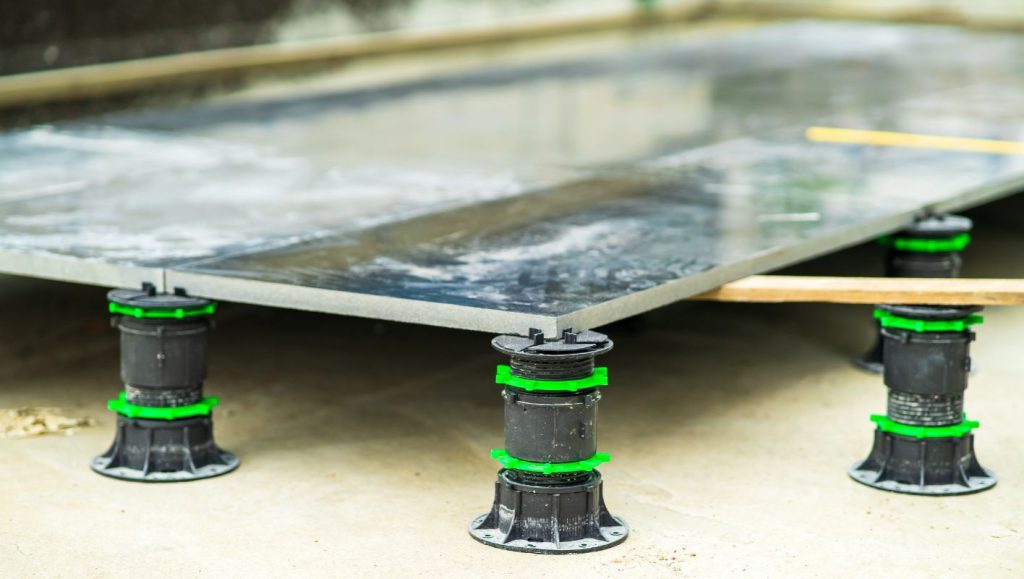
The Pedestal Paver System revolutionizes construction by converting uneven rooftops and terraces into usable spaces. This innovative system utilizes adjustable pedestals to create level surfaces, ensuring excellent drainage and airflow. Ideal for sustainable projects, it enhances aesthetics while providing thermal insulation. Despite initial costs being higher than traditional methods, the long-term savings from reduced maintenance make it a wise investment. The installation process is straightforward but requires careful surface preparation and load management to ensure durability. With customizable designs available in various materials, pedestal pavers are perfect for both residential and commercial applications, aligning with modern architectural trends and eco-friendly practices.
What is a Mud Floor and How is it Used in Construction?
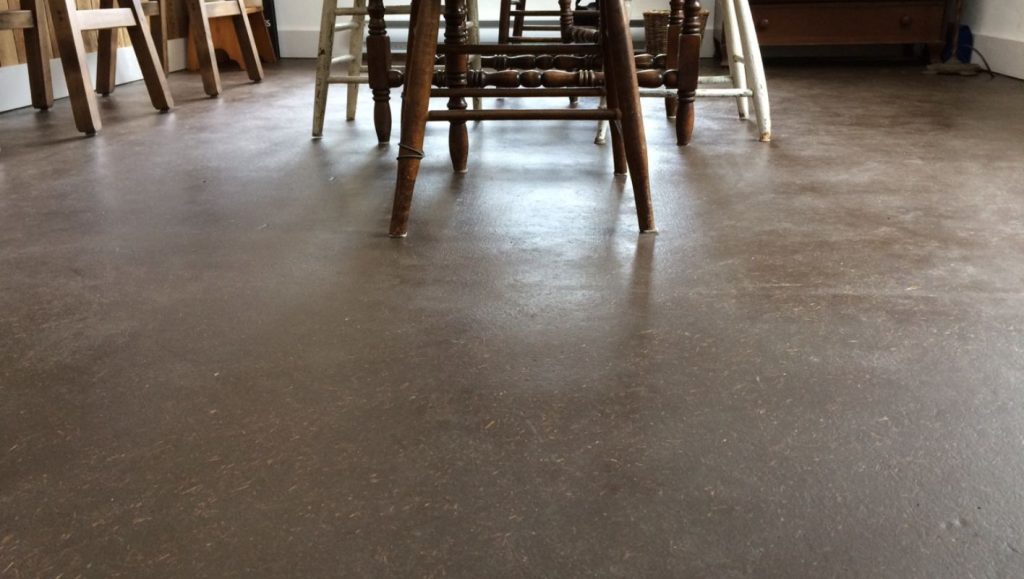
Mud floors are a sustainable and affordable flooring choice crafted from compacted earth mixed with natural fibers. They provide excellent thermal insulation, making them ideal for energy-efficient homes. With their unique aesthetic appeal and low environmental impact, mud floors are gaining popularity in modern construction. Available in types like earthen, clay, and adobe, each offers distinct benefits suited to different climates and design preferences. While they require more maintenance than traditional materials like concrete or brick, their rustic charm and connection to nature make them a compelling option for eco-conscious builders. Explore the advantages of mud flooring to enhance your next construction project while embracing sustainability.
What Are the Differences Between Skirting Boards and Skirting Board Covers?
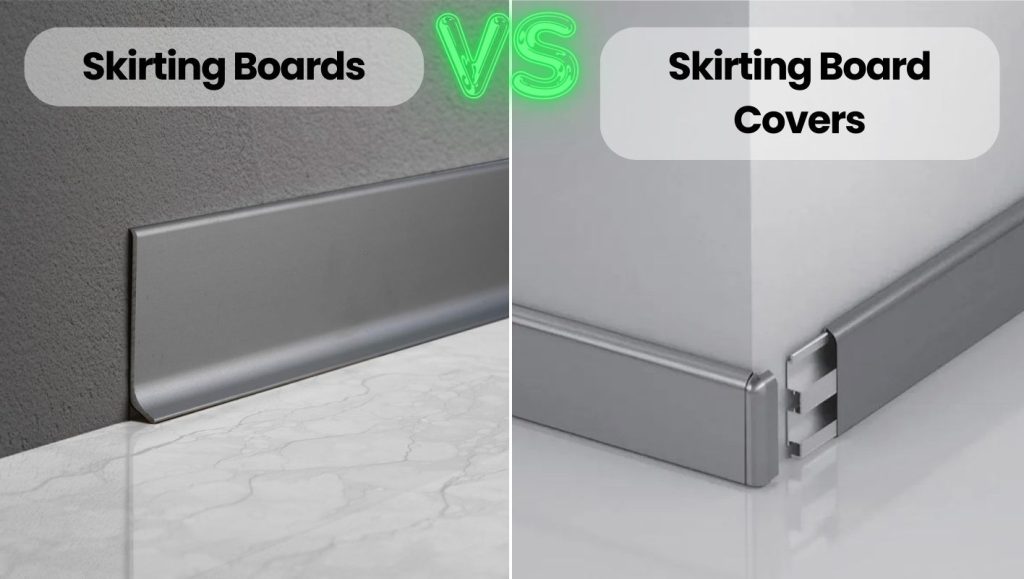
When renovating your home, understanding the differences between skirting boards and skirting board covers is essential. Skirting boards serve as classic elements that enhance aesthetics while protecting walls from damage. They come in various materials like wood, MDF, and PVC, each offering unique benefits in terms of durability and maintenance. On the other hand, skirting board covers are a convenient solution for refreshing outdated boards without removal. They are easier to install but may not be as durable as traditional skirting boards. Factors such as material costs, installation ease, long-term maintenance implications, and sustainability should guide your decision-making process to ensure you choose the best option for your design needs.
