
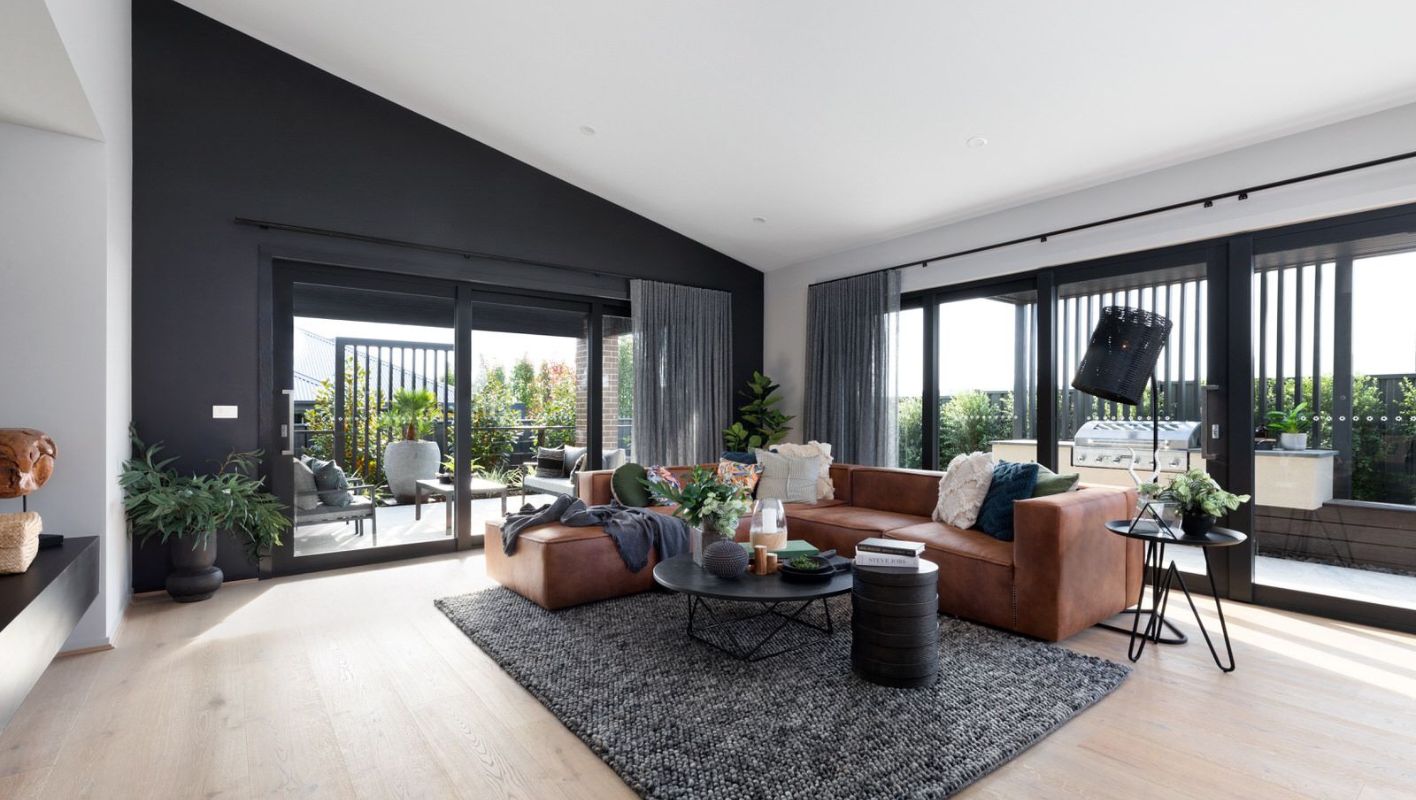
I once stood in a sunlit room, mesmerized by the way the ceiling seemed to soar above me, and I knew I’d discovered something special.
Raked ceilings are sloped, not flat, creating visual intrigue and making spaces feel larger. They’re beloved for enhancing natural light and adding striking architectural flair to homes.
When I first explored the idea of raked ceilings, I was captivated by more than just their beauty. I learned that while they undoubtedly add a dramatic touch, they also come with practical considerations. From maximizing design flexibility to potentially affecting energy efficiency, understanding these aspects can guide you in deciding whether a raked ceiling is right for your home. Reflecting on my experience, the balance of aesthetics and functionality made the decision clear for me.
Raked ceilings create an illusion of more space.True
The sloped design adds depth and height perception, enhancing room size.
Raked ceilings reduce natural light in a room.False
Their design actually enhances the entry of natural light, not reduces it.
How Do Raked Ceilings Affect Natural Light and Space?
Have you ever walked into a room and felt immediately uplifted, as if the space itself was giving you a warm hug?
Raked ceilings can transform a room by enhancing natural light and creating a perception of spaciousness. Their unique sloped design allows sunlight to penetrate deeper, while the increased vertical space makes interiors feel open and airy, offering both aesthetic appeal and functional benefits.
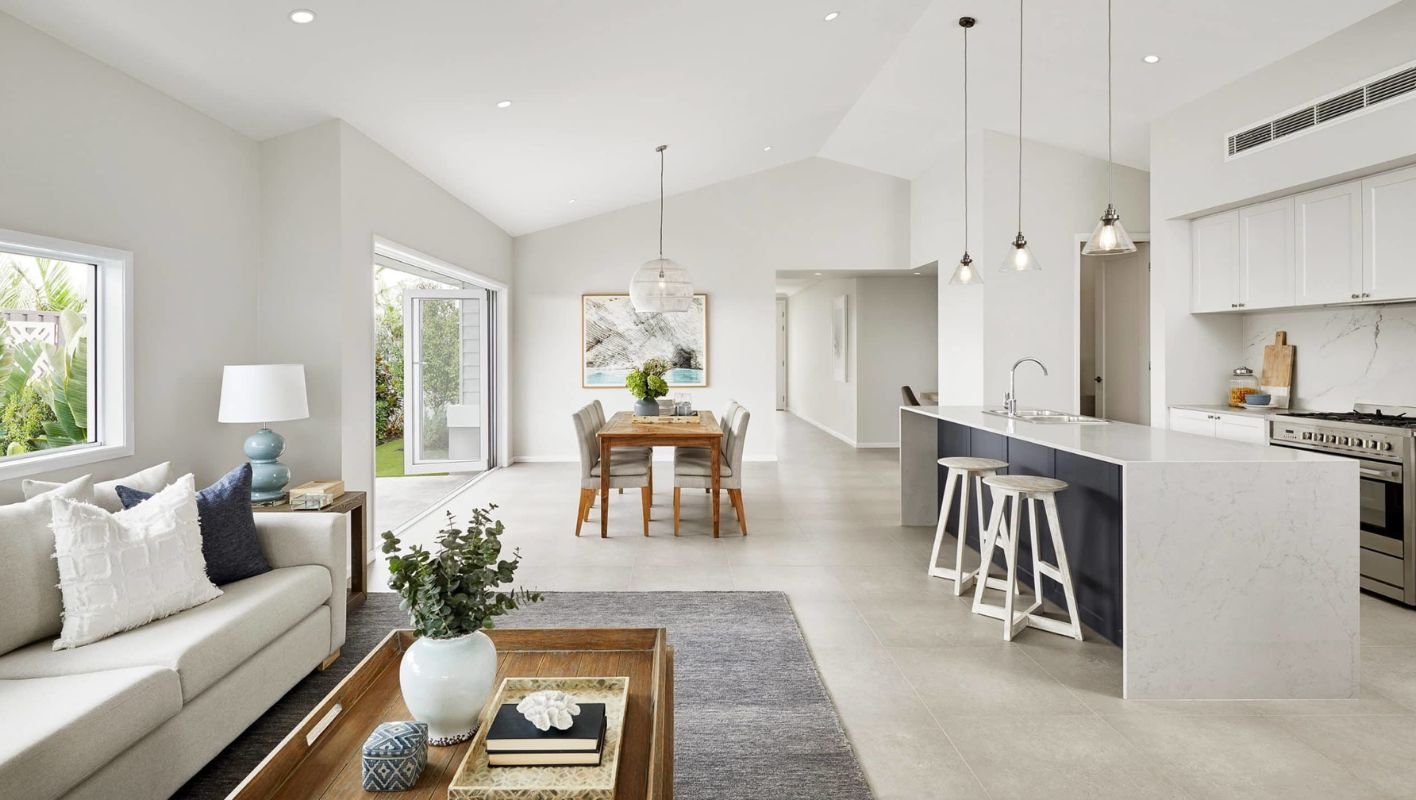
The Architectural Design of Raked Ceilings
I remember the first time I stepped into a home with raked ceilings. It was like the whole room was inviting me to breathe deeper, as if the walls had suddenly become friends. These ceilings aren’t just a stylish choice; they’re like a secret handshake between architecture and nature. Their angles vary, but the magic lies in how they usher light into every corner, turning dim spaces into vibrant havens.
Maximizing Natural Light
Imagine sipping your morning coffee as sunlight floods your living room, making even the shadows dance in delight. That’s the beauty of raked ceilings. By elevating one side of the room, these ceilings let sunlight cascade further inside, reducing reliance on artificial lighting and boosting energy efficiency. It’s like having nature’s spotlight illuminating your home. Envision how this can transform your home’s energy efficiency1, making it both eco-friendly and cost-effective.
Perception of Space and Volume
There’s something magical about walking into a room and feeling like you’ve entered an expansive sanctuary. That’s the illusion raked ceilings create. In smaller spaces, they can turn what might feel cramped into a delightful open area. Imagine transforming a tiny nook into a spacious retreat just by playing with ceiling angles. It’s like giving your home a breath of fresh air.
| Feature | Benefit | Example Uses |
|---|---|---|
| Increased Height | Creates open, airy feel | Living rooms, kitchens |
| Enhanced Lighting | Deeper penetration of sunlight | Studios, art galleries |
| Aesthetic Appeal | Adds architectural interest | Modern homes, renovation projects |
Practical Considerations
Of course, with great ceilings come great responsibilities! The angle of these ceilings might affect how you arrange tall furniture or shelving. It’s essential to plan your interior design2 thoughtfully to balance beauty with functionality.
And don’t forget about heating or cooling needs—more space means more air to manage. With proper insulation and ventilation, you can maintain energy efficiency while basking in the charm of your raked ceiling. Dive into some effective insulation techniques3 that complement this stunning architectural feature. Remember, it’s not just about creating beauty; it’s about sustaining it.
Raked ceilings reduce the need for artificial lighting.True
The sloped design allows sunlight to penetrate deeper, reducing reliance on artificial light.
Raked ceilings decrease a room's perceived space.False
The increased height creates an illusion of added space, enhancing spatial perception.
How Do Raked Ceilings Impact Energy Efficiency?
Imagine basking in the elegance of a raked ceiling, while wondering if it’s quietly hiking up your energy bills. Let’s unravel this mystery together.
Raked ceilings may lead to higher energy costs due to increased space that requires heating or cooling. However, with proper insulation and strategic design, you can enjoy the aesthetic benefits without breaking the bank on energy bills.
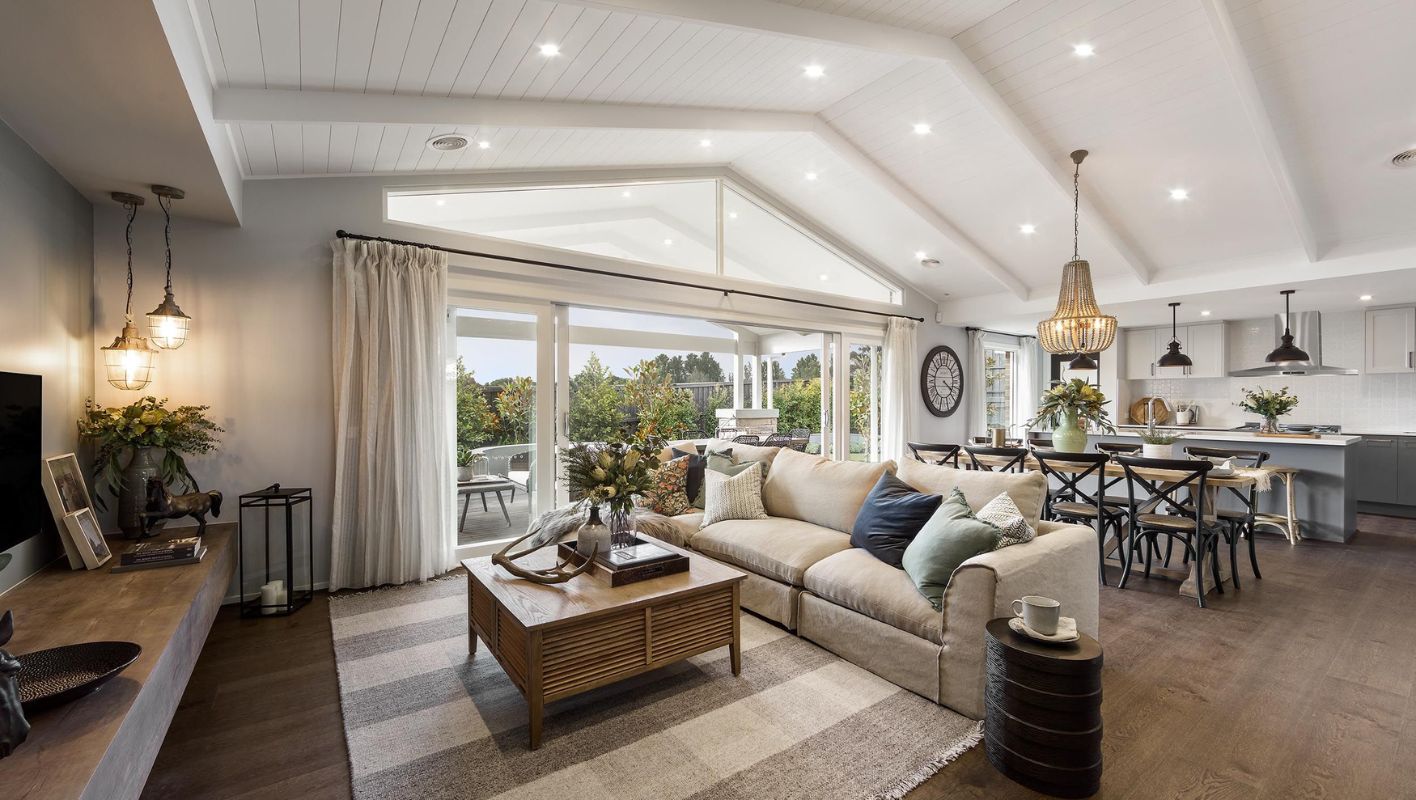
Understanding Raked Ceilings
When I first laid eyes on a raked ceiling, it was love at first sight. The way it opened up the space felt magical. Raked ceilings, also known as vaulted ceilings, are designed with slopes that typically match the roof’s angle. While visually appealing, they create more space than conventional flat ceilings.
But here’s the thing: more space often means more air to heat or cool, which could potentially increase energy consumption4. I remember having a conversation with an architect friend who mentioned how clients are often surprised by the energy implications after falling for the look.
Insulation Strategies
To tackle these potential inefficiencies, I discovered that proper insulation is key. Using high-performance insulation materials can help maintain your desired indoor temperature. One approach I found effective is spray foam insulation, which fills all those little nooks and crannies.
A well-insulated raked ceiling can help you achieve energy savings comparable to traditional ceiling designs, which was music to my ears when planning my own renovation.
| Insulation Type | Efficiency Rating | Cost per Square Foot |
|---|---|---|
| Spray Foam | High | $$ |
| Fiberglass Batts | Medium | $ |
| Reflective Foil | Low | $$ |
Design Considerations
Strategic design plays a significant role in energy efficiency. I’ve learned to consider window placement to maximize natural light and reduce reliance on artificial lighting. Adding skylights can also be beneficial.
Incorporating solar panels along the roof’s slope can further enhance energy efficiency by offsetting electricity consumption. This was a game-changer for my own home project.
Ventilation and Airflow
Proper ventilation is crucial in maintaining energy efficiency with raked ceilings. Ensuring that airflow isn’t obstructed by design elements is key. Installing ceiling fans can help circulate air efficiently, reducing the need for constant HVAC system use.
Material Choices
Material selection is another factor in optimizing energy efficiency. I found choosing materials with high thermal mass can regulate temperature fluctuations effectively. Plus, opting for sustainable options like reclaimed wood not only enhances aesthetic appeal but also reduces environmental impact5.
Choosing the right materials was like putting together a puzzle where each piece had to fit perfectly—not just in looks but in function and sustainability.
Raked ceilings increase energy consumption.True
The larger air volume requires more heating or cooling, raising energy use.
Spray foam insulation is the least efficient for raked ceilings.False
Spray foam insulation is highly efficient, filling gaps and maintaining temperatures.
Are Raked Ceilings Suitable for All Types of Homes?
I remember the first time I walked into a room with a raked ceiling—it felt like stepping into a cathedral. The space seemed endless, the light danced differently, and it sparked an idea in me.
Raked ceilings can be a stunning addition to many homes, especially those with a modern or open-plan design. However, they might not seamlessly fit into traditional homes unless thoughtfully integrated. Consider elements like ceiling height, architectural style, and energy efficiency before deciding.
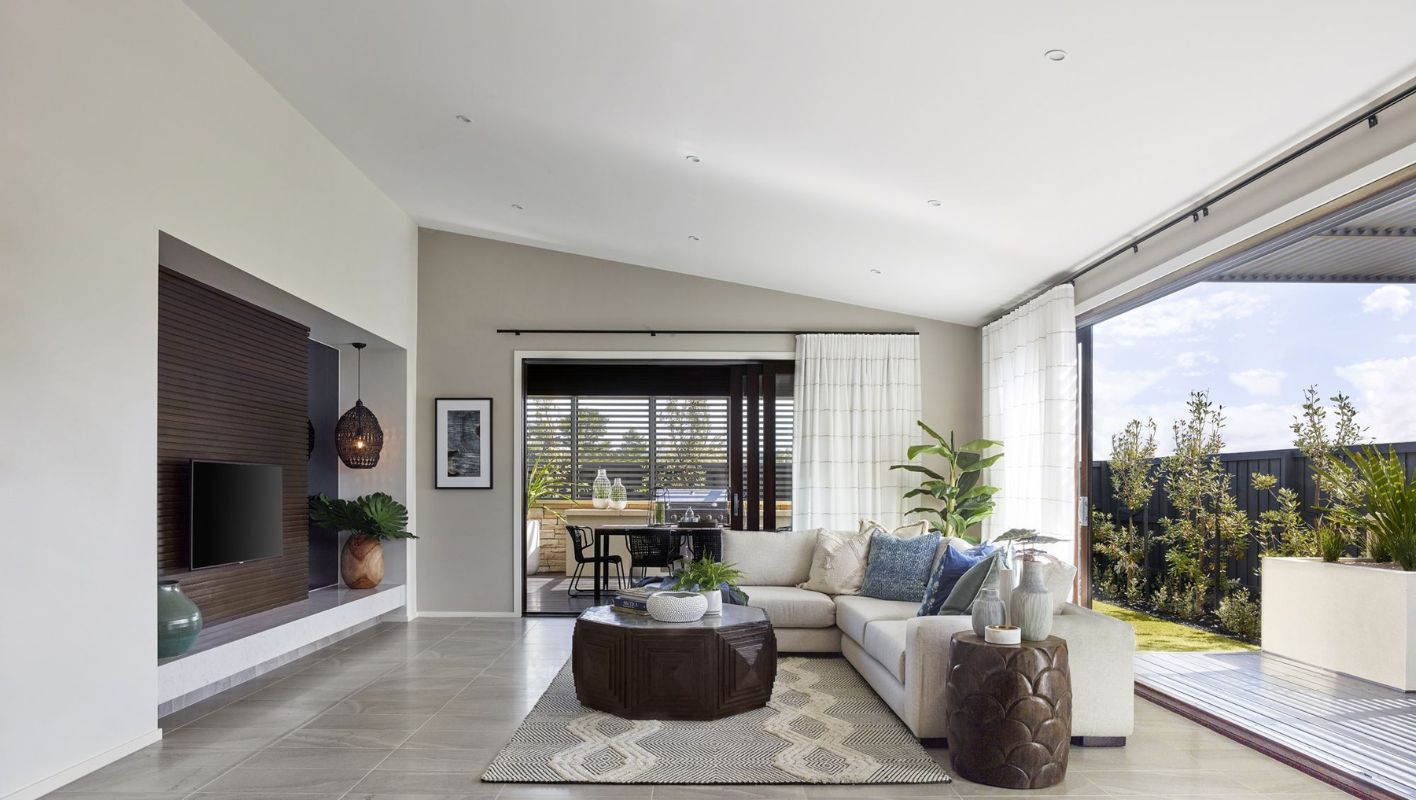
Understanding Raked Ceilings
The first time I experienced a raked ceiling was in a friend’s newly designed home. The sloped design brought in an incredible amount of natural light, making the whole space feel alive and airy. It’s no wonder these ceilings are a popular choice for creating an expansive atmosphere.
Pros and Cons
Advantages:
- Aesthetics: The unique architecture of raked ceilings can add a touch of elegance and interest to any room.
- Space Illusion: Walking under one of these ceilings gives the impression of more space, which I found particularly fascinating.
- Lighting: The ability to enhance natural lighting in a room made every corner feel bright and welcoming.
| Feature | Benefit |
|---|---|
| Aesthetics | Adds visual interest |
| Space | Creates openness |
| Lighting | Improves daylight |
Disadvantages:
- Cost: I learned that such beauty comes at a price—higher construction costs due to additional materials and labor.
- Energy Efficiency: Maintaining the temperature can be tricky because of the increased volume.
Architectural Compatibility
Not all homes can pull off the raked ceiling look effortlessly. I’ve seen contemporary homes where they fit like a glove, enhancing sleek lines and minimalist aesthetics. But traditional homes? They require a more delicate touch to ensure everything stays cohesive.
Example Considerations
- Ceiling Height: If your home has lower ceilings, adding a rake might not achieve the desired effect.
- Style Cohesion: Once, in a classic-style home, I saw how adding traditional beams6 could help integrate a raked ceiling beautifully.
- Energy Efficiency: It’s crucial to think about insulation and ventilation to keep heating or cooling needs in check.
Key Takeaways for Homeowners
Before you dive into adding raked ceilings, ask yourself:
- Home Style: Does your home’s current aesthetic play well with such an addition?
- Budget Constraints: Are you prepared for the potential costs associated with this architectural feature?
- Climate Considerations: How might this change affect your home’s energy consumption?
In conclusion, while raked ceilings can transform certain homes into architectural marvels, careful planning is essential. Reflect on your home’s current style, your climate needs, and consult an experienced architect to explore more about raked ceiling designs7.
Raked ceilings enhance natural light in all home styles.False
Raked ceilings enhance light mainly in contemporary or open-plan homes.
Traditional homes may need design adjustments for raked ceilings.True
Traditional styles might clash unless elements like beams are used.
What Design Styles Complement Raked Ceilings Best?
I remember the first time I looked up at a raked ceiling and felt like I’d stepped into a piece of art. Its sloping angles were captivating. So, what design styles bring out the best in these architectural wonders?
Design styles that beautifully complement raked ceilings include modern minimalism, rustic charm, and industrial chic. These styles not only highlight the unique angles of the ceiling but also provide functional and aesthetic benefits.
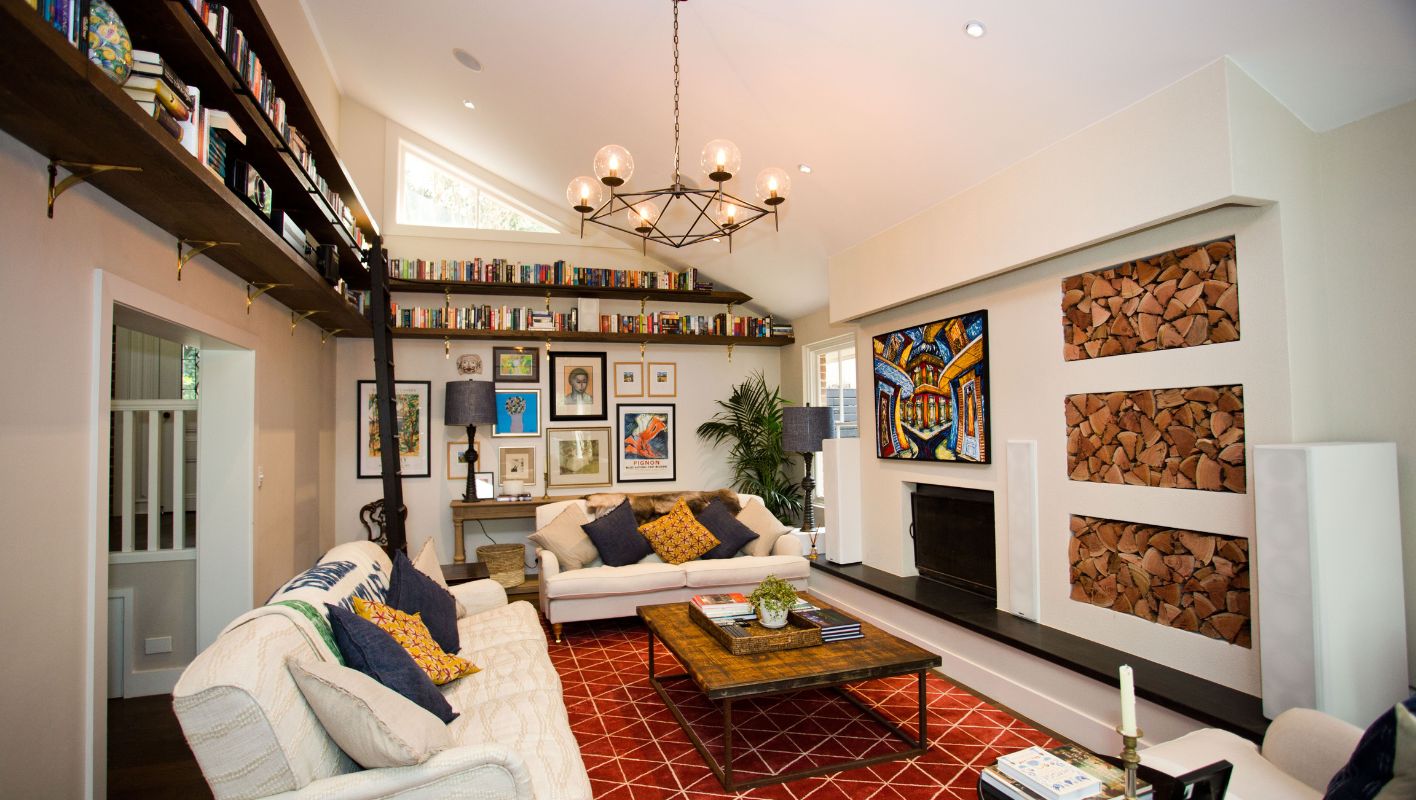
Modern Minimalism
There was this one time when I walked into a room with a raked ceiling and it felt like I had entered a gallery. The clean lines and open spaces of modern minimalism worked their magic, letting the ceiling’s dramatic angles shine. I could almost feel the space breathe easier, with its neutral tones and simple, sleek furniture. It was like standing in an uncluttered dream.
Key Features:
- Neutral tones
- Simple, sleek furniture
- Open floor plans
Modern minimalism doesn’t just accentuate architectural elements8; it also creates an environment so open and airy, it feels as if the walls have expanded.
Rustic Charm
Picture this: a cozy cabin in the woods with a raked ceiling that seems to hug you with warmth. That’s the vibe I get when rustic charm meets those angles. Exposed wooden beams and earthy tones transform the space into a snug retreat. It’s like being wrapped in a comforting blanket of nature.
Key Features:
- Exposed wooden beams
- Earthy color palette
- Natural textures like stone and wood
This style uses the ceiling’s structure9 to foster openness while maintaining a welcoming coziness.
Industrial Chic
I once visited an old warehouse turned loft with a raked ceiling, and it was love at first sight. The raw, edgy feel of industrial chic paired so well with the metal fixtures and concrete floors. It was like being in a space that celebrated both history and modernity.
Key Features:
- Metal accents
- Concrete and brick textures
- Large, open windows
The industrial style doesn’t just enhance the ceiling’s height; it adds layers of visual intrigue10 to the entire room.
| Design Style | Key Features | Benefits |
|---|---|---|
| Modern Minimalism | Neutral tones, sleek furniture | Highlights architecture |
| Rustic Charm | Exposed beams, earthy tones | Creates cozy ambiance |
| Industrial Chic | Metal accents, raw textures | Adds visual intrigue |
Modern minimalism highlights raked ceiling angles.True
Modern minimalism uses clean lines and open spaces, focusing on architecture.
Rustic charm uses bright colors with raked ceilings.False
Rustic charm favors earthy tones and natural textures for warmth.
Conclusion
Raked ceilings enhance natural light and create a spacious feel, combining aesthetic appeal with practical benefits. They require careful design consideration for energy efficiency and architectural compatibility.
-
Explore ways raked ceilings utilize natural light to reduce energy consumption and enhance efficiency. ↩
-
Get tips on optimizing interior designs around the unique structure of raked ceilings. ↩
-
Find out the best practices for insulating raked ceilings to ensure energy efficiency. ↩
-
Discover how raked ceilings influence heating and cooling demands, essential for assessing their energy efficiency. ↩
-
Explore eco-friendly material options for raked ceilings to align with sustainable building practices. ↩
-
Provides insights into blending traditional elements like beams with contemporary raked ceilings. ↩
-
Offers inspiration and practical ideas for integrating raked ceilings into various home designs. ↩
-
Explore how modern minimalism emphasizes architectural elements, providing insights into integrating this style with unique ceiling designs. ↩
-
Learn how exposed beams can complement rustic designs and enhance the overall aesthetic of raked ceilings. ↩
-
Understand how industrial design elements can add depth and character to spaces with high or raked ceilings. ↩






