
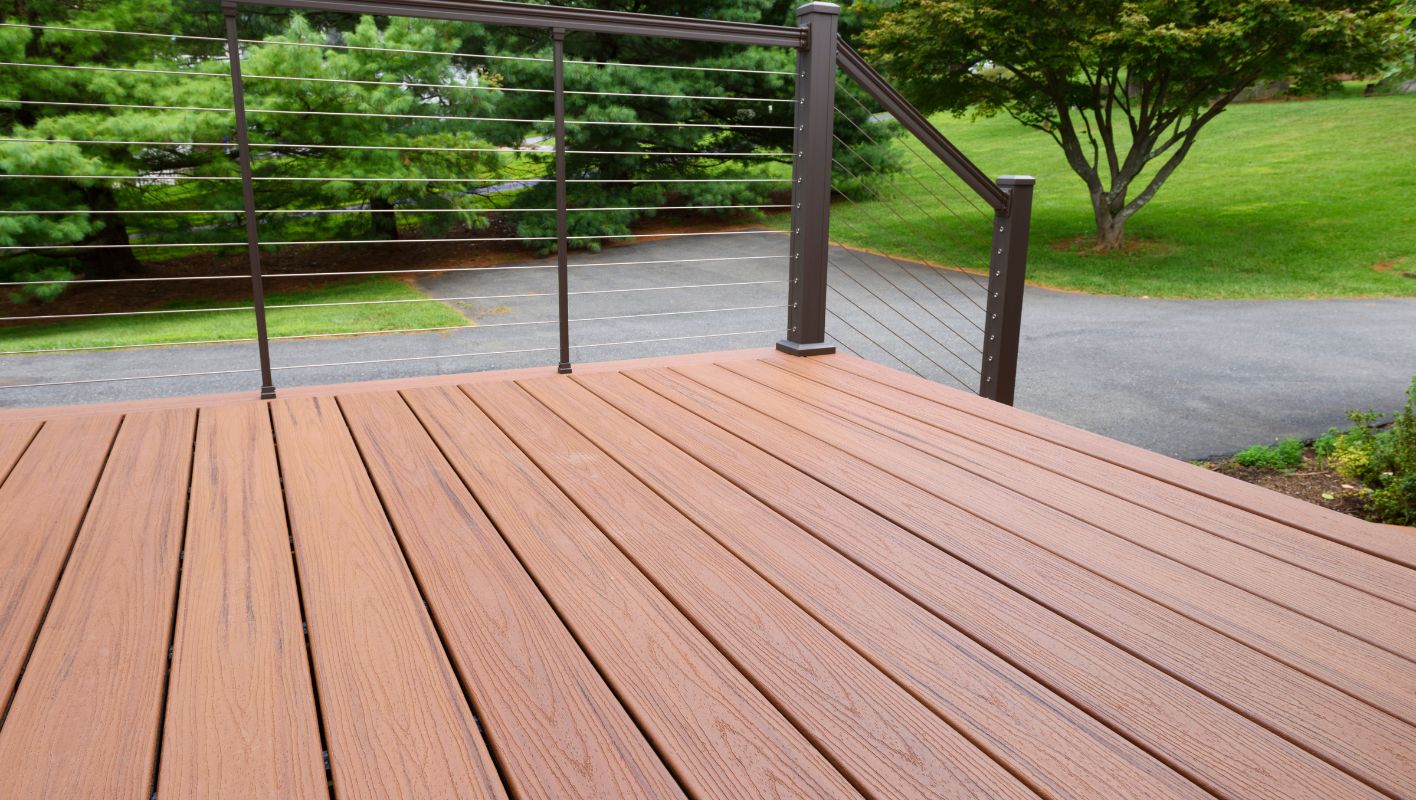
Ever wondered if there’s a deck option that combines beauty, durability, and low maintenance? Let me introduce you to composite decking.
Composite decking offers numerous advantages over traditional wood, including enhanced durability, lower maintenance needs, and improved sustainability. Made from a blend of wood fibers and recycled plastics, composite decking is resistant to rot, warping, and insect damage, making it an ideal choice for long-lasting outdoor spaces.
Remember that time I was standing on my old wooden deck, trying to convince myself that the splinter in my foot was just part of the charm? Yeah, me neither. That experience led me to discover the wonders of composite decking. Not only does it look stunning, but it also saves me from those never-ending weekends of sanding and staining. Plus, knowing it’s eco-friendly gives me a sense of doing right by the planet.
In the next few sections, I’ll share more about why composite decking could be your new best friend. From resisting the horrors of rot and insect damage to cutting down on maintenance efforts, there’s a lot to unpack. So grab a coffee, and let’s explore if this could be the ideal choice for your outdoor oasis.
Composite decking requires less maintenance than wood decking.True
Composite decking is resistant to rot and insect damage, reducing upkeep.
Composite decking is more prone to warping than wood.False
Composite is engineered to resist warping, unlike natural wood.
How Do Composite Decking and Traditional Wood Compare?
When I first embarked on my decking journey, the choice between composite decking and traditional wood felt like a battle between old-school charm and modern convenience.
Composite decking is renowned for its durability, minimal maintenance, and eco-friendly nature, while traditional wood is prized for its timeless beauty and initial cost savings. Your decision hinges on personal taste, budget constraints, and environmental values.
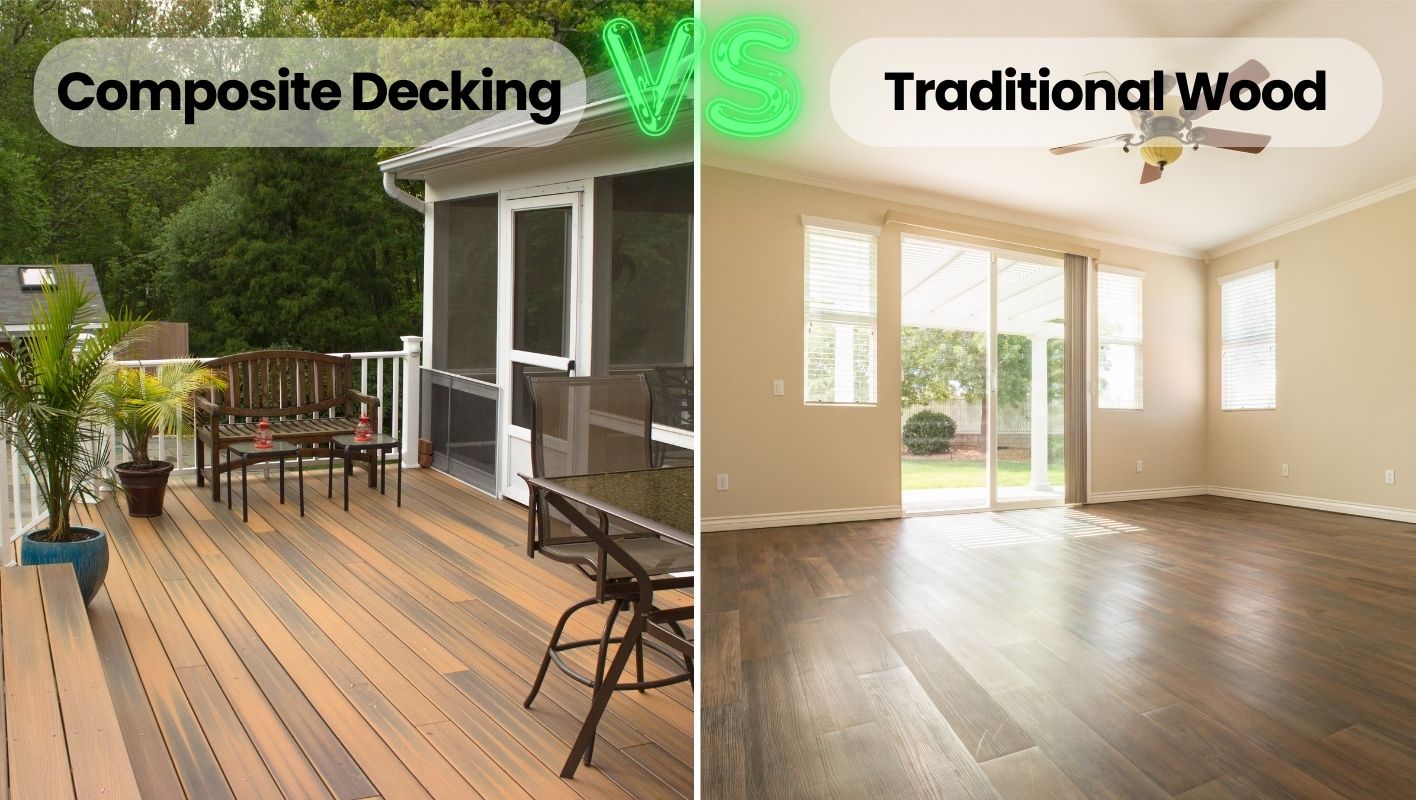
Durability and Maintenance
I remember a time when I had to choose between spending weekends staining my wooden deck or relaxing with a cold drink while my composite deck stayed pristine. Composite decking is incredibly durable and can resist rot, insects, and warping. It’s a low-maintenance1 choice compared to traditional wood, which demands regular care to keep its charm.
| Feature | Composite Decking | Traditional Wood |
|---|---|---|
| Durability | High | Variable |
| Maintenance Needs | Low | High |
If you’re like me and prefer enjoying your deck rather than maintaining it, composite might be your best bet.
Aesthetic Appeal
There’s something magical about the natural grain of traditional wood. I’ve spent hours admiring its unique character. However, composite decking has made huge strides, capturing the look and feel of real wood with diverse options.
Consider viewing samples of both materials in your outdoor space before deciding what resonates with you.
Cost Comparison
Initially, I was drawn to the lower cost of traditional wood. But over time, the expenses add up with maintenance. Composite decking might seem pricey upfront, but it can save money in the long run due to fewer upkeep costs.
While composite decking typically has a higher upfront cost, it saves money in the long term due to lower maintenance expenses. Traditional wood may be cheaper initially but can incur costs due to regular upkeep.
Environmental Impact
As someone who cares about sustainability, I appreciate that composite decking often incorporates recycled materials, making it an eco-friendly2 option. On the other hand, traditional wood involves tree harvesting, which affects forest ecosystems.
| Consideration | Composite Decking | Traditional Wood |
|---|---|---|
| Eco-Friendliness | High | Lower |
For those who prioritize sustainability, this could be a significant factor in your decision-making process. Each material has its merits, so weighing these aspects against your priorities can help you make a choice you’ll be happy with for years to come.
Composite decking is more durable than wood.True
Composite decking resists rot and warping, unlike wood.
Traditional wood requires less maintenance than composite.False
Wood needs regular staining, unlike low-maintenance composite.
Is Composite Decking Really Eco-Friendly?
Have you ever wondered if your deck could be both stylish and kind to the planet? Let’s explore whether composite decking truly lives up to its eco-friendly reputation.
Composite decking is eco-friendly as it utilizes recycled materials, offers long-lasting durability, and demands minimal upkeep. However, assessing production emissions and recyclability is essential for understanding its full environmental impact.
Understanding Composite Decking Materials
I remember the first time I heard about composite decking. A friend had just installed one and couldn’t stop raving about how it was made from recycled wood fibers and plastic bottles—turning trash into something beautiful seemed so futuristic! The materials not only promise durability but also reduce the need for cutting down trees.
| Material | Source | Benefits |
|---|---|---|
| Wood Fibers | Recycled wood waste | Minimizes deforestation |
| Recycled Plastics | Used plastic bottles | Reduces landfill waste |
This table shows the eco-friendly aspects of composite decking materials. By using recycled materials3, it’s clear that this option is trying to tread lightly on our planet.
The Longevity and Maintenance Factor
I always get a bit nostalgic thinking about my parents’ old wooden deck. Sure, it looked great, but every few years, we’d have to sand it down and re-stain it—a labor of love, but oh so time-consuming! Composite decking offers a reprieve from that cycle. It’s resistant to the usual culprits like rot and insects, requiring fewer chemical treatments over time. Less maintenance translates to fewer toxic chemicals leaching into our surroundings—definitely a win!
But there’s a catch: some argue that the energy used in producing these composite materials might offset these benefits. It’s like trying to decide if the trade-off is worth it.
Evaluating Production Emissions
The environmental impact doesn’t stop at raw materials. Producing composite decking involves energy-intensive processes, particularly in manufacturing plastics. Even with efforts to be more efficient, these processes still add to carbon emissions. I often find myself weighing these emissions against traditional wood, wondering which leaves a smaller footprint in the long run.
Recyclability: End-of-Life Considerations
What happens when your deck reaches the end of its life? That’s something I’ve mulled over during many a sunset on my patio. While composite decking starts its journey from recycled materials, not all of it can return to that state. Checking if manufacturers offer recycling programs or if the material can be repurposed is crucial in making an informed choice about recycling options4.
Conclusion: A Balanced Viewpoint
To truly know if composite decking is eco-friendly, we need to weigh the benefits of recycled content and less maintenance against the energy used in production and recyclability at the end of its life. It’s about finding harmony between what’s good for us and what’s good for Mother Earth. And isn’t that what we’re all striving for?
Composite decking reduces deforestation.True
Composite decking uses recycled wood fibers, minimizing the need for virgin wood.
All composite decking is recyclable.False
Not all composite decking can be recycled; it varies by brand and location.
What Are the Maintenance Requirements for Composite Decking?
Composite decking is like a loyal friend; it offers beauty and resilience, but needs a little love to shine. Discover how to keep it looking its best with these easy tips.
To maintain composite decking, I regularly clean it with soapy water and a soft brush, remove debris, and avoid harsh chemicals. I also inspect it annually and address stains promptly to preserve its look and longevity.

Routine Cleaning and Care
My mornings often start with a cup of coffee on the deck, and I’ve learned that keeping it clean makes those moments even sweeter. Composite decks are less demanding than wood, but they still appreciate regular attention. A gentle scrub with mild soapy water and a soft-bristle brush works wonders to clear away dirt and debris. I’ve found that pressure washing can be too harsh, so I steer clear of that. Learn more cleaning tips5.
Seasonal Maintenance
Each season has its quirks, doesn’t it? Springtime might bring mold or mildew, which is why I check my deck for any sneaky spots that need a special cleaner. Summer means more evenings outside, so I make sure to sweep away leaves and debris regularly. Check seasonal care guide6.
Preventing Scratches and Stains
I remember the day I dragged a heavy plant pot across the deck—oops! Lesson learned: composite decking is tough, but not invincible. Now I use furniture pads under heavy items and always clean up spills right away to avoid stains. See a stain prevention guide7.
Maintenance Checklist
| Task | Frequency |
|---|---|
| Sweep Deck | Weekly |
| Wash with Soapy Water | Monthly |
| Check for Mold/Mildew | Quarterly |
| Inspect for Damage | Annually |
Understanding Product Warranties
Most composite decking comes with a warranty, which is great peace of mind. But I’ve learned that understanding what’s covered is crucial. Regular maintenance might be needed to keep that warranty valid. Read the warranty details8 carefully.
Choosing the Right Cleaning Products
Not all cleaning products are deck-friendly. I avoid harsh chemicals like bleach since they can discolor the material. Instead, I opt for cleaners specifically designed for composites. Find suitable products9.
Composite decks need weekly sweeping.True
The maintenance checklist specifies that sweeping should be done weekly.
Bleach is safe for cleaning composite decks.False
The content advises against using bleach as it can discolor the deck.
How Can Composite Decking Elevate My Outdoor Space?
I remember the first time I stepped onto a composite deck at a friend’s barbecue. Instantly, I knew I needed that same transformation for my own backyard.
Composite decking boosts outdoor aesthetics with its wide range of colors, realistic wood-like finishes, and easy upkeep. It offers a sleek, eco-friendly alternative to traditional wood, providing durability and modern appeal.
The Appeal of Color and Texture
When I decided to revamp my outdoor space, the sheer variety of colors10 and textures offered by composite decking was a game-changer. Gone were the days of tedious staining or painting just to get that perfect shade! With composite decking, I could choose from deep hues like espresso or charcoal to light, airy tones such as cedar or pine. This incredible range meant I could seamlessly blend my deck with the existing look of my home and outdoor furniture.
Realistic Wood Grain Finishes
I’ve always loved the look of natural wood, but let’s be honest—the maintenance can be a nightmare. Modern composite decking gives you that gorgeous wood grain finish without the hassle. No more worries about warping, splintering, or endless sealing chores.
| Wood Type | Composite Equivalent |
|---|---|
| Teak | Rustic Brown |
| Mahogany | Espresso |
| Cedar | Natural Amber |
Low-Maintenance Benefits
One of the biggest joys of choosing composite decking was reclaiming my weekends. Instead of being tied down with staining and sealing every few years, all my deck needs is a quick wash with soap and water. It’s amazing how much time this has freed up for enjoying the space rather than maintaining it.
Sustainable Choices
Sustainability is something I care deeply about, so knowing that composite decking often uses recycled materials was a big win for me. It’s great to enhance my outdoor aesthetic while also being kinder to our planet, reducing reliance on new lumber, and minimizing environmental impact. For those concerned about sustainability11, this choice aligns perfectly with eco-conscious values.
Custom Design Possibilities
Finally, the creative possibilities blew me away. With composite decking, I had the freedom to design unique patterns like herringbone or chevron. Mixing board colors allowed me to define different zones in my deck—a cozy dining area here, a relaxing lounge space there—all adding that personal touch that makes a house feel like home.
These features don’t just boost the look of your home; they add real value by creating a welcoming and beautifully cohesive outdoor retreat.
Composite decking requires regular staining.False
Composite decking only needs occasional cleaning, not regular staining.
Composite decking can replicate teak wood appearance.True
Composite decking can mimic teak with options like Rustic Brown.
Conclusion
Composite decking combines beauty, durability, and low maintenance, offering resistance to rot and insects while being eco-friendly. It’s a stylish alternative to traditional wood for outdoor spaces.
-
Discover how composite decking requires minimal upkeep compared to traditional wood, saving you time and effort. ↩
-
Learn about the sustainable materials used in composite decking and how they contribute to environmental conservation. ↩
-
Exploring this link will reveal how recycled materials contribute to sustainability in decking. ↩
-
Discover available recycling options and programs for end-of-life composite decking. ↩
-
Discover effective cleaning strategies tailored for composite decking, ensuring its longevity and pristine appearance. ↩
-
Explore seasonal care tips to keep your composite decking looking its best throughout the year. ↩
-
Learn how to protect your deck from scratches and stains with practical advice. ↩
-
Understand what actions can affect your deck’s warranty to ensure you remain compliant. ↩
-
Identify safe cleaning products that will not harm your composite deck. ↩
-
Discover how color and texture options in composite decking can elevate your outdoor space aesthetics. ↩
-
Explore the environmental advantages of using composite materials for eco-friendly decking solutions. ↩






