
What Are the Different Types of Aluminum Finishes?
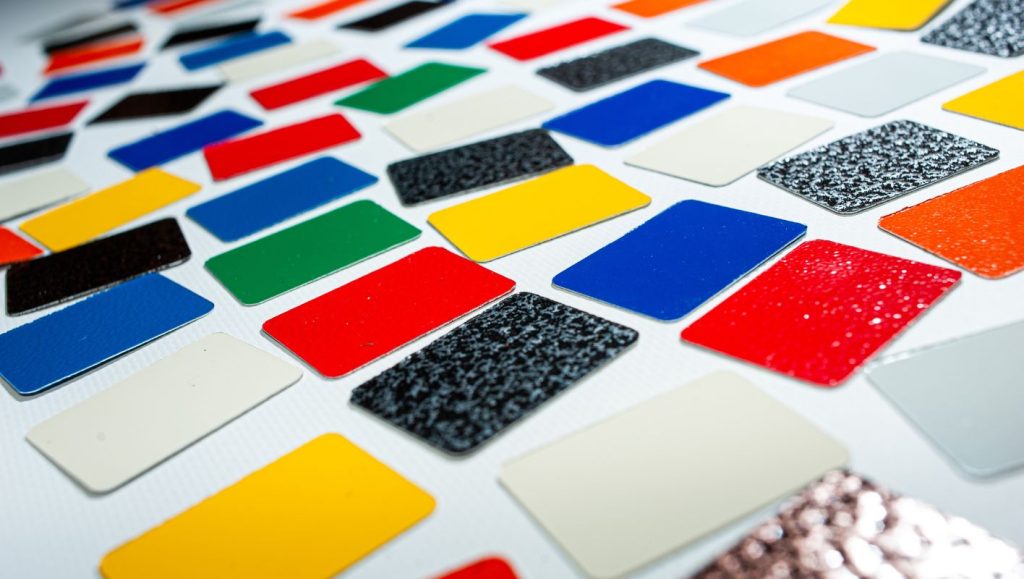
Aluminum finishes play a crucial role in enhancing both the durability and aesthetic appeal of aluminum surfaces. This article explores popular finishing options such as anodizing, powder coating, and mechanical polishing. Anodizing provides a tough, corrosion-resistant layer while allowing for color customization. Powder coating offers a wide range of colors with excellent durability against chipping and scratching. Mechanical polishing enhances the natural shine of aluminum but may sacrifice some protective qualities. Understanding these finishes helps project managers make informed decisions that align with their specific needs regarding style, longevity, and environmental conditions.
Which is Better for Your Project: Anodizing or Powder Coating?
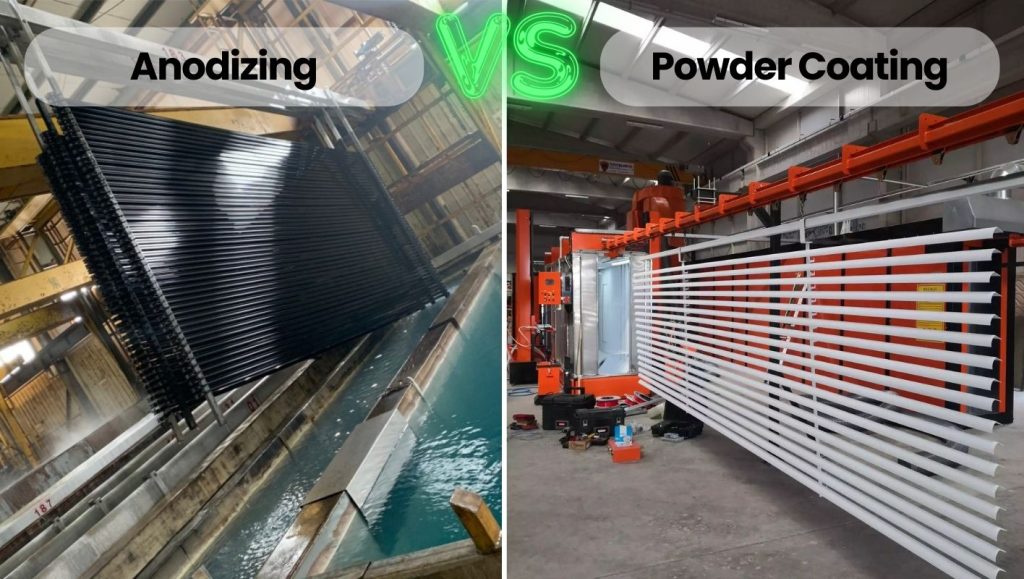
Choosing between anodizing and powder coating can be challenging. Anodizing enhances aluminum’s corrosion resistance and surface hardness, making it ideal for harsh environments. In contrast, powder coating offers a thicker, decorative finish suitable for various metals. Consider your project’s durability, aesthetics, and environmental impact when deciding. Anodized finishes maintain the natural look of metal while providing excellent protection against corrosion. Powder-coated surfaces are vibrant and resilient against chipping and fading. Both methods have distinct advantages tailored to different applications, so weigh your options carefully to ensure the best outcome for your project.
Which Aluminum Alloys are Best for Welding?
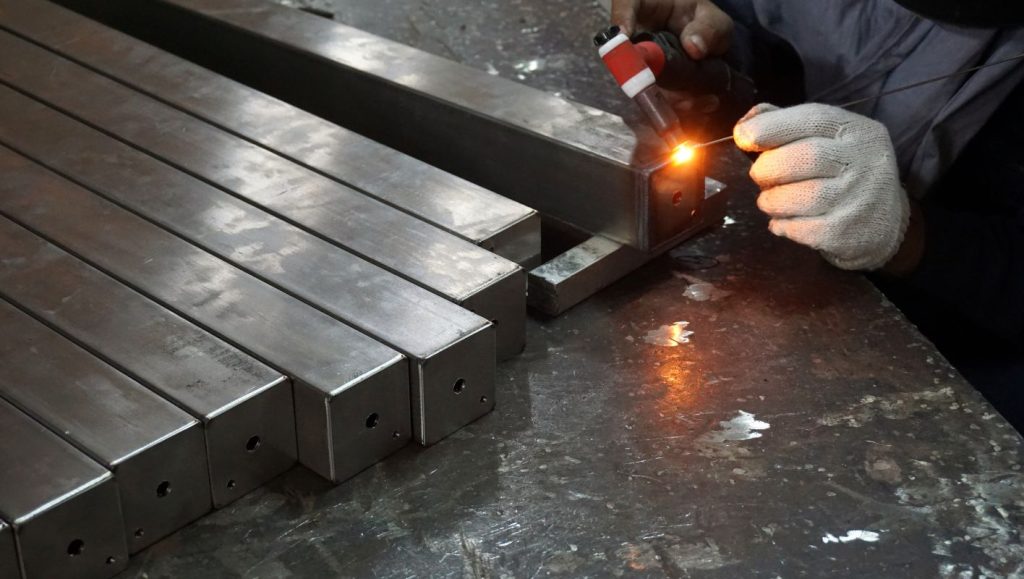
Choosing the right aluminum alloy for welding is crucial for ensuring strong joints in construction and industrial projects. Alloys like 1100, 3003, 4043, 5052, and 5356 are known for their excellent weldability and resistance to cracking. Understanding the properties of these alloys—such as thermal conductivity, melting point, and alloy composition—can significantly impact the quality of your welds. Techniques like TIG welding provide better control over parameters essential for successful outcomes. Recent innovations in welding methods such as friction stir welding and laser welding enhance efficiency and reduce defects. This guide explores the best practices in selecting aluminum alloys tailored to specific applications across industries like aerospace, automotive, and construction.
