
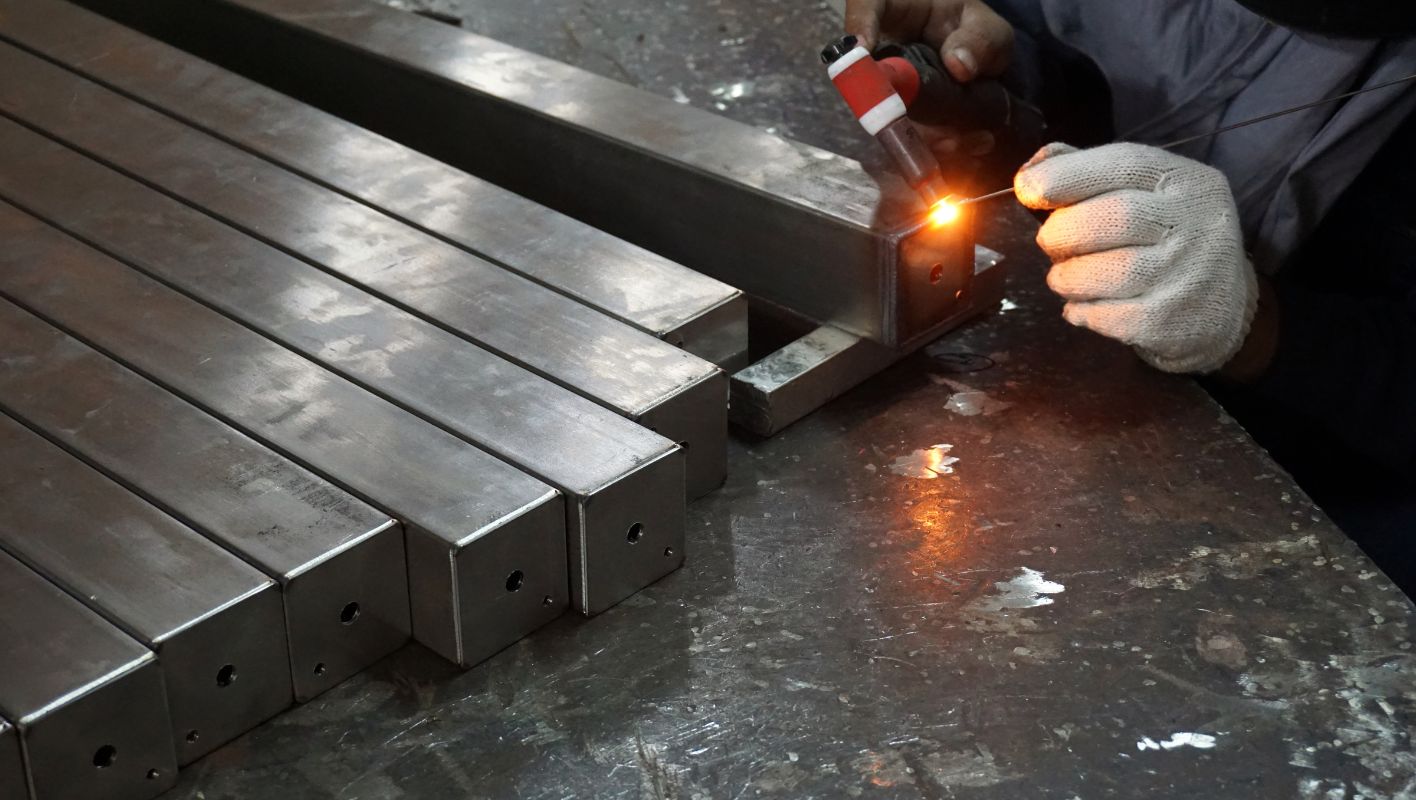
Choosing the right aluminum alloy for welding can be a real game-changer, trust me!
The best aluminum alloys for welding include 1100, 3003, 4043, 5052, and 5356. These alloys are known for their superior weldability and resistance to cracking, making them ideal for construction and industrial applications.
I remember when I first started working on a big construction project and had to choose the right materials. It felt like walking through a maze without a map. But once I learned about these alloys and their unique properties, everything clicked into place. Let’s explore why these specific alloys are so effective and how you can select the best one for your project, ensuring everything fits together just perfectly.
Aluminum alloy 1100 is best for welding.True
Aluminum 1100 is known for its excellent weldability and ductility.
Alloy 6061 is ideal for welding applications.False
Alloy 6061 has lower weldability due to its heat-treatable nature.
What Are the Key Properties of Weldable Aluminum Alloys?
Have you ever wondered why some aluminum alloys are easier to weld than others?
Weldable aluminum alloys, like those in the 5XXX and 6XXX series, are known for their excellent corrosion resistance and strength. Their key properties—thermal conductivity, melting point, and alloy composition—are crucial in determining weld quality and performance.
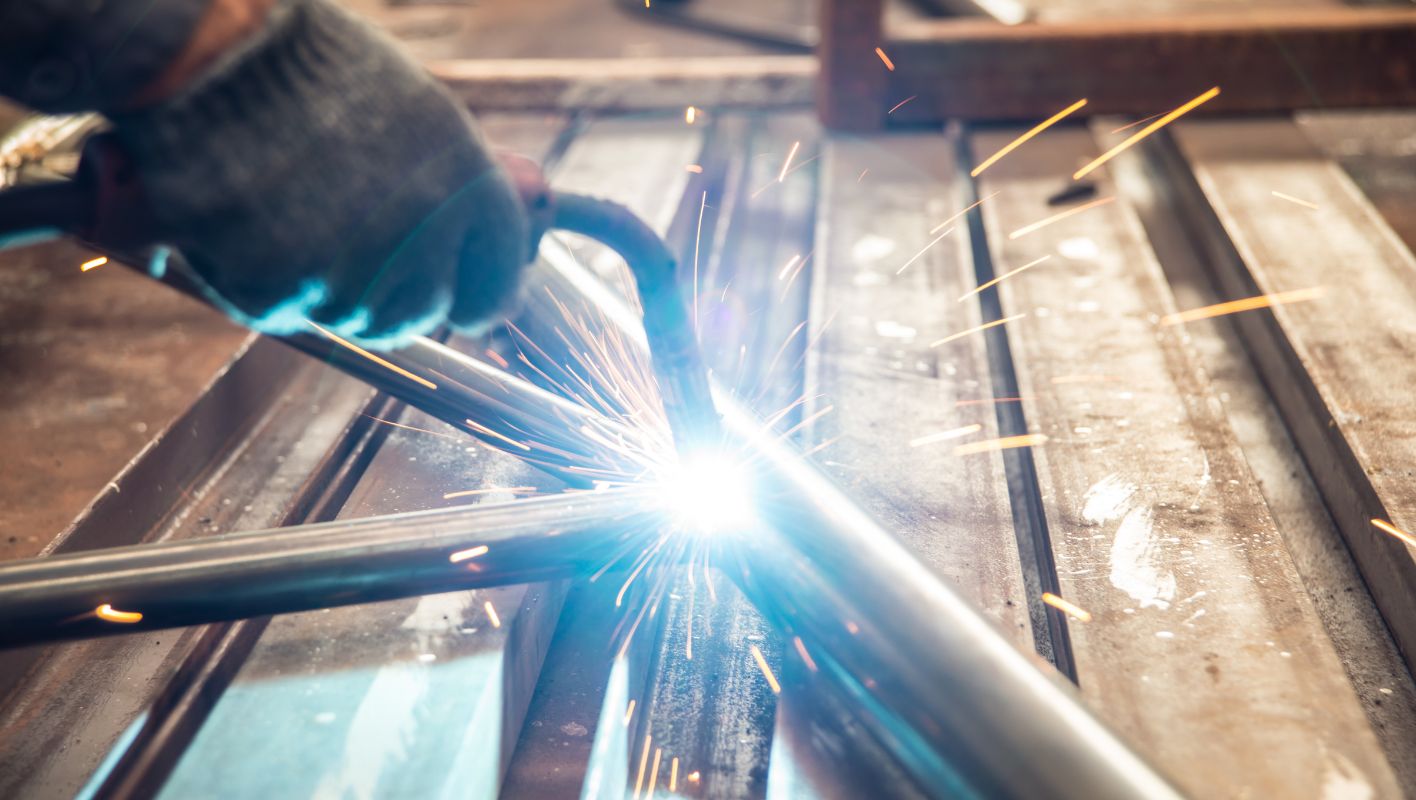
I remember when I first got my hands on aluminum alloys at the shop. It was like trying to bake a cake with different flour types—each batch behaved differently under heat. As I dived deeper into this world, I realized understanding the specific properties of weldable aluminum alloys, especially those in the 5XXX and 6XXX series, was essential.
Thermal Conductivity
One time, while working on a project, I learned firsthand how aluminum’s high thermal conductivity1 can be both a friend and foe. It reminded me of trying to keep a cold drink cool on a hot day—it just wants to spread out! In welding, this means you’ve got to keep a keen eye on heat management to avoid unwanted warping.
Melting Point
I remember being surprised by how quickly aluminum melts compared to other metals. This lower melting point can speed up processes—like that time-saving recipe for your favorite dish. But watch out! You need to control the heat precisely, or you might end up with an overcooked piece.
Alloy Composition
Diving into the composition of an alloy is like unlocking a treasure chest of properties. The 5XXX series, with its magnesium content, offers great corrosion resistance2, perfect for those seaside projects. Meanwhile, the 6XXX series balances strength and weldability with its mix of silicon and magnesium.
| Alloy Series | Primary Elements | Properties |
|---|---|---|
| 1XXX | Pure Aluminum | High ductility, low strength |
| 2XXX | Copper | High strength, low weldability |
| 5XXX | Magnesium | Good corrosion resistance |
| 6XXX | Silicon & Magnesium | Good strength and weldability |
Sensitivity to Cracking
I’ve had my fair share of cracked welds, especially when working with 2XXX series alloys. It’s almost like dealing with a stubborn zipper that just won’t budge. On the flip side, the 5XXX series is more forgiving, reducing the risk of hot cracking.
Mechanical Properties Post-Welding
One critical lesson I learned was how welding can alter an alloy’s mechanical properties. Sometimes, it’s necessary to give it a little post-weld TLC with heat treatment to bring back its original strength and ductility.
By understanding these key properties, you can make more informed decisions in selecting and applying weldable aluminum alloys for construction and manufacturing projects. If you’re keen to learn more about this fascinating process, check out our resources on aluminum welding techniques3.
Aluminum's high thermal conductivity aids in welding.False
High thermal conductivity requires careful heat management, not aiding.
5XXX series alloys are suitable for marine environments.True
5XXX series contain magnesium, enhancing corrosion resistance for marine use.
How Can I Overcome Common Welding Challenges with Aluminum Alloys?
Welding aluminum can feel like taming a wild beast—tricky but rewarding with the right approach. Let’s dive into making those welds flawless.
To avoid common welding issues with aluminum alloys, I make sure to clean meticulously, select the right filler, fine-tune my welding settings, and manage heat input carefully to sidestep cracks and porosity.
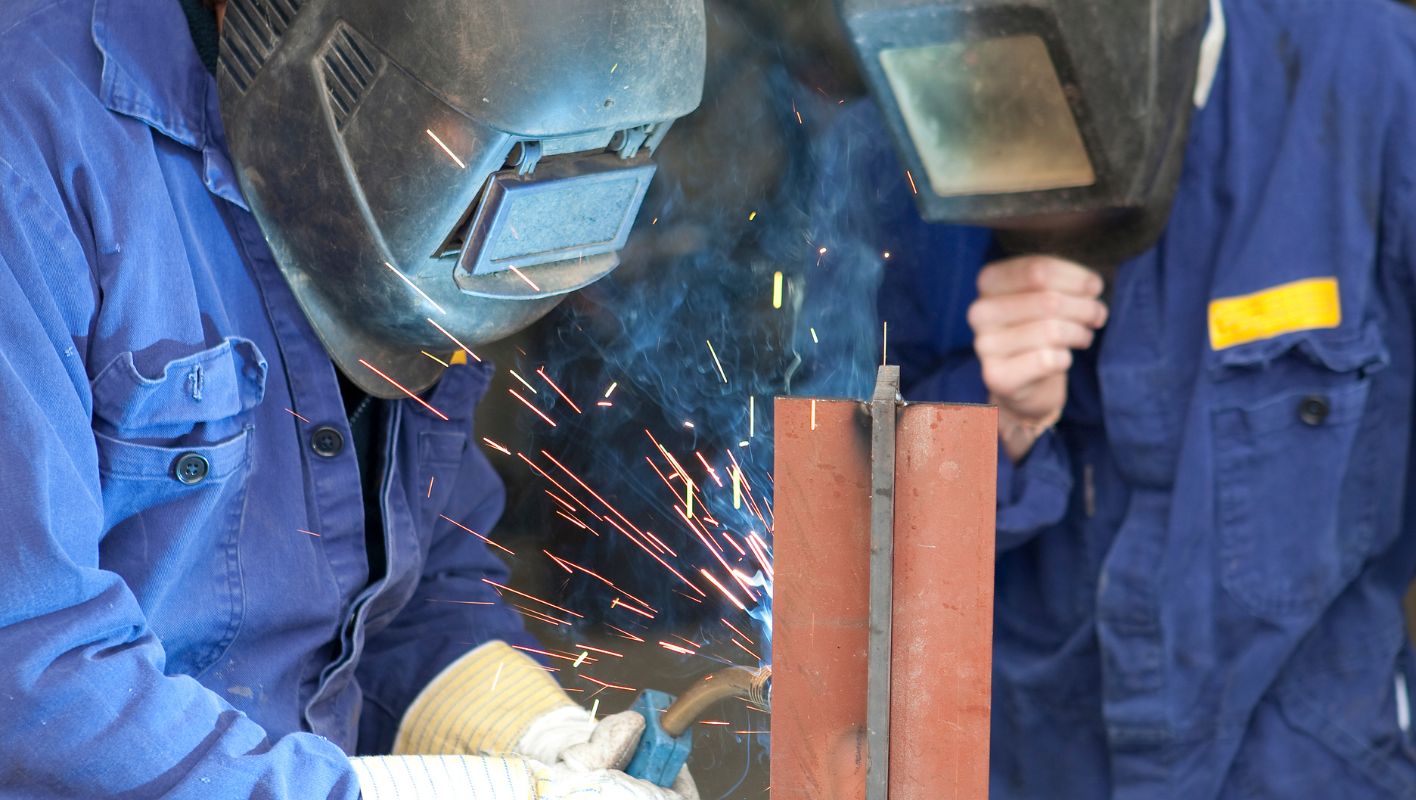
Understanding Aluminum’s Unique Properties
I remember the first time I worked with aluminum alloys—it was both exciting and daunting. Their lightweight and corrosion-resistant nature drew me in, but I quickly learned that their high thermal conductivity and oxide formation could be formidable foes. Thorough cleaning is non-negotiable. Those pesky oxide layers can sabotage a good weld, so I’ve adopted specific techniques4 to keep things spotless.
Choosing the Right Filler Material
Picking the right filler material is like choosing the perfect partner for a dance. I’ve found that 4043 or 5356 fillers often complement the alloy beautifully. A mismatch, though, can result in a lackluster performance, manifesting as cracking or weak joints.
| Alloy Type | Recommended Filler |
|---|---|
| 6000 Series | 4043, 5356 |
| 5000 Series | 5356 |
Setting Correct Welding Parameters
Precision is key when welding aluminum. I’ve learned that getting the current, voltage, and travel speed just right is crucial. TIG welding has become my go-to for its superior control over these variables, especially for precision work5. It’s like painting with a fine brush rather than a broad stroke.
Managing Heat Input
Controlling heat input is my secret weapon against warping and distortion. Techniques like pulsing the current in TIG welding help me wield heat with finesse. A little preheating can also go a long way in minimizing thermal gradients and avoiding cracking.
Overcoming Porosity Issues
Porosity can ruin an otherwise perfect weld. To combat this, I ensure every surface is impeccably clean, use high-quality shielding gases like argon, and keep my equipment in top shape.
Utilizing Advanced Techniques
When facing challenging projects, I’ve turned to advanced methods like friction stir welding6. This technique is a game-changer for joining thicker sections without the usual headaches of traditional methods.
Incorporating these strategies has transformed my aluminum welding results, reducing defects significantly. By focusing on preparation and technique refinement, each project becomes not just a task but a testament to quality and craftsmanship.
Aluminum alloys have high thermal conductivity.True
Aluminum's high thermal conductivity requires precise welding parameters.
MIG welding is preferred over TIG for aluminum.False
TIG welding offers better control for precision work with aluminum.
How Do Specific Aluminum Alloys Enhance Industry Applications?
Ever wondered how something as common as aluminum can be such a game-changer across industries? Join me as I delve into the fascinating world of aluminum alloys and their transformative impact on aerospace, automotive, and construction.
Certain aluminum alloys, with their unique attributes like strength, corrosion resistance, and lightness, are pivotal in applications across aerospace, automotive, and construction industries. These tailored solutions enhance performance, efficiency, and sustainability.
Aerospace Applications
When I think about the marvels of modern aviation, aluminum alloys immediately come to mind. I remember the first time I toured an aircraft manufacturing plant—there was this palpable excitement in seeing raw materials transform into parts that defy gravity. In aerospace, alloys like 7075 and 2024 are the unsung heroes. They offer the lightweight yet incredibly strong structures7 that planes need to soar through the sky. These alloys handle the relentless fatigue and stress of flight without breaking a sweat, ensuring that every journey is safe and efficient.
Automotive Uses
My fascination with cars isn’t just about the thrill of speed; it’s about the innovation under the hood. During a project visit to an automotive plant, I was struck by how aluminum alloys like 6061 and 5083 were being used. These alloys not only resist corrosion like champs8 but are also a dream to machine into complex shapes. They play a crucial role in crafting lighter vehicle frames and engine blocks, significantly boosting fuel efficiency and cutting down emissions—an essential step towards greener driving.
Construction Benefits
In the world of construction, where I’ve spent much of my career, aluminum alloys bring both beauty and brawn to the table. I’ll never forget working on a skyscraper project where we chose 6063 alloy for its perfect blend of durability and aesthetic appeal. It allowed us to create stunning architectural designs that weren’t just pretty to look at but also stood the test of time. These alloys are indispensable in cladding and structural elements, offering flexibility in design without compromising on strength.
| Alloy | Industry | Key Properties |
|---|---|---|
| 7075 | Aerospace | High strength, fatigue resistance |
| 6061 | Automotive | Corrosion resistance, machinability |
| 6063 | Construction | Durability, aesthetic appeal |
Understanding these specific properties can make all the difference in selecting the right material for your project. Whether you’re looking to enhance durability or design flexibility, these alloys have something to offer. Dive deeper into researching further9 their unique attributes and see how they can elevate your industry projects.
7075 aluminum is used in automotive frames.False
7075 aluminum is primarily used in aerospace, not automotive.
6063 aluminum is favored for construction cladding.True
6063 aluminum's durability and aesthetic appeal make it ideal for cladding.
What Are the Latest Advances in Aluminum Welding Techniques?
Ever wondered how aluminum welding is being transformed by the latest innovations? Let me walk you through the cutting-edge techniques that are reshaping industries and boosting project quality.
Recent advances in aluminum welding techniques include friction stir welding, laser welding, and hybrid methods. These innovations enhance weld quality, minimize defects, and improve efficiency.
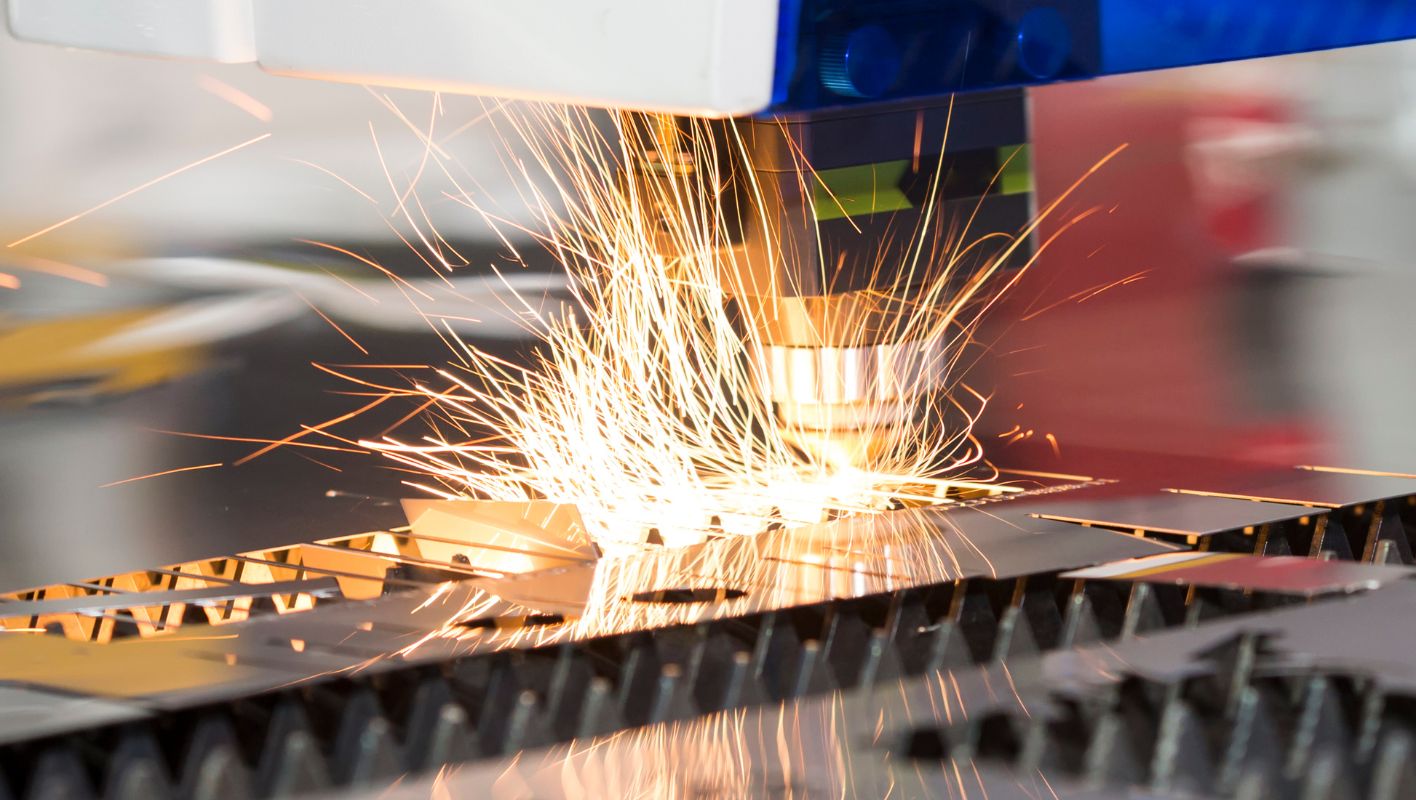
When I first got into the world of metal profiles, aluminum welding seemed like a complex dance of heat and precision. I remember the first time I watched friction stir welding in action—it was like witnessing a well-orchestrated ballet of machinery.
Friction Stir Welding (FSW)
Friction stir welding blew my mind with its ability to join metals using just a non-consumable tool that generates heat through friction. It’s a game-changer for high-strength welds because it doesn’t melt the base material. I’ve seen industries like aerospace and automotive embrace FSW for its robust benefits.
- Advantages:
- Reduced distortion and shrinkage
- Lower defect rates
- Enhanced mechanical properties
For those curious about how friction stir welding applications10 are expanding, it’s worth diving deeper.
Laser Welding Techniques
Then there’s laser welding—a technique that’s all about precision and speed. It’s ideal for those intricate jobs with thin aluminum sheets where every detail matters. Watching the laser beam at work reminded me of a sci-fi movie with its high energy density allowing deep penetration without excessive heat.
- Key Benefits:
- High-speed processing
- Minimal thermal distortion
- Capability to weld complex shapes
Discover how laser technology in aluminum11 is transforming manufacturing processes.
Hybrid Welding Methods
Hybrid methods take the best of both worlds by combining different welding processes. The innovation here is incredible—like hybrid laser arc welding (HLAW), which blends laser and arc welding for speed and flexibility. It’s like having your cake and eating it too!
- Notable Features:
- Improved penetration
- Better gap bridging capability
- Higher productivity rates
Check out hybrid welding developments12 for more insights into this versatile approach.
Advanced Welding Equipment and Technologies
Of course, none of this would be possible without the latest equipment. Integrating robotics and automation into welding has been a revelation, reducing human error while enhancing precision. I’ve always been fascinated by how software solutions now provide real-time monitoring to ensure consistent quality.
- Technological Innovations:
- Automated systems for repeatability
- Real-time data analytics
- Advanced sensors for quality control
Explore the automation trends in welding13 to see how technology is stepping up our game.
Table: Comparison of Welding Techniques
| Technique | Key Feature | Application Areas |
|---|---|---|
| Friction Stir Welding | Solid-state joining | Aerospace, Automotive |
| Laser Welding | High precision | Electronics, Thin Components |
| Hybrid Welding | Combines multiple methods | Marine, Construction |
nStaying informed about these innovations is key as they continue to shape the future of aluminum welding across various sectors. By embracing these advances, professionals can enhance their project’s quality and efficiency while staying competitive in their fields.
Friction stir welding melts the base material.False
Friction stir welding joins metals without melting them.
Laser welding is ideal for thin aluminum sheets.True
Laser welding offers precision and minimal heat input, perfect for thin sheets.
Conclusion
The best aluminum alloys for welding, including 1100, 3003, and 5052, offer superior weldability and corrosion resistance, making them ideal for construction and industrial applications.
-
Discover how thermal conductivity affects welding outcomes for aluminum. ↩
-
Learn why 5XXX series alloys excel in resisting corrosion. ↩
-
Gain practical tips and strategies for successful aluminum welding. ↩
-
Explore effective cleaning techniques to ensure oxide layers are thoroughly removed before welding aluminum. ↩
-
Learn about optimal TIG welding settings for aluminum to achieve precise and high-quality welds. ↩
-
Discover how friction stir welding offers superior quality joints with fewer defects for aluminum alloys. ↩
-
Explore why aluminum alloys are essential in aerospace for lightweight and strong aircraft structures. ↩
-
Discover which aluminum alloys offer superior corrosion resistance, making them ideal for automotive applications. ↩
-
Research various aluminum alloy properties to better understand their application-specific benefits. ↩
-
Discover how friction stir welding is used in various industries to enhance joint strength. ↩
-
Explore how laser technology is improving precision in aluminum welding. ↩
-
Gain insights into hybrid welding methods that combine different techniques for better results. ↩
-
Learn about the latest trends in automation that are transforming welding efficiency. ↩






