
Which is Better: Copper or Aluminum Heatsinks?
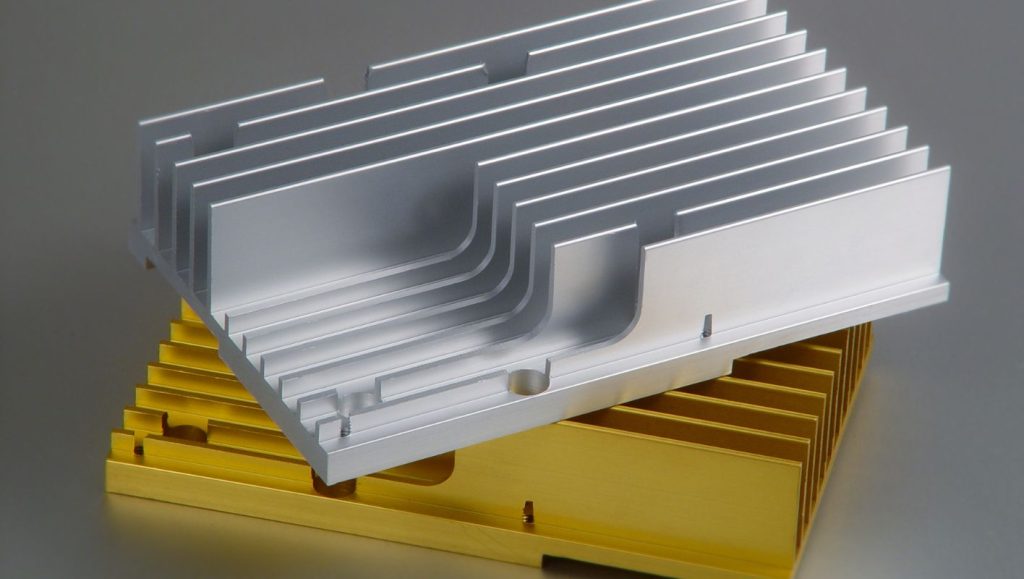
When choosing between copper and aluminum heatsinks, consider their unique properties. Copper offers superior thermal conductivity (400 W/mK) but comes at a higher cost and weight. Aluminum, on the other hand, is lighter (2.70 g/cm³), more economical, and environmentally friendly due to its high recyclability and lower energy requirements for production. This makes aluminum a popular choice in industries where budget constraints or weight considerations are critical. Understanding these materials’ thermal performance can help you make informed decisions based on your specific application needs—whether it’s for high-performance electronics or lightweight aerospace components.
What is the Cost of Aluminum Extrusion?
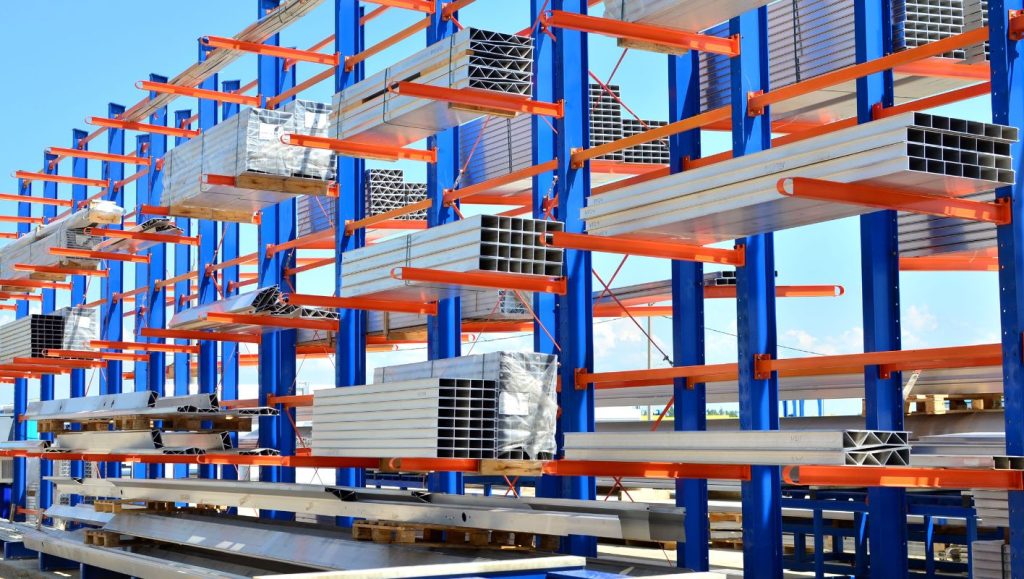
Navigating the costs of aluminum extrusion involves understanding die expenses, material charges, and processing fees. These costs fluctuate based on design complexity, production volume, and specific project needs. Key components include die costs influenced by design intricacy and material choice, which significantly impact overall pricing. Additionally, raw aluminum prices account for a substantial portion of total expenses, making market dynamics crucial to budget management. Strategies such as long-term contracts and recycling initiatives can mitigate price fluctuations. Embracing advanced manufacturing techniques enhances efficiency while sustainable practices align with eco-friendly goals. Ultimately, informed decision-making in material selection and supplier collaboration leads to cost-effective outcomes in aluminum extrusion projects.
What is T-Slot Aluminum Framing?
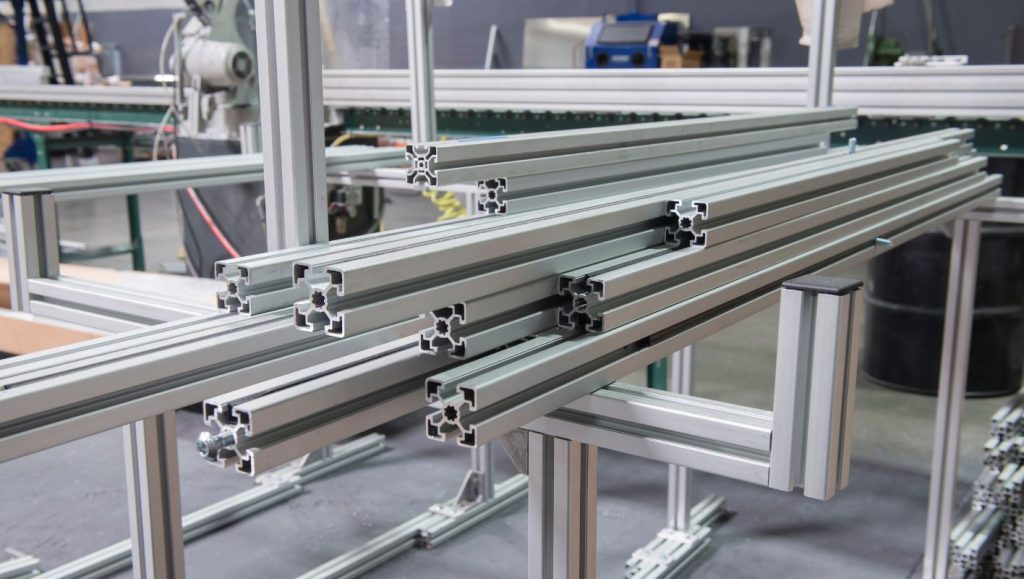
T-Slot aluminum framing revolutionizes industrial design with its modularity and ease of assembly. This adaptable system eliminates the need for welding, enabling quick adjustments to meet evolving project requirements. Its lightweight yet durable profiles cater to diverse applications across industries such as automotive and aerospace. The ability to customize with various accessories enhances stability and functionality while promoting sustainability through recyclability. T-slot systems are user-friendly, requiring only basic tools for assembly, making them perfect for both professional projects and DIY endeavors. Discover how T-slot aluminum can streamline your manufacturing processes while supporting innovation and environmental responsibility.
What is Aluminum Die Casting?
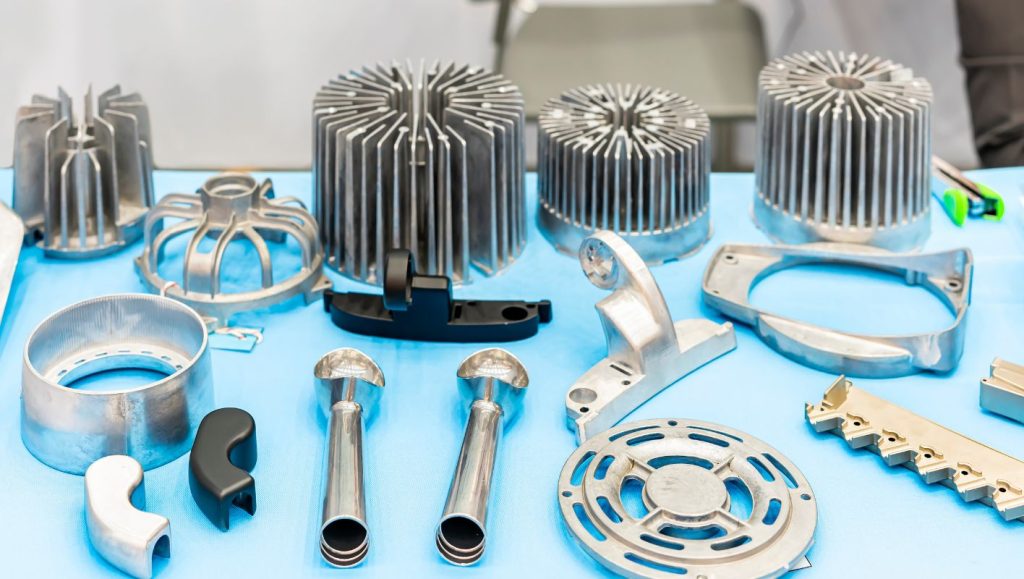
Aluminum die casting is a manufacturing technique where molten aluminum is injected into steel molds under high pressure to produce intricate parts. This method is widely used in industries such as automotive, aerospace, and telecommunications due to its ability to create lightweight yet strong components efficiently. The process allows for high precision and rapid production, making it ideal for mass manufacturing. While there are considerations like tooling costs and material selection, the advantages of aluminum die casting—such as reduced weight, enhanced durability, and excellent thermal conductivity—make it a preferred choice for many applications. Understanding this process can unlock opportunities across various sectors by delivering quality products with tight tolerances.
What is 2024 Grade Aluminium?
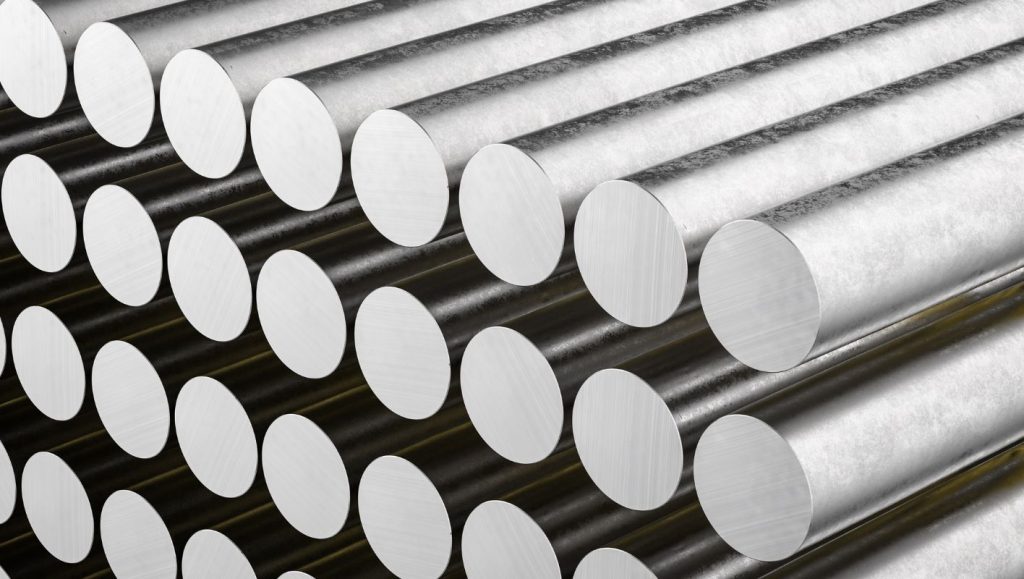
2024 grade aluminum is highly regarded in the aerospace industry for its exceptional strength-to-weight ratio and fatigue resistance. With a tensile strength of approximately 470 MPa, it excels in demanding applications such as aircraft fuselage and wings. While its machinability makes it easy to work with, 2024 aluminum does have limitations, including lower corrosion resistance compared to other alloys like 6061 or 7075. This necessitates protective treatments like anodizing to enhance durability in harsh environments. Understanding these properties helps engineers and procurement professionals make informed decisions when selecting materials for critical structures that must withstand significant stress over time.
