
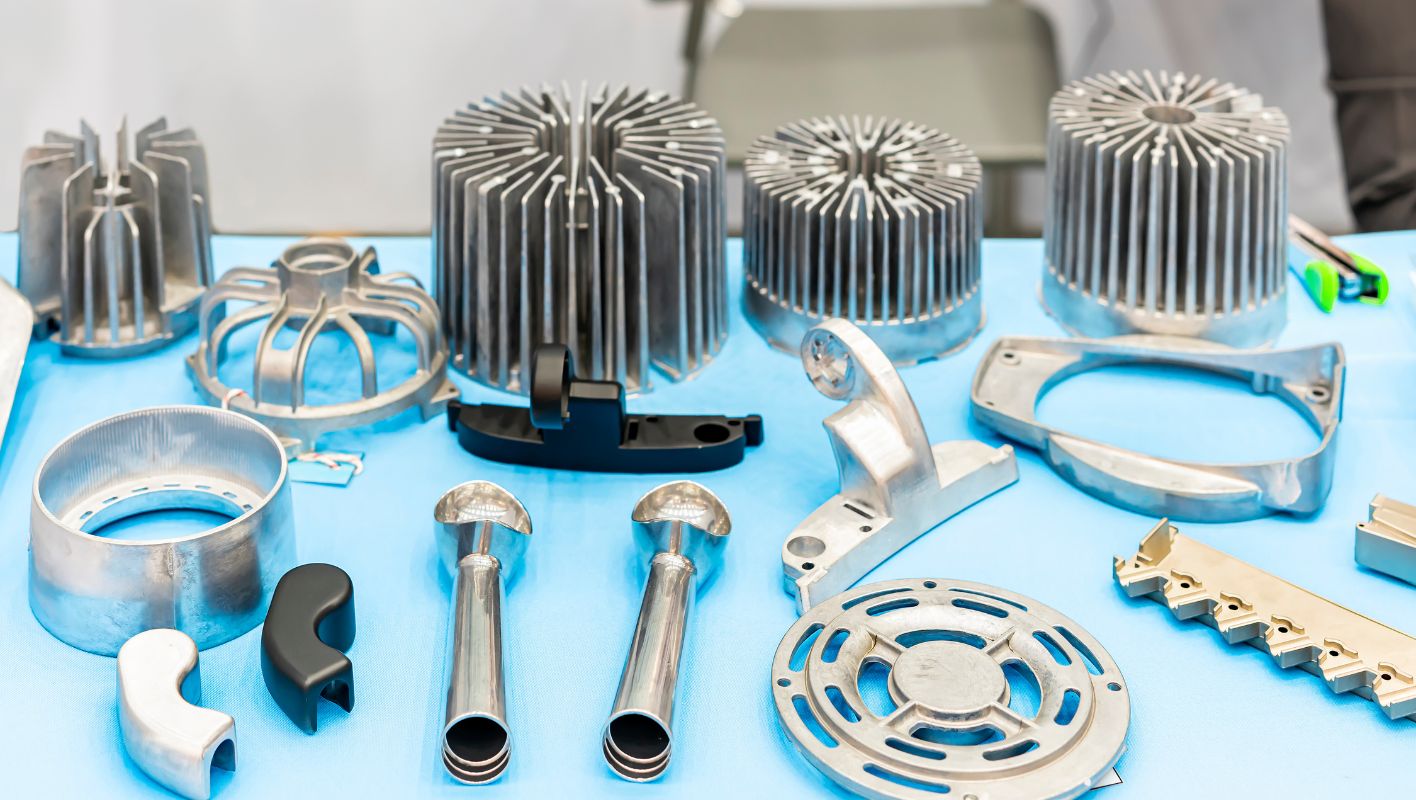
Imagine walking through a bustling factory where aluminum parts are crafted with precision and speed.
Aluminum die casting involves pouring molten aluminum into a steel mold at high pressure to create intricate and accurate metal parts. This process is a cornerstone in industries like automotive, aerospace, and telecommunications, thanks to its ability to produce lightweight yet strong components efficiently.
My first encounter with aluminum die casting was eye-opening. I remember standing on the factory floor, mesmerized by the seamless ballet of machines and molten metal. The way aluminum transformed into detailed parts before my eyes was nothing short of magical. But beyond the spectacle lies a world of technicalities. Understanding its benefits—like enhanced strength and reduced weight—can open up countless opportunities in various sectors. Whether you’re venturing into this realm for the first time or refining your expertise, diving deeper into the specifics of aluminum die casting reveals its unmatched potential in modern manufacturing.
Aluminum die casting is used in the aerospace industry.True
Aluminum's lightweight and strength make it ideal for aerospace components.
Die casting uses low pressure to form metal parts.False
Die casting employs high pressure to inject molten metal into molds.
What is the Aluminum Die Casting Process?
Ever wondered how the tiny parts in your car or plane are made with such precision? Let me take you on a journey into the fascinating world of aluminum die casting.
Aluminum die casting is a process where molten aluminum is injected into a mold under high pressure, allowing for the creation of detailed and durable components with excellent surface finishes and precise dimensions.
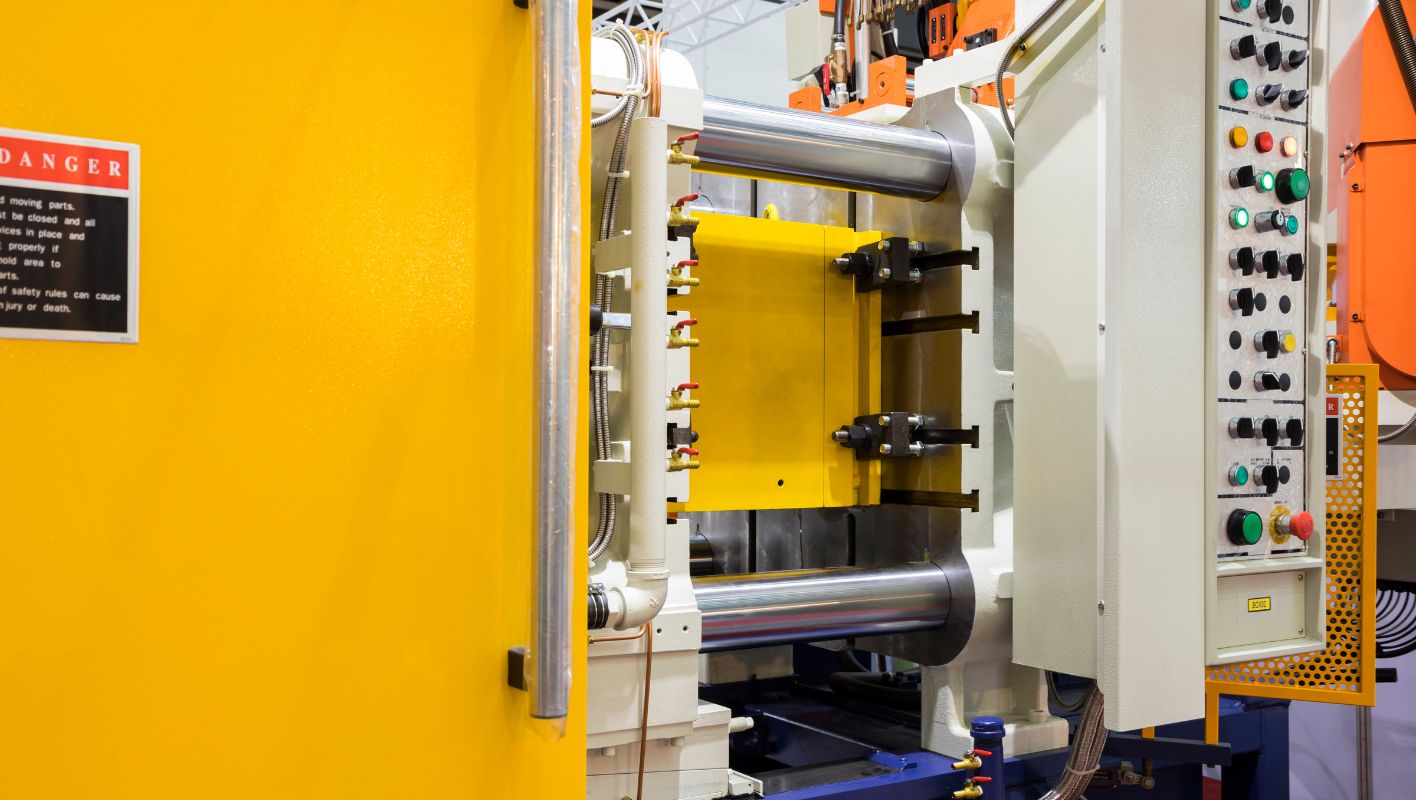
The Basics of Aluminum Die Casting
I remember the first time I walked into a die casting facility. It felt like stepping into a realm where art met science. The heart of this process lies in creating a mold, or a die, from hardened steel. Imagine two halves coming together to form the exact shape of what you need. Once these molds are prepped, they’re placed in a die casting machine1.
Picture this: molten aluminum, hotter than a summer day in Spain, being forced into the cavity by a high-pressure plunger. It cools almost instantly, solidifying into the part’s shape. Watching the die open to reveal a perfectly formed piece never fails to amaze me, and this cycle repeats, making it perfect for mass production.
Advantages of Aluminum Die Casting
- High Precision: I once worked on a project for an automotive firm where precision was paramount. The ability to craft intricate shapes with tight tolerances is crucial in industries like automotive and aerospace.
- Efficient Production: Time is money, right? With die casting, you can churn out large volumes swiftly, making it far more efficient than other methods I’ve encountered.
- Material Strength: Aluminum castings are remarkably light yet strong. They’re perfect for high-performance applications where every gram counts.
| Feature | Benefit |
|---|---|
| Complex Geometry | Allows intricate designs |
| High Strength | Durable and resilient parts |
| Fast Production | Reduces lead time |
Considerations in Die Casting
Of course, it’s not all sunshine and rainbows. There are factors to consider:
- Tooling Costs: I learned early on that creating the initial die can be quite costly. However, when you’re cranking out thousands of parts, those costs spread out nicely over time.
- Material Choice: Picking the right aluminum alloy is like choosing the right wine for dinner; it can make or break your project.
Applications of Aluminum Die Casting
Throughout my career, I’ve seen aluminum die casting used in some incredible ways:
- Automotive: From engine components to transmission cases and structural parts, it’s everywhere.
- Aerospace: Here, lightweight yet durable parts are non-negotiable.
- Industrial Machinery: It’s used for robust, precision components that keep industries running smoothly.
If you’re intrigued and want to dive deeper into the world of die casting, I’d recommend checking out aluminum die casting manufacturers2. It’s a great way to see what’s possible and how different capabilities can meet your needs.
Aluminum die casting uses hardened steel molds.True
Hardened steel molds are used to create the die for aluminum casting.
Die casting is inefficient for large volume production.False
Die casting is efficient, allowing rapid production of large volumes.
What Are the Benefits of Aluminum Die Casting?
Have you ever wondered how some industries achieve both efficiency and excellence in their products?
Aluminum die casting offers high precision, lightweight products, excellent thermal conductivity, and cost efficiency, making it ideal for producing complex shapes with tight tolerances in industries like automotive and aerospace.
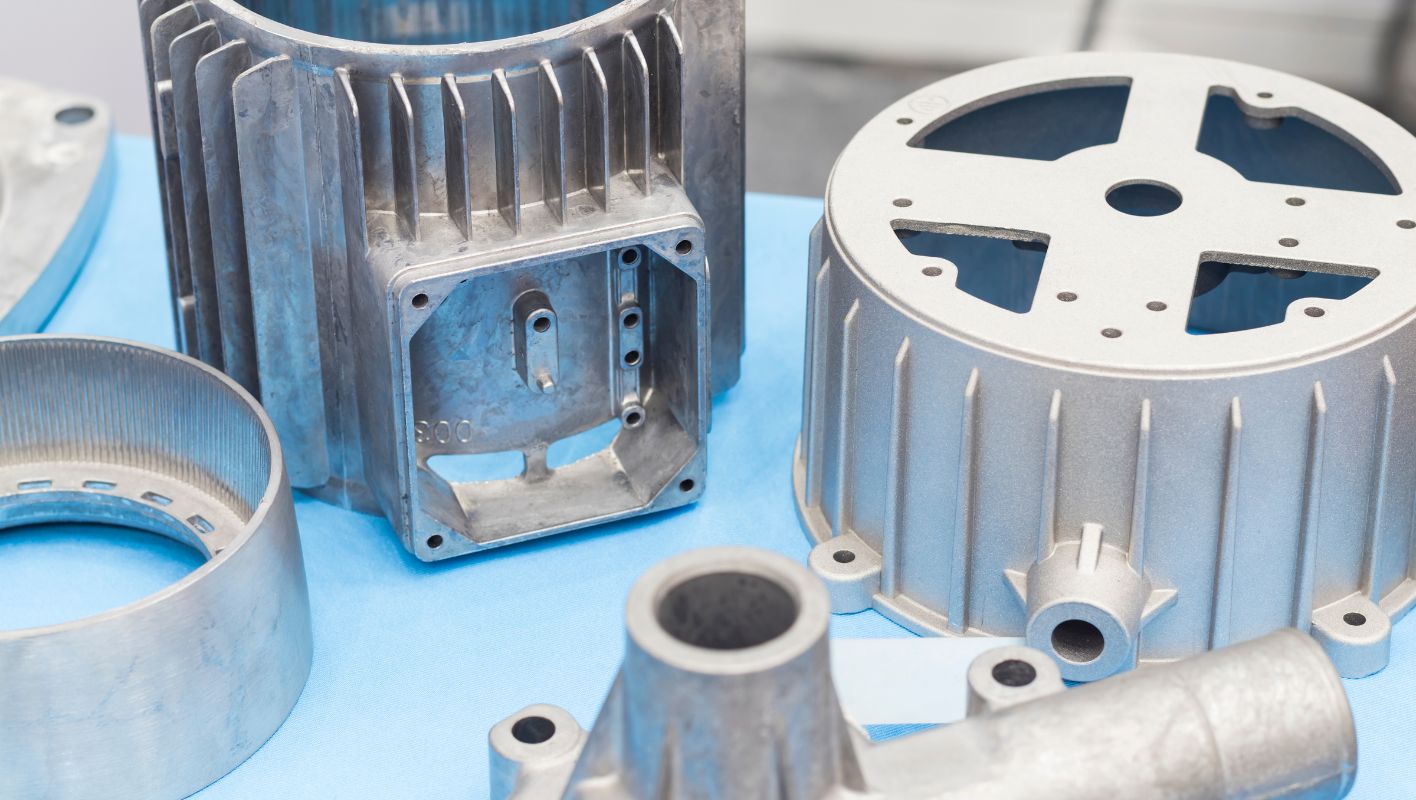
Precision and Complexity
You know, there’s something incredibly satisfying about seeing a precisely crafted product come to life. I remember the first time I witnessed aluminum die casting in action; it felt like magic. This process allows us to create complex shapes with such exact dimensions that it’s like putting together a puzzle with invisible pieces. For industries like automotive and aerospace, where every micrometer counts, this precision is not just a bonus—it’s a necessity. By minimizing material waste, we also keep costs down without compromising on quality.
| Feature | Benefit |
|---|---|
| High Precision | Consistent product quality |
| Complex Shapes | Design flexibility |
| Tight Tolerances | Reduced need for machining |
Lightweight Products
When I first started exploring the world of aluminum die casting, I was amazed at how such lightweight components could still pack a punch in terms of strength. Imagine trying to lift a car engine if every part was made from heavy steel! Aluminum’s lightweight3 nature makes it indispensable, especially for automakers focused on improving fuel efficiency without sacrificing performance.
Thermal Conductivity
I can’t count how many times I’ve heard from clients about the importance of heat management. Whether it’s cooling an engine or ensuring the longevity of electronic components, aluminum’s thermal conductivity is a game-changer. It helps us design products that last longer and work better, like heat sinks that dissipate heat efficiently.
Cost Efficiency
I’ve always been a fan of finding ways to save money without cutting corners. Aluminum die casting does just that. The ability to quickly produce identical parts in large quantities means lower labor costs and faster production times. Plus, aluminum’s recyclability is like the cherry on top—good for both our wallets and the planet.
Versatility in Applications
What truly excites me about aluminum die casting is its versatility across different sectors. From automotive to consumer electronics, the possibilities are endless. I’ve seen companies innovate in ways that were previously unimaginable, all thanks to this method’s ability to support diverse applications4 while ensuring durability and functionality.
In all my years of experience, I’ve rarely seen a manufacturing process as impactful as aluminum die casting. It’s not just about making things—it’s about making things better.
Aluminum die casting reduces material waste significantly.True
The process allows for precise designs, minimizing excess material use.
Aluminum die casting is unsuitable for high-temperature applications.False
Aluminum's excellent thermal conductivity makes it ideal for heat management.
How does Aluminum Die Casting Transform the Automotive Industry?
Ever wondered how your car runs so smoothly and efficiently? Let me take you behind the scenes of aluminum die casting, a game-changer in automotive design and performance.
Aluminum die casting in the automotive industry is a process used to create essential components such as engine blocks, transmission cases, and wheels. This technique helps reduce vehicle weight, improves fuel efficiency, and supports sustainable manufacturing practices compared to traditional materials.
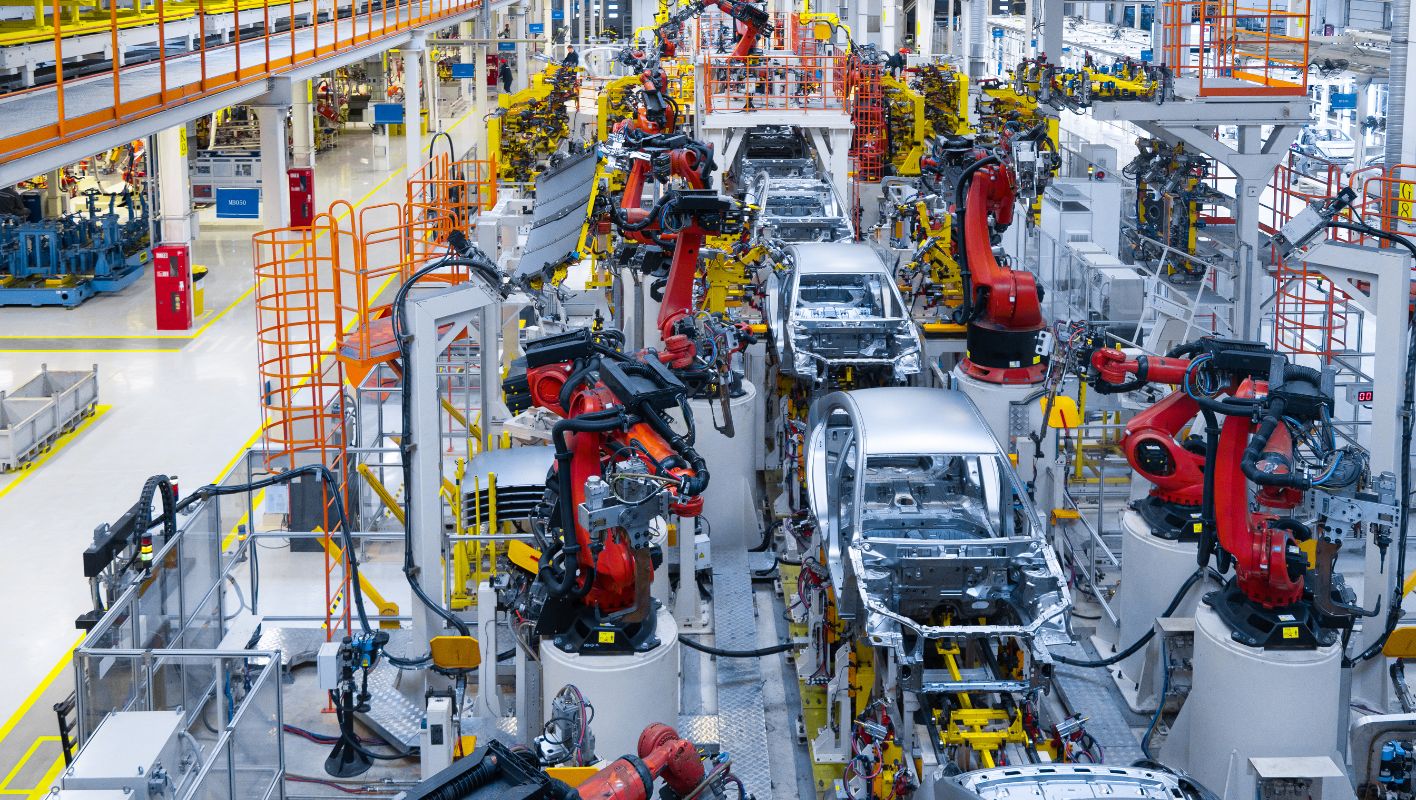
Key Components Made with Aluminum Die Casting
Let me share a little secret: when I first learned about aluminum die casting, I was amazed at how it could shape such critical automotive parts. Imagine crafting engine blocks5, cylinder heads, and transmission cases with the kind of precision that turns complex designs into reality. It’s like watching an artist at work, except this artist is a machine creating intricate forms that boost car performance.
| Component | Benefits of Aluminum Die Casting |
|---|---|
| Engine Blocks | Lighter weight, better heat dissipation |
| Cylinder Heads | Enhanced durability, precise dimensions |
| Transmission Cases | Reduced unsprung weight, aesthetic appeal |
Advantages Over Traditional Materials
Switching to aluminum was like stepping into a new era for me. Its lightweight nature not only improves fuel efficiency6 but also cuts down emissions—a big win for anyone who cares about the environment. Think of it as trading in your bulky, rust-prone steel parts for sleek, corrosion-resistant ones that are ready to be recycled when they’ve run their course. It’s like giving your car a green upgrade that meets today’s demand for sustainability.
Technological Innovations in Die Casting
What’s more exciting is how technology keeps pushing boundaries here. Ever heard of high-pressure die casting7? It’s like dialing up the sophistication on your favorite gadget. This technique not only enhances the surface finish and detail but also ups the ante on structural integrity while cutting down costs by reducing the need for extra machining work.
- High Pressure: Provides better surface finish and detail
- Vacuum Sealing: Reduces porosity and improves mechanical properties
Case Studies: Leading Automotive Brands
Brands like BMW and Tesla aren’t just using aluminum die casting—they’re leading the charge! I’ve followed their journey closely, seeing how they’ve used this technology to redefine car bodies8 and chassis components. Their stories highlight how embracing aluminum can lead to not just better production efficiency but also superior vehicle performance.
Explore further insights from these brands:
- BMW: Uses aluminum to achieve optimal weight distribution
- Tesla: Integrates large-scale die-cast components in model design
Aluminum die casting reduces vehicle weight.True
Aluminum's lightweight nature contributes to reduced overall vehicle weight.
Steel is more corrosion-resistant than aluminum.False
Aluminum offers better corrosion resistance compared to steel.
What Are the Safety Concerns with Die-Cast Aluminum Cookware?
Ever wondered if your die-cast aluminum pots and pans are really safe for your family’s meals? Let’s dive into the details and put your mind at ease!
Die-cast aluminum cookware can sometimes raise safety concerns due to the possibility of aluminum leaching into food, particularly when cooking with acidic ingredients. To minimize these risks, opt for cookware with protective coatings, avoid using high heat, and follow care instructions diligently.
Understanding Aluminum Leaching
I remember the first time I read about aluminum leaching. It was a chilly afternoon, and I was researching how to make my kitchen safer. I stumbled upon a discussion about how aluminum from cookware9 could seep into food, especially when using acidic ingredients like tomatoes or citrus. My curiosity was piqued—could my trusty die-cast aluminum pans be putting my family at risk?
How Does Leaching Occur?
This leaching can happen when the aluminum is exposed to high temperatures or acidic environments. The uncoated metal reacts with the food, leading to small amounts of aluminum potentially entering what we eat. While health authorities often say it’s generally safe, excessive intake might still have its drawbacks. Learning about this made me reconsider how I used my pans.
Coating as a Solution
Thankfully, there are solutions that can give us peace of mind. Many manufacturers now apply non-stick coatings or anodized layers to their cookware. These act as barriers, keeping our food away from direct aluminum contact.
| Coating Type | Benefits |
|---|---|
| Non-Stick Coating | Reduces need for oils, prevents aluminum contact |
| Anodized Layer | Enhances durability and cooking performance |
Next time you’re shopping for cookware, keep an eye out for these options to boost safety in your kitchen.
Proper Usage and Maintenance
Taking care of our cookware is crucial for safety and longevity. I’ve learned to avoid metal utensils that might scratch the coating and regularly check for wear.
Tips for Safe Use:
- Stick to low to medium heat settings.
- Hand wash gently to maintain the coating’s integrity.
- Store properly to prevent scratches or damages.
Alternative Cookware Options
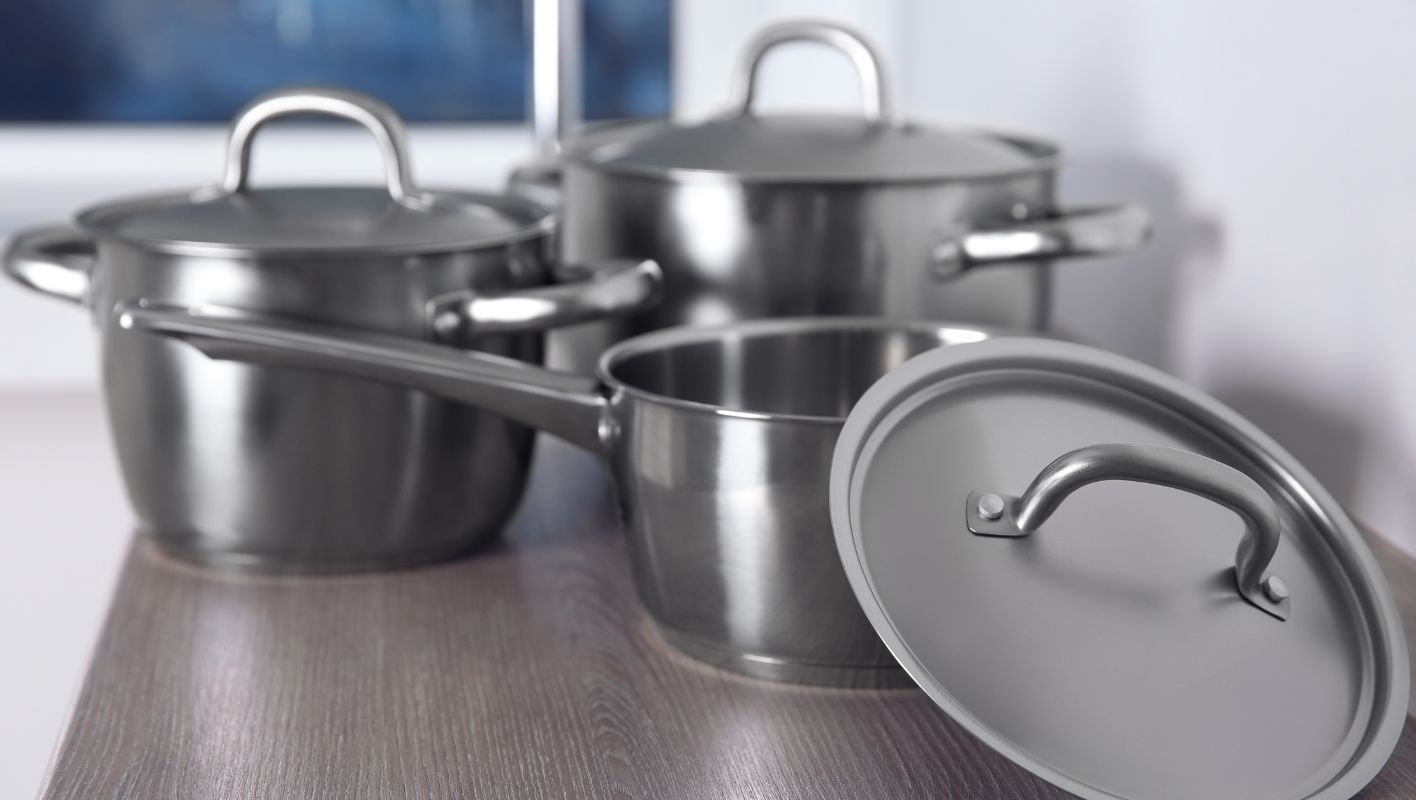
If you’re like me and still have lingering concerns about aluminum leaching, it might be worth exploring other materials. Stainless steel and cast iron are popular alternatives that offer durability and high heat tolerance without these worries.
These insights can help you decide if die-cast aluminum cookware is right for your kitchen while ensuring safety. Explore further by checking alternative cookware materials10 to weigh their pros and cons compared to aluminum options.
Understanding these aspects allows you to use die-cast aluminum cookware effectively in your culinary adventures. Always prioritize quality products and maintain regular care for top performance and safety. For more guidance, check out some expert reviews11 on reliable brands and models available on the market.
Aluminum leaching occurs only with acidic foods.False
Leaching can occur with any food, but acidic foods increase the risk.
Non-stick coatings prevent aluminum contact with food.True
Coatings create a barrier that prevents direct contact between aluminum and food.
Conclusion
Aluminum die casting is a high-pressure process that creates precise, lightweight components for industries like automotive and aerospace, offering efficiency and strength in manufacturing.
-
Understanding different types of die casting machines helps in selecting the right equipment for specific manufacturing needs. ↩
-
Discovering leading manufacturers gives insights into industry standards and innovative solutions. ↩
-
Understand why aluminum’s lightweight nature benefits various industries and applications. ↩
-
Explore the wide range of industries that benefit from aluminum die casting. ↩
-
Learn how aluminum die casting enhances engine block performance with better heat management and weight reduction. ↩
-
Understand how using aluminum components contributes to improved fuel efficiency and lower emissions in cars. ↩
-
Discover how high-pressure die casting innovations improve component quality and reduce production costs. ↩
-
See how leading brands like BMW and Tesla leverage aluminum die casting for superior vehicle design. ↩
-
Learn about the health implications of aluminum leaching from cookware to make informed kitchenware choices. ↩
-
Explore alternative materials like stainless steel or cast iron for safe cooking practices without leaching concerns. ↩
-
Discover expert evaluations on top die-cast aluminum cookware brands to guide your purchase decisions. ↩






