
What are the Advantages and Disadvantages of High-Pressure Die Casting?
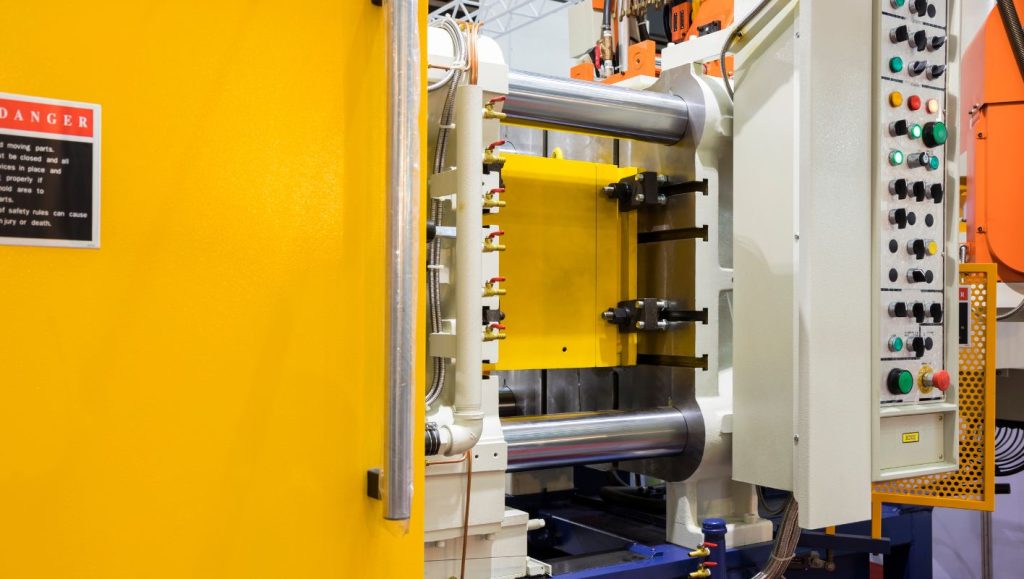
High-pressure die casting (HPDC) is a favored method in manufacturing due to its ability to produce intricate designs quickly and efficiently. This process excels in creating components with smooth finishes and precise tolerances, making it ideal for industries like automotive and aerospace. However, the significant investment in tooling can be a drawback, particularly for smaller production runs. Additionally, while HPDC works well with metals like aluminum and zinc, it struggles with some alloys. Understanding these advantages and challenges is crucial for manufacturers looking to optimize their production processes while ensuring quality and sustainability.
What is A360 Aluminum?
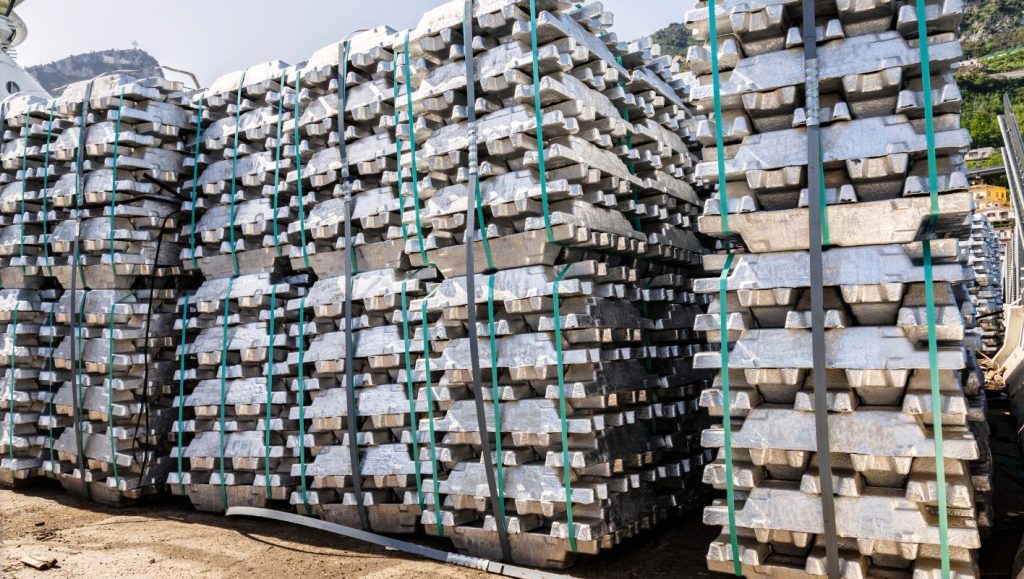
A360 aluminum is a versatile aluminum-silicon alloy celebrated for its superior fluidity, corrosion resistance, and ability to withstand high temperatures. These properties make it particularly suitable for die casting complex parts in demanding industries like automotive and aerospace. Compared to other alloys such as A380, A360 excels in applications requiring flexibility and durability. Its mechanical properties ensure structural integrity under pressure while maintaining ease of casting. This blog post explores the unique characteristics of A360 aluminum, its applications across various sectors including automotive components, lighting fixtures, and electronic housings, as well as cost implications that highlight long-term savings through reduced maintenance needs. Understanding these factors can help professionals make informed decisions when selecting materials for their projects.
