
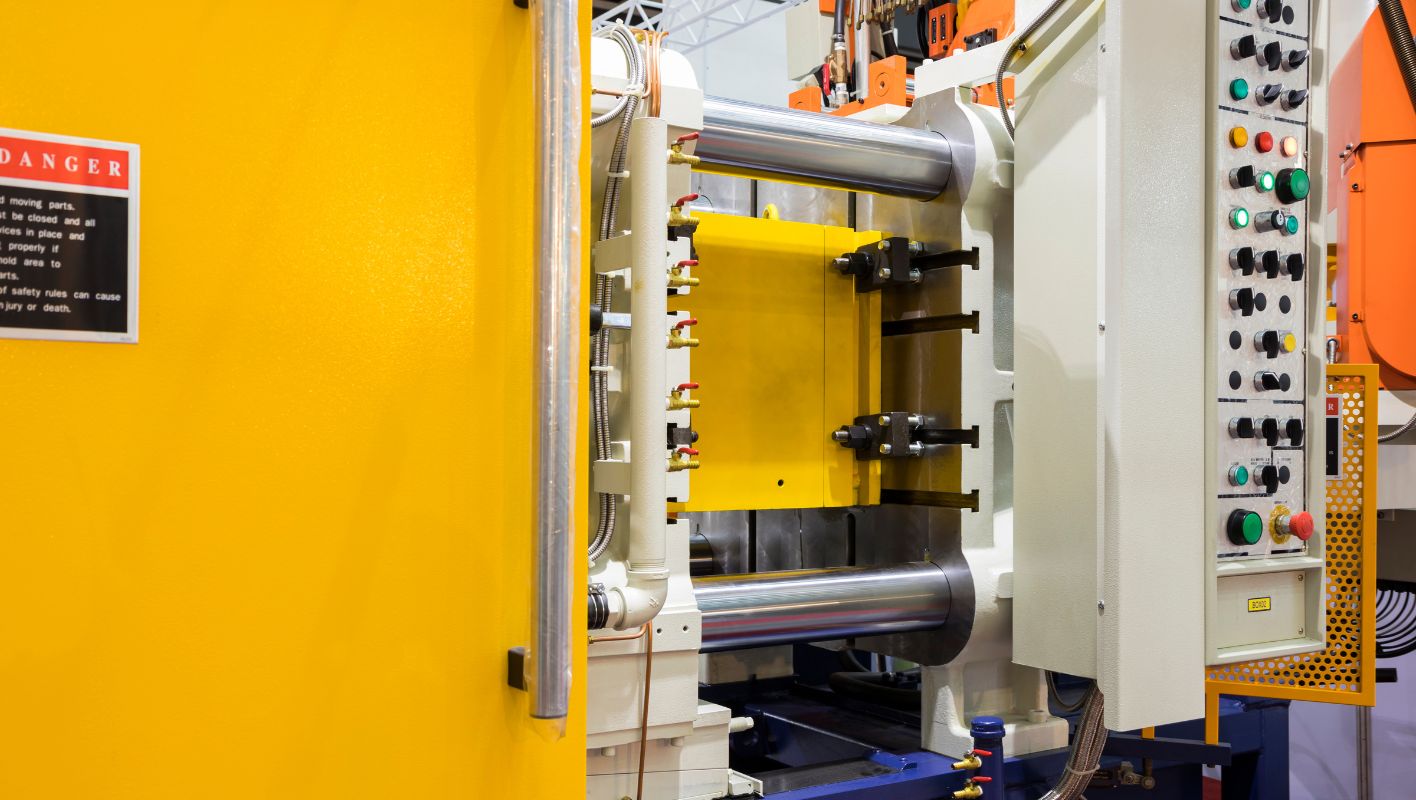
Ever wondered why high-pressure die casting is such a favorite among manufacturers? It’s all about blending speed with precision.
High-pressure die casting offers advantages like quick production, smooth surface finishes, and precise tolerances. Yet, it also has downsides such as costly tooling and limits with certain alloys.
I remember standing on the factory floor for the first time, mesmerized by the ballet of machines around me. The efficiency of high-pressure die casting felt like watching a well-rehearsed symphony. This method can drastically cut down production times, delivering components with remarkable consistency and detail. Yet, as I delved deeper into the process, I realized the cost of tooling was no small matter. It’s a significant investment that requires careful consideration. Plus, while the technique works wonders with metals like aluminum, it struggles with certain alloys, posing a challenge for diverse applications. Understanding these nuances can truly make or break your decision to implement this technology in your manufacturing line.
High-pressure die casting is ideal for complex shapes.True
Its precision allows for intricate designs, reducing post-processing.
Only aluminum can be used in high-pressure die casting.False
Various metals, including zinc and magnesium, are also used.
How Does High-Pressure Die Casting Work?
Remember the first time you realized those shiny metal parts in cars were more than just materials? High-pressure die casting is the magic behind these marvels, crafting precision parts with amazing efficiency.
High-pressure die casting works by pushing molten metal into a mold cavity under high pressure, quickly forming solid, detailed components. It’s perfect for creating complex parts with high precision in large quantities.
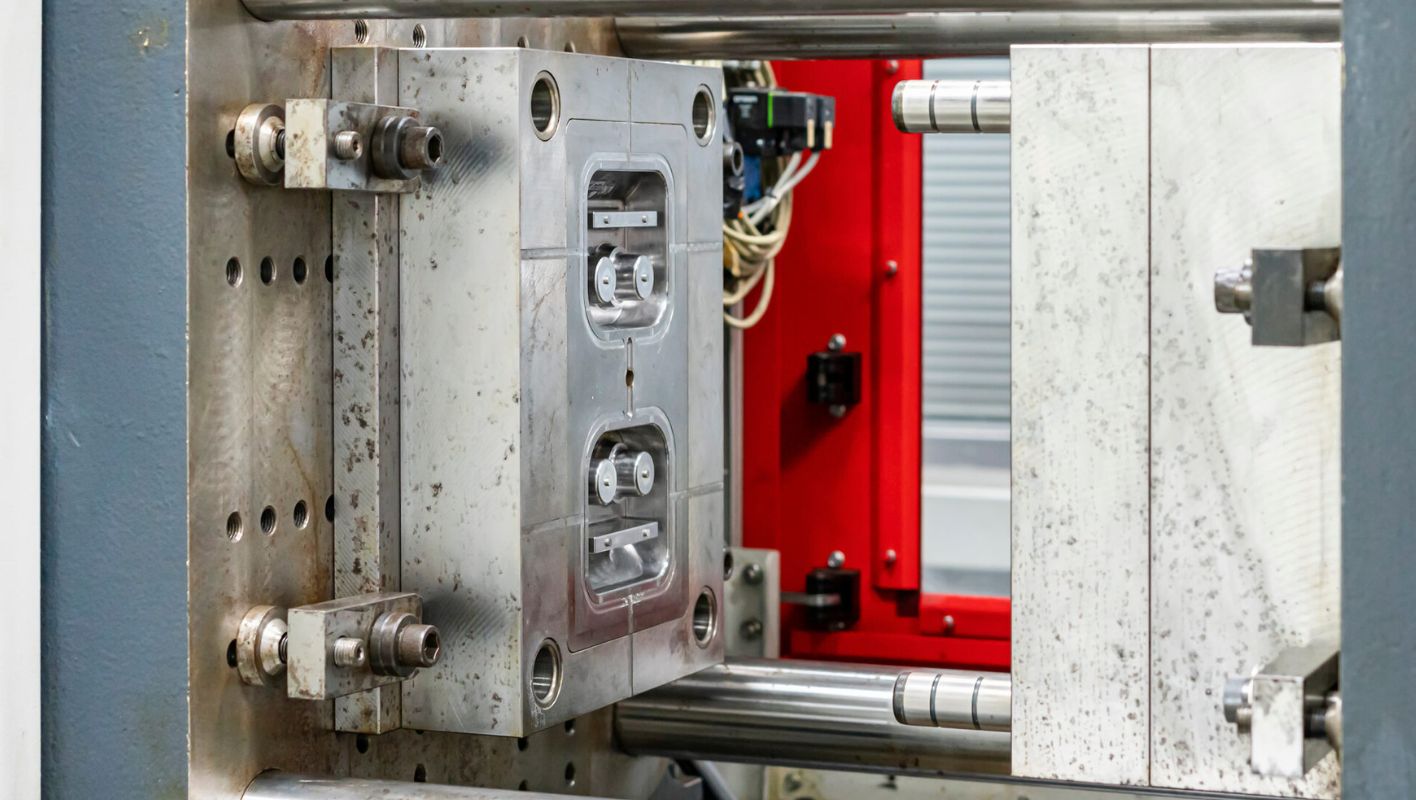
The Basics of High-Pressure Die Casting
Have you ever felt the thrill of watching molten metal transform into a precise part? That’s the essence of high-pressure die casting (HPDC). It’s a process widely loved in industries like automotive and aerospace. I remember standing in a bustling factory, where aluminum and zinc are like artists’ clay, ready to be molded into something extraordinary.
The Equipment Involved
The equipment in HPDC feels like an orchestra, each component playing its role perfectly. The die casting machine and the die itself are at the heart of this process:
- Injection System: This is like the lead violinist, injecting molten metal at lightning speed.
- Clamping Unit: Picture it as the strong conductor, holding everything together with unwavering grip.
- Ejection Mechanism: The gentle hands that remove the solidified art piece.
| Component | Function |
|---|---|
| Injection System | Forces molten metal into the mold |
| Clamping Unit | Secures the mold during casting |
| Ejection Mechanism | Extracts the cast part |
The Process Stages
- Preparation: Imagine preheating the mold as laying out a welcome mat for the metal.
- Injection: The moment when metal meets mold at pressures as intense as 1,500 to 25,000 psi.
- Cooling and Solidification: It’s like watching a sculptor chisel out perfection as the metal solidifies.
- Ejection: And there it is—your finished piece ready to dazzle.
Advantages of High-Pressure Die Casting
For someone who’s seen countless manufacturing processes, HPDC stands out. It creates parts with such precision and complexity that it’s almost magical. Its speed makes it perfect for large-scale production. And whether it’s aluminum alloys1 or something else, its versatility is impressive.
Comparing with Other Casting Methods
Having dabbled with sand casting, I’ve seen how HPDC can craft intricate shapes with thin walls that sand simply can’t match. It’s like comparing a master painter’s detailed brushwork to broad strokes.
Applications and Future Trends
From engine blocks to gearboxes, HPDC is a workhorse in the automotive industry. I’m excited about future trends like eco-friendly practices2 that promise to make this process even more sustainable by recycling scrap material.
Understanding this process isn’t just technical knowledge—it’s about making smart choices. For procurement professionals like John, it means selecting the best partners who can deliver on precision and sustainability, ensuring every component meets the high demands of today’s industries.
HPDC uses aluminum or zinc.True
Aluminum and zinc are commonly used metals in HPDC.
HPDC is slower than sand casting.False
HPDC has faster production rates than sand casting.
What Are the Key Benefits of High-Pressure Die Casting?
Imagine transforming molten metal into complex shapes with precision and efficiency. That’s the magic of high-pressure die casting.
High-pressure die casting delivers remarkable precision, smooth finishes, and efficient production for complex designs, making it perfect for large-scale manufacturing. This method minimizes waste, reduces costs, and ensures consistent quality, making it an industry favorite.
Understanding High-Pressure Die Casting
I remember the first time I watched molten metal being injected into a mold at high pressure. It was like witnessing a symphony of engineering precision. High-pressure die casting allows us to create parts with excellent dimensional accuracy3 and impeccable surface finishes. The intricate designs this process can achieve are nothing short of an artist’s dream, making it ideal for industries where high-quality components are non-negotiable.
Efficiency and Cost-Effectiveness
In my years in the industry, I’ve learned that time is money, especially in sectors like automotive4 where every second counts. The speed of high-pressure die casting reduces lead times significantly. The high repeatability of this method means that once you get the first piece right, the rest follow suit like clockwork, maintaining the same consistent quality across thousands of units. This efficiency doesn’t just save time—it slashes costs by minimizing defects and ensuring every piece meets rigorous standards.
| Benefit | Description |
|---|---|
| Precision | Achieves tight tolerances and fine details |
| Surface Finish | Offers smooth finishes, reducing post-process |
| Material Utilization | Minimizes waste through efficient design |
Material Versatility
High-pressure die casting reminds me of a chef’s versatility in choosing ingredients—except here, we’re dealing with metals like aluminum, zinc, and magnesium. This flexibility lets us tailor solutions to meet specific material properties5 and weight requirements. Whether it’s aerospace or consumer electronics, this process adapts to varied needs seamlessly.
Environmental Considerations
As someone who values sustainability, I find the eco-friendly aspect of high-pressure die casting particularly appealing. By recycling scrap materials and optimizing energy usage, this method aligns perfectly with sustainable manufacturing practices. It’s reassuring to know that we can improve our sustainability metrics6 without compromising on production efficiency.
Exploring HPDC’s benefits can be transformative for your projects. Each advantage plays a role in streamlining manufacturing processes to meet both economic and quality standards. So, whether you’re in the early stages of a project or looking to optimize your current methods, considering high-pressure die casting could be a game-changer.
HPDC reduces lead times significantly.True
High-pressure die casting allows for quick production, cutting lead times.
HPDC is unsuitable for intricate designs.False
HPDC excels in creating intricate designs due to high precision.
What Challenges Should You Expect with High-Pressure Die Casting?
Navigating the intricate world of high-pressure die casting is like solving a captivating puzzle, full of challenges and unexpected twists.
Expect challenges like porosity, thermal fatigue, and intricate design requirements in high-pressure die casting. Tackling these involves precise control over materials and processes to ensure top-notch quality and efficiency.
Porosity in High-Pressure Die Casting
You know, when I first encountered porosity in casting, it felt a bit like discovering tiny potholes in what should have been a smooth road. These pesky voids or air pockets can sneak into the cast metal, potentially weakening the structural integrity7 of the component. I remember a project where porosity was our main nemesis, caused by rapid cooling and gas getting trapped. The solution? We tweaked the pressure settings and tried out vacuum-assisted casting techniques, which was a game-changer.
Thermal Fatigue
Thermal fatigue is another beast altogether. It reminds me of how my grandmother’s old teakettle used to develop cracks from being heated and cooled repeatedly. In die casting, this cycling can lead to surface cracks in the dies due to thermal fatigue8. I learned that investing in high-quality materials and maintaining thermal control were key strategies to extend the lifespan of our dies and keep the cast parts looking sharp.
Complex Geometries and Tolerances
As for the challenge of complex geometries, it’s like trying to assemble a thousand-piece puzzle with a few missing edges. Achieving intricate designs and precise tolerances is often challenging due to high tooling costs and limitations in mold designs. I’ve had my fair share of tricky designs that pushed our limits. However, using advanced simulation software and 3D printing for prototypes provided a fresh perspective on these design challenges9.
Common Defects and Solutions
Understanding these challenges and their solutions is like having a roadmap in the high-pressure die casting journey.
| Defect | Cause | Solution |
|---|---|---|
| Cold Shuts | Inadequate filling of mold | Increase injection speed |
| Hot Tears | Uneven cooling | Implement controlled cooling techniques |
| Flash Formation | Excess metal squeezing out of mold | Improve clamping force and mold alignment |
By focusing on selecting the right materials, optimizing processes, and embracing technological innovations, I’ve seen firsthand how manufacturers can not only meet but exceed quality expectations. Resources like the latest research10 are invaluable for keeping ahead in this ever-evolving field.
Porosity is caused by rapid cooling rates.True
Rapid cooling can trap gases, forming voids in the metal.
Thermal fatigue does not affect die lifespan.False
Thermal fatigue leads to cracks, reducing die lifespan.
Is High-Pressure Die Casting Right for Your Project Needs?
Ever found yourself lost in a sea of manufacturing options, unsure which path to take?
High-pressure die casting is perfect for crafting complex, lightweight, and high-volume metal parts with sleek finishes. However, the investment in tooling and machinery is hefty, making it best for large-scale production.
Understanding High-Pressure Die Casting
High-pressure die casting (HPDC) is like the magic wand of metal manufacturing. Imagine injecting molten metal into a mold cavity with such force that it captures every tiny detail. This method excels at creating intricate designs11 and fine details with superb dimensional accuracy. Here’s a quick snapshot of HPDC:
| Feature | Description |
|---|---|
| Production Volume | Suitable for high-volume runs |
| Material Types | Mainly aluminum, zinc, magnesium |
| Surface Finish | Smooth, requiring minimal post-process |
| Tolerance Precision | High, ideal for complex geometries |
Advantages of High-Pressure Die Casting
- Efficiency: HPDC can turn a lengthy production cycle into a speedy process, chopping down manufacturing lead times12.
- Material Utilization: Minimal waste makes it cost-effective for bulk production.
- Strength and Durability: Parts are generally more robust than those made by other methods like low-pressure casting.
Considerations and Limitations
Despite its perks, HPDC does have its hurdles. The initial costs for tooling can be steep, often justifiable only with long production runs in mind. Plus, it’s less suitable for ferrous metals because of their high melting points.
Issues like porosity or surface imperfections can crop up if the process isn’t handled with care. It’s crucial to partner with suppliers who boast cutting-edge facilities13 to minimize these risks.
Comparing with Other Methods
When stacking HPDC against other casting methods like low-pressure die casting (LPDC), consider factors like cost, efficiency, and material compatibility. Here’s a quick comparison:
| Process | Cost | Volume Suitability | Material Compatibility |
|---|---|---|---|
| High-Pressure Die | High | High-volume | Limited |
| Low-Pressure Die | Moderate | Medium-volume | Broader |
Learn more about LPDC14 as a potential alternative, especially if your project involves smaller runs or different material needs. By understanding these nuances, you’ll be better equipped to make decisions that cater specifically to your project’s demands.
HPDC is ideal for low-volume production.False
HPDC is best suited for high-volume production due to setup costs.
HPDC primarily uses ferrous metals.False
HPDC mainly uses non-ferrous metals like aluminum and zinc.
Conclusion
High-pressure die casting combines speed and precision for efficient production of complex metal parts, but involves high tooling costs and limitations with certain alloys.
-
Explore why aluminum alloys are favored in die casting for their strength-to-weight ratio, corrosion resistance, and thermal conductivity. ↩
-
Learn about sustainable practices like recycling scrap material that make die casting an environmentally friendly choice. ↩
-
Explore the precision capabilities of HPDC, essential for ensuring consistent product quality. ↩
-
Understand how HPDC benefits automotive manufacturing with cost-effective, precise component production. ↩
-
Learn about the diverse metals compatible with HPDC for customized applications. ↩
-
Discover how HPDC supports eco-friendly manufacturing practices. ↩
-
Learn various methods to prevent porosity, ensuring stronger and more reliable die-cast components. ↩
-
Understand what leads to thermal fatigue to better protect your die-casting equipment and maintain quality. ↩
-
Explore strategies to tackle design issues in die casting for improved precision and cost-effectiveness. ↩
-
Stay updated with cutting-edge research to optimize your die-casting processes effectively. ↩
-
Explore how intricate designs enhance product functionality and aesthetic appeal, crucial for competitive advantage. ↩
-
Discover how faster cycle times in HPDC streamline production schedules, improving delivery timelines. ↩
-
Understand the importance of advanced technology in minimizing defects and ensuring quality output. ↩
-
Gain insights into LPDC as an alternative method with different material and cost implications. ↩






