
What Are the Best Steps to Install a Curtain Track?

Installing curtain tracks can transform your space. Start by measuring your window, gather essential tools like a drill and level, and follow step-by-step instructions to ensure a seamless installation.
What Are the Key Differences Between 304 and 316 Stainless Steel?
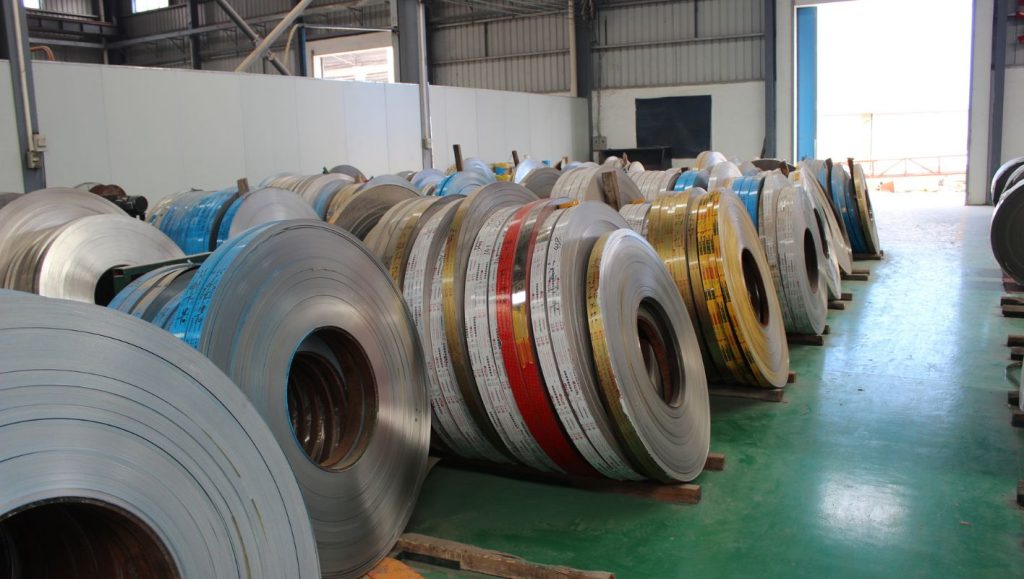
This article explores the key differences between 304 and 316 stainless steel, focusing on their compositions, corrosion resistance, applications, cost considerations, and guidance for selecting the appropriate grade for specific needs.
What Are the Differences Between 6061 and 6063 Aluminum Alloys?
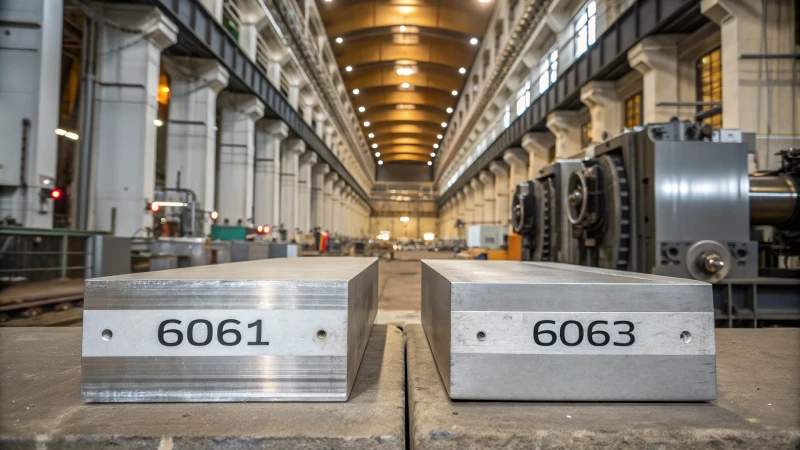
Choosing between 6061 and 6063 aluminum alloys involves understanding their distinct properties. Alloy 6061 offers greater strength, making it suitable for structural applications, while 6063 provides a superior finish for architectural designs. Both alloys are corrosion-resistant but differ in workability and application suitability. This guide explores their mechanical properties, fabrication considerations, and cost implications to help you select the right alloy based on your project’s specific requirements.
What Are the Steps for Powder Coating Aluminum?
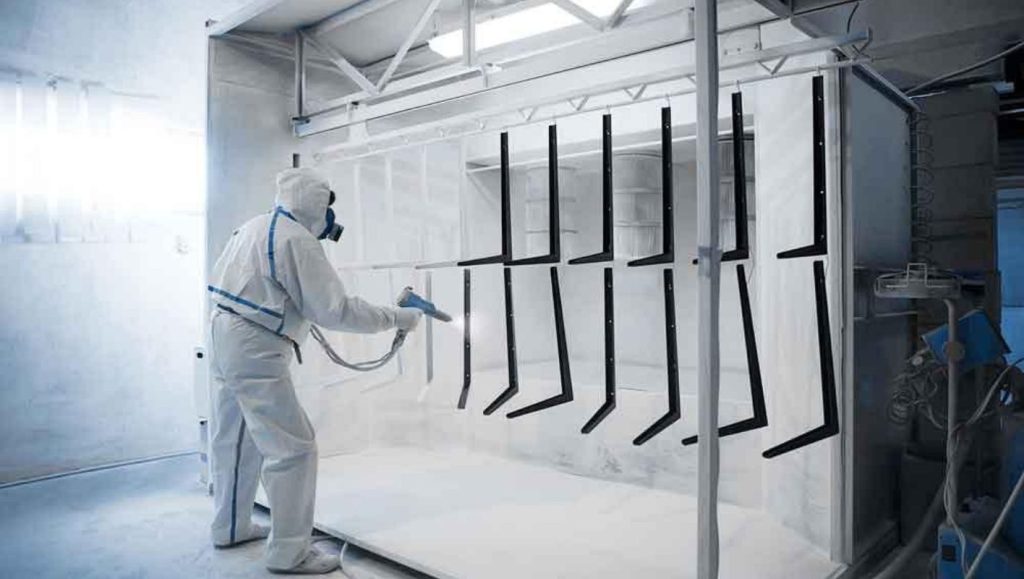
Powder coating aluminum involves several key steps: thorough surface preparation, even powder application, and proper curing in an oven. Each step is crucial for ensuring strong adhesion and a long-lasting finish. This guide details the importance of cleaning, sanding, applying conversion coatings, and using the right equipment like spray guns and curing ovens. It also highlights common mistakes to avoid during the process to achieve professional results. With its durability and aesthetic flexibility compared to alternatives like anodizing or painting, powder coating is an excellent choice for various applications.
What is the electrical conductivity of aluminum?
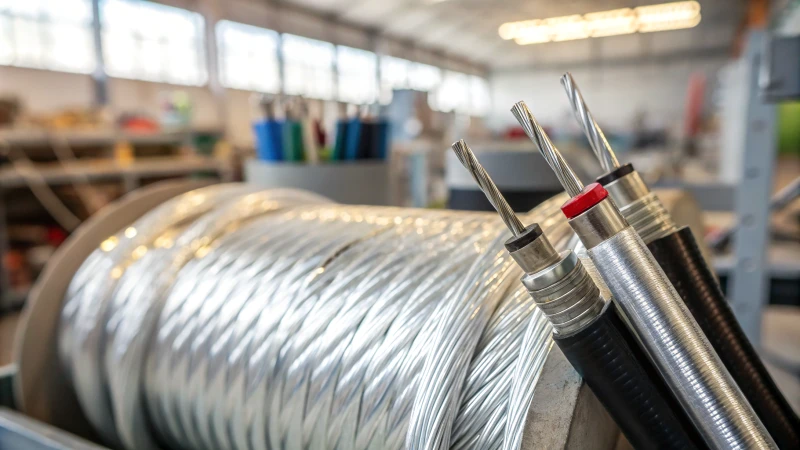
Aluminum’s electrical conductivity is approximately 37.7 million siemens per meter (S/m), making it a strong alternative to copper in many applications. While aluminum has about 60% of the conductivity of copper, its lightweight nature and resistance to corrosion make it a preferred choice for overhead power lines and various electrical installations. The material’s versatility allows it to be used efficiently in construction and electronics, balancing performance with cost-effectiveness. Factors such as temperature, impurities, and mechanical stress can influence aluminum’s conductivity, highlighting the importance of selecting the right alloy for specific projects. Ultimately, aluminum’s advantages in weight, cost savings, durability, and recyclability contribute significantly to its popularity in sustainable electrical systems.
What Are the Differences Between Mill Finish and Clear Anodized Aluminum?
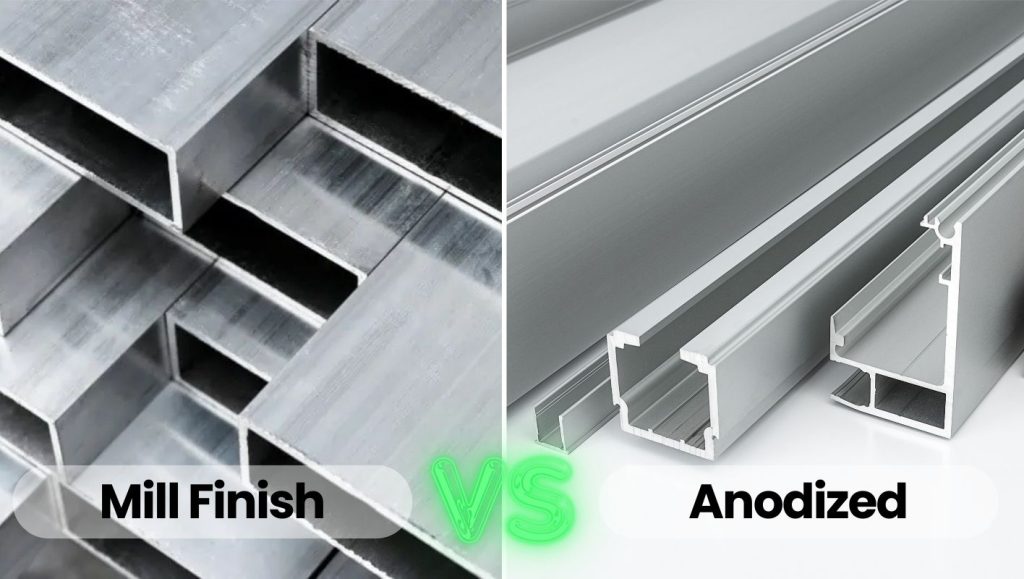
This article explores the differences between mill finish and clear anodized aluminum. Mill finish is raw, untreated, affordable, and versatile, ideal for various applications. Clear anodized aluminum undergoes an electrochemical process that enhances its durability, corrosion resistance, and aesthetic appeal. Understanding these finishes helps in selecting the right option based on project requirements like exposure to elements, budget constraints, and desired appearance. Anodizing also allows for color customization while providing long-lasting protection against harsh conditions. Ultimately, the choice between these finishes hinges on balancing cost with performance and aesthetics for specific applications.
