
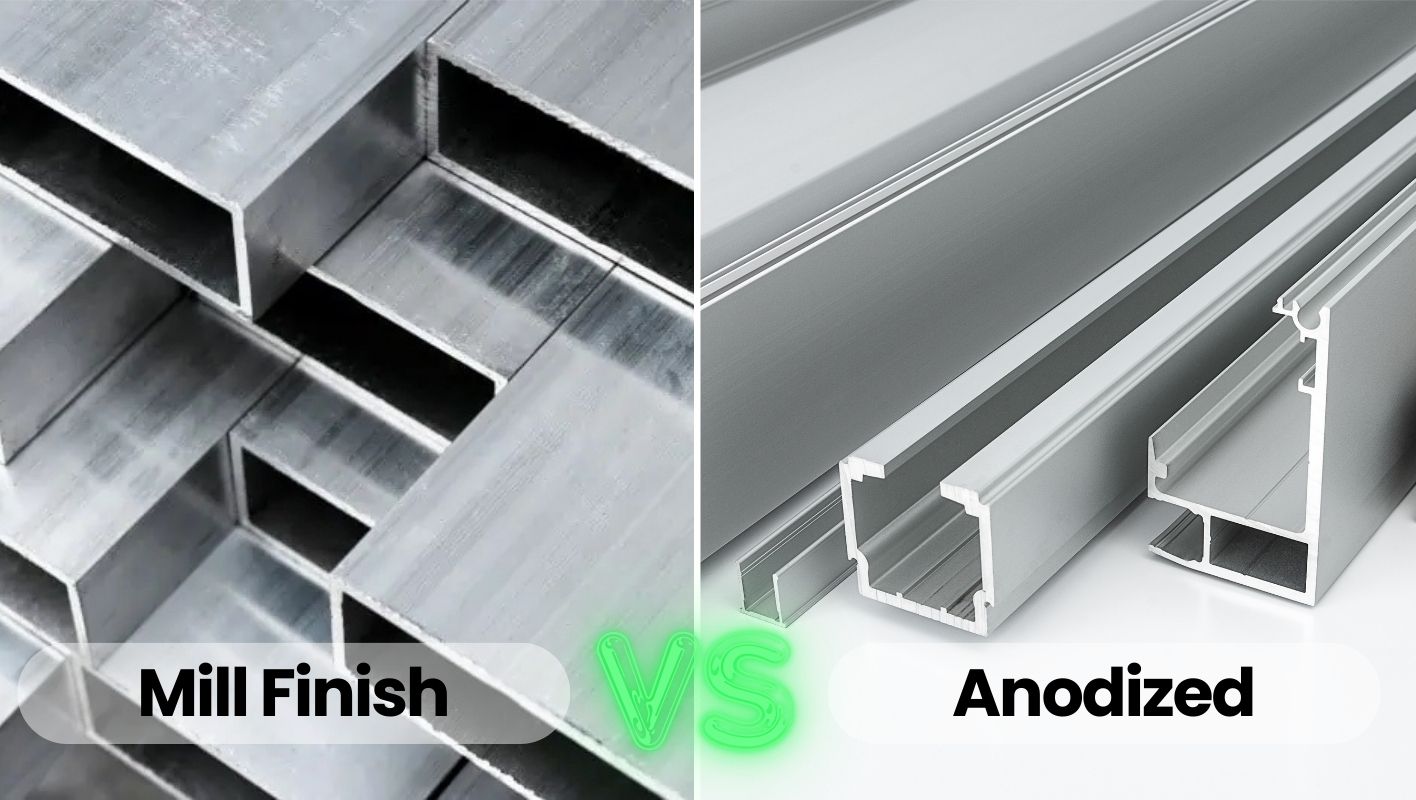
Choosing the right aluminum finish can feel like choosing the right outfit—it’s all about the occasion and the impression you want to make.
Mill finish aluminum is like the fresh canvas, raw and untreated, keeping its natural charm. In contrast, clear anodized aluminum is like a polished gem, having undergone an electrochemical process for added durability and corrosion resistance. Understanding this difference helps in picking the right one for your project’s needs.
I remember my first big project where I had to decide between these finishes. It felt like choosing between a rustic, natural look or a sleek, modern finish. The environment played a big part in my decision—would it be exposed to harsh elements or need to maintain a pristine appearance over time? Cost was another factor, as well as the specific application. Sometimes you want that raw industrial feel, while other times, longevity and aesthetics take precedence. So, diving deeper into these aspects really helped me make informed choices that aligned perfectly with what I envisioned for each project.
Mill finish aluminum is untreated and natural.True
Mill finish aluminum retains its raw, unprocessed state.
Clear anodized aluminum is less durable than mill finish.False
Clear anodizing enhances aluminum's durability and corrosion resistance.
How Does the Anodizing Process Enhance Aluminum?
Ever wondered how aluminum transforms from a simple metal into a durable, colorful marvel?
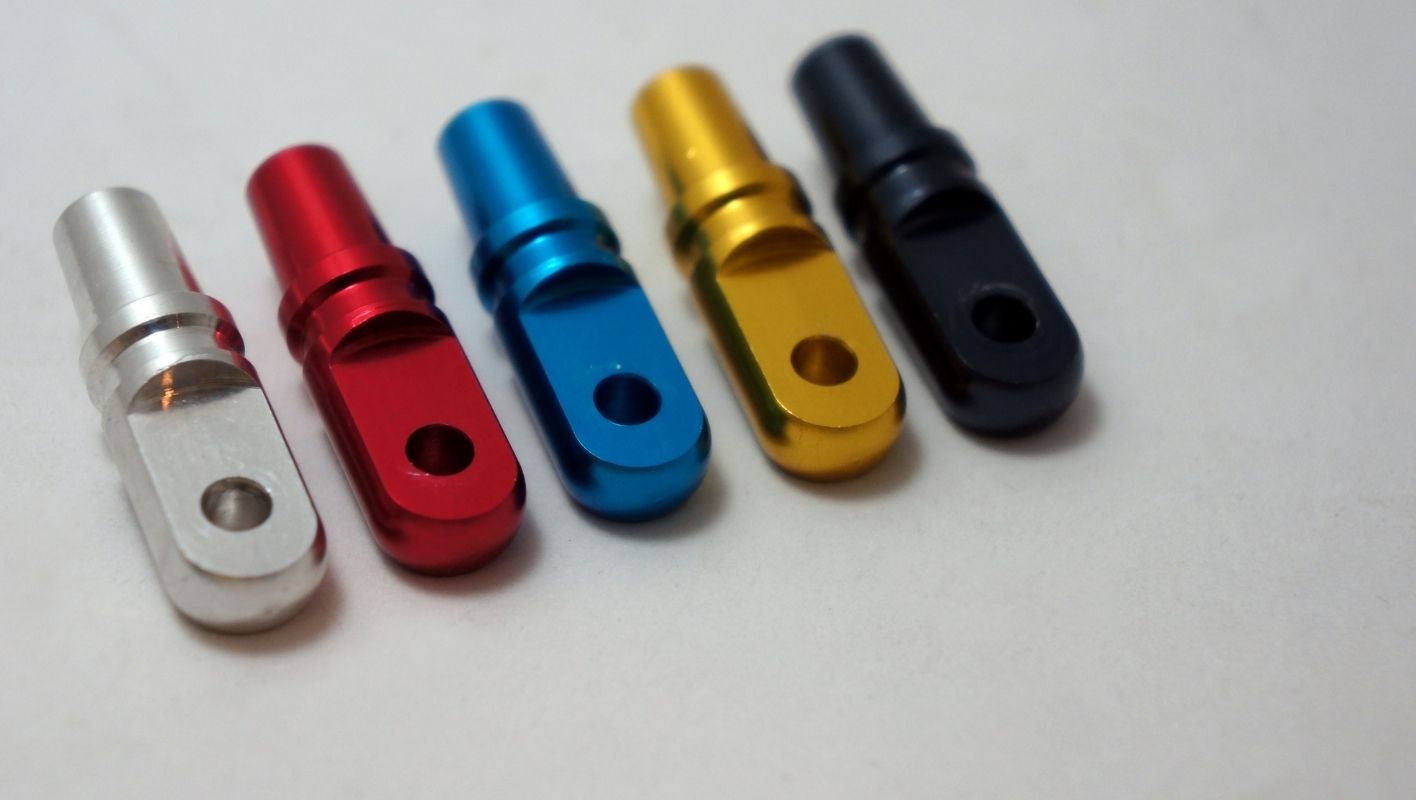
Anodizing enhances aluminum by forming a protective oxide layer that boosts corrosion resistance, hardens the surface, and adds decorative color. This makes it perfect for architectural, automotive, and industrial uses.
Understanding the Anodizing Process
Let me take you back to my early days in the aluminum industry when I first witnessed anodizing in action. Watching the process unfold was like seeing magic happen. You take this lightweight metal, dip it into an acid bath, and zap it with electricity—suddenly, it emerges with this robust oxide layer. That’s anodizing for you—an electrochemical transformation1 that makes aluminum tougher and more appealing.
Key Benefits of Anodized Aluminum
Corrosion Resistance
I remember a client who needed materials for a coastal project. Salt and humidity were major concerns. Anodized aluminum was the hero of the day! The oxide layer formed during anodizing acted like a shield against the harsh elements—perfect for outdoor and marine environments.
| Environment | Resistance Level |
|---|---|
| Humid & Salty | High |
| Urban Pollution | Moderate |
| Industrial Zones | High |
Enhanced Surface Hardness
Another time, I was working with an automotive company that needed scratch-resistant materials for their car trims. The hardness of anodized aluminum provided exactly what they needed—a surface that could withstand wear and tear without losing its charm.
Aesthetic Versatility
Anodizing doesn’t just make aluminum tougher; it turns it into a canvas for creativity. I once partnered with an architect who wanted bold, vibrant facades for a new building project. Anodizing allowed us to infuse colors into the aluminum, creating stunning visual effects without sacrificing durability.
Industrial Applications of Anodized Aluminum
Architectural Use
In my experience, anodized aluminum is a game-changer in architecture. Whether it’s for window frames or facades, its ability to resist weather extremes while maintaining an attractive finish is unmatched. Not to mention, it’s lightweight yet strong enough for towering skyscrapers.
- Window frames2: Explore different designs and benefits.
- Facades3: Learn about aesthetic and functional roles.
Automotive Industry
Automakers love anodized aluminum as much as I do for its lightweight strength and resistance to corrosion. It’s the go-to choice for parts like trim and body panels—keeping cars looking sleek and new for years.
Industrial Applications
And then there’s industrial use—where durability meets practicality. In machinery components or structural elements, anodized aluminum shines for its resilience and low maintenance needs.
By embracing these benefits, manufacturers and designers can tap into the full potential of anodized aluminum, transforming products across industries.
Anodizing aluminum increases its corrosion resistance.True
Anodizing forms a protective oxide layer, enhancing corrosion resistance.
Anodized aluminum cannot be colored.False
Dyes can be infused into the anodized layer for vibrant colors.
Why Choose Mill Finish Aluminum for Your Projects?
I remember my first big project where I discovered the wonders of mill finish aluminum—its versatility blew me away. Let’s dive into why it’s a go-to for so many in the industry.
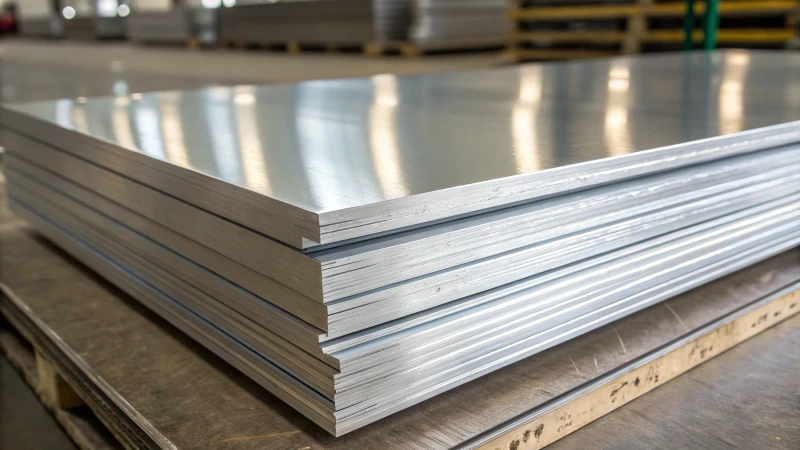
Mill finish aluminum stands out for its affordability, lightweight characteristics, and adaptability. It’s prized for excellent thermal conductivity and inherent corrosion resistance, making it a versatile choice across various industries.
A Cost-Effective Option
Back when I was juggling tight budgets on construction projects, discovering mill finish aluminum was like finding a hidden gem. It’s typically more affordable because it skips expensive finishing processes like anodizing or painting. For procurement managers like Ethan4, this affordability can mean major savings on large-scale projects, which is always a win.
Lightweight Yet Durable
Despite its raw look, mill finish aluminum retains the core strengths of aluminum—lightweight yet durable. I recall a time when we needed to transport materials quickly without sacrificing quality; mill finish aluminum was perfect. In sectors like transportation and construction, where weight directly affects performance5 and efficiency, this balance is invaluable.
High Thermal Conductivity
One of the most impressive traits of mill finish aluminum is its high thermal conductivity. Whether it’s for heat sinks or radiators, it dissipates heat effectively, boosting the efficiency of electronic devices and machinery. I once used it in a custom heat management solution, and the results were outstanding.
| Property | Description |
|---|---|
| Affordability | Lower cost than finished aluminum |
| Lightweight | Easy to handle and install |
| Thermal Conductivity | Efficient heat dissipation |
Corrosion Resistance
Even without a treated surface, mill finish aluminum has decent corrosion resistance due to its natural oxide film. It’s great for indoor applications and some outdoor uses, though I’ve learned the hard way that additional coating might be necessary in harsh environments.
Customization Flexibility
The ability to customize mill finish aluminum easily is a game-changer. It can be machined, welded, or bent into any shape you need. This flexibility came in handy when I worked on intricate architectural designs6 that required precision and creativity.
Understanding your project’s specific requirements is key to leveraging these benefits fully. Consider if you need further treatment for corrosion resistance or aesthetic purposes. By evaluating these factors, procurement managers can make informed decisions about using mill finish aluminum effectively.
Mill finish aluminum is more affordable than anodized aluminum.True
It skips additional finishing processes, reducing production costs.
Mill finish aluminum is not suitable for thermal regulation.False
It has high thermal conductivity, ideal for heat dissipation.
Which Finish Is More Suitable for Outdoor Applications?
Picking the perfect finish for outdoor projects can feel like choosing the right armor for your prized possessions against the elements. It’s not just about durability—it’s about peace of mind.
For outdoor applications, powder coating and anodizing are top choices due to their unmatched durability, resistance to corrosion, and ability to endure extreme weather conditions.
Understanding Outdoor Finishes
Imagine this: you’re standing in the aisle, surrounded by cans and bottles of finishes, each promising something different. Years ago, I was in the same spot, looking for a finish that wouldn’t let my garden furniture succumb to the whims of Mother Nature. That’s when I learned the importance of picking a finish that can brave the elements—like moisture, UV rays, and temperature swings.
Take powder coating7 as an example. It’s like wrapping your metal in a protective hug. The pigment bonds tightly through electrostatic application and heat curing, creating a resilient shell.
| Finish Type | Key Benefits |
|---|---|
| Powder Coating | Durable, UV resistant, variety of colors |
| Anodizing | Excellent corrosion resistance, long-lasting |
Powder Coating vs. Anodizing
Powder Coating:
- Durability: It’s like having an invisible shield. I remember a project where I used powder coating for some railings. Years later, they still looked as good as new.
- Aesthetic Versatility: This finish is the chameleon of coatings. Whether you want glossy or matte, it can morph to suit your vision.
- Environmental Impact: If you’re like me and worry about our planet, you’ll love that powder coating releases almost no VOCs—it’s kinder to the Earth.
Anodizing:
- Corrosion Resistance: Anodizing boosts aluminum’s natural defenses, making it practically impervious to rust. It’s like giving aluminum a superhero upgrade.
- Sustainability: Not only does anodizing make aluminum tough, but it also keeps it recyclable and high-quality over time.
Application Considerations
When you’re choosing a finish for your outdoor project, think about what nature throws at you. For instance, if you live near the coast like I do, saltwater resistance8 is crucial. It’s not just about looks; it’s about survival.
Powder Coating:
- Maintenance: I’ve found that a quick wash keeps it pristine without much fuss—perfect for busy schedules.
- Cost: It might seem pricey upfront, but it pays off with less maintenance down the road.
Anodizing:
- Maintenance Needs: Regular cleaning keeps it looking sharp and prevents stains.
- Color Limitations: Though it offers fewer colors than powder coating, its durability more than makes up for it.
When deciding between these finishes, weigh factors like anticipated wear and tear, aesthetics, and budget. It’s always wise to chat with experts who can offer tailored advice. Trust me; a thoughtfully chosen finish not only enhances beauty but also ensures your projects stand the test of time.
Powder coating releases negligible VOCs.True
Powder coating is eco-friendly as it emits very low volatile organic compounds.
Anodizing offers more color options than powder coating.False
Anodizing typically has fewer color options compared to powder coating.
How do cost and maintenance compare between these finishes?
Ever wonder how different aluminum finishes stack up in terms of cost and maintenance?
Anodized finishes might hit your wallet a bit harder initially, but they’re a dream to maintain with their long-lasting durability. Powder-coated finishes offer a middle ground, both cost-wise and in upkeep. Meanwhile, mill-finished profiles are easy on the budget but need a bit more TLC.
Choosing the right aluminum finish can feel like picking the perfect car—it’s all about balancing what you want with what you need. When I first started diving into aluminum profiles, I had no idea the finishing touches could be such a big deal. But over time, I learned that each finish tells its own story through cost and maintenance.
Anodized Finishes
Anodizing is like that extra layer of security you add when you’re super serious about keeping things safe. This electrochemical process9 not only makes aluminum more resilient to corrosion and wear but also cuts down on the time you’d spend on upkeep. I remember working on a project where we needed something that could withstand the harsh elements, and anodized profiles were the go-to choice.
- Cost: The initial investment is higher, much like buying top-tier hiking gear. But it’s worth it for the longevity.
- Maintenance: Almost zero effort—just a bit of cleaning now and then to keep them looking sharp.
| Feature | Anodized Finish |
|---|---|
| Initial Cost | High |
| Maintenance | Low |
| Durability | High |
Powder-Coated Finishes
Powder coating feels like giving your project a splash of personality without going overboard. It’s like when you buy those colorful sneakers that are both practical and stylish—offering protection and a pop of color.
- Cost: Right in the middle, making it a great option if you want quality without breaking the bank.
- Maintenance: Regular upkeep keeps them from fading or chipping, just like you’d maintain your favorite leather boots.
| Feature | Powder-Coated |
|---|---|
| Initial Cost | Moderate |
| Maintenance | Moderate |
| Color Options | Extensive |
Mill-Finished Profiles
Mill finishes remind me of the no-frills approach I sometimes take when starting a new project—basic, straightforward, and budget-friendly. These are perfect for when aesthetics are less of a priority.
- Cost: The least expensive option, which is great if you’re counting every penny.
- Maintenance: Needs more attention due to susceptibility to oxidation, much like caring for an older car that’s seen better days.
| Feature | Mill Finish |
|---|---|
| Initial Cost | Low |
| Maintenance | High |
| Appearance | Basic |
Understanding these differences helps in making informed choices, especially when cost efficiency and performance are at the forefront of your decisions. It’s like choosing between function and flair—each finish has its own perks depending on where you see it fitting into your life or projects.
Anodized finishes have high initial costs.True
The intricate electrochemical process of anodizing raises initial costs.
Mill finishes are the most durable option.False
Mill finishes lack additional treatment, making them less durable.
Conclusion
Mill finish aluminum is untreated and cost-effective, while clear anodized aluminum offers durability and corrosion resistance. Choosing the right finish depends on project needs and environmental factors.
-
Explore the detailed steps of anodizing to understand its impact on aluminum. ↩
-
Discover why anodized aluminum is preferred for durability in architectural applications. ↩
-
Learn how anodized facades contribute both functionally and aesthetically in building design. ↩
-
Explores how cost savings on materials impact overall project budgets, providing insights beneficial for procurement strategies. ↩
-
Details how reduced material weight enhances fuel efficiency and reduces costs in transportation projects. ↩
-
Showcases innovative architectural projects utilizing customizable aluminum, inspiring creative design possibilities. ↩
-
Learn about the powder coating process to understand its durability and application benefits. ↩
-
Discover how different finishes perform in coastal environments with saltwater exposure. ↩
-
Explore how anodizing creates a protective barrier on aluminum, enhancing durability and reducing maintenance. ↩






