
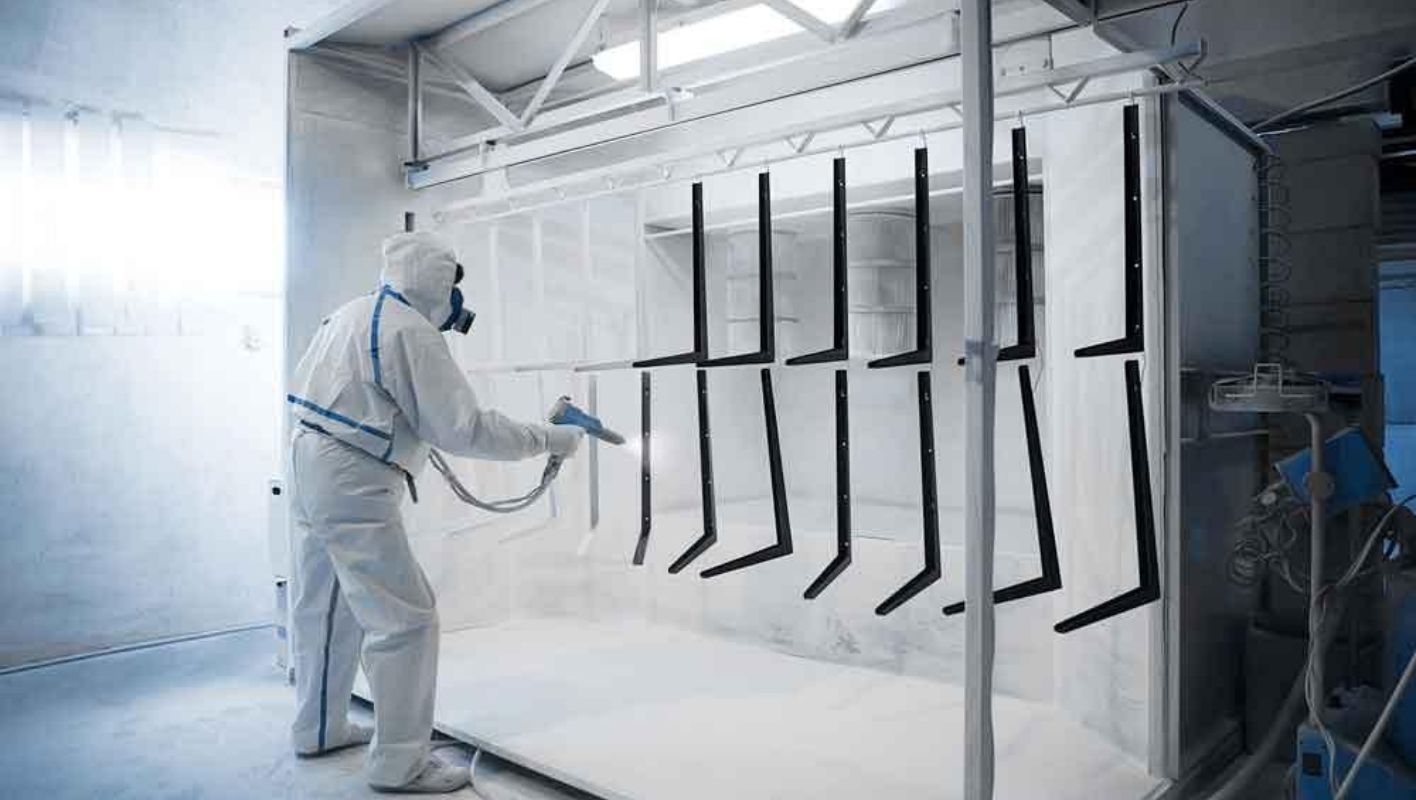
When I first discovered powder coating, it was like unveiling a secret to making aluminum both stunning and sturdy.
To powder coat aluminum, start with thorough surface preparation, apply the powder evenly, and then cure it in an oven. This process ensures a strong, durable finish. Proper prep is key for adhesion and longevity, turning your aluminum into a lasting masterpiece.
I remember the first time I tried powder coating; it felt like embarking on a new adventure. The process seemed straightforward at first glance, but as I delved deeper, I realized how each step held its own set of challenges and nuances. From cleaning and degreasing the surface to ensuring the powder is applied evenly without clumps, every detail mattered. And then came the curing phase—waiting patiently as the coated piece transformed in the oven. It’s a meticulous art, one that rewards patience and precision with stunning results. Whether you’re a beginner or a seasoned pro, understanding these intricacies can make all the difference.
Surface preparation is optional in powder coating aluminum.False
Surface preparation is crucial for adhesion and longevity of the coating.
Curing involves heating the coated aluminum in an oven.True
Curing the powder-coated product in an oven ensures a durable finish.
How Do I Prepare Aluminum for Powder Coating?
I remember the first time I prepped aluminum for powder coating—I had no idea what I was getting into!
To prepare aluminum for powder coating, I clean it thoroughly to remove any dirt and grease, sand it to create a textured surface, and apply a conversion coating to enhance adhesion. These steps are my go-to for ensuring a tough, lasting finish.
Step 1: Cleaning the Aluminum Surface
Cleaning the aluminum surface feels like setting the stage for a grand performance. My go-to routine involves a good degreaser to tackle those stubborn oils and contaminants, followed by a refreshing rinse with water. Picture this: I’m standing there, spray bottle in hand, making sure every bit of grime is gone. It’s like giving the aluminum a fresh start, free of debris, so the powder coat can shine.
| Cleaning Material | Purpose | Method |
|---|---|---|
| Degreaser | Remove oils and grease | Spray or wipe |
| Water | Rinse off degreaser and dirt | Rinse |
For more detailed methods1, including specific product recommendations, check out our expert guides.
Step 2: Sanding the Aluminum
Sanding has become my meditative moment. It’s all about creating the perfect texture for the powder to grip onto. I remember one afternoon, sanding away with medium-grit sandpaper, feeling every stroke as if I were sculpting something magnificent. For bigger projects, my electric sander is a lifesaver—it saves time and makes me feel like a pro.
- Recommended Tools:
- Medium-grit sandpaper
- Electric sander (optional)
I recommend using an electric sander for larger projects to save time and effort. Check out our tips on selecting the right tools2.
Step 3: Applying a Conversion Coating
Now, this step is like adding the secret ingredient. A conversion coating can transform how well the powder coat sticks and fights off corrosion. I usually weigh the benefits between phosphate and chromate treatments. It’s almost like choosing between two superhero capes—each has its strengths!
| Type of Coating | Benefits |
|---|---|
| Phosphate | Enhances corrosion resistance |
| Chromate | Increases paint adhesion |
Learn more about the types of conversion coatings3 available and their specific applications in various industries.
Additional Considerations
- Environment: Working in a clean, dust-free environment is key. I often imagine myself in a high-tech lab rather than my garage!
- Safety: Safety gear is non-negotiable; masks and gloves are my trusty sidekicks.
- Equipment: Investing in quality equipment pays off in spades—think of it as building your own toolkit for success.
Explore our comprehensive guide on maintaining your equipment4 to prolong its lifespan and ensure optimal performance.
Degreasing is unnecessary before powder coating aluminum.False
Degreasing removes oils and contaminants, essential for coating adhesion.
Sanding aluminum improves powder coat adhesion.True
Sanding creates a rough texture, enhancing the bond of the powder coat.
What Equipment Do I Need to Powder Coat Aluminum?
Ever wondered how to start powder coating aluminum at home? Let me guide you through the essential equipment you need!
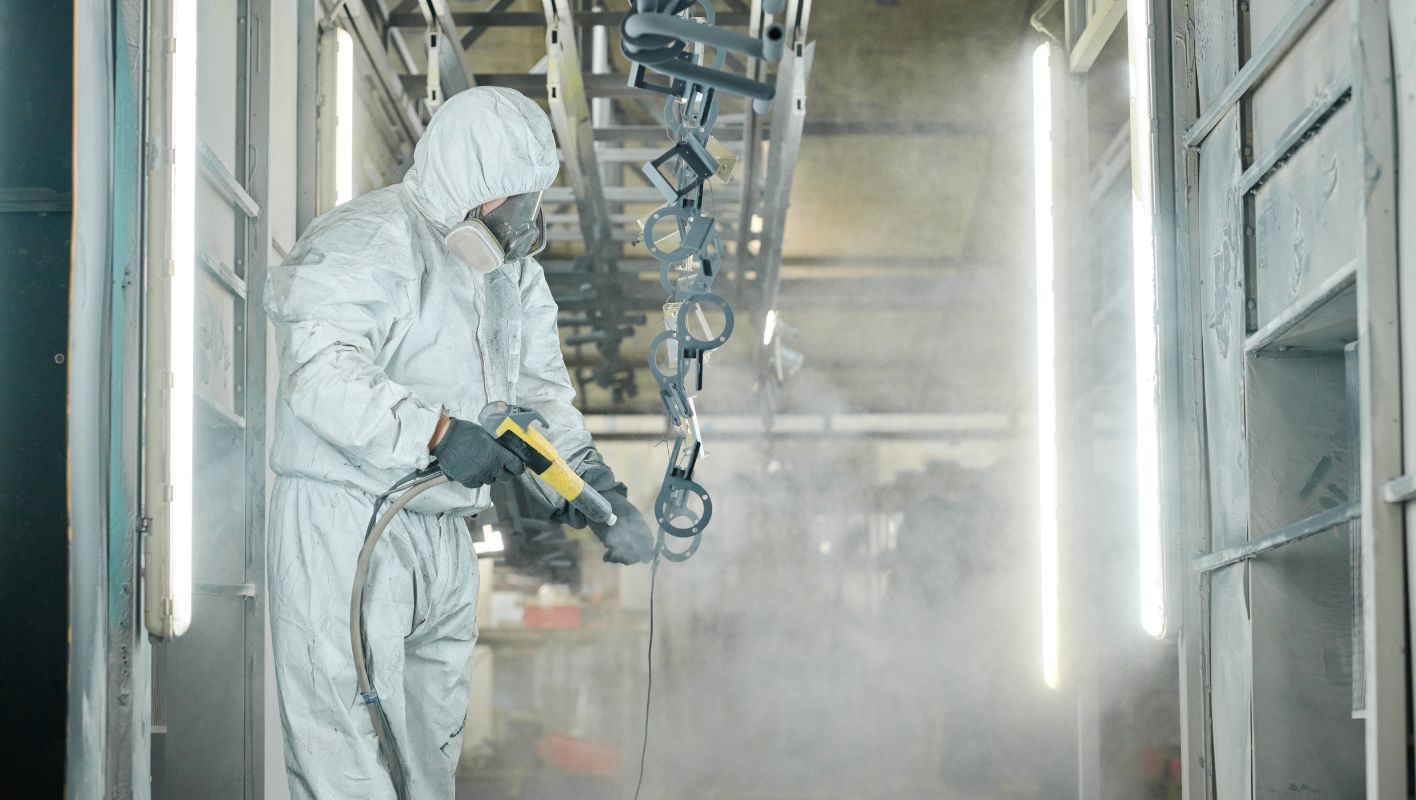
To powder coat aluminum, you’ll need a powder coating spray gun, curing oven, and a proper ventilation system. Additional tools include cleaning equipment, masking supplies, and safety gear like gloves and goggles.
Essential Equipment for Powder Coating
Powder Coating Spray Gun
The spray gun is like your paintbrush, but way cooler. This tool applies powder paint onto aluminum surfaces. I found that choosing one with optimal transfer efficiency5 really makes a difference—it reduces waste and gives a smoother finish.
Curing Oven
This is where your hard work pays off. The curing oven heats the coated aluminum, melting the powder into a beautiful, durable finish. When I started, I underestimated the importance of having precise temperature controls—trust me, it’s crucial!
| Type of Oven | Features |
|---|---|
| Batch Ovens | Suitable for small jobs |
| Conveyor Ovens | Ideal for large volumes |
Ventilation System
I can’t stress enough the importance of a good ventilation system. It’s not just about keeping the air clean; it’s about your health. Proper ventilation reduces health risks6 from inhaling powder particles.
Additional Tools and Safety Gear
Cleaning Equipment
Clean surfaces mean better adhesion. I’ve learned to always have degreasers7 and sandblasting equipment on hand to remove dirt and corrosion before coating.
Masking Supplies
Think of masking supplies as your protective shield. High-temperature tapes are lifesavers in keeping areas uncoated and residue-free after curing.
Safety Gear
Don’t skip on personal protective equipment. Gloves, goggles, and respirators are non-negotiables for safety and compliance with standards.
Understanding these essentials can really set you up for success in powder coating aluminum. It took me some trial and error to learn what works best, but having the right tools from the start can save you so much time and effort. Happy coating!
A curing oven is essential for powder coating aluminum.True
Curing ovens melt the powder, forming a smooth, durable finish.
Masking supplies are unnecessary in powder coating.False
Masking supplies protect areas from coating and withstand curing heat.
What Are Common Mistakes in Powder Coating and How to Avoid Them?
Remember the first time you tried powder coating and things didn’t quite go as planned? You’re not alone.
To avoid common powder coating mishaps, focus on proper surface prep, even powder application, and correct curing. Clean thoroughly, apply evenly, and follow curing guidelines meticulously.
Incorrect Surface Preparation
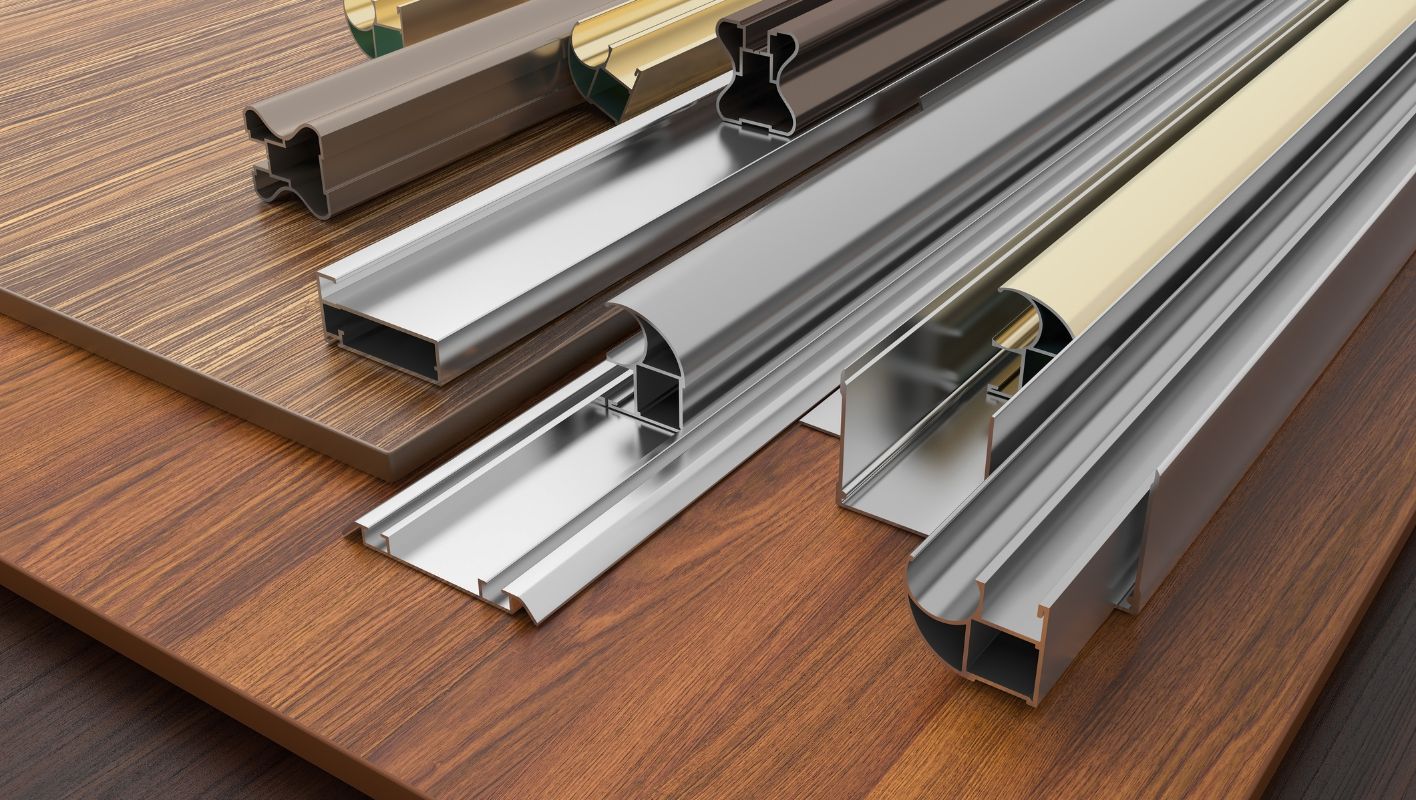
The foundation of a good powder coating lies in proper surface preparation. Let me tell you about my early days with powder coating. I was so eager to get that perfect finish that I overlooked the importance of cleaning the surface properly. I thought a quick wipe would suffice, but boy, was I wrong. When I peeled back the tape after curing, the powder came with it, revealing a patchy mess. It turned out that skipping thorough degreasing left contaminants that ruined the adhesion. Now, I religiously follow a three-step process: clean, rinse, and dry. Trust me, each step is crucial to ensure adhesion and finish quality.
Uneven Powder Application
An even application is essential for aesthetics and performance. I remember a friend of mine laughingly recalling how their first attempts at applying powder left their projects looking like a spotted cow. It was a classic case of uneven application due to incorrect spray gun settings and inconsistent distance.
| Mistake | Solution |
|---|---|
| Incorrect gun settings | Calibrate according to manufacturer’s guide |
| Inconsistent distance | Maintain a constant gun-to-part distance |
After tweaking the electrostatic spray gun settings and maintaining a constant gun-to-part distance, the results were nothing short of professional-grade.
Improper Curing
Curing is where the coating gains its properties. Once, in my impatience to see the final result, I cut corners on curing time. The finish looked okay at first but started chipping off within weeks. Now, I’m a stickler for following the manufacturer’s recommendations8 on time and temperature to achieve optimal results.
Environmental Factors
Factors like humidity and temperature during application can affect results significantly. Living in an area with high humidity, I learned the hard way that it can cause orange peel effects on my projects. Use dehumidifiers or climate control systems in your coating area to mitigate such issues.
Equipment Maintenance
Regular maintenance is something I never skip anymore because it prevents unforeseen problems during application. Cleaning spray booths and checking powder feed lines have become routine for me because small blockages can lead to big headaches.
Taking these lessons to heart has dramatically improved my powder coating results, allowing me to achieve those smooth, durable finishes that not only meet but exceed industry standards.
Skipping degreasing leads to adhesion problems.True
Degreasing removes contaminants, essential for proper adhesion.
Incorrect gun settings improve coating thickness.False
Incorrect settings cause uneven application and poor finish.
How does powder coating compare to other finishing options for aluminum?
Ever stood in front of a stack of aluminum profiles, wondering how to make them shine—literally and figuratively?
Powder coating offers unparalleled durability and aesthetic flexibility for aluminum finishes, outshining alternatives like anodizing and painting. It provides a resilient, uniform surface with diverse textures and colors, protecting against corrosion and weathering.
Durability and Protection
Let me take you back to the first time I handled a powder-coated aluminum piece. The robustness was impressive—no chips or scratches, even after a few knocks during transport. Powder coating forms a thick barrier, making it ideal for those heavy-duty applications where durability is critical9.
I remember comparing it to anodizing—a process that’s great for corrosion resistance but isn’t as forgiving with scratches. Anodizing does bond well with aluminum, giving it that nice, protective layer, but a careless scratch can still leave its mark.
| Finish Option | Corrosion Resistance | Scratch Resistance |
|---|---|---|
| Powder Coating | High | High |
| Anodizing | Very High | Moderate |
Cost Efficiency
Initially, I thought the upfront cost of powder coating might be a deal-breaker. But over time, the investment paid off. Its longevity and resilience meant fewer touch-ups and replacements, which saved both time and money in the long run. Anodizing can be similarly priced but sometimes offers better value for specific industrial needs where its natural finish is preferred.
Aesthetic Appeal
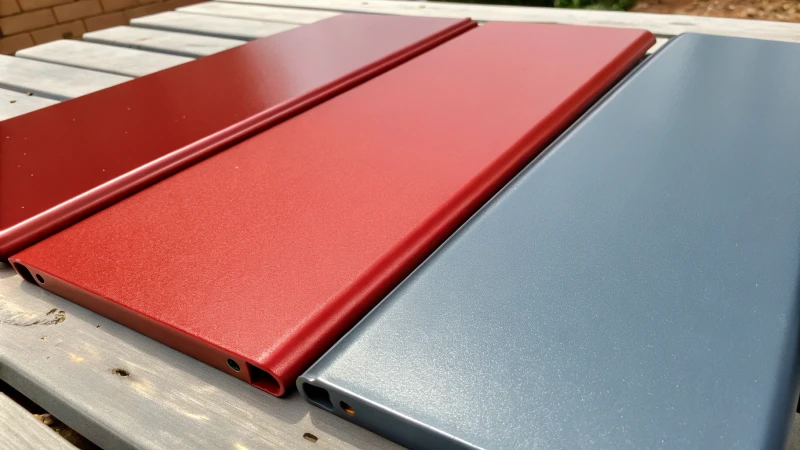
The range of finishes available with powder coating blew me away. From matte to high-gloss, and even wood grain textures, the possibilities seemed endless. This versatility has made powder coating my go-to for projects requiring a broad palette of design options. Anodizing, though limited in color, has its own charm with a unique metallic sheen that designers often favor for that natural look.
For projects where creativity knows no bounds, powder coating provides unmatched aesthetic flexibility10. Yet, anodizing remains a solid choice for those seeking understated elegance.
Environmental Considerations
In our increasingly eco-conscious world, powder coating stands out with zero VOC emissions during application. I’ve always appreciated that aspect, knowing I’m contributing to a greener planet. Anodizing is also relatively low-impact environmentally, though it does involve some hazardous chemicals.
When sustainability is high on the priority list, powder coating is often my finishing method of choice. It aligns with the ever-tightening global environmental standards and personal commitment to eco-friendly practices.
Overall, each finishing method offers distinct advantages tailored to specific needs. For projects prioritizing environmental sustainability11, powder coating emerges as a leading choice. Meanwhile, anodizing continues to hold its ground in industries demanding natural aesthetics and superior corrosion protection.
Powder coating offers high scratch resistance.True
Powder coating provides a thick, protective layer resistant to scratches.
Anodizing offers more color options than powder coating.False
Powder coating offers a wider range of color options and finishes.
Conclusion
Learn the essential steps for powder coating aluminum, including surface preparation, application techniques, and curing processes to achieve a durable and aesthetically pleasing finish.
-
Discover detailed cleaning methods and recommended products for preparing aluminum surfaces. ↩
-
Find tips on selecting the right tools to effectively sand aluminum surfaces. ↩
-
Explore different types of conversion coatings and their benefits for industrial applications. ↩
-
Learn best practices for maintaining equipment to ensure consistent, professional results. ↩
-
Discover top-rated spray guns optimized for efficiency and finish quality, perfect for your powder coating projects. ↩
-
Learn why proper ventilation is crucial in maintaining safety standards and reducing health risks during the coating process. ↩
-
Explore effective cleaning techniques to ensure your aluminum surfaces are properly prepared before coating. ↩
-
Discover specific curing guidelines from manufacturers that can help achieve optimal coating results. ↩
-
Discover how powder coating outperforms anodizing in providing durable protection for aluminum. ↩
-
Explore the extensive range of textures and colors available with powder coating. ↩
-
Learn why powder coating is considered an eco-friendly finishing option. ↩






