
What Are the Benefits of High Gloss Tiles?
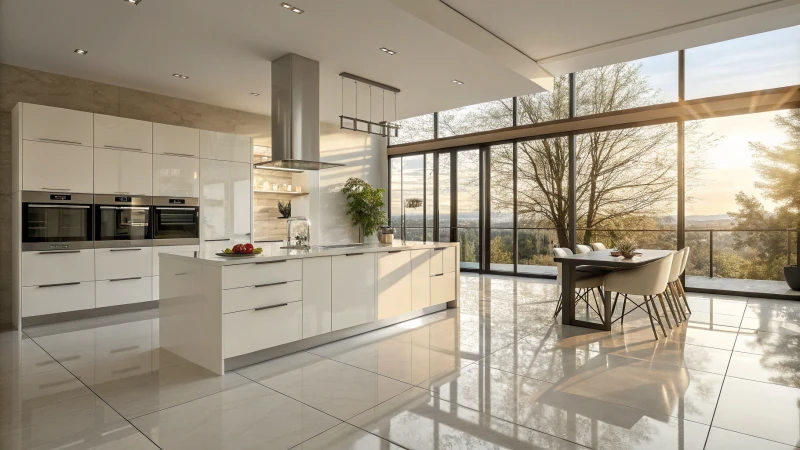
High gloss tiles are a popular choice for transforming spaces due to their stunning light reflection and sleek appearance. These tiles not only make small rooms appear larger but also brighten areas with limited natural light. Their smooth surfaces allow for easy cleaning, making them practical for high-traffic areas like kitchens and bathrooms. Available in various colors, sizes, and patterns, high gloss tiles can suit any design aesthetic—from contemporary to classic. Additionally, they can be paired with accessories like mirrors to amplify their reflective qualities. While they require some maintenance to avoid visible scratches, the overall benefits of high gloss tiles make them an excellent choice for anyone looking to elevate their interior design.
What is an Uncoupling Membrane?
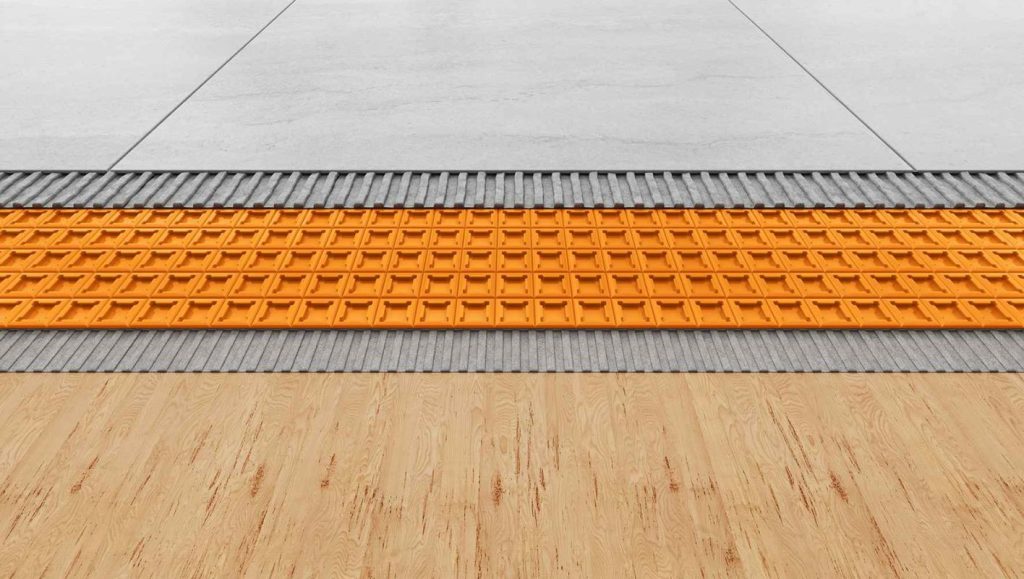
Uncoupling membranes serve as a crucial layer between tiles and substrates, allowing independent movement to prevent cracks caused by stress. They enhance waterproofing, soundproofing, and thermal insulation while being versatile for different materials. Ideal for large-format tiles or areas with temperature fluctuations, these membranes ensure long-lasting installations. Proper installation involves preparing the subfloor, selecting the right thin-set mortar, and sealing edges effectively. While they add to project costs, their benefits in preventing damage can outweigh expenses. Understanding their features helps in choosing the right type for specific needs, making them invaluable for both DIY enthusiasts and professionals alike.
What You Need to Know Before Buying Brick Wall Tiles?
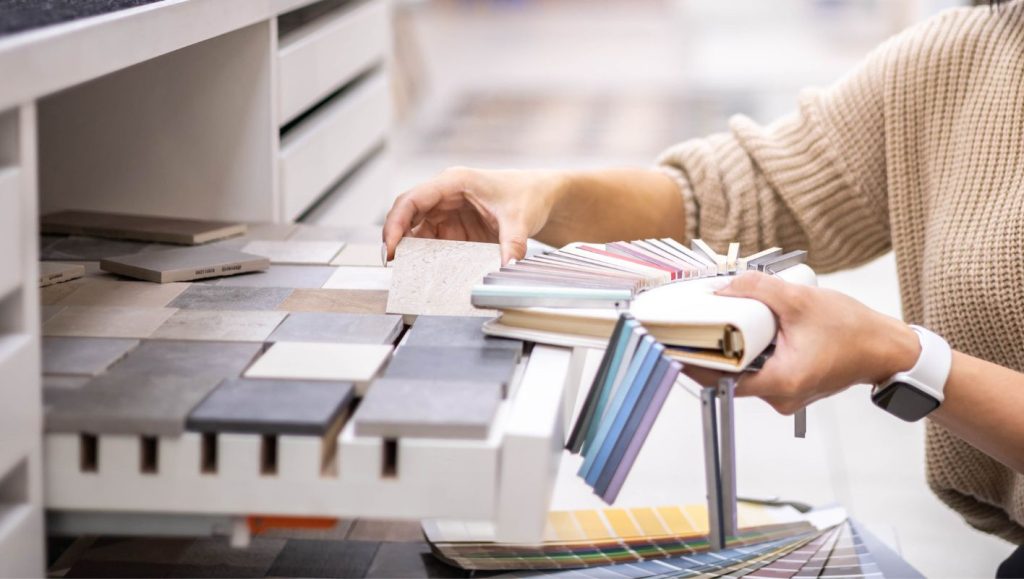
Buying brick wall tiles can enhance your space significantly. However, it’s essential to evaluate factors such as budget, installation options, and maintenance requirements. Choosing the right material—ceramic, porcelain, or natural stone—can impact durability and aesthetics. Proper installation is crucial for longevity; consider hiring professionals if needed. Additionally, understanding costs—including materials and labor—will help you stay within budget. Regular maintenance like cleaning and sealing is necessary to preserve the beauty of your tiles over time. By considering these aspects carefully, you can make an informed decision that meets both your aesthetic desires and practical needs.
What is Wall Panelling?
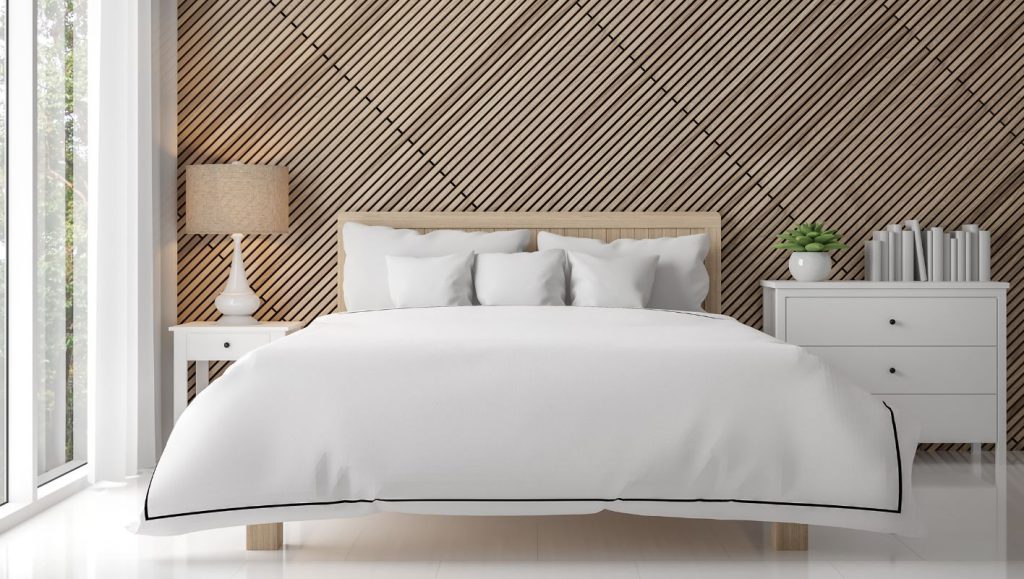
Wall panelling is a versatile design solution that can dramatically enhance the aesthetic appeal of any room while providing additional insulation and protection. Made from materials such as wood, MDF, PVC, and metal, wall panels come in various styles including wainscoting, shiplap, beadboard, and reclaimed wood. Each style offers unique benefits; for instance, wainscoting adds timeless charm to dining rooms while shiplap brings a modern coastal feel. Beyond aesthetics, wall panelling improves insulation against temperature fluctuations and noise pollution. It also conceals imperfections on walls and requires minimal maintenance compared to painted surfaces. Choosing the right paneling involves considering material types, installation ease, environmental impact, and budget constraints to create a space that reflects personal style while being functional.
Should I Tile The Walls or Floor First?
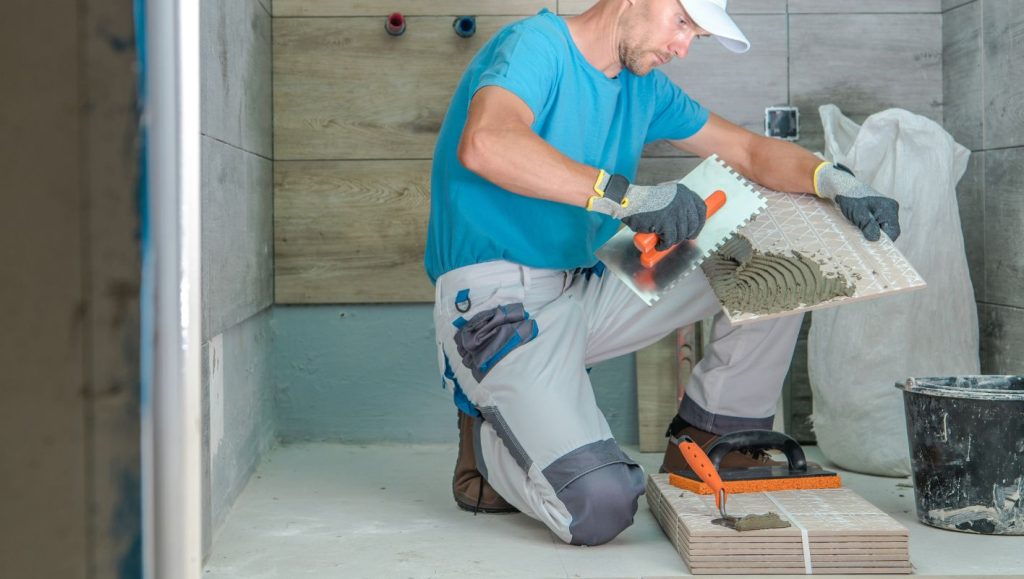
When tackling a tiling project, the sequence of installation—walls first or floor first—can significantly impact the outcome. Tiling walls before floors generally protects floor tiles from damage during installation and allows for better alignment at the junctions. However, this method requires careful planning to safeguard unfinished floors and ensure precise measurements. Each room type, whether kitchen, bathroom, or living area, has unique considerations that influence the tiling order to achieve both aesthetic appeal and functional efficiency. By understanding these factors and preparing adequately with the right tools and materials, you can transform your space beautifully while avoiding common pitfalls associated with improper tiling sequences.
