 Skip to content

Brick wall tiles can transform your space, but there’s more to the decision than meets the eye.
Before buying brick wall tiles, consider your budget, installation options, and maintenance needs. These factors ensure your tiles not only look great but also fit your project’s demands.
I’ve been there, standing in front of endless choices, feeling a bit overwhelmed. When picking out brick wall tiles, it’s crucial to think beyond just the look. Dive into the details—like the material quality, any tricky bits about installation, and what it’ll take to keep them looking fresh over time. Let’s dig deeper into these essential elements to ensure you make a decision that not only looks amazing but also fits seamlessly into your life.
Brick wall tiles are maintenance-free once installed.False
Brick wall tiles require regular cleaning and sealing to maintain their appearance.
Installation method impacts the longevity of brick wall tiles.True
Proper installation ensures stability and durability, affecting the tiles' lifespan.
How Do You Choose the Right Material for Brick Wall Tiles?
Choosing the perfect material for your brick wall tiles can feel like picking the right outfit for a special occasion. It needs to be just right to ensure everything looks and functions beautifully.
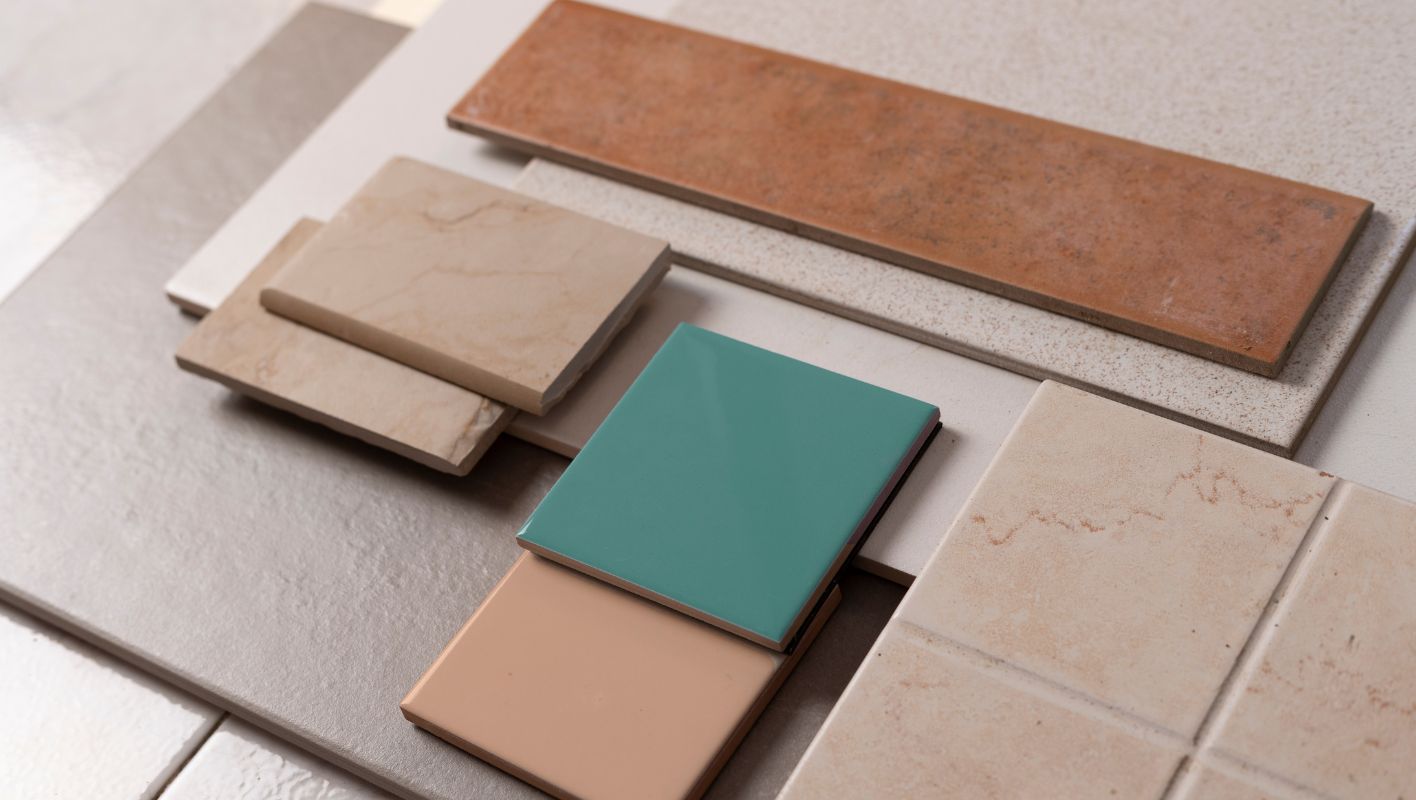
To select the best material for brick wall tiles, weigh factors like durability, cost, maintenance, and style preferences. Options such as ceramic, porcelain, and natural stone each offer unique benefits depending on your project’s specific needs.
Understand Your Project Requirements
When I was first diving into my own home renovation project, I realized how important it was to clearly define what I wanted. Was it all about aesthetics, or did I care more about durability? For instance, if you’re like me and want a balance between beauty and function, ceramic tiles1 might be a great option because they’re affordable and come in so many varieties.
Analyze Material Properties
Each material has its quirks. Remember when I tried using porcelain in my kitchen? Its density and waterproof nature were lifesavers in the moisture-prone environment. On the flip side, if you’re drawn to the classic look of natural stone, just be prepared for some extra maintenance.
| Material | Durability | Maintenance | Cost |
|---|---|---|---|
| Ceramic | Moderate | Low | Low |
| Porcelain | High | Low | Medium |
| Natural Stone | High | High | High |
Evaluate Aesthetic Preferences
It’s amazing how much the right material can transform a space. When I was renovating my living room, the rustic charm of natural stone truly made the area feel cozy and timeless. But if you’re leaning towards a sleek, modern vibe, maybe glass tiles2 are more your style.
Consider Environmental Impact
Sustainability is more than just a buzzword; it’s a responsibility. I remember the satisfaction of choosing eco-friendly materials like bamboo tiles3 for my bathroom renovation, knowing they aligned with my values and contributed to a smaller carbon footprint.
Factor in Installation Methods
Trust me, I’ve learned the hard way that different materials need different approaches. Ceramic tiles were a breeze for my DIY skills, but when it came to natural stone, I called in the pros due to its weight and texture complexities.
Cost vs. Value Analysis
Budgeting can be tricky. While initial costs might sway you one way, remember that quality materials pay off over time. My choice to invest in high-quality tiles saved me from frequent repairs and replacements down the road. Always consider the total cost of ownership4 over the lifespan of your tiles to make a choice you won’t regret.
| Consideration | Description |
|---|---|
| Initial Cost | Upfront expenses related to purchase and install |
| Maintenance Cost | Ongoing upkeep expenses |
| Longevity | Expected lifespan of the material |
In choosing the right material for your brick wall tiles, it’s all about finding that perfect balance between practicality and personal preference. By taking these factors into account, you can ensure that your decision not only meets your needs but also enhances the beauty and functionality of your space.
Ceramic tiles are the most cost-effective option.True
Ceramic tiles are known for their affordability compared to other materials.
Natural stone tiles require less maintenance than porcelain.False
Natural stone requires more maintenance due to its porous nature and upkeep needs.
What Are the Costs Involved in Installing Brick Wall Tiles?
Thinking about giving your walls a classic, timeless look with brick tiles? Let’s dive into the costs to keep your budget on track!
The cost of installing brick wall tiles includes materials, labor, and other expenses like surface prep and grout. Typically, you’ll spend between $10 to $30 per square foot.
Material Costs
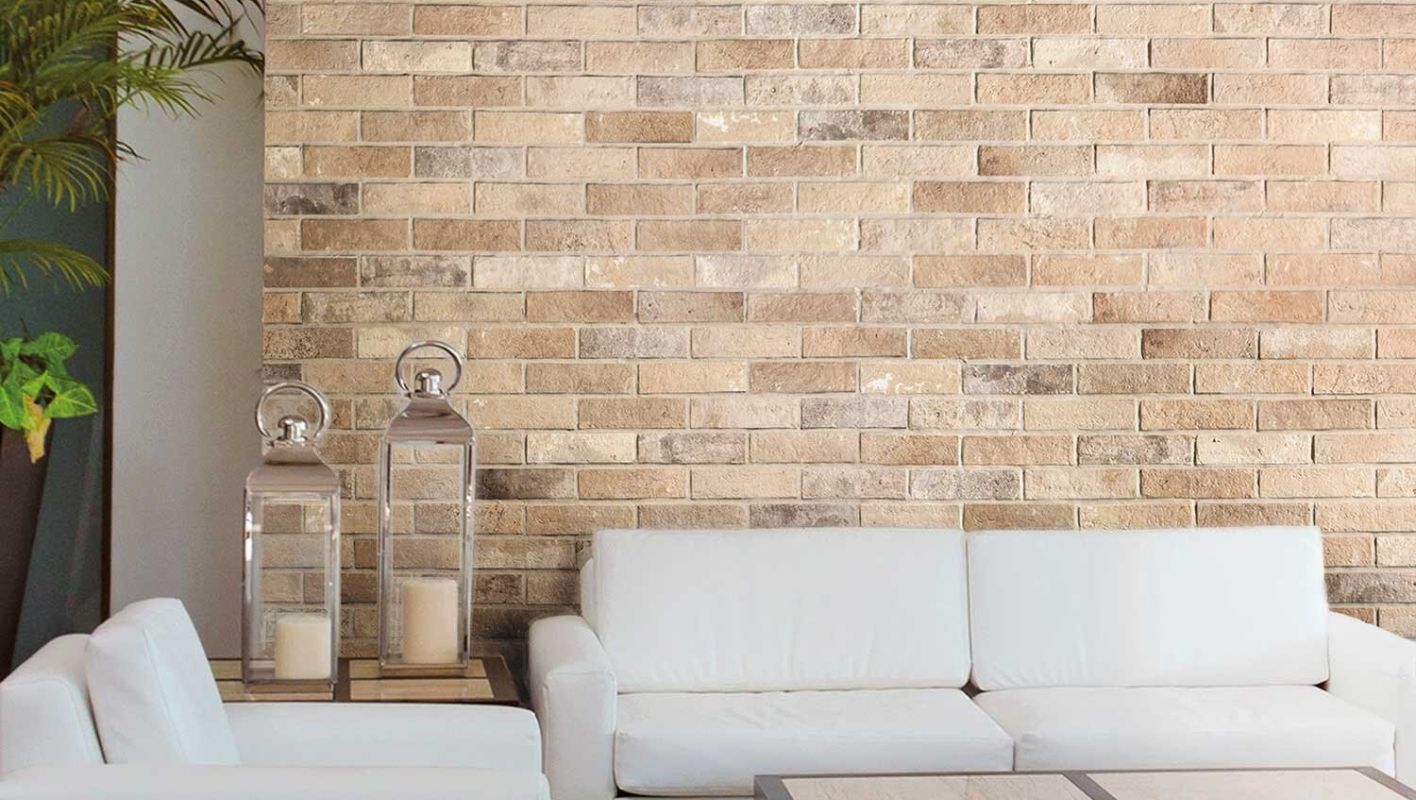
When I first started exploring brick wall tiles, I was amazed by the range of styles and qualities out there. Standard brick tiles are generally priced between $5 to $15 per square foot, but if you’re aiming for something a bit more luxurious, premium options can reach up to $25 per square foot. One piece of advice I’d offer is to start by checking out some brick tile options5 in your area; it can give you a better sense of what’s available and at what price.
| Tile Type | Cost Range (per sq ft) |
|---|---|
| Standard Brick | $5 – $15 |
| Premium Brick | $15 – $25 |
Labor Fees
I remember when I helped a friend with their remodel, and we discovered that hiring professionals for installation really paid off. You’re looking at spending between $5 to $10 per square foot. This covers the expertise in laying tiles perfectly aligned and applying grout. Trust me, getting experienced tile installers6 can make a world of difference in the final look.
Additional Expenses
- Surface Preparation: I’ve learned that the condition of your existing walls can add extra costs. Prepping might involve cleaning or rebuilding parts of the wall, which can cost an extra $2 to $5 per sq ft.
- Grout and Sealant: These are crucial for maintaining durability. Expect to pay another $1 to $2 per sq ft, but investing in high-quality grout7 is worth it to avoid frequent repairs.
Comparing with Other Tile Types
I’ve often compared brick tiles with ceramic or porcelain options during projects. Although brick tiles might be pricier initially, they have this unique aesthetic charm that’s hard to match. Ceramic tiles are usually priced between $3 and $8 per sq ft, while porcelain ranges from $5 to $10.
| Tile Type | Material Cost Range (per sq ft) |
|---|---|
| Brick | $5 – $25 |
| Ceramic | $3 – $8 |
| Porcelain | $5 – $10 |
Exploring alternative tile options8 can help you weigh the pros and cons efficiently.
Understanding these costs can really help you plan your budget effectively so unexpected expenses don’t sneak up on you and throw off your project timeline or financial plans.
Standard brick tiles cost $5 to $15 per sq ft.True
Standard brick tiles are priced between $5 and $15 per square foot.
Professional installation costs $2 to $5 per sq ft.False
Professional installation costs range from $5 to $10 per square foot.
What Are the Key Steps for Installing Brick Wall Tiles?
Ever tried installing brick wall tiles and felt like you were piecing together a giant, heavy jigsaw puzzle?
Yes, there are specific installation methods for brick wall tiles, involving thorough surface preparation, selecting the right adhesive, and precise tile placement. These steps are essential to achieve a durable and professional finish.
Surface Preparation for Brick Wall Tiles
I remember my first time tackling a brick tile project. I thought, "How hard can it be to stick some tiles on a wall?" Well, pretty hard if the surface isn’t prepped right! It all starts with cleaning—imagine scrubbing away years of grime and grease. It’s like giving your wall a fresh start! For those pesky uneven spots, a leveling compound is your best friend. And if you’re working in moisture-prone areas like bathrooms, make sure to apply a waterproof membrane. Trust me, you don’t want your beautiful tiles becoming a moldy mess.
Consider using cement backer board9 to provide a stable base, especially in areas with heavy moisture exposure.
Selecting the Right Adhesive
Choosing the right adhesive is like finding the perfect partner—it needs to be strong and reliable. For most projects, a pre-mixed thin-set mortar does wonders. But if you’re working outside or dealing with high-moisture zones, go for the polymer-modified thin-set. I once learned this the hard way when my beautiful patio tiles started shifting after a rainstorm!
Here’s a table to help you choose:
| Environment | Recommended Adhesive |
|---|---|
| Interior Dry | Standard Thin-Set Mortar |
| Interior Wet | Waterproof Thin-Set Mortar |
| Exterior | Polymer-Modified Thin-Set |
Always check the adhesive types10 guidelines to ensure compatibility with your tiles.
Tile Placement Techniques
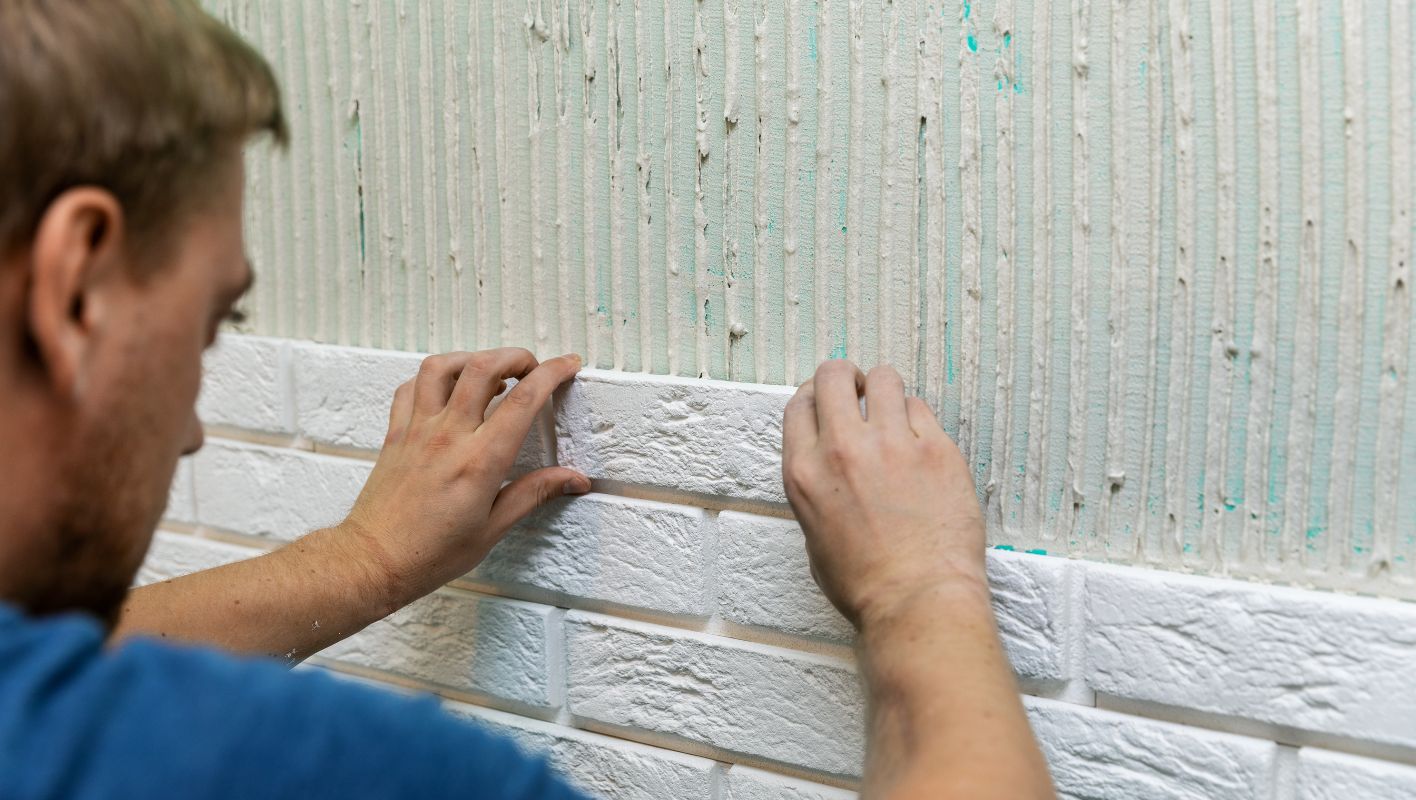
I like to think of tile placement as a game of precision. Start by marking a level line—this is your guiding star. Use spacers to keep those gaps nice and even for grouting later on. Begin tiling from the center to avoid awkward corner cuts that can ruin symmetry.
Using a notched trowel, spread the adhesive evenly like you’re frosting a cake, and press each tile firmly to banish air pockets.
Grouting and Finishing Touches
Once those tiles are set and the adhesive has cured, it’s time for grouting. I learned the importance of this step when I left excess grout on too long—what a nightmare! Use a rubber float to apply it between tiles and wipe away the extra with a damp sponge.
Finally, seal that grout to keep out moisture and prevent staining. A little regular maintenance will keep your tiles looking pristine. Discover more grouting techniques11 that ensure a polished finish and protect your installation over time.
Each step might seem daunting at first, but trust me, once you see that final polished look, you’ll know it was all worth it!
Surface must be clean before installing brick wall tiles.True
Cleaning ensures adhesive bonding by removing dirt, grease, or coatings.
Use any adhesive for exterior brick tile installations.False
Exterior installations require polymer-modified thin-set for durability.
How Do You Maintain Brick Wall Tiles Over Time?
Remember that time you discovered an unexpected leak in your brick wall? The experience taught me just how important regular maintenance is for preserving the beauty and strength of brick wall tiles.
Brick wall tiles need regular cleaning, sealing, and inspection to keep their charm and durability. Routine upkeep prevents moisture damage and helps maintain their visual appeal over time.
Cleaning Practices for Brick Wall Tiles
Cleaning your brick wall tiles is a lot like taking care of a classic car – it requires attention and the right tools. I remember spending a Saturday afternoon with a soft-bristle brush and a gentle detergent mix, scrubbing away the grime that had accumulated over the winter months. It was satisfying to see the original color and texture of the bricks reappear, reminding me why I fell in love with them in the first place. Just be sure to avoid harsh chemicals that could harm the surface. For those stubborn stains, there’s always a specialized brick cleaning product12 to save the day.
Sealing and Waterproofing
I learned the hard way that sealing brick wall tiles isn’t something you can skip. It was after a particularly wet season when I noticed some unsightly efflorescence on my walls. Applying a good-quality sealant every few years can make a world of difference. It acts like a raincoat for your bricks, keeping moisture at bay and preventing damage from freeze-thaw cycles. Before you start, make sure the bricks are clean and dry – trust me, it’s worth the extra effort to ensure the sealant’s effectiveness13.
| Type of Sealant | Frequency of Application | Benefits |
|---|---|---|
| Water Repellent | Every 3-5 years | Protects against moisture |
| Penetrating | Every 7-10 years | Deep protection for porous bricks |
Inspection for Damage and Repairs
I’ve made it a habit to inspect my brick walls regularly. Just like checking the oil in your car, routine inspections can catch issues early before they become costly repairs. I’ve found small cracks and loose tiles during these checks – all manageable with a bit of mortar or a replacement tile. Conducting these inspections seasonally or after big storms is a good rule of thumb.
Preventing Mold and Mildew
Mold and mildew are unwelcome guests that seem to thrive in moist environments. In spaces like bathrooms or basements where humidity runs high, ensuring proper ventilation is key. I remember tackling mold with a vinegar solution one summer – not exactly my favorite weekend activity, but necessary to keep those bricks looking pristine. If you’re dealing with mold, a mild bleach mixture can also do the trick.
For more tips on keeping mold at bay, check out our mold prevention tips14.
Brick tiles require sealing every 3-5 years.True
Sealing prevents moisture damage and should be done every 3-5 years.
Harsh chemicals are recommended for cleaning brick tiles.False
Harsh chemicals can erode the surface; use mild detergent instead.
Conclusion
Before purchasing brick wall tiles, consider budget, installation methods, maintenance needs, and material types to ensure a beautiful and functional addition to your space.
-
Explore why ceramic tiles are a popular choice, offering versatility in design and cost-effectiveness. ↩
-
Gain inspiration from innovative glass tile designs that provide a sleek, contemporary look. ↩
-
Learn about sustainable bamboo tile options that reduce environmental impact. ↩
-
Understand the long-term value of different tile materials beyond initial costs. ↩
-
Discover the variety of brick wall tiles and their price ranges to make an informed choice for your project. ↩
-
Find skilled tile installers who can ensure a perfect finish for your brick wall tile project. ↩
-
Choosing the right grout enhances tile longevity; explore top grout options for brick tiles. ↩
-
Compare the costs and benefits of brick and ceramic tiles to choose the best fit for your project. ↩
-
Cement backer board provides stability and moisture resistance, essential for durable tile installations. ↩
-
Understanding adhesive options ensures proper bonding and longevity of your brick wall tiles. ↩
-
Proper grouting techniques enhance tile durability and aesthetic appeal. ↩
-
Discover top-rated products that effectively clean brick wall tiles without damaging them. ↩
-
Learn techniques to properly apply sealant to protect your brick tiles from moisture. ↩
-
Explore practical strategies to keep mold and mildew away from your brick surfaces. ↩







