
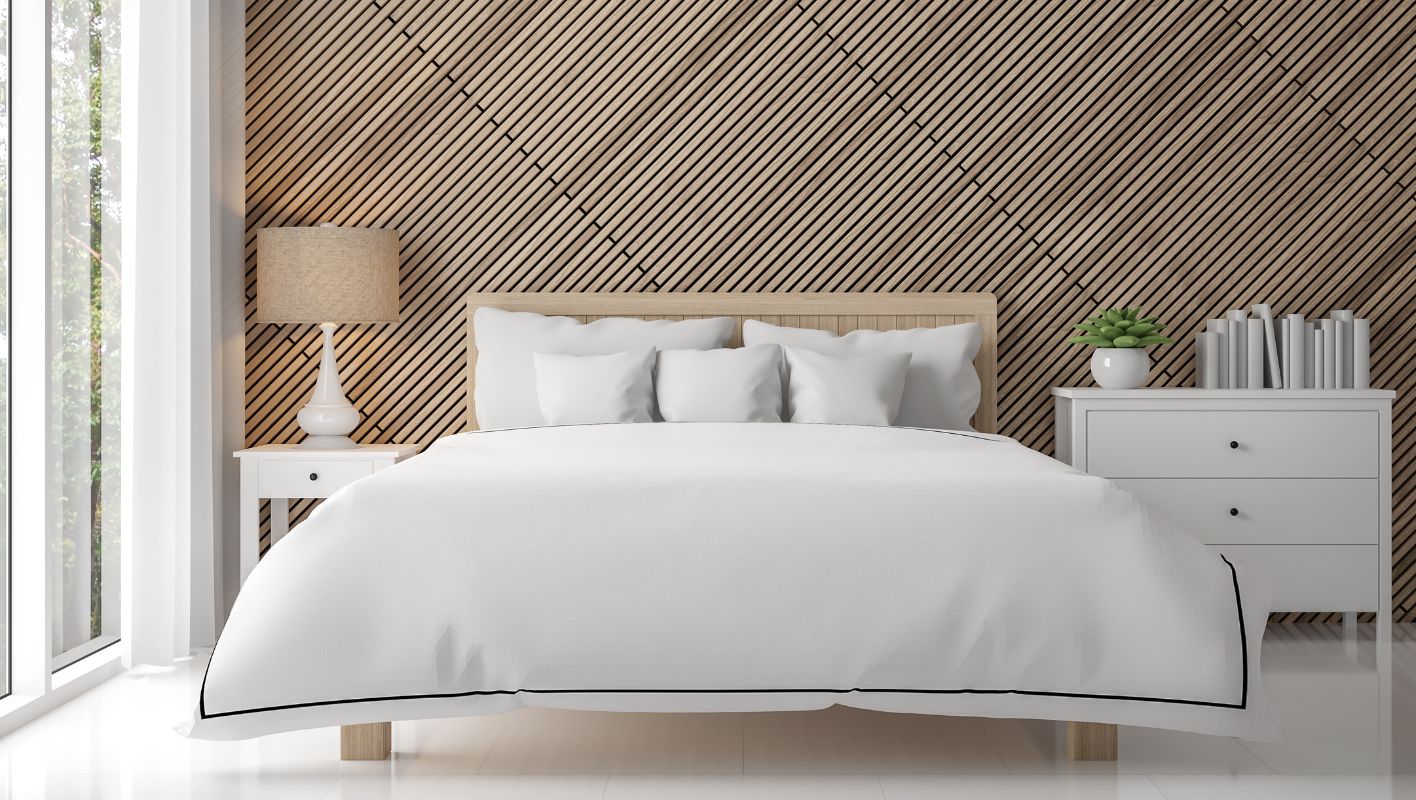
Thinking of sprucing up your space but not sure where to start? Wall panelling might be just what you need.
Wall panelling is all about covering walls with decorative panels made from materials like wood, plastic, or composites. These panels enhance aesthetics and provide extra insulation and protection.
I remember the first time I stumbled upon wall panelling; it was like discovering a hidden gem in home design. Beyond its beauty, the variety of materials and styles available can transform any room into a cozy retreat or a sophisticated showroom. Let’s explore the fascinating world of wall panelling together.
Wall panelling can improve wall insulation.True
Wall panels add a layer of material that can enhance thermal insulation.
All wall panels are made from wood.False
Wall panels can be made from wood, plastic, or composites.
What Are the Different Types of Wall Paneling?
Ever wondered how wall paneling can completely change the vibe of a room? Let’s dive into the world of wall panels and explore the styles that could transform your home.
Wall paneling offers a variety of styles like wainscoting, shiplap, beadboard, and reclaimed wood, each bringing unique aesthetic and functional benefits. Choose based on your design needs and style preferences to elevate your interior spaces.
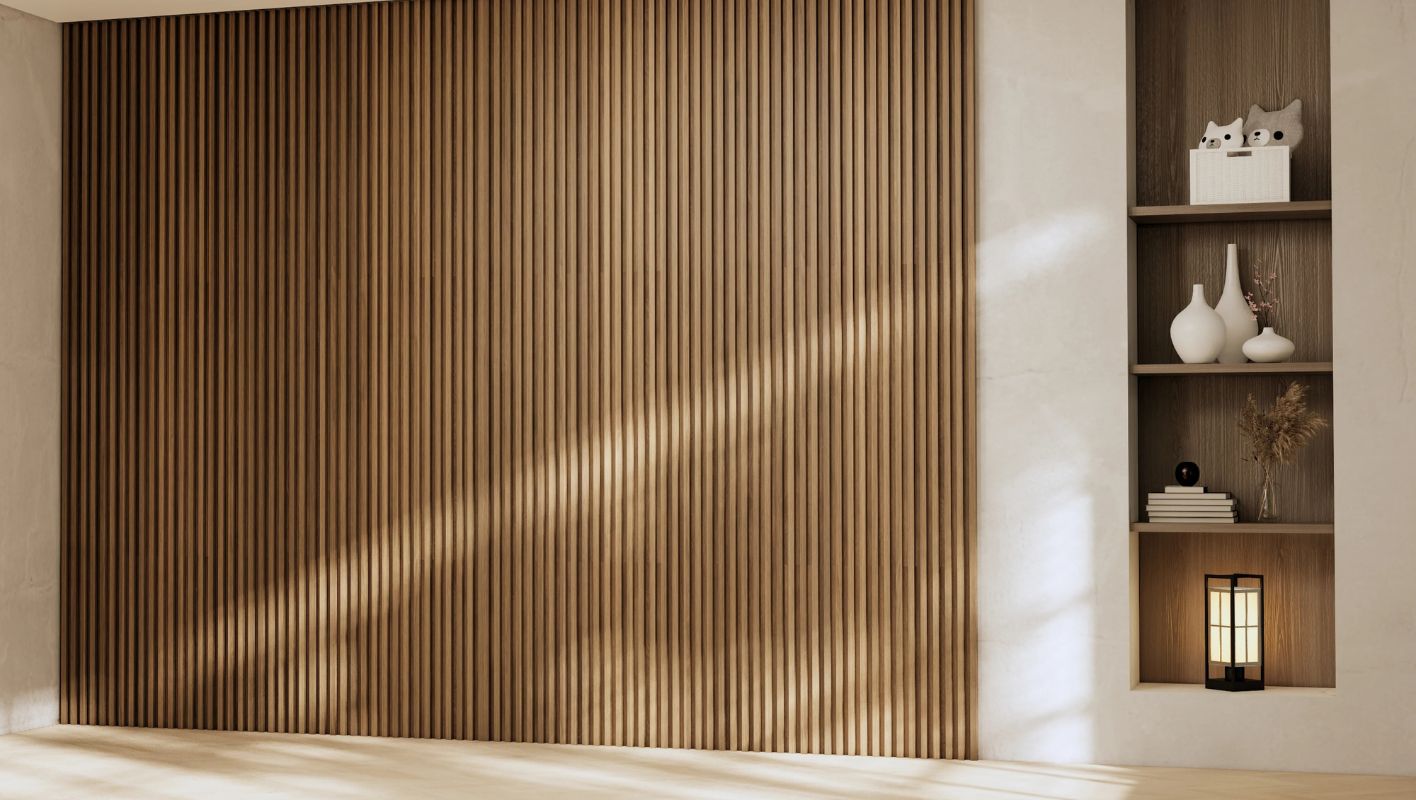
Classic Wainscoting
Ah, wainscoting. It always reminds me of my grandmother’s dining room—a place that felt grand yet welcoming. Wainscoting is that classic wall paneling style that elevates a space with its timeless charm. Made from wood or MDF1, this paneling is typically installed on the lower half of walls, not just for looks, but also to protect from those inevitable scuffs in bustling areas. It’s perfect for spaces like dining rooms or hallways where elegance and durability meet.
Modern Shiplap
I first fell for shiplap during a coastal vacation, where every home seemed to whisper "relaxation" with its rustic yet modern appeal. Shiplap’s horizontally placed wooden boards and overlapping edges offer a clean, linear appearance that fits right into contemporary designs. Whether you’re painting it a bright white for a fresh bathroom look or staining it for a cozy living room accent wall, shiplap is a DIY favorite for adding character and texture.
Versatile Beadboard
Beadboard paneling evokes memories of cozy cottages and charming kitchens. This style features narrow, vertical planks with tiny ridges—those "beads" that add subtle elegance. Beadboard is incredibly versatile; whether it’s pre-finished panels or individual planks, it works wonders on both walls and ceilings. I love how it can be painted in any color to match the overall theme, making it a staple in achieving that classic cottage feel.
Eco-Friendly Reclaimed Wood Panels
There’s something special about reclaimed wood panels. Maybe it’s the story each piece tells or the unique textures and tones that make every installation one-of-a-kind. Using repurposed wood, these panels are an eco-friendly choice, perfect for creating an industrial or rustic vibe. They’re ideal not just for homes but commercial spaces too, providing a sustainable yet stylish solution.
| Type of Paneling | Material | Common Use |
|---|---|---|
| Wainscoting | Wood/MDF | Dining Rooms, Hallways |
| Shiplap | Wood | Bathrooms, Accent Walls |
| Beadboard | Wood/MDF | Kitchens, Bathrooms |
| Reclaimed Wood Panels | Reclaimed Wood | Residential/Commercial |
As you explore these options, think about the mood and functionality you want to bring into your space. Whether you’re drawn to the traditional sophistication of wainscoting or the rustic charm of reclaimed wood, there’s a paneling style that perfectly aligns with your vision.
Wainscoting is typically made from metal.False
Wainscoting is usually made from wood or MDF, not metal.
Shiplap is known for its overlapping edges.True
Shiplap's overlapping edges create a clean, linear appearance.
How Does Wall Panelling Benefit Interior Spaces?
Ever walked into a room and felt an immediate sense of warmth and character? That’s the magic of wall panelling.
Wall panelling enhances interior spaces by boosting insulation, aesthetics, and durability while reducing noise and hiding imperfections. It’s a flexible design solution that adds both beauty and functionality to any room.
Enhancing Aesthetic Appeal
I remember the first time I walked into a friend’s newly renovated living room. The walls had this beautiful wooden paneling that seemed to wrap the entire space in a warm hug. It was like stepping into a cozy cabin, right in the middle of the city. That’s what wall paneling can do—it transforms a space, creating a unique atmosphere that can reflect your personal style, whether you’re aiming for rustic charm or sleek modernity. With countless materials and colors to choose from, there’s always room to express yourself creatively.
Wall panelling is a powerful tool for achieving various design styles2, from rustic charm to modern minimalism. Its diverse range of materials, textures, and colors allows for creative expression and personalization.
| Material | Texture Options | Color Variants |
|---|---|---|
| Wood | Smooth, Grained | Oak, Walnut |
| MDF | Flat, Textured | Customizable |
| PVC | Glossy, Matte | White, Beige |
Improving Insulation
Having lived through harsh winters and sweltering summers, I’ve learned the hard way how crucial good insulation is. Wall panels can be a game-changer here. They add that extra layer of thermal protection, which keeps my home cozy during those chilly months and pleasantly cool when the sun decides to turn up the heat. Plus, materials like cork and fabric don’t just insulate against temperature—they also muffle sound, bringing a much-needed calm to our busy lives.
- Thermal Insulation: Keeps spaces warmer in winter and cooler in summer.
- Acoustic Benefits: Panels like cork and fabric can significantly reduce noise levels, enhancing the tranquility of interiors.
Boosting Durability and Maintenance
I can’t tell you how many times wall panelling has saved me from the inevitable chaos of kids’ toys and pets’ claws. The durability it offers is unmatched, resisting scratches and impacts that would leave ordinary walls looking tired and worn. And let’s talk maintenance—while painted walls need constant touch-ups, my panels require just a quick wipe now and then, saving both time and money.
Wall panelling is not only about aesthetics; it also adds a layer of protection to walls, making them more resistant to wear and tear. Many materials are easy to clean and maintain, offering long-term savings3 on repairs.
- Durability: Most panels are resistant to scratches and impacts.
- Low Maintenance: Unlike painted surfaces, panels require less frequent cleaning and repainting.
Concealing Imperfections
Let’s face it—no one wants to see ugly wires snaking across their walls or cracks that seem to appear out of nowhere. Wall panelling provides an elegant solution by hiding these eyesores, giving my home a cleaner, more polished look. Whenever I’m planning a renovation,
exploring different types of panels4 feels like embarking on an exciting journey where each choice can bring a new vibe into my living space.
Wall panels improve energy efficiency.True
Panels provide thermal insulation, reducing heat loss and gain.
PVC panels offer no acoustic benefits.False
PVC panels can reduce noise, enhancing interior tranquility.
What Materials Are Commonly Used in Wall Panelling?
You know, wall panelling is like the secret ingredient that can totally transform a room. Ever wondered what materials are best? Let’s dive in!
Common wall panelling materials include wood, MDF, PVC, glass, and metal. Each has its own unique charm and practicality, perfect for different design and functional needs.
Wood
When I think of wood panelling, I picture my grandfather’s cozy study filled with the rich scent of oak. Wood offers that timeless warmth and natural elegance that’s hard to resist. You have options like oak, pine, and cedar, each with its unique grain. Hardwood is robust and versatile—stain it, paint it, or let it shine in its natural glory. While softwood might be easier on the budget, keep in mind it demands a bit more care.
| Material | Pros | Cons |
|---|---|---|
| Wood | Natural look, durable | Can be expensive, maintenance |
Medium-Density Fiberboard (MDF)
MDF is like the unsung hero of wall panelling. It’s made from breaking down wood residuals into fibers, mixed with wax and resin. I remember using it in my first DIY project because of its smooth surface—ideal for painting my wild ideas into reality. Its resistance to warping and ability to mold into creative designs make it a go-to for decorative styles.
| Material | Pros | Cons |
|---|---|---|
| MDF | Smooth finish, affordable | Not as durable as solid wood |
Polyvinyl Chloride (PVC)
PVC panels remind me of the time I decided to revamp my bathroom without worrying about moisture wreaking havoc. They’re lightweight, waterproof, and a breeze to install. Available in a myriad of colors and designs, PVC can mimic wood or stone without the fuss. Plus, cleaning them is child’s play!
Glass
Glass panels always bring to mind a modern art gallery I visited once. They can add a sleek touch to any space. Whether it’s an accent wall or paired with other materials, glass can make a statement. Frosted or textured options offer privacy while letting light dance through the room—creating an airy feel.
Metal
Metal panels scream industrial chic. Picture aluminum or steel lending a contemporary vibe. Their durability and fire resistance make them a staple in commercial settings but don’t underestimate their potential in residential designs too. Go raw for an edgy look or paint them for a smoother finish—metal can be surprisingly versatile.
Explore various designs with metal panels5 to add a unique touch to your projects.
Wood panels require more maintenance than PVC.True
Wood is natural and needs regular care, unlike low-maintenance PVC.
MDF panels are more durable than hardwood panels.False
Hardwood is generally more durable than MDF, which is engineered wood.
How Do I Choose the Right Wall Panelling for My Project?
I remember the first time I walked into a room with exquisite wall panelling. It wasn’t just the look—it was the feel, like the space had a story to tell. Choosing the right wall panelling can be that transformative.
To choose the right wall panelling, start by considering material type, style, and installation needs. Evaluate your space’s design preferences and practical demands to find a panel that complements your project beautifully while also being functional.
Material Types: Pros and Cons
When I first embarked on my wall panelling journey, I felt like a kid in a candy store. There were so many material options6 to explore! I quickly learned that each material—whether it’s wood, MDF, PVC, or metal—comes with its own perks and quirks.
| Material | Pros | Cons |
|---|---|---|
| Wood | Natural look, durable | Expensive, requires maintenance |
| MDF | Cost-effective, versatile | Prone to moisture damage |
| PVC | Waterproof, easy to clean | Less eco-friendly |
| Metal | Modern appearance, durable | Can be expensive, complex installation |
Choosing the right one is all about weighing these factors against what you want and need for your space.
Design Style and Aesthetic Appeal
I remember staring at samples of a classic wainscoting look7 and imagining how they’d fit into my home’s style. The trick is to match your panelling with your interior theme—whether it’s the cozy charm of a traditional design or the sleek lines of modern minimalism.
Installation and Maintenance
As someone who’s had their share of DIY triumphs and disasters, I can tell you that installation ease is vital. Some panels scream "call a professional," while others invite you to roll up your sleeves. Look for panels with simple installation instructions8, especially if you’re a weekend warrior like me.
Environmental Impact
Sustainability is more than a buzzword; it’s a way of life. I always check for eco-labels9 to ensure that my choices are kind to the planet. Opting for eco-friendly materials can make a world of difference.
Cost Considerations
Budgeting isn’t just about counting pennies. It’s about balancing initial costs with long-term expenses. I’ve learned that investing a bit more upfront often pays off in durability and reduced maintenance down the road.
Ultimately, the right wall panelling isn’t just about aesthetics; it’s about creating a space that feels like home.
Wood panels are the most eco-friendly option.False
Wood requires deforestation, unlike recycled materials like MDF or PVC.
PVC panels are waterproof and easy to clean.True
PVC's composition makes it resistant to water and simple to maintain.
Conclusion
Wall panelling enhances interior aesthetics, insulation, and durability. Available in various materials like wood and PVC, it transforms spaces while offering functional benefits such as noise reduction and easy maintenance.
-
Explore various materials for wainscoting to choose the best fit for your design needs and durability preferences. ↩
-
Discover the variety of design styles achievable with wall panels to inspire your creative choices. ↩
-
Learn how durable wall panels can lead to significant savings over time by reducing repair needs. ↩
-
Explore various wall panel options to find the perfect fit for your renovation project. ↩
-
Discover innovative ways to use metal wall panels in your home or business for a stylish industrial look. ↩
-
Explore different materials used in wall panelling to better understand their properties and suitability for your project. ↩
-
Learn about traditional wainscoting designs that add elegance to any room. ↩
-
Find simple installation guides to help you decide whether DIY is feasible. ↩
-
Identify panels with certifications that confirm sustainable production practices. ↩






