
What is Surface Mount LED Profile?
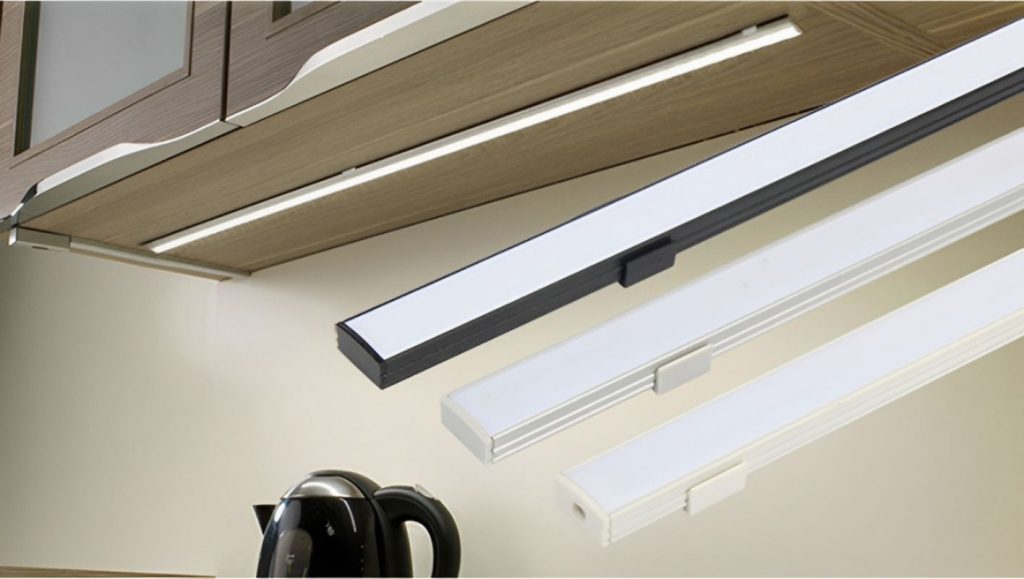
Surface Mount LED Profiles are sleek housings designed for LED strips that improve heat dissipation and light diffusion. Perfect for kitchens, offices, or retail settings, they elevate aesthetics while providing functional benefits. These profiles allow for customization in length and diffuser type, making them versatile for any design need. Their aluminum construction ensures durability and effective heat management, extending the lifespan of the LEDs housed within. Installation is straightforward even for DIY enthusiasts, requiring minimal tools and effort. This guide explores unique features, installation techniques, and design options to help you choose the right profile for your lighting project.
What is the Melting Point of Gold?

Gold’s melting point of 1,064°C (1,947°F) is crucial for its use in industries such as electronics and jewelry. This high temperature ensures durability and corrosion resistance, allowing for intricate designs without compromising quality. Understanding how gold interacts with other metals during processes like casting and soldering is essential for achieving optimal results. Factors such as impurities and pressure can affect gold’s melting point, making precise temperature control vital in manufacturing. The article explores the implications of gold’s melting point across various fields, highlighting its significance in metal processing and craftsmanship.
What Are the Differences Between Red Brass and Yellow Brass?
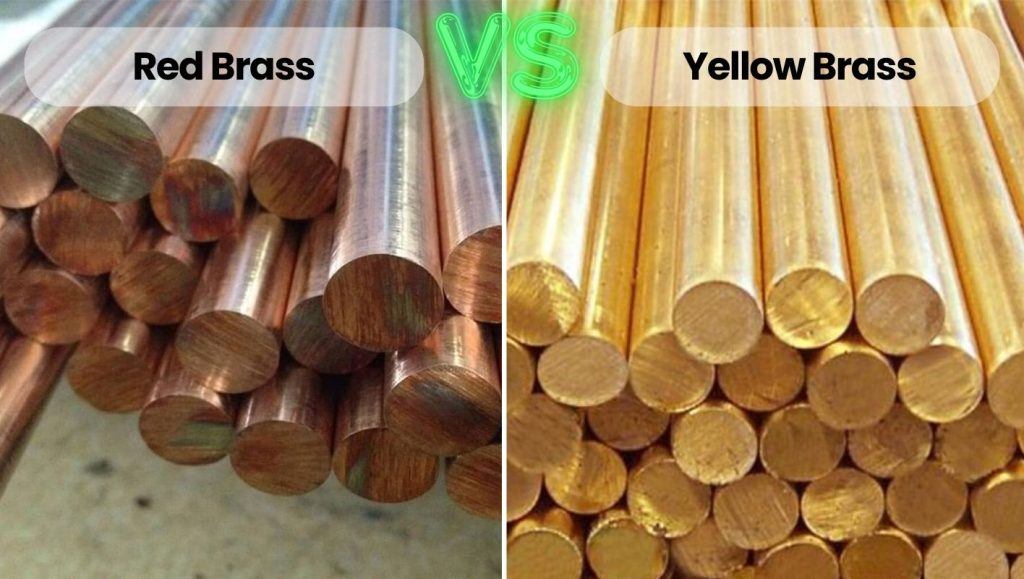
This blog explores the differences between red brass and yellow brass, highlighting their compositions, properties, and applications. Red brass is ideal for plumbing due to its high copper content and corrosion resistance. In contrast, yellow brass is stronger with higher zinc levels, making it suitable for decorative items and musical instruments. Understanding these distinctions is crucial for selecting the right material in manufacturing processes. The article also discusses practical applications in various industries such as automotive and aerospace, emphasizing the importance of choosing the appropriate type of brass based on project requirements.
What is a Door Frame in Construction?
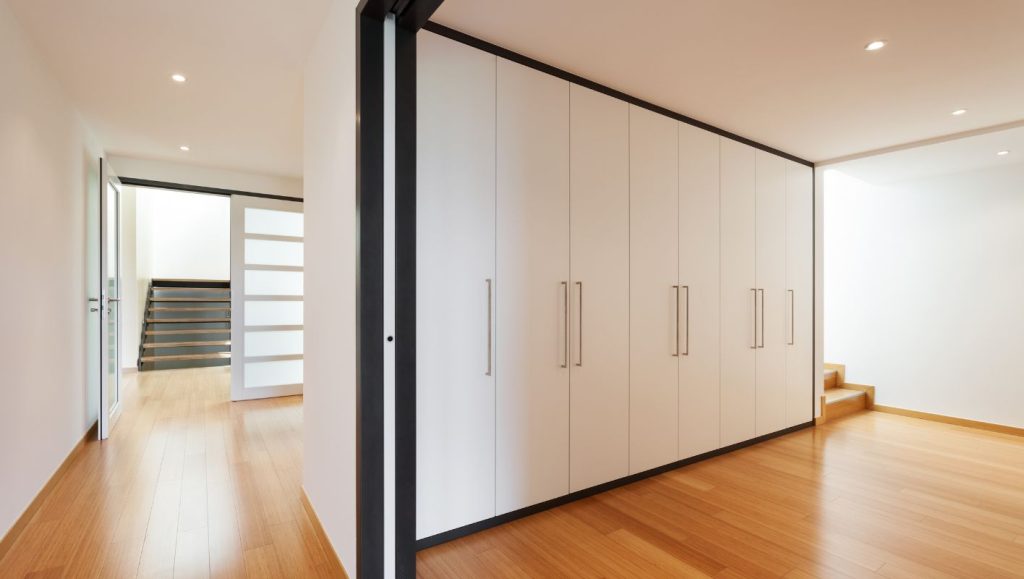
A door frame serves as the backbone of a door’s operation in construction, comprising vertical jambs, a horizontal head, and often a sill. This framework ensures smooth door movement while maintaining wall integrity. The choice of materials—wood, steel, aluminum—affects durability, energy efficiency, and aesthetics. Understanding components like hinges and strike plates is crucial for proper installation. Pre-hung doors offer convenience with included frames while slab doors allow for customization but require separate framing. Proper installation involves precise measurements and adjustments to ensure plumb alignment. By selecting the right materials and understanding the installation process, one can achieve both functional performance and visual appeal in their space.
Why is Aluminum Extrusion Called 8020?
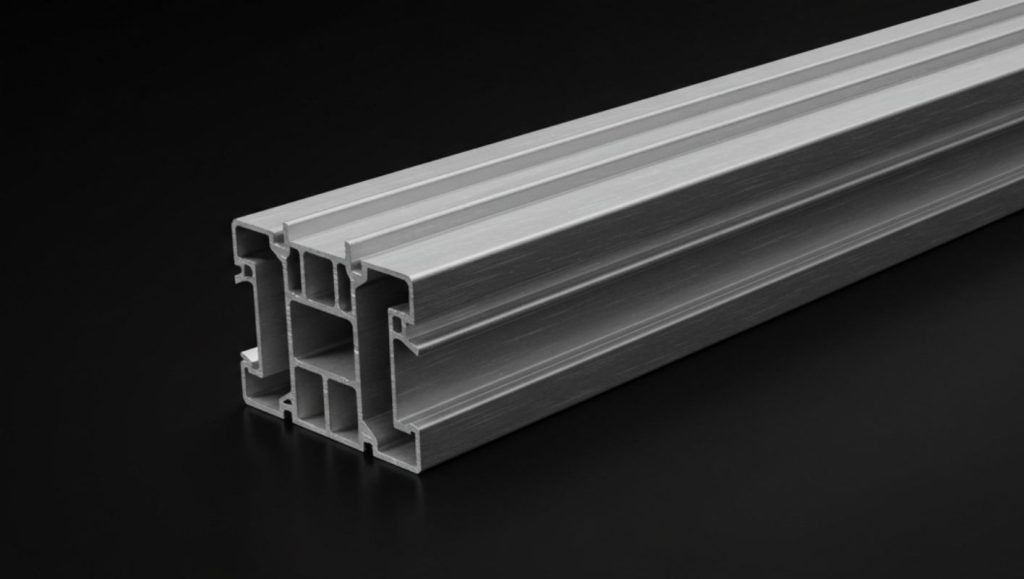
The term ‘8020’ refers to a renowned modular framing system in aluminum extrusion, celebrated for its easy assembly, adaptability, and robust construction. Originating in the 1980s from 80/20 Inc., it has become essential across industries like automotive and aerospace. The name symbolizes achieving significant results with minimal effort, embodying efficiency and innovation. Its features include lightweight profiles that reduce transportation costs and enhance design flexibility while supporting sustainable practices through recyclability. This article explores the history of 8020 aluminum extrusions, their impact on industry standards, and their applications in modern manufacturing and construction projects.
