
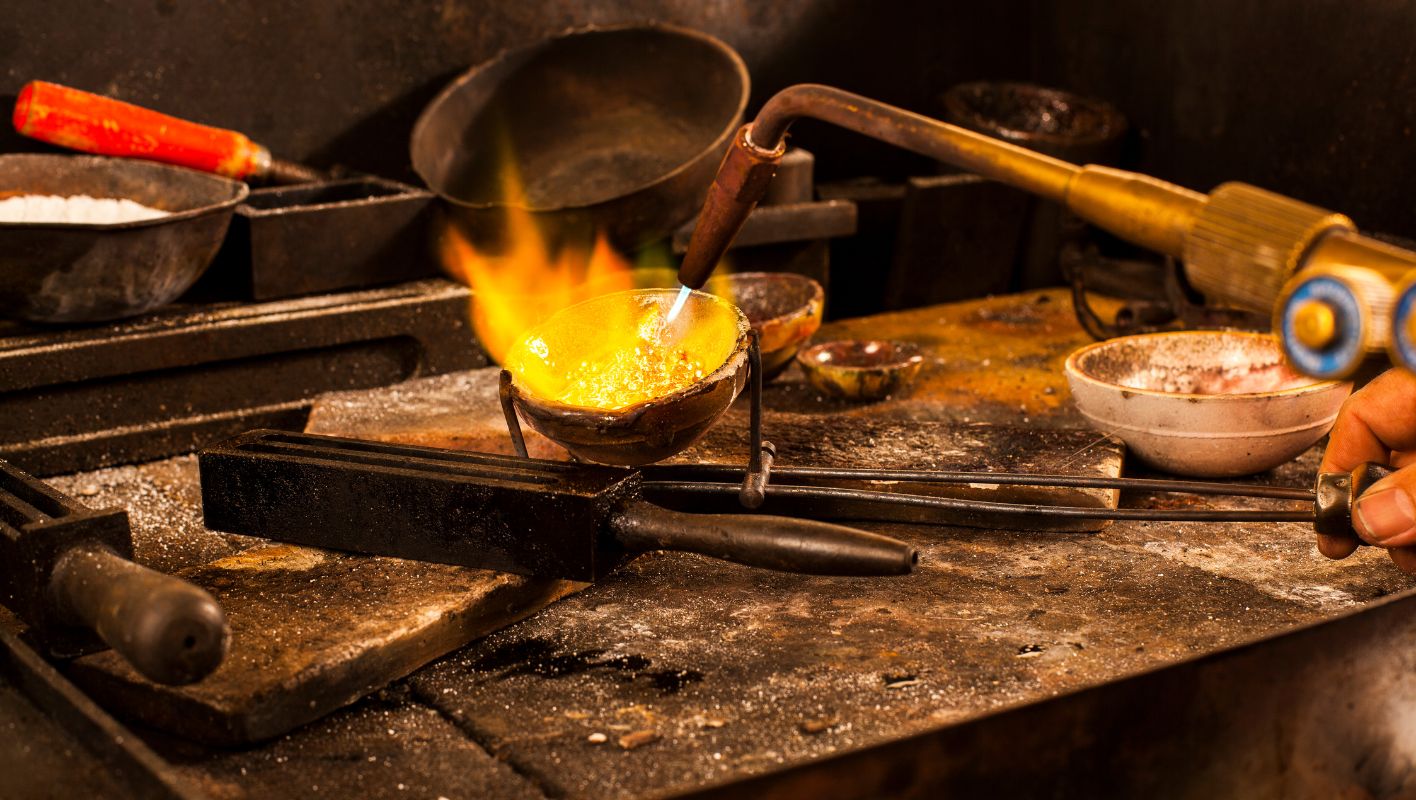
Ever wondered why gold has always been so enchanting? Beyond its gleam, there’s science at play!
Gold melts at about 1,064 degrees Celsius (1,947 degrees Fahrenheit). This high melting point makes it perfect for industrial uses like electronics and jewelry, where durability and corrosion resistance are key.
I remember the first time I saw molten gold during a factory visit—it was mesmerizing. That day, I realized just how critical understanding the melting point is, especially when it comes to mixing gold with other metals or crafting precision components. By knowing these details, we can better appreciate gold’s role across industries and innovate further. Let’s dive deeper into how gold’s properties make it indispensable in various fields.
Gold melts at 1,064 degrees Celsius.True
Gold's melting point is 1,064°C, crucial for its industrial use.
Gold is ideal for electronics due to low melting point.False
Gold's high melting point makes it suitable for electronics, not low.
How does gold’s melting point compare to silver and copper?
Ever found yourself pondering over the melting points of gold, silver, and copper? This isn’t just trivia; it’s a practical consideration for fields like jewelry making and metallurgy. Let me take you through it!
Gold melts at 1,064°C, which is higher than silver’s 961°C but lower than copper’s 1,085°C. This information is key in metal processing, particularly for casting and soldering, where precise temperature control is essential.
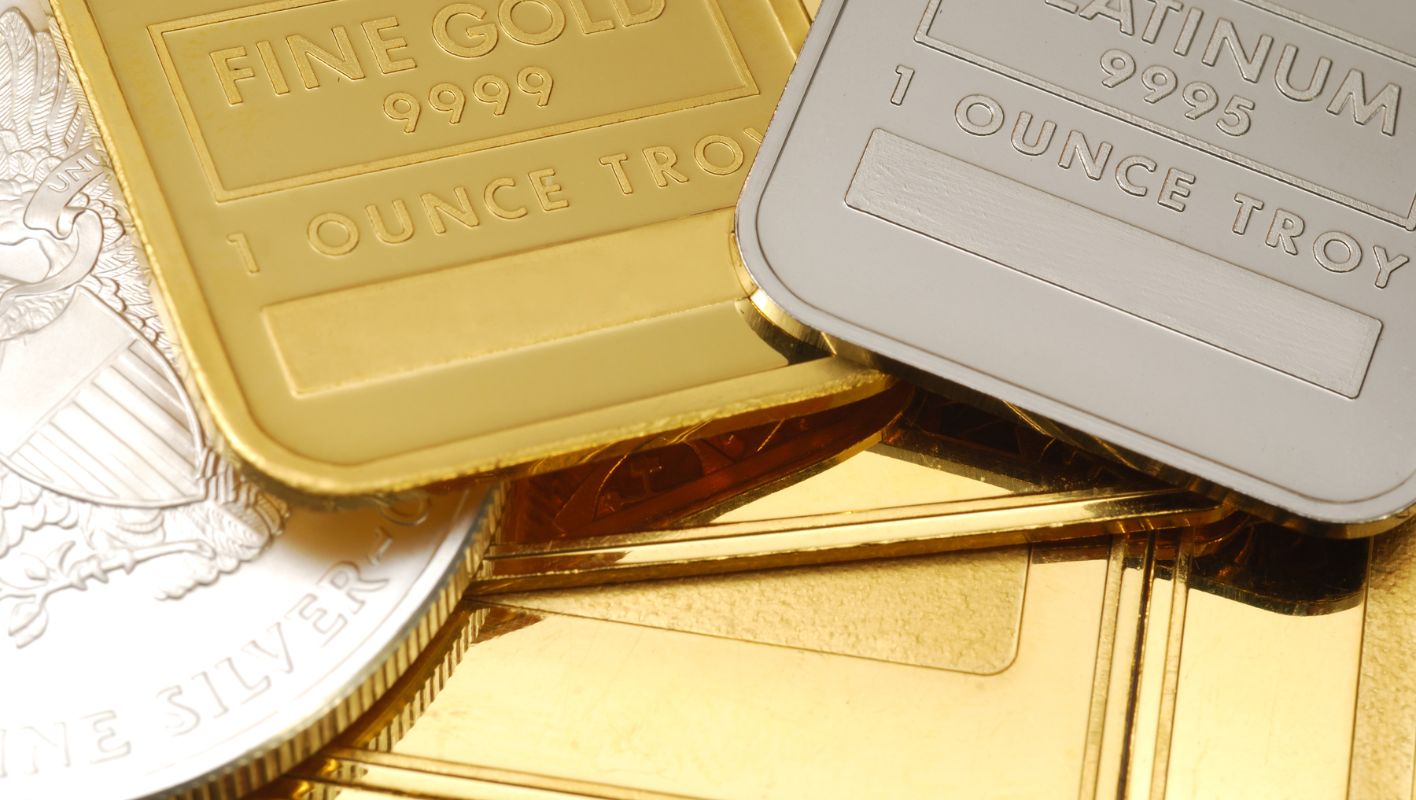
Melting Points of Gold, Silver, and Copper
Let me take you back to my early days in metal processing. I remember the first time I had to consider the melting points1 of metals—it was like cracking a secret code. Here’s the lowdown on the melting points:
- Gold: 1,064°C (1,947°F)
- Silver: 961°C (1,762°F)
- Copper: 1,085°C (1,985°F)
These aren’t just numbers on a page. They have real implications for how we use these metals across various industries.
Implications for Metal Processing
Imagine you’re in the middle of a complex casting2 process, and suddenly the wrong melting point could make or break your project. I’ve been there! Gold’s higher melting point compared to silver gives it an edge in applications needing more heat resistance. Meanwhile, copper stands out even more with its higher melting point, making it ideal for high-temp environments.
Practical Applications in Industry
Back when I was working on a custom jewelry line, I learned how crucial it was to get these melting points right. Mixing gold with silver or copper for that perfect blend of color and durability was a delicate dance. Getting the temperatures just right meant the difference between a stunning piece and a molten mess.
| Metal | Melting Point (°C) | Common Uses |
|---|---|---|
| Gold | 1,064 | Jewelry, Electronics |
| Silver | 961 | Jewelry, Silverware |
| Copper | 1,085 | Wiring, Plumbing |
Technical Insights for Manufacturing
For someone like John, who handles procurement for a major manufacturing firm, understanding these differences is crucial. Metals with higher melting points may require more energy but provide enhanced durability. In one of my projects, exploring energy-efficient technologies3 helped offset costs from high processing temperatures.
The ability to turn such challenges into opportunities by optimizing heat treatments is what can set a company apart in the competitive world of manufacturing.
Gold has the highest melting point among gold, silver, and copper.False
Copper has a higher melting point at 1,085°C compared to gold's 1,064°C.
Silver melts at a lower temperature than both gold and copper.True
Silver melts at 961°C, which is lower than both gold and copper.
What Factors Influence the Melting Point of Gold?
Have you ever wondered why gold melts at such a high temperature and what influences this melting point?
Gold melts at about 1,064°C (1,947°F), and its melting point is affected by impurities, pressure, and alloying with other metals. These factors can change the thermal properties and stability of gold.
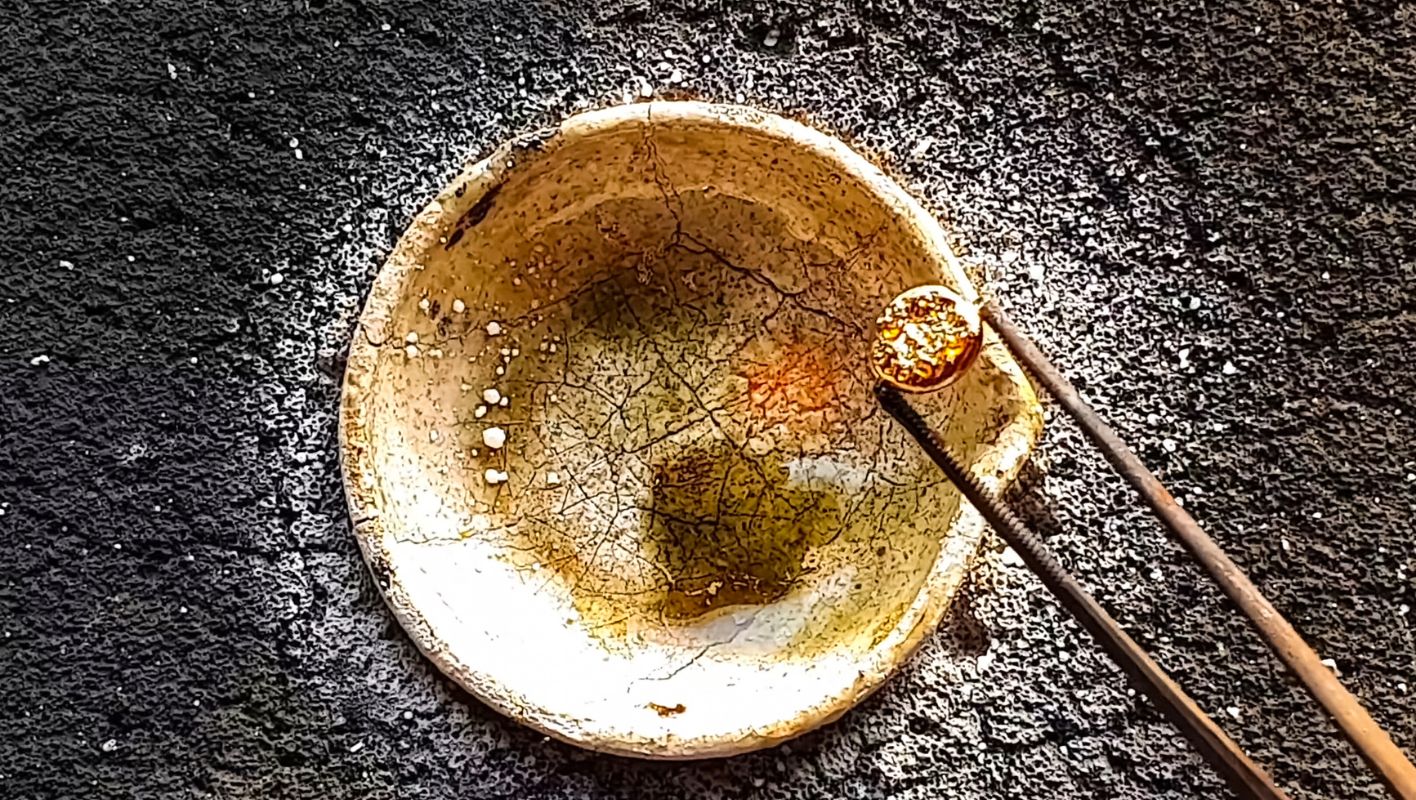
Impurities and Alloying Elements
I remember the first time I learned about how different metals mix. It was like discovering a secret recipe! When gold isn’t pure, impurities like silver or copper4 sneak in and lower its melting point. It’s fascinating because these little invaders disrupt the atomic structure. In the world of industry, gold is often mixed with other metals to make it harder and stronger. The types of metals we mix with gold determine how much the melting point shifts.
| Element | Effect on Melting Point |
|---|---|
| Silver | Lowers |
| Copper | Lowers |
| Platinum | Raises |
Pressure and Environmental Conditions
Pressure is another player in this melting game. During my early days in metal processing, I realized how even a small change in pressure could tweak the melting temperature of gold. This is crucial when precision is key, like in manufacturing processes where every degree counts to ensure quality. Under high-pressure conditions, such as those found in certain manufacturing processes, gold may melt at slightly different temperatures5.
Structural and Crystalline Factors
The crystal structure of gold is like its fingerprint; it dictates how it melts. If there are any defects or oddities in this structure, it can change how gold behaves when heated. I remember being amazed by how grain boundaries6 in the metal could act as weak spots where melting starts more easily.
Understanding these factors was a game-changer for me and others in the field, like John, who need to ensure that their metals perform consistently from start to finish. This knowledge helps us tweak production processes and hit those precise material qualities we aim for.
Impurities like silver lower gold's melting point.True
Silver disrupts gold's atomic structure, reducing its melting point.
High pressure raises the melting point of gold.False
High pressure may alter but not necessarily raise the melting point.
Why is Gold’s Melting Point Important in Jewelry Making?
Ever wonder why your favorite gold ring never seems to lose its shape or shine? It’s all about gold’s melting point!
Gold’s melting point is essential in jewelry making because, at 1,064°C (1,947°F), it allows jewelers to melt and shape it while retaining its quality, enabling intricate designs and lasting durability.
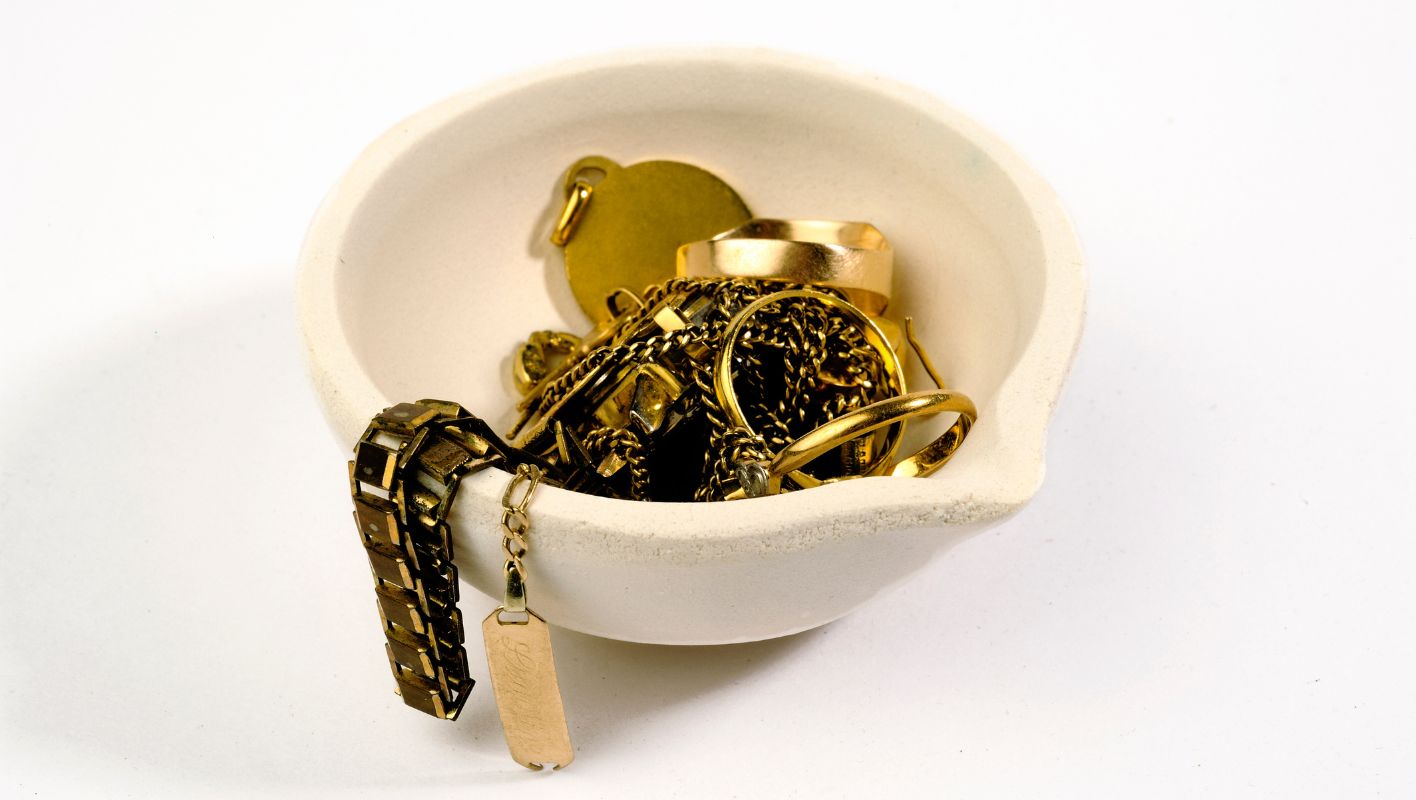
The Science Behind Gold’s Melting Point
When I first got into jewelry making, I was amazed to learn that gold’s melting point of 1,064°C (1,947°F) is what makes it so versatile. This property means we can melt and cast it into beautiful pieces without losing any of its quality. It’s a bit like baking—get the temperature wrong, and everything falls apart! This high melting point ensures that we can maintain the integrity of the design while crafting something truly special.
Benefits in Casting and Molding
I remember working on my first intricate gold necklace. The way gold behaves under heat is fascinating—it remains stable even when I’m pushing the limits with complex designs. This stability is key for pieces like detailed rings or earrings. You need that reliability to ensure the final product isn’t just a work of art but something durable enough to be worn daily. That’s why casting techniques are carefully tailored to take advantage of gold’s unique properties. Casting Techniques7
Durability and Wearability
Think about the jewelry you wear every day. It’s got to withstand life’s little knocks and bumps, right? Gold’s high melting point plays a massive role here, too. It makes sure that the jewelry not only holds its shape under stress but also resists heat—perfect for everyday pieces that need to be tough yet beautiful. If you’re interested in how this all ties into the bigger picture of durability, take a look at Gold Durability8.
Comparison with Other Metals
Compared to metals like silver, which melts at a lower temperature, gold is in a league of its own for jewelry making. Silver might be easier to warp during crafting, but gold stands firm. When I was just starting out, I quickly learned why gold is favored for premium pieces; it’s all about maintaining that structure and quality. For more on how different metals stack up, check out Metal Comparisons9.
| Metal | Melting Point (°C) | Suitability for Jewelry |
|---|---|---|
| Gold | 1,064 | Excellent |
| Silver | 961 | Good |
| Copper | 1,085 | Moderate |
Gold's melting point is 1,064°C.True
Gold melts at 1,064°C, making it ideal for jewelry crafting.
Silver has a higher melting point than gold.False
Silver melts at 961°C, lower than gold's 1,064°C.
What are the steps involved in refining gold at high temperatures?
Ever wondered how a dull rock transforms into a sparkling bar of gold? It’s like watching magic unfold with the help of some intense heat and clever techniques.
Gold refinement involves heating processes like smelting and cupellation to remove impurities, using high temperatures to transform raw ore into pure gold.
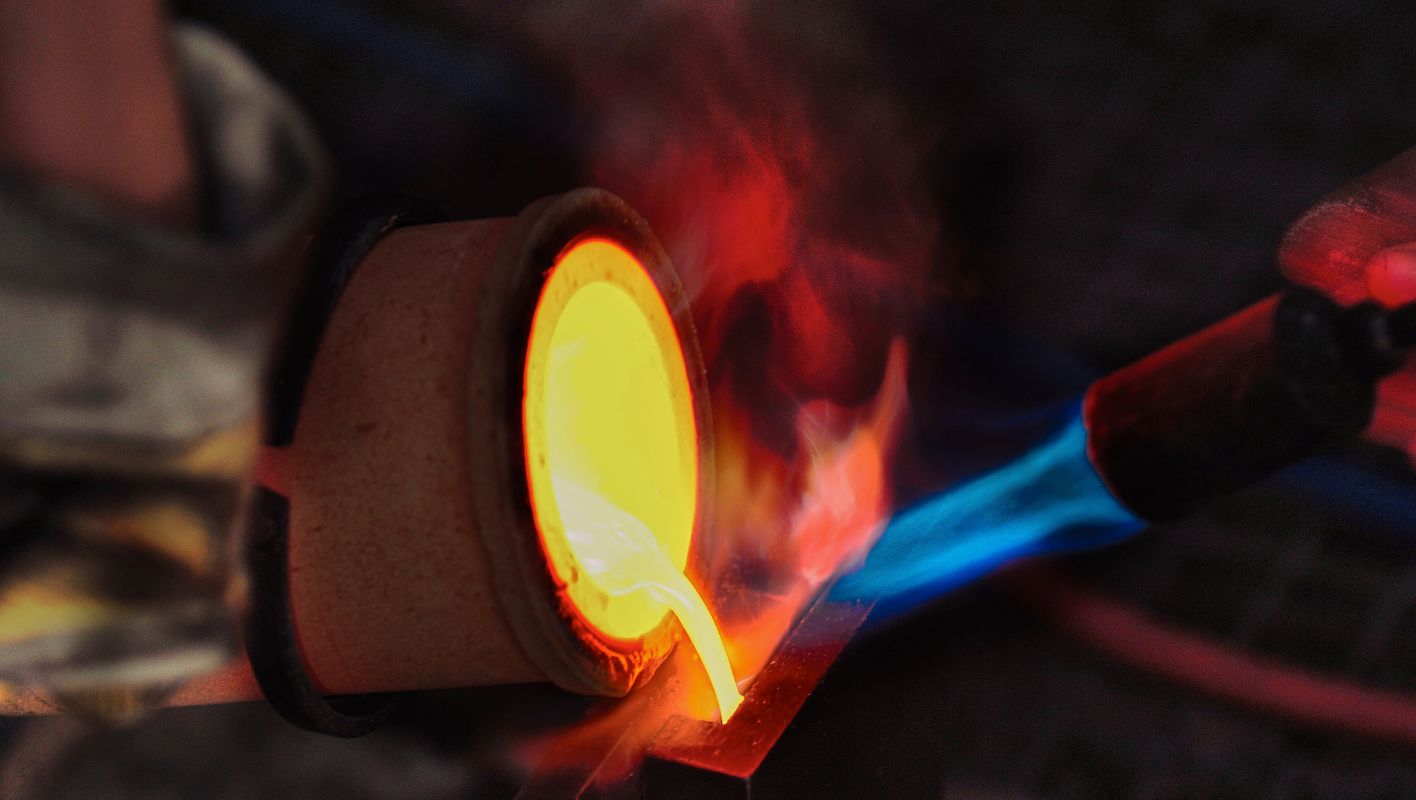
I remember the first time I learned about the intricate dance of turning raw gold ore into something so pure and shiny. It was fascinating! At the heart of this transformation is the smelting process. Think of it like baking a cake: you need just the right temperature to get the perfect outcome.
The Smelting Process
During smelting10, raw gold ore is heated in a furnace until it melts. Imagine standing by a roaring furnace as the heat climbs above 1,064°C. This is where the magic happens; impurities float away, leaving behind molten gold ready to be extracted.
| Stage | Temperature (°C) | Purpose |
|---|---|---|
| Smelting | 1,064 | Melt and separate |
Cupellation Method
Once I saw cupellation in action, and it felt like watching an artist at work. You take impure gold and place it in a cupel—a sort of porous dish—then blast it with hot air. The temperature rises between 1,100 and 1,200°C, which helps oxidize the impurities. What you’re left with is pure gold, a thing of beauty.
| Stage | Temperature (°C) | Purpose |
|---|---|---|
| Cupellation | 1,100-1,200 | Oxidize impurities |
Role of Fluxes
Adding fluxes like borax reminds me of adding sugar to coffee—it’s all about enhancing the process. These fluxes lower the melting point and gather up impurities, forming a layer that can be skimmed off, leaving purer gold beneath.
Environmental Considerations
Modern refineries are like eco-warriors in disguise. I’ve seen how they use energy-efficient technologies like induction furnaces11 to minimize energy use. Plus, emission control systems capture nasty gases, making the whole process kinder to Mother Earth.
Refining gold at high temperatures isn’t just about tradition; it’s about innovation and purity. As technology strides forward, we find ways to make this process more efficient and environmentally conscious. Understanding each step is crucial for anyone who wants to master the art of metal processing12.
Smelting gold requires temperatures above 1,064°C.True
Gold smelting involves heating above its melting point of 1,064°C.
Cupellation uses temperatures lower than smelting.False
Cupellation requires higher temperatures (1,100-1,200°C) than smelting.
Conclusion
Gold melts at 1,064°C, making it ideal for industrial applications like electronics and jewelry. Its melting point influences processing techniques and the quality of final products.
-
Provides detailed comparison of the melting points to understand their impact on industrial applications. ↩
-
Learn about casting processes and how different metals require unique approaches due to varying melting points. ↩
-
Discover strategies for reducing energy consumption during high-temperature metal processing. ↩
-
Explores how common impurities affect gold’s melting point, crucial for metallurgists and jewelers. ↩
-
Understand how pressure variations influence metal melting points, aiding precision in metal processing. ↩
-
Learn about grain boundaries’ role in metal melting, important for improving material properties. ↩
-
Discovering casting techniques can help understand how gold’s properties are utilized in crafting intricate designs. ↩
-
Learn why gold’s durability makes it a popular choice for long-lasting jewelry pieces. ↩
-
Comparing metals provides insights into why gold is favored for high-quality jewelry. ↩
-
Learn about the smelting process, which is key in separating impurities from molten gold. ↩
-
Explore how induction furnaces offer energy-efficient alternatives for metal processing. ↩
-
Discover the latest advancements in metal processing techniques and technologies. ↩






