
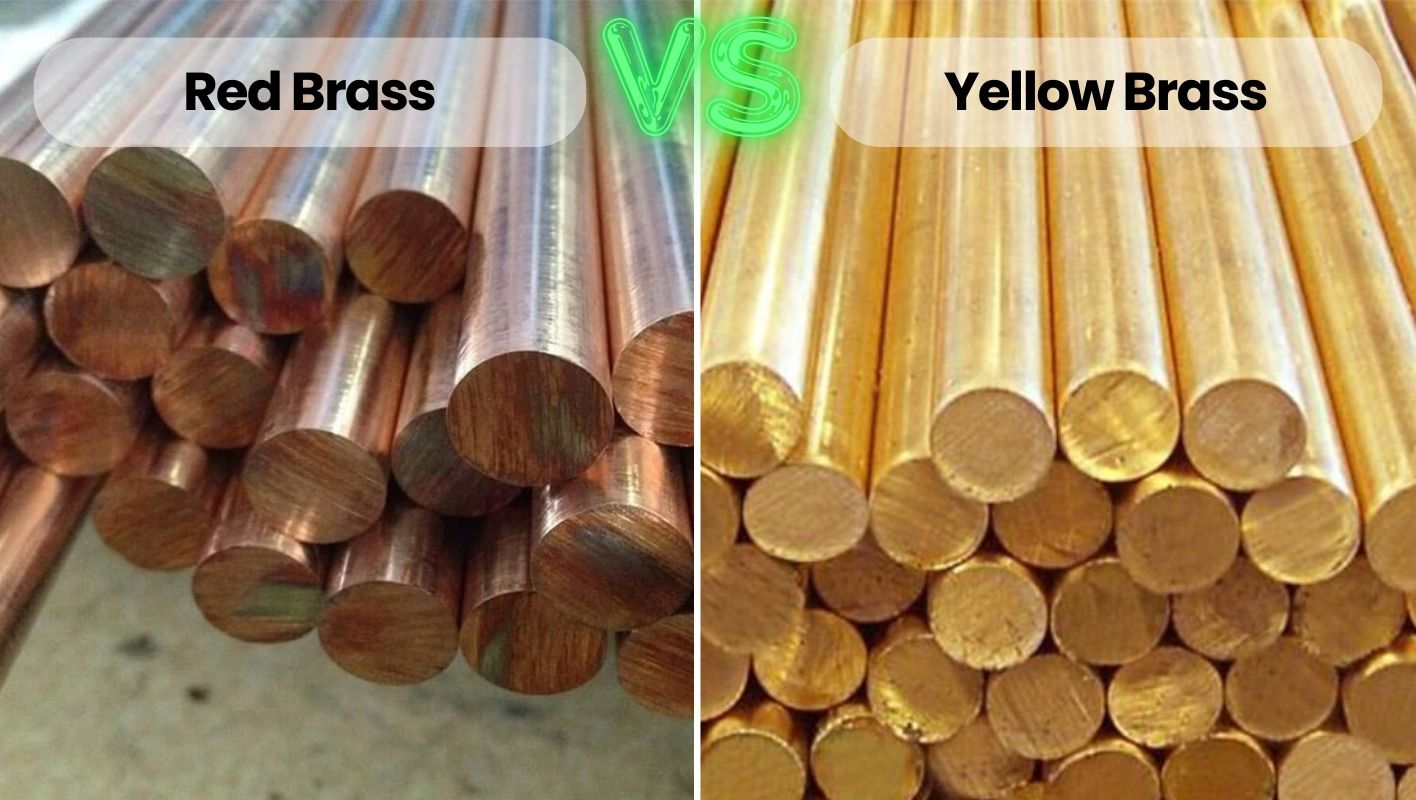
Have you ever wondered why some brass looks more red than others?
Red brass typically contains more copper than yellow brass, giving it a reddish hue and superior corrosion resistance, making it ideal for plumbing applications. Yellow brass, on the other hand, has a higher zinc content, offering increased strength and making it suitable for decorative items and hardware.
Understanding these nuances is vital, especially if you’re involved in sectors like plumbing or manufacturing where material selection can impact performance and cost-efficiency.
I remember when I first encountered this dilemma; I was knee-deep in a project that required precise material selection. The difference between the two seemed trivial at first, but as I dug deeper, the distinct properties made all the difference.
In this blog, we’ll delve deeper into the specifics of each type of brass, helping you make informed decisions.
Red brass has more copper than yellow brass.True
Red brass contains more copper, giving it a reddish hue.
Yellow brass is better for plumbing than red brass.False
Red brass's superior corrosion resistance makes it better for plumbing.
What Sets Red Brass Apart from Yellow Brass?
Have you ever stood in a hardware store, staring at the rows of shiny brass fittings, and wondered what makes red brass different from yellow brass?
Red brass, with its higher copper content, has a rich reddish tone and excellent corrosion resistance, making it perfect for plumbing. Yellow brass, containing more zinc, is stronger and ideal for musical instruments and machinery components.
Red Brass Composition
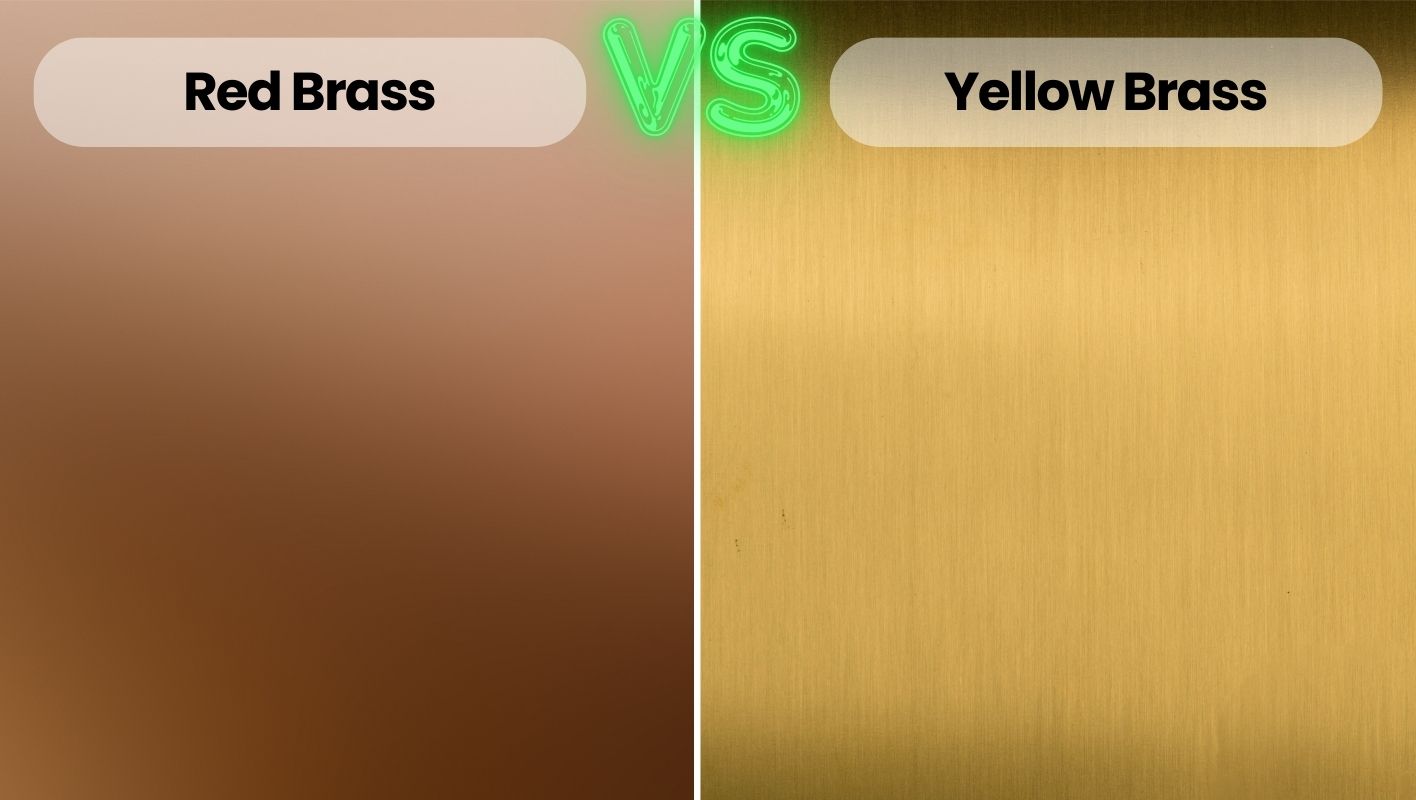
Ah, red brass—it’s like the trusty friend you can always rely on when things get tough. I remember the first time I encountered red brass during a project; I was impressed by its resilience. This alloy is mostly composed of about 85% copper, with tin, lead, and zinc making up roughly 5% each. This mix gives red brass its signature reddish hue and superb resistance to corrosion. Because of these properties, I’ve found it particularly useful in plumbing applications where exposure to water is inevitable. The tin content also plays a crucial role by preventing dezincification, a sneaky form of corrosion.
| Component | Percentage |
|---|---|
| Copper | ~85% |
| Tin | ~5% |
| Lead | ~5% |
| Zinc | ~5% |
Yellow Brass Composition
Now, let’s talk about yellow brass. If red brass is your reliable friend, yellow brass is the go-getter in the group. With around 33% zinc, it has a bright yellow glow that screams strength and durability. It’s no wonder that yellow brass is often used in crafting musical instruments and machinery components. I once worked on a project where yellow brass was the star—its strength and ductility were just what we needed.
| Component | Percentage |
|---|---|
| Copper | ~67% |
| Zinc | ~33% |
Applications and Considerations
Choosing between these two can feel like picking a favorite child—both have their strengths. For projects where corrosion resistance is key, like water supply lines, red brass1 is the go-to choice. On the flip side, when strength is paramount, like in certain structural components, yellow brass2 shines bright. By diving into their specific applications3, you can better decide which brass suits your needs.
Manufacturing Implications
In industries like automotive and aerospace—areas I’m quite familiar with—understanding these differences isn’t just academic; it’s practical. For instance, red brass’s wear resistance makes it perfect for fittings in high-wear environments. Meanwhile, yellow brass’s strength makes it ideal for structural components.
And don’t forget to consult with knowledgeable suppliers. Their expertise can help align your choices with sustainability goals and quality standards like ISO 9001. Plus, those who follow eco-friendly processes4 add extra value by supporting sustainable practices.
Red brass contains 85% copper, making it corrosion-resistant.True
Red brass has a high copper content, enhancing its corrosion resistance.
Yellow brass is more resistant to dezincification than red brass.False
Red brass resists dezincification better due to its tin content.
What Are the Common Uses for Red Brass and Yellow Brass?
Have you ever wondered why some brasses are preferred for certain projects over others?
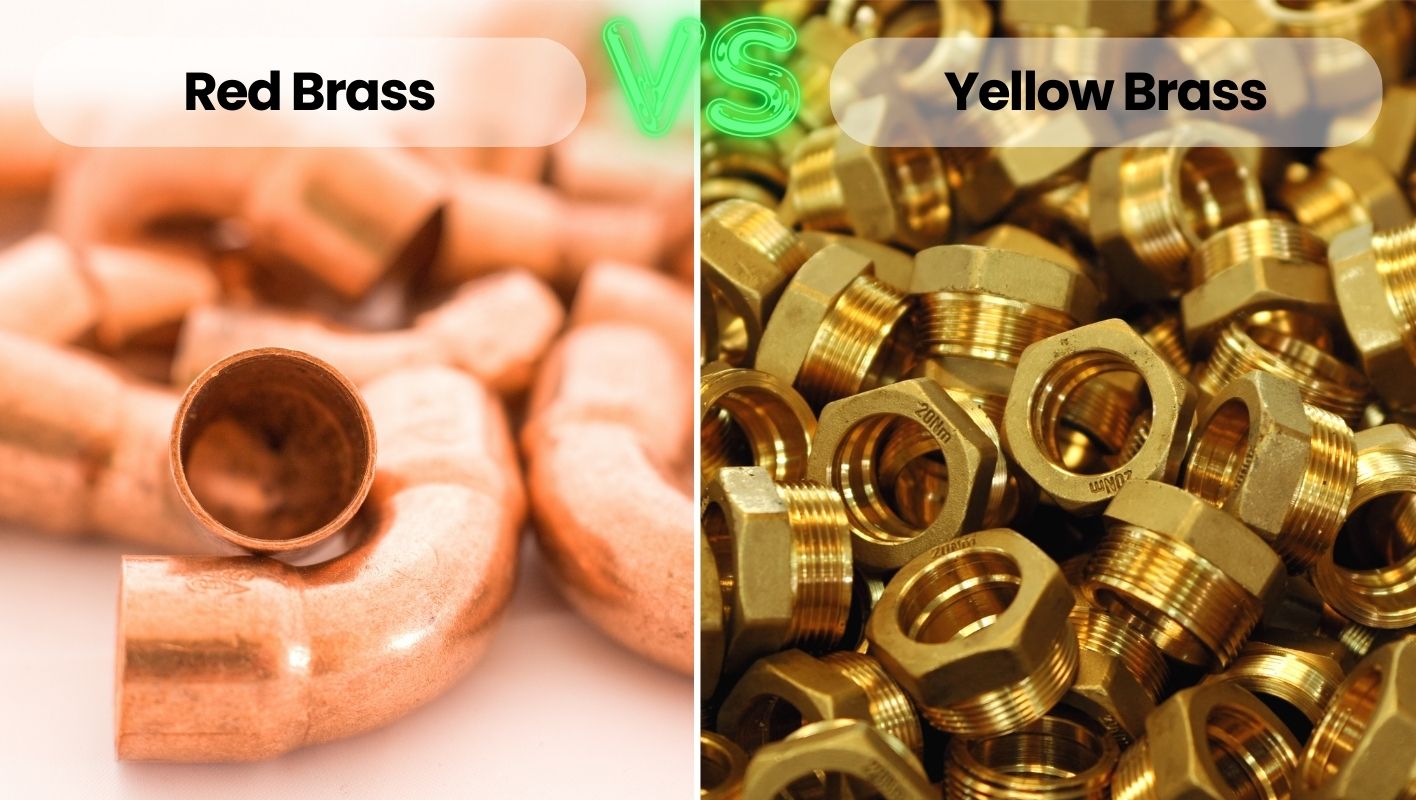
Red brass is your go-to for plumbing due to its excellent corrosion resistance, making it perfect for pipes and fittings. On the flip side, yellow brass shines in musical instruments thanks to its superior acoustic properties.
Red Brass Applications
When I first dipped my toes into plumbing, I was struck by how often red brass popped up. It’s not just about the durability; it’s the peace of mind knowing those pipes and fittings won’t corrode and cause a mess later on. Imagine having a water system that just works without constant maintenance—that’s the kind of reliability red brass brings to the table.
Plumbing and Piping: Red brass is a hero in plumbing systems, used for pipes, fittings, and valves. Its superb corrosion resistance5 ensures these components can stand the test of time, especially in water transport systems.
Electrical Applications: In my early years working with electrical components, I quickly learned to appreciate red brass for its conductivity. It’s a favorite for electrical connectors and terminals, ensuring efficient energy transfer with minimal resistance.
| Property | Red Brass |
|---|---|
| Corrosion Resistance | Excellent |
| Conductivity | High |
| Machinability | Good |
Yellow Brass Applications
I remember the first time I held a trumpet made from yellow brass—the rich sound quality was unforgettable. Yellow brass doesn’t just look good; it sounds fantastic too, making it a staple in the music world.
Musical Instruments: Yellow brass is the material of choice for trumpets, trombones, and tubas. Its unique acoustic properties6 give instruments their full-bodied, rich sound.
Decorative Items: Its bright color and workability have made yellow brass popular in jewelry, architectural elements, and home decor. Imagine crafting something both beautiful and functional—yellow brass makes that possible.
| Property | Yellow Brass |
|---|---|
| Acoustic Properties | Superior |
| Workability | High |
| Color | Bright |
Industrial Uses
Both types of brass find their way into many industrial applications. Their combined strengths—malleability, resistance to tarnishing, and durability—make them indispensable in machinery and vehicles. From gears that won’t wear out quickly to lightweight aerospace components, brass offers versatility like few other materials.
- Machinery Parts: Think about gears and bearings—red and yellow brass are used here for their wear resistance.
- Aerospace Components: In areas where weight reduction is key but performance can’t be compromised, non-critical parts made from these brasses are invaluable.
For those interested in going deeper into the world of brass, understanding the differences between brass types7 can guide you to make informed choices for any project you’re working on.
Red brass is used in musical instruments.False
Red brass is primarily used in plumbing and electrical applications, not musical instruments.
Yellow brass has superior acoustic properties.True
Yellow brass is preferred for musical instruments due to its rich sound quality.
How Can You Identify Red Brass vs. Yellow Brass?
Ever wondered how to tell red brass from yellow brass without feeling like you’re guessing? It’s not as tough as it seems!
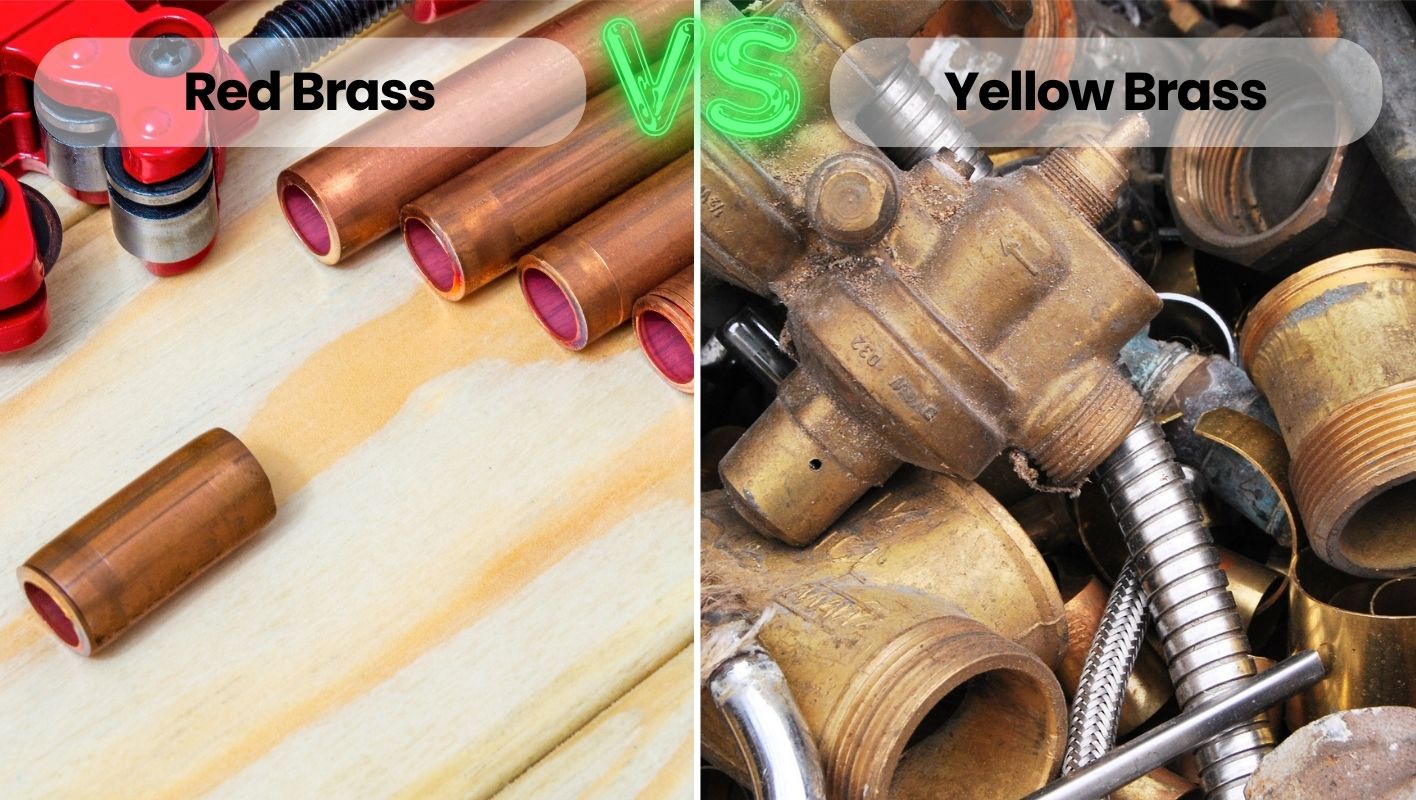
Red brass has a reddish-brown shade because it contains more copper, while yellow brass boasts a bright, golden color. Consulting an expert or checking the chemical composition are reliable ways to differentiate them.
Understanding the Composition
When I first dove into the world of metal processing, identifying brass types was one of those challenges I had to tackle head-on. Imagine standing in front of a pile of scrap, trying to decide what’s what—it can be pretty daunting! But knowing the composition helps a lot.
| Type | Copper % | Zinc % | Tin % |
|---|---|---|---|
| Red Brass8 | ~85% | ~5% | ~5% |
| Yellow Brass | ~60-70% | ~30-40% | ~1% |
Red brass, with about 85% copper, gets its rich color and durability, making it ideal for plumbing jobs. Yellow brass, on the other hand, is usually around 60-70% copper but has more zinc, giving it that bright look—perfect for decorative pieces.
Visual Differences
From my experience, the easiest way to start identifying is by just looking at them. Red brass has this warm, reddish-brown hue that stands out, especially when the light hits it just right. Yellow brass shines with a golden-yellow tone that’s hard to miss. It’s almost like comparing a sunset to midday sun!
Visual inspection9 can be one of the first steps in distinguishing between the two.
Conducting Chemical Tests
If you’re like me and need more assurance than just a visual check, chemical tests can be your best friend. I remember the first time I handled acids for testing—I was nervous but intrigued. These tests react differently depending on the metal’s composition, helping you make a precise ID. Just be sure to suit up and follow safety guidelines when handling these substances.
Practical Applications
Both red and yellow brass have their sweet spots in different applications. In plumbing, I’ve found red brass unbeatable due to its corrosion resistance—it’s a lifesaver in those damp, tricky environments. Yellow brass finds its glory in making beautiful musical instruments and jewelry; its vibrant color really makes creations pop.
If you’re curious about how these materials fit into various industries, talking to industry experts10 can be incredibly enlightening. Their insights have helped me navigate some complex projects and ensure I’m using the right material for the job.
Red brass contains about 85% copper.True
Red brass is composed of approximately 85% copper, making it distinct.
Yellow brass has a higher tin content than red brass.False
Yellow brass contains about 1% tin, which is less than red brass's 5%.
Which Type of Brass Is More Cost-Effective for Your Needs?
Choosing the right brass can feel like deciphering a complex puzzle, especially when budget and functionality hang in the balance.
To determine the most cost-effective brass for your project, consider the material’s composition, mechanical properties, and intended use. These factors will guide you in balancing budget constraints with functional needs.
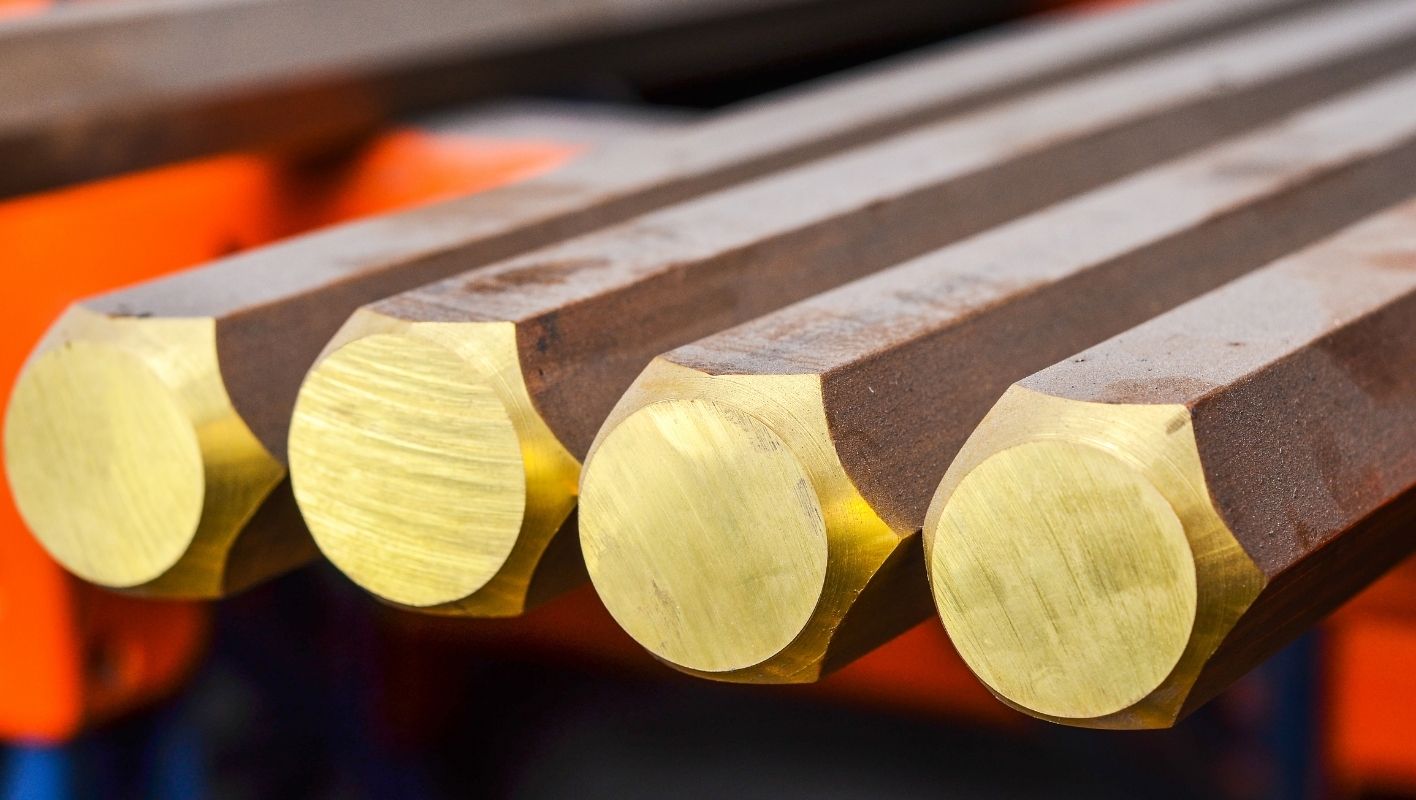
Comparing Different Types of Brass
I remember my first deep dive into brass types at a bustling factory floor; it felt like unlocking a new world. Brass, a delightful alloy of copper and zinc, is enhanced with other elements to boost specific traits. Each type of brass11 showcases unique mechanical and aesthetic qualities that can sway both costs and suitability for different uses.
| Brass Type | Composition | Common Uses |
|---|---|---|
| C260 (Cartridge) | 70% Copper, 30% Zinc | Ammunition, auto parts |
| C360 (Free Mach.) | 62% Copper, 36% Zinc, 2% Lead | High-speed machining, fittings |
| C385 (Architect.) | 60% Copper, 38% Zinc, 2% Lead | Decorative hardware, plumbing |
Factors Influencing Cost-Effectiveness
-
Material Composition: I’ve seen firsthand how a higher copper content can spike costs due to market fluctuations. For instance, C260’s richness in copper makes it more expensive than C360.
-
Mechanical Properties: During one project, I realized C360’s high machinability was a game-changer. Even if the initial price seemed higher, its efficiency in processing time was worth every cent.
-
Application Suitability: Once, while sourcing materials for decorative items, C385 became our go-to. Its lead content improved machinability and finish—perfect for aesthetics but not always ideal for other applications.
Consideration for Specific Applications
- Automotive Industry: Here’s where C260 shines despite its cost. Its forming capabilities are unparalleled when strength is non-negotiable.
- Plumbing & Fixtures: I’ve found C360 to be a sweet spot between cost and machinability, especially in high-volume productions.
In conclusion, it’s all about a meticulous analysis of project requirements. Weighing the cost12, mechanical properties, and application needs lets us make informed decisions tailored to each unique scenario.
C260 brass is the most expensive due to its copper content.True
C260 has 70% copper, increasing cost due to copper's market price.
C385 brass is unsuitable for high-speed machining applications.True
C385's composition focuses on aesthetics and machinability, not speed.
Conclusion
Red brass contains more copper, offering corrosion resistance for plumbing, while yellow brass has higher zinc content, providing strength for decorative items and musical instruments.
-
Learn how red brass’s corrosion resistance makes it ideal for plumbing applications. ↩
-
Explore why yellow brass is favored in manufacturing musical instruments and machinery components. ↩
-
Gain insight into how each type of brass is used differently based on their properties. ↩
-
Discover how sustainable practices are integrated into brass production for environmental benefits. ↩
-
Learn about the elements that make red brass ideal for environments exposed to moisture or chemicals. ↩
-
Discover why yellow brass is preferred in making musical instruments with excellent sound quality. ↩
-
Gain insights into the physical and chemical differences that influence their applications. ↩
-
Explore in-depth details about red brass composition to understand its distinct characteristics. ↩
-
Learn how to distinguish red and yellow brass through visual inspection techniques. ↩
-
Discover how different industries utilize red and yellow brass for various applications. ↩
-
Explore diverse brass types and their applications to understand which suits your project. ↩
-
Gain insights into how brass pricing compares to other metals for informed budgeting. ↩






