
What Color Grout to Use with White Tile?
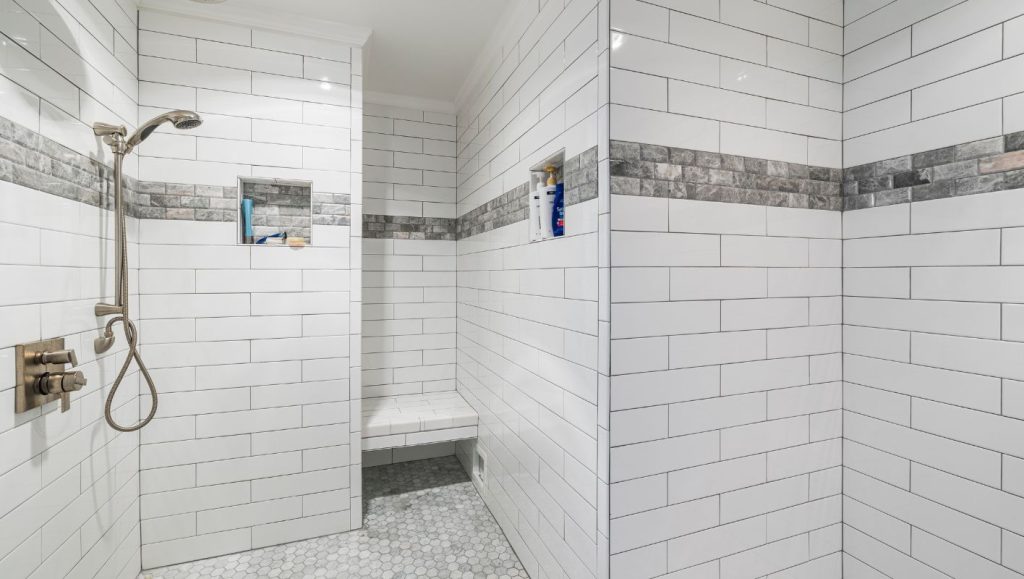
Selecting the perfect grout color to complement white tiles can significantly impact your space’s overall look. Light gray or beige grouts provide a gentle contrast while maintaining harmony, whereas white grout creates a seamless appearance. For those seeking boldness, black grout adds dramatic flair. Colored grouts offer an opportunity for personalization and creativity, allowing you to express your style through vibrant hues. Each choice affects not only the visual appeal but also the perceived size of the room. Consider factors like maintenance and lighting when making your decision to achieve your desired aesthetic.
Groutless Tile Installation: Can You Tile without Grout?
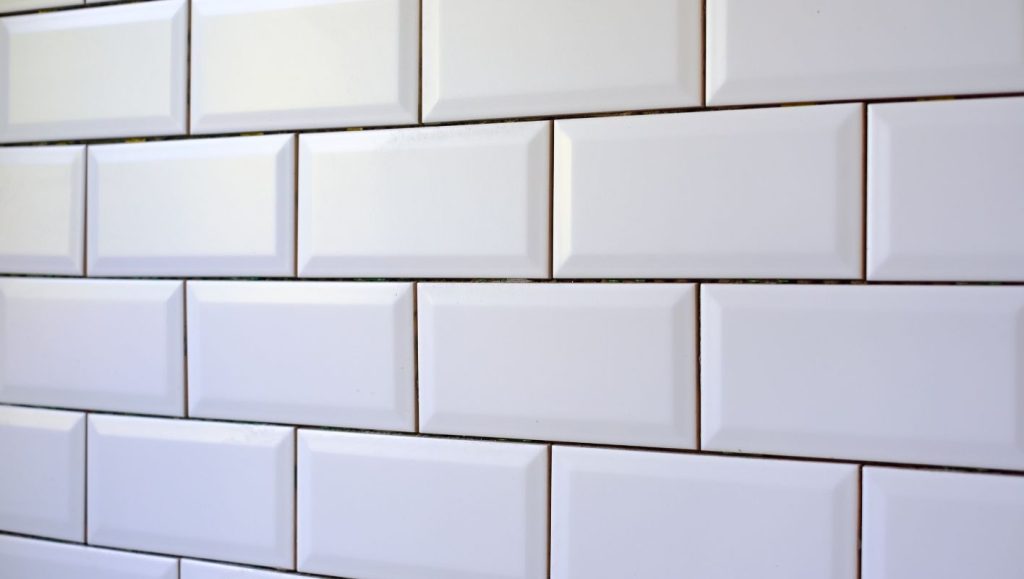
Groutless tile installations provide a sleek, modern look by eliminating grout lines. While they reduce maintenance needs, careful consideration of materials, installation techniques, and potential moisture issues is essential for durability. Interlocking tiles and specialized adhesives can support these installations effectively. However, without grout, tiles may shift or crack if not properly installed. Regular inspections and cleaning are necessary to maintain their appearance. Alternatives to traditional grout include epoxy and urethane options that offer stain resistance and flexibility. Understanding the pros and cons of groutless installations helps in making informed decisions for kitchens or bathrooms.
Can I Lay Tile Over Tile? How to Do It Right
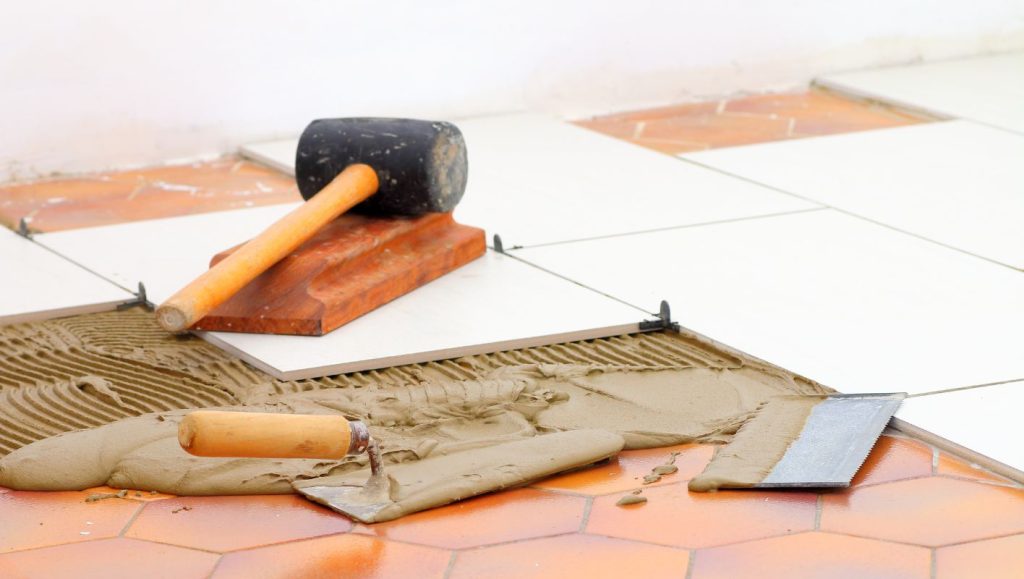
Laying new tile over existing tiles is a practical solution for refreshing your space without the hassle of demolition. This method saves time and reduces waste but requires careful preparation. Key steps include thoroughly cleaning the old tiles, checking for loose or damaged ones, and selecting the right adhesive for effective bonding. It’s essential to ensure that the surface is level and secure before proceeding. Ideal areas for this technique are kitchens and bathrooms, where moisture resistance is crucial. However, be mindful of potential height increases that may affect door clearance and fixtures. By following best practices, you can achieve a seamless finish while enhancing durability in your tiling project.
What Type of Flooring Can You Put Over Ceramic Tile?
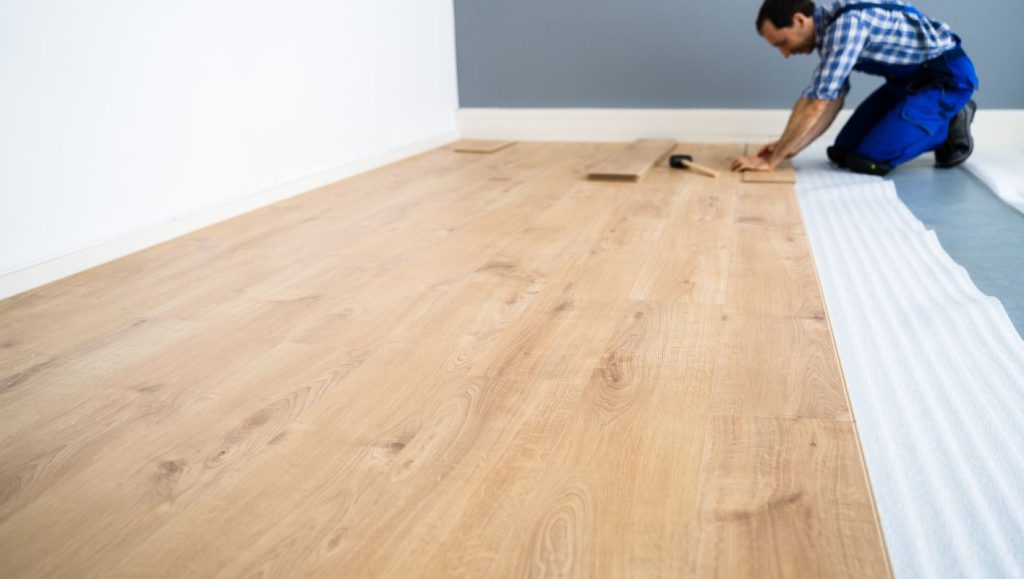
Considering a flooring upgrade but dreading tile removal? Discover budget-friendly options such as vinyl planks, laminate, carpet tiles, and engineered wood that can be easily laid over existing ceramic tiles. This approach not only saves on labor costs and installation time but also minimizes dust and debris during renovations. Each flooring type offers unique benefits—from waterproof vinyl to the classic look of laminate—allowing you to enhance your home’s aesthetic without the chaos of demolition. Learn how to prepare your ceramic tiles for new flooring installation with essential steps like cleaning, inspecting for cracks, planning layouts, and ensuring a level subfloor. Plus, explore heated flooring systems that can be retrofitted over ceramic tiles for added comfort in your home.
What Are the Best Tile to Carpet Transition Options?
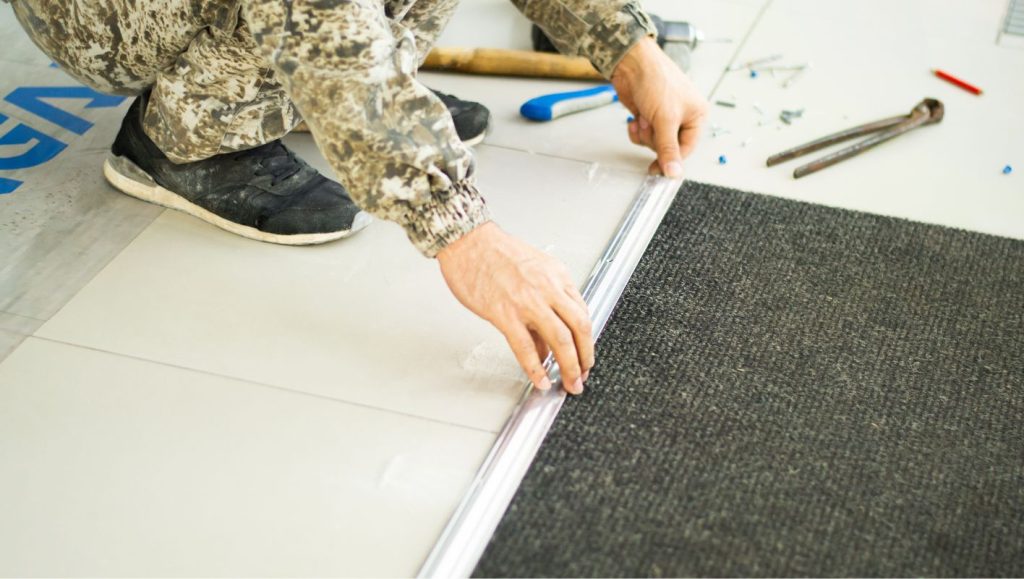
When renovating your home, merging tile and carpet can be challenging. The best solutions include T-molding for level floors, reducer strips for height differences, and carpet edge grippers to prevent fraying. These transition options not only enhance safety by eliminating tripping hazards but also improve the overall aesthetic of your space. Choosing the right transition piece involves considering material compatibility, height differences, and design aesthetics to ensure a seamless blend between flooring types. With easy installation techniques available, even DIY enthusiasts can achieve professional results while maintaining durability and style in their flooring projects.
What Exactly is Grout and Why is it Essential for Tiling?
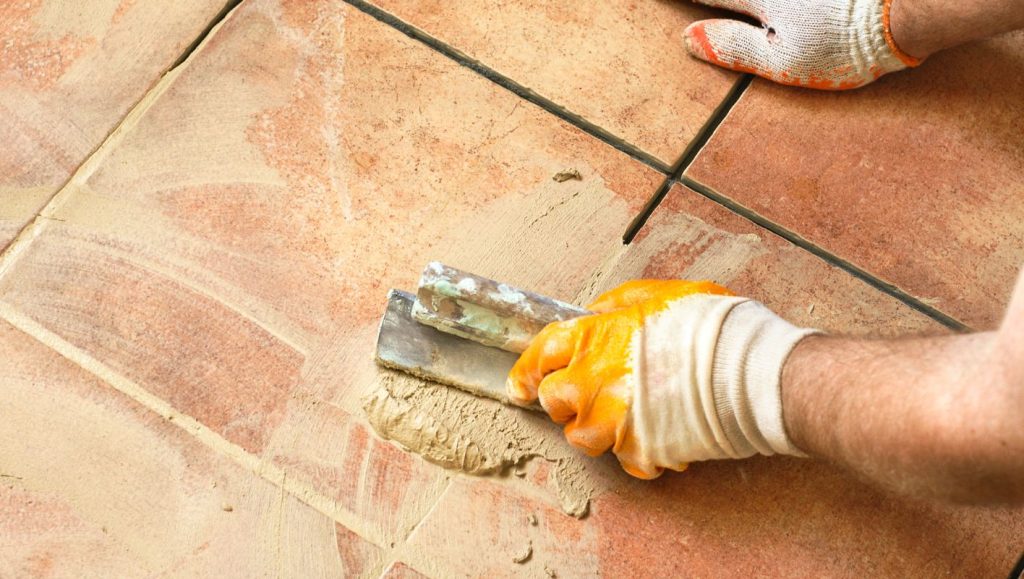
Grout plays a crucial role in tiling by filling gaps between tiles to prevent movement and moisture intrusion. Made from water, cement, and sand or epoxy, it is vital for both functionality and appearance. This guide explores different grout types—sanded for wider joints, unsanded for narrow ones, epoxy for high moisture areas, and furan for industrial use. Proper selection based on joint size and location ensures long-lasting results. Additionally, effective maintenance practices such as regular cleaning and sealing can enhance grout’s waterproofing abilities while preventing stains. Avoid common mistakes like improper mixing or inadequate cleaning to achieve professional-looking tile installations that stand the test of time.
