
Stick on Tiles: The Pros and Cons of This Material
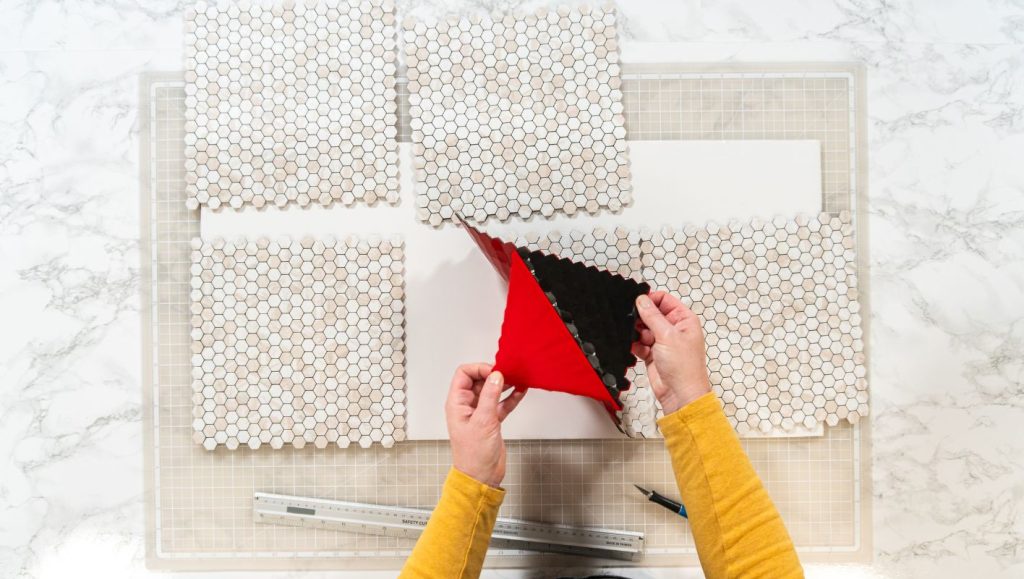
Peel and stick tiles are a popular choice for DIY home renovations due to their ease of installation, cost-effectiveness, and design flexibility. They can be applied directly over existing surfaces without grout or specialized tools, making them perfect for quick updates in kitchens or bathrooms. However, while they provide a budget-friendly solution ideal for renters or temporary spaces, their durability is generally lower than that of traditional tiles. Proper installation techniques are crucial to prevent issues like peeling or water damage in high-moisture areas. This guide explores the pros and cons of peel and stick tiles, helping you make informed decisions about your home renovation projects.
How to Remove Tile from Wall Like a Pro?
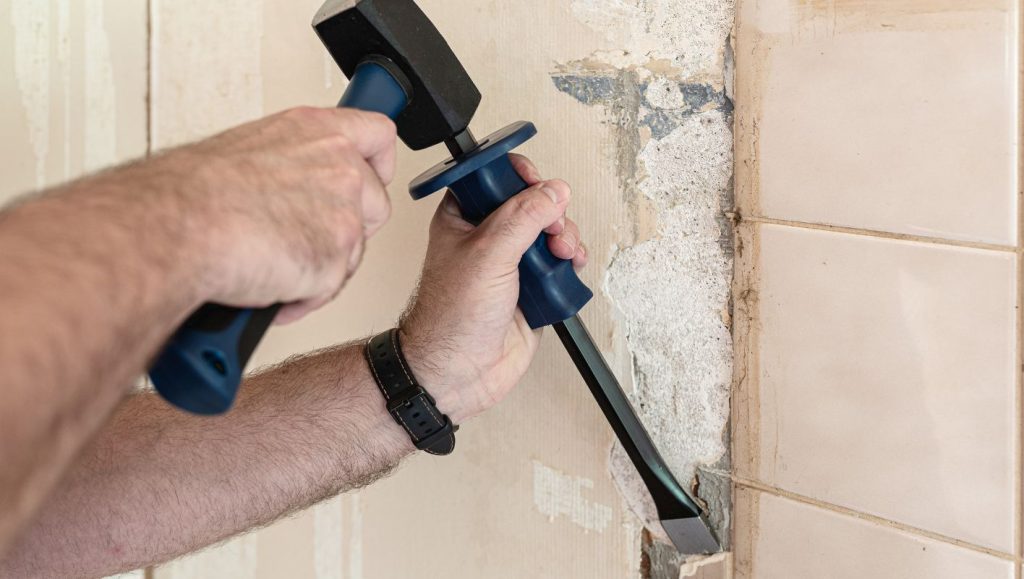
Removing outdated tiles can be daunting, but with the right tools and techniques, you can do it like a pro. Start by gathering essential equipment such as a hammer, chisel, and floor scraper. Safety gear is crucial to protect yourself from debris. Carefully cut through grout before prying off tiles to minimize damage to the wall beneath. For larger areas, consider using power tools for efficiency. Once removed, explore responsible disposal options like recycling or donating old tiles. With these tips, your tile removal project will be efficient and environmentally friendly!
Can You Tile on Wood?
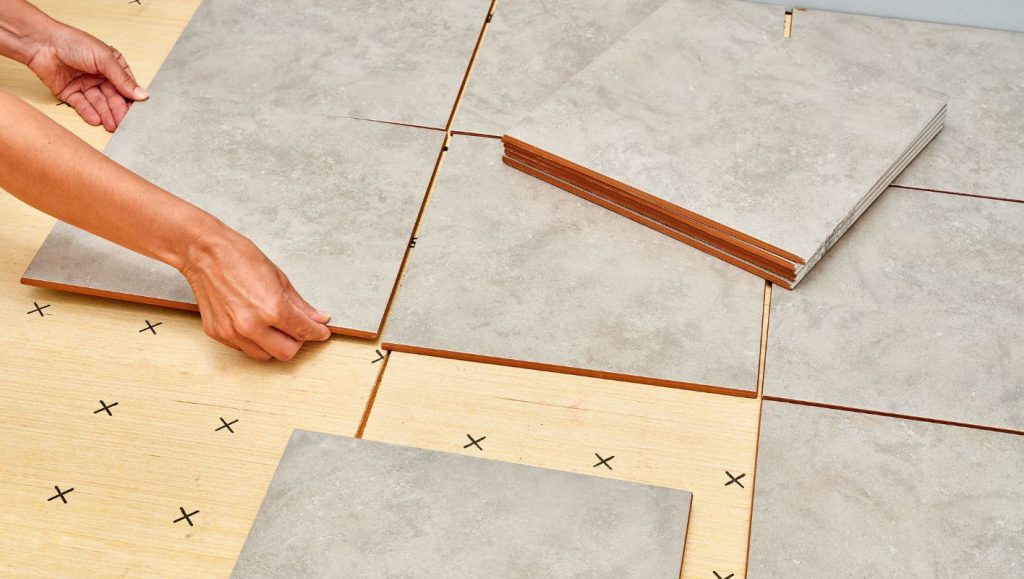
Tiling over wooden surfaces can be a rewarding project if approached correctly. Proper preparation is essential to avoid future issues like cracked tiles. Start by ensuring the wood is stable and dry, then apply a flexible adhesive suitable for wood’s natural movements. Installing a cement backer board provides an additional layer of stability, preventing cracks caused by shifting or expanding wood. Don’t forget to clean and level the surface before applying primer and underlayment. Waterproofing in humid areas is also vital for longevity. By following these guidelines, you can achieve a beautiful tile installation that withstands the test of time.
Do You Prime Drywall Before Tiling?
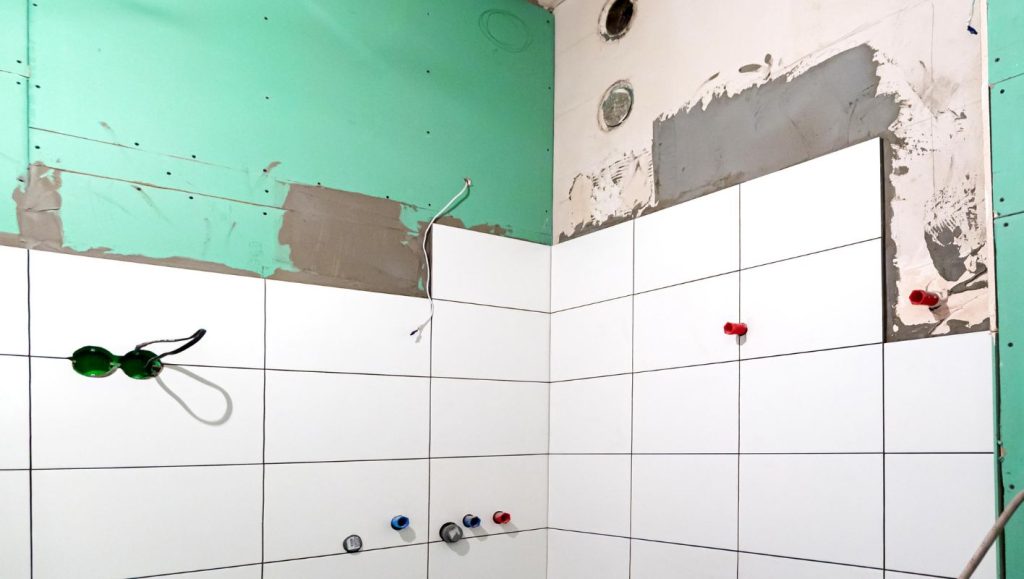
Priming drywall before tiling is a crucial step that enhances tile adhesion and prevents moisture damage. Skipping this process can lead to poor bonding, resulting in loose tiles and costly repairs. Proper preparation creates a uniform surface that improves adhesive grip, ensuring long-lasting results. This guide explores the importance of priming, scenarios where it’s necessary, and expert tips for preparing your drywall effectively. Whether you’re renovating a bathroom or updating a kitchen backsplash, understanding how to prime correctly can save you from future headaches. Learn about the risks of unprimed surfaces, types of primers suitable for different tiles, and common mistakes to avoid during the priming process. By following these guidelines, you can ensure your tiling project stands the test of time.
What Colour Goes with Beige Bathroom Tiles?
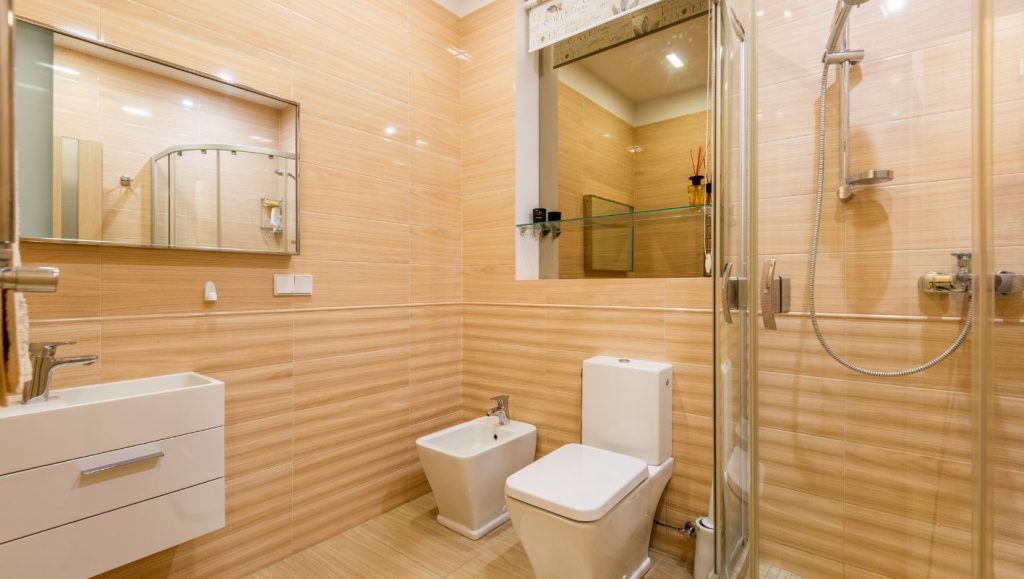
Choosing the right colors to complement beige bathroom tiles can transform your space into a cozy oasis. Ideal pairings include whites for brightness, soft grays for modern appeal, muted blues for tranquility, and earthy greens that connect with nature. Warm tones like reds and yellows enhance the inviting feel of beige tiles, while cool tones provide a calming contrast. Additionally, incorporating colorful accessories such as towels or metallic fixtures can elevate the design further. Explore how lighting also plays a crucial role in enhancing aesthetics and creating an inviting atmosphere in your bathroom.
What Is the Standard Porcelain Tile Thickness?
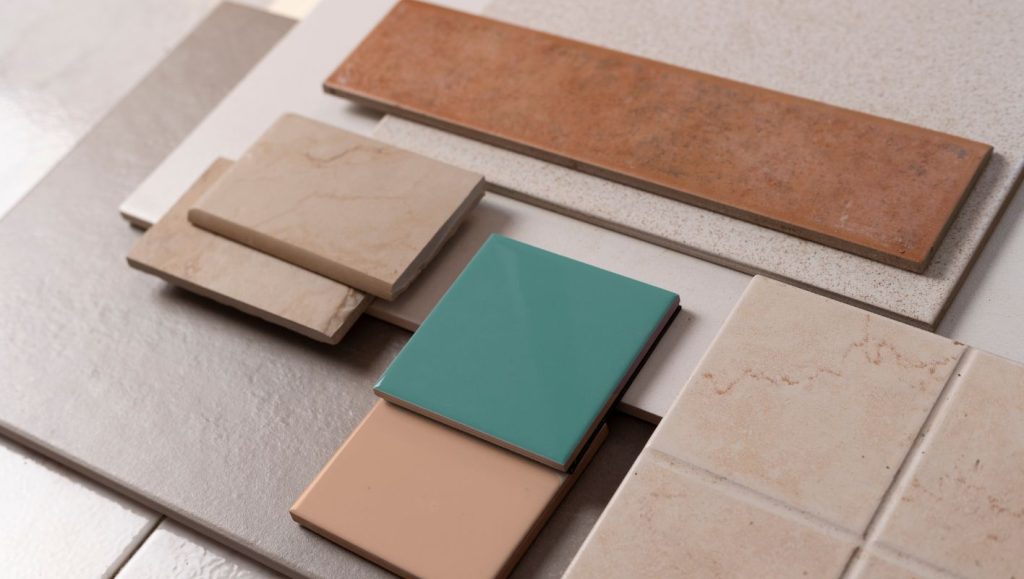
This blog post explores the standard thickness of porcelain tiles, which ranges from 6 to 12 mm, and discusses factors influencing tile selection based on environment and usage. It highlights the importance of choosing the right thickness for durability, performance, and installation considerations. The article also compares different tile types, their applications, and current trends in tile manufacturing, including ultra-thin designs for modern aesthetics and thicker options for high-traffic areas. Additionally, it emphasizes sustainability in tile production and advances in technology that enhance both thin and thick tiles.
