
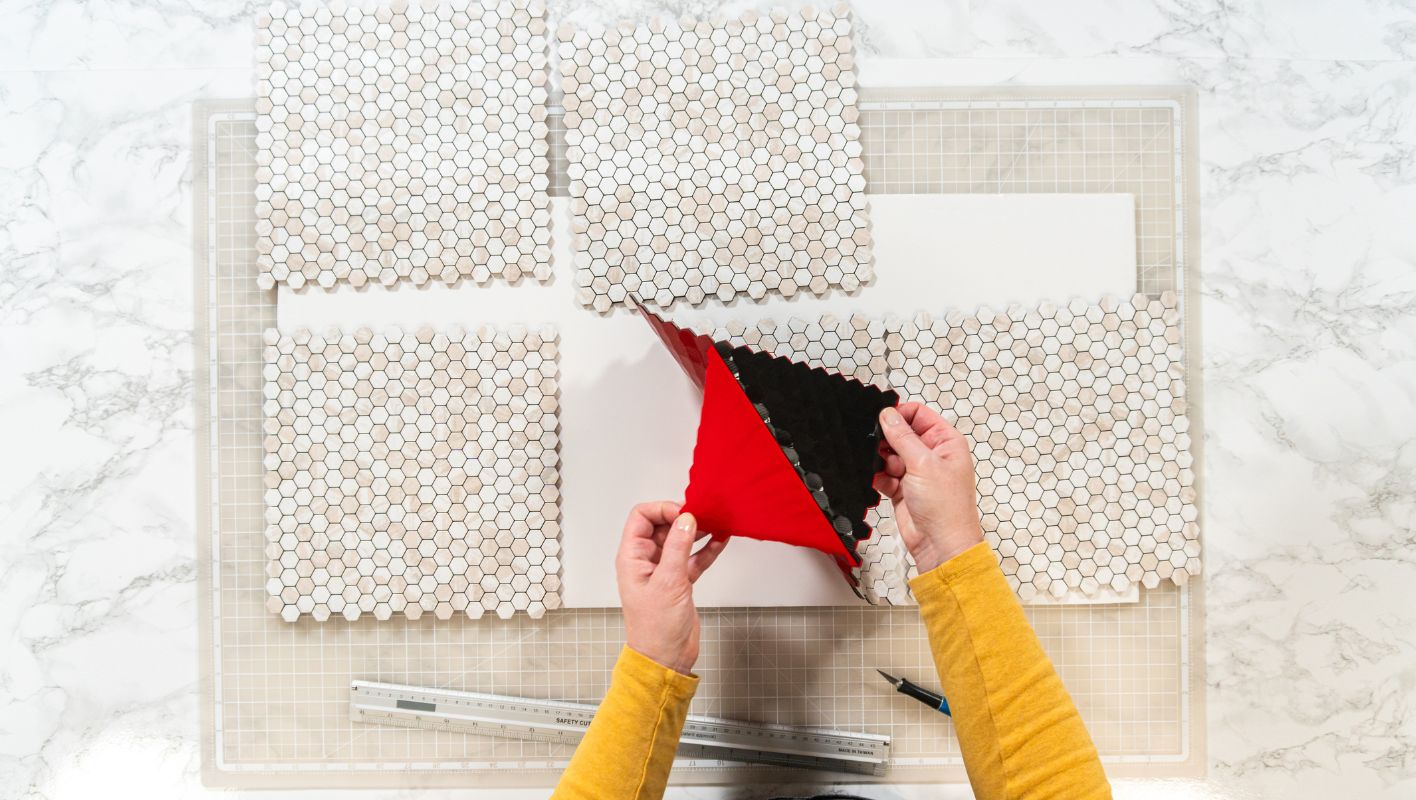
Thinking about refreshing your kitchen or bathroom with peel and stick tiles? You’re not alone!
Peel and stick tiles are a popular choice for DIY home renovation projects due to their ease of installation and cost-effectiveness. These self-adhesive tiles can be applied directly over existing surfaces without grout or specialized tools, making them ideal for quick updates.
But before you jump in, let me share a bit about my own experience with peel and stick tiles. Picture this: a Saturday morning, coffee in hand, and a kitchen floor that desperately needed some love. I remember feeling a mix of excitement and trepidation as I peeled off the backing and started sticking tiles down, one by one.
While the transformation was almost magical, there were definitely a few lessons learned along the way. In this guide, I’ll walk you through both the perks and pitfalls of using peel and stick tiles, so you can make an informed decision for your project. Trust me, knowing what to expect can save you a ton of time—and maybe a few headaches!
Peel and stick tiles can be applied over existing surfaces.True
These tiles are self-adhesive, allowing direct application on current surfaces.
Peel and stick tiles require specialized tools for installation.False
Peel and stick tiles are designed for easy installation without special tools.
Why Are Peel and Stick Tiles So Popular?
Imagine transforming your space with just a little peel and a stick, all by yourself!
Peel and stick tiles are loved for their ease of installation, cost-effectiveness, and design flexibility, making them an ideal choice for quick, stylish home upgrades without needing professional help.
Simplicity in Installation
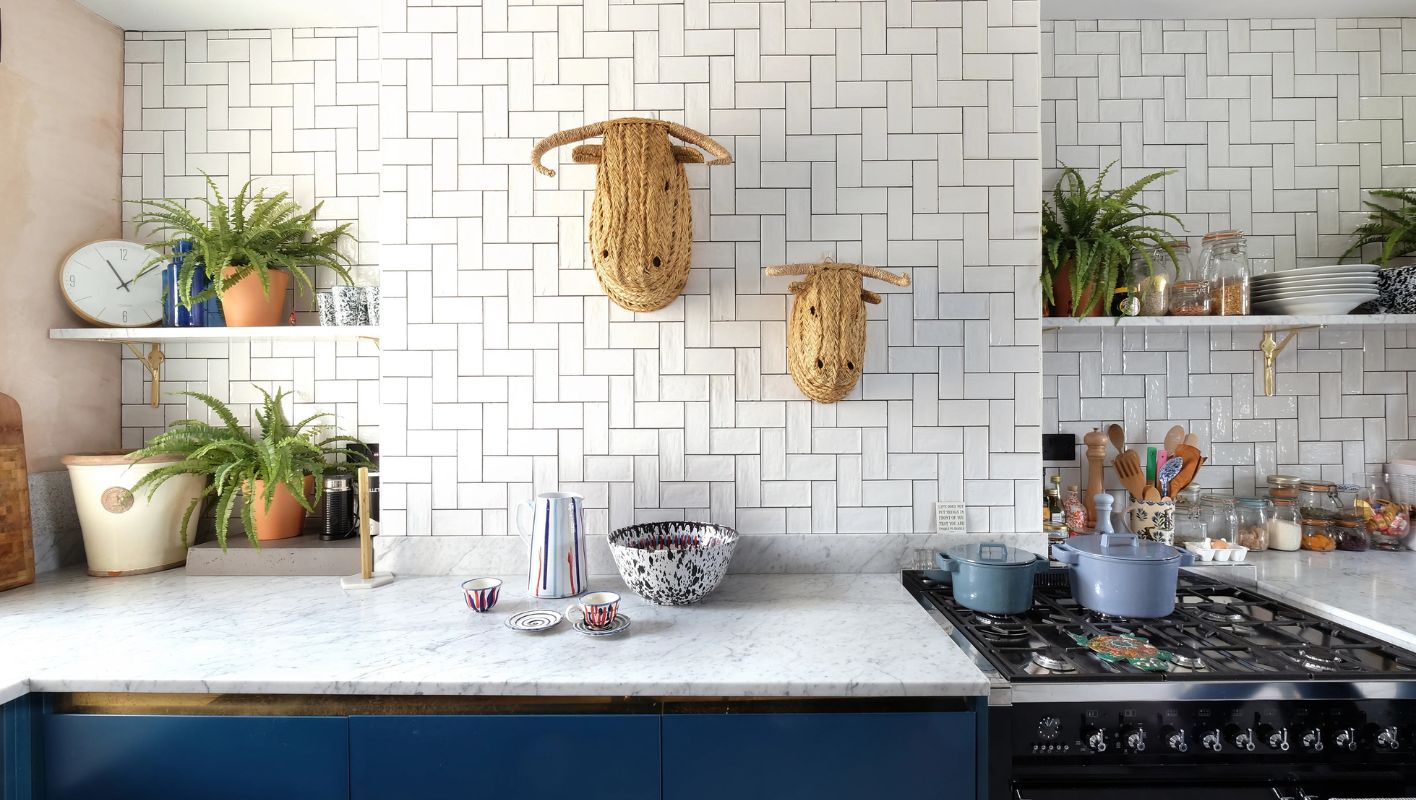
One of the most significant advantages of peel and stick tiles1 is their ease of installation. Unlike traditional tiles that require grout and mortar, these can be directly adhered to surfaces, making them perfect for DIY enthusiasts. There’s no need for special tools, reducing both time and costs.
Cost-Effectiveness
Affordability is another attractive feature. Peel and stick tiles generally cost less than traditional tiles when you factor in savings on labor and materials. This makes them a great option for those looking to update their space on a budget.
| Feature | Peel and Stick Tiles | Traditional Tiles |
|---|---|---|
| Installation Time | Quick | Longer |
| Labor Requirement | Low | High |
| Cost | Affordable | Expensive |
Design Flexibility
The variety of styles available allows for creative expression. From modern to vintage, peel and stick tiles2 cater to diverse aesthetic preferences. They can mimic the look of ceramic, marble, or wood without the hefty price tag.
Ideal for Temporary Spaces
These tiles are perfect for renters or anyone seeking temporary solutions. They can be easily removed without damaging the underlying surface, making them a popular choice for those not looking for permanent changes.
Durability and Maintenance
While not as robust as traditional tiles, many peel and stick options offer reasonable durability for low-traffic areas. They are water-resistant, making them suitable for kitchens and bathrooms, though it’s essential to ensure proper application to prevent issues like peeling or water damage.
For more information on the durability of these tiles, refer to installation guidelines3 provided by manufacturers.
Peel and stick tiles require no special tools for installation.True
These tiles can be adhered directly to surfaces, simplifying DIY projects.
Peel and stick tiles are more expensive than traditional tiles.False
They are generally more affordable due to lower labor and material costs.
How Durable Are Peel and Stick Tiles in High-Moisture Areas?
Ever wondered if peel and stick tiles can handle the steamy chaos of your bathroom or kitchen? Let’s dive into their durability in high-moisture zones.
Peel and stick tiles can stand up to high-moisture areas like bathrooms and kitchens, as long as they’re installed properly and designed for such environments. Proper surface prep and sealing boost their durability.
Understanding Peel and Stick Tile Composition
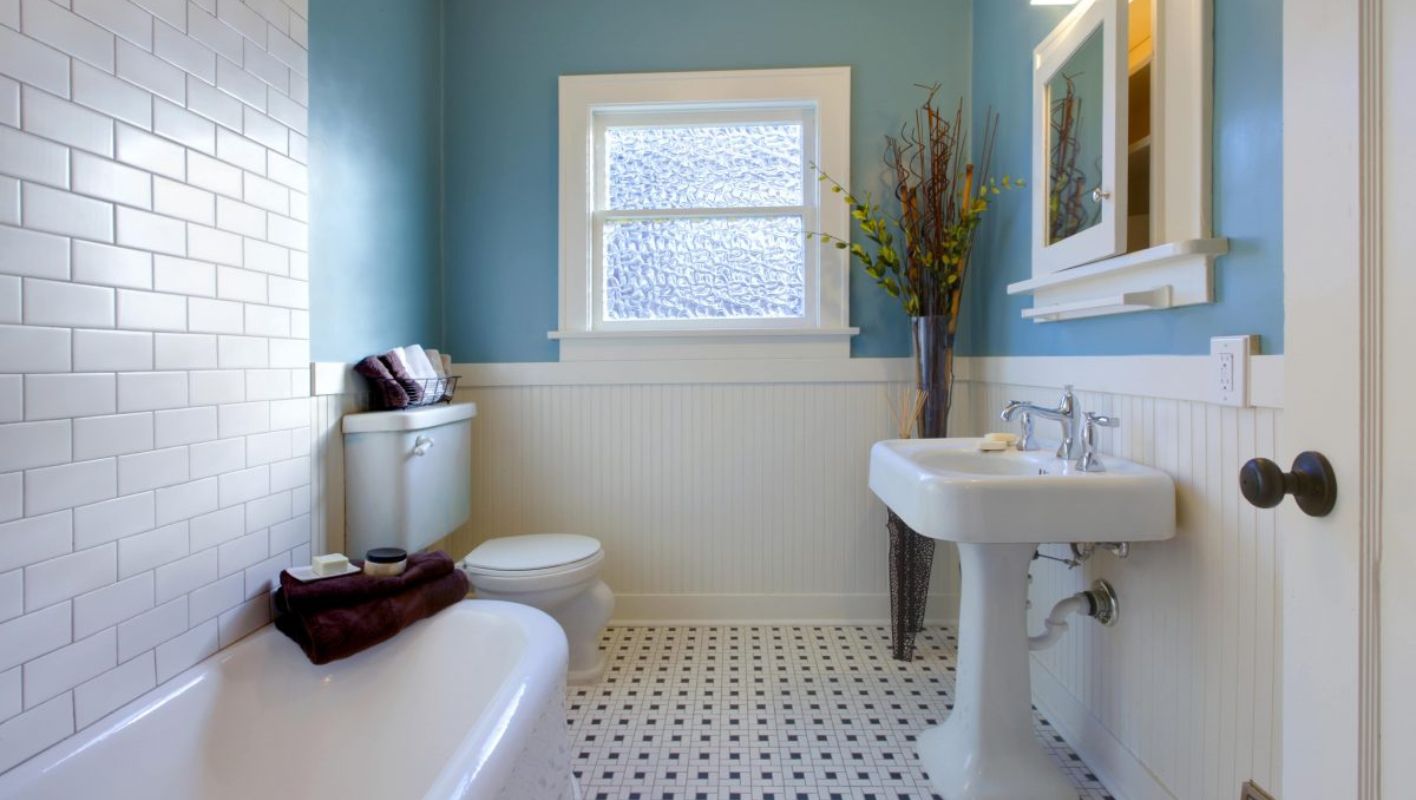
I remember the first time I decided to spruce up my bathroom on a budget. The charm of peel and stick tiles was irresistible, especially their promise of easy installation and design flexibility. But, like anyone else would, I worried about how they’d fare in such a moist environment. Most of these tiles are made from vinyl, known for its water-resistant properties. However, not all vinyl is created equal. Some are crafted specifically to handle the moisture barrage of a bathroom or kitchen. It’s crucial to choose tiles4 labeled for these settings.
Installation Techniques Matter
My first attempt taught me that the secret sauce to a long-lasting tile job lies in the installation process. Picture this: a spotless, dry surface free from any speck of dust or grease. That’s your starting point. A big mistake I made initially was overlooking the edges—unsealed edges mean water sneaks in, leading to peeling. Using a roller during installation helps squash any air bubbles, making sure those tiles stick for good.
| Tip | Description |
|---|---|
| Surface Preparation | Clean and dry thoroughly before application. |
| Use a Roller | Press down firmly to eliminate air bubbles. |
| Seal Edges | Prevents water from infiltrating underneath. |
Potential Issues in High-Moisture Areas
Even with the best intentions, peel and stick tiles can sometimes play tricks, like peeling at the edges or fostering mold if moisture gets trapped underneath. To dodge these pitfalls, applying a waterproof sealant over the seams works wonders. Regular check-ups can save you from future headaches by catching signs of wear early.
For those on the fence about using peel and stick tiles in super wet zones, exploring alternatives5 like ceramic or porcelain tiles might offer peace of mind with their superior moisture resistance.
Maintenance and Care Tips
In high-moisture areas, while peel and stick tiles don’t ask for much, regular cleaning with non-abrasive cleaners is key to keeping them fresh. Avoid drenching them in water; pooling can weaken their adhesive grip over time.
Keeping humidity in check with a dehumidifier can help ward off moisture issues. Having an effective humidity control6 strategy is essential not just for the tiles but also for the underlying surfaces.
Regular inspections ensure you catch any problems early, letting you enjoy your beautifully tiled space without worry.
Peel and stick tiles are waterproof.False
They are water-resistant, not fully waterproof, especially at seams.
Using a roller improves tile adhesion.True
It removes air bubbles, ensuring better contact with the surface.
Can Peel and Stick Tiles Be Removed Easily Without Damage?
I remember the first time I tried to remove peel and stick tiles—it felt like a daunting task! Let me walk you through how to do it smoothly without causing any damage.
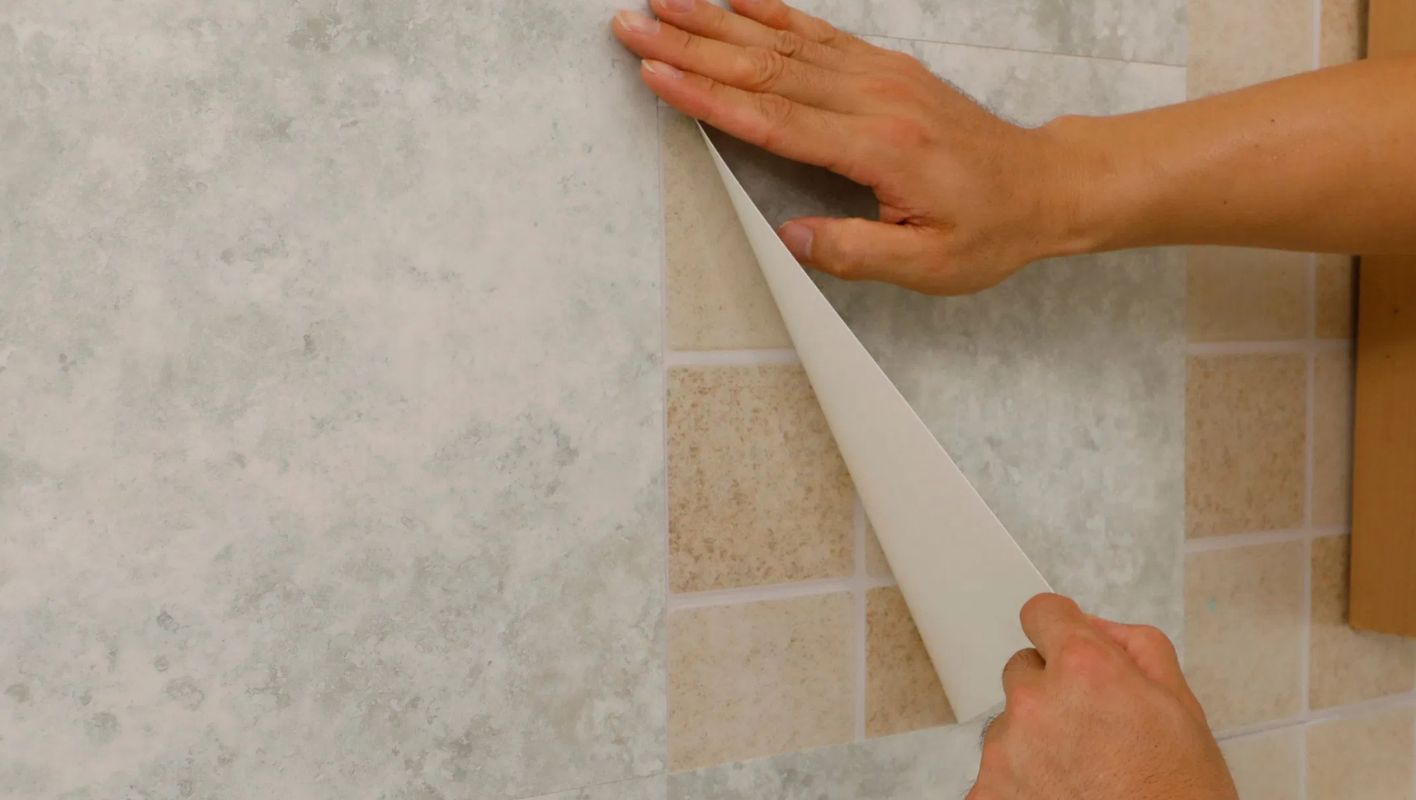
Yes, you can remove peel and stick tiles easily without causing damage if you use the right methods. Applying heat with a hairdryer softens the adhesive, making it easier to peel off gently and safely.
Understanding the Adhesive Properties
When I first dealt with peel and stick tiles, I was amazed by their strong grip. The pressure-sensitive adhesive really holds up, sticking well to surfaces like walls and floors. But here’s the kicker: how easy they are to remove often depends on factors like the quality of the adhesive7, the surface material, and how long they’ve been stuck there.
Methods to Remove Tiles Safely
If you’re like me and want to tackle tile removal without a hitch, try these methods:
- Apply Heat: A hairdryer or heat gun can be your best friend. I found that warming up the tile loosens the adhesive, making it so much easier to peel off.
- Use a Putty Knife: This tool gives you precise control. Slide it under the tile’s edge gently, and you’ll see it starts lifting smoothly.
- Slow and Steady: Just like when peeling a sticker from a new book—take it slow. This minimizes any potential damage to the surface.
| Technique | Pros | Cons |
|---|---|---|
| Heat Application | Effective, simple | Can be time-consuming |
| Putty Knife | Precise control | Requires caution |
| Slow Peeling | Minimizes surface damage | May need patience |
Preparing Surfaces for New Tiles
After successfully removing the tiles, preparing the surface for new installations is key:
- Clean Thoroughly: It’s important to remove any leftover adhesive with a scraper and adhesive remover. Check out some cleaning tips8 that worked wonders for me.
- Inspect for Damage: Before you stick new tiles, ensure the surface is spotless and damage-free.
By sticking to these steps, you can keep your surfaces looking fresh, whether you’re updating or doing a full makeover. Dive into more surface preparation9 techniques for additional insights.
Understanding these techniques will definitely help Daniel10, and anyone in his shoes, make informed decisions about peel and stick tiles in their projects. Whether you’re removing them or considering their long-term effects, knowing the right approach is key.
Heat application helps remove tiles easily.True
Applying heat softens the adhesive, making tile removal simpler.
Peel and stick tiles always leave residue.False
Proper techniques can prevent residue, ensuring clean removal.
How Do Peel and Stick Tiles Compare to Traditional Tiles?
Ever found yourself pondering the world of tiles, wondering which type might just be the perfect match for your project?
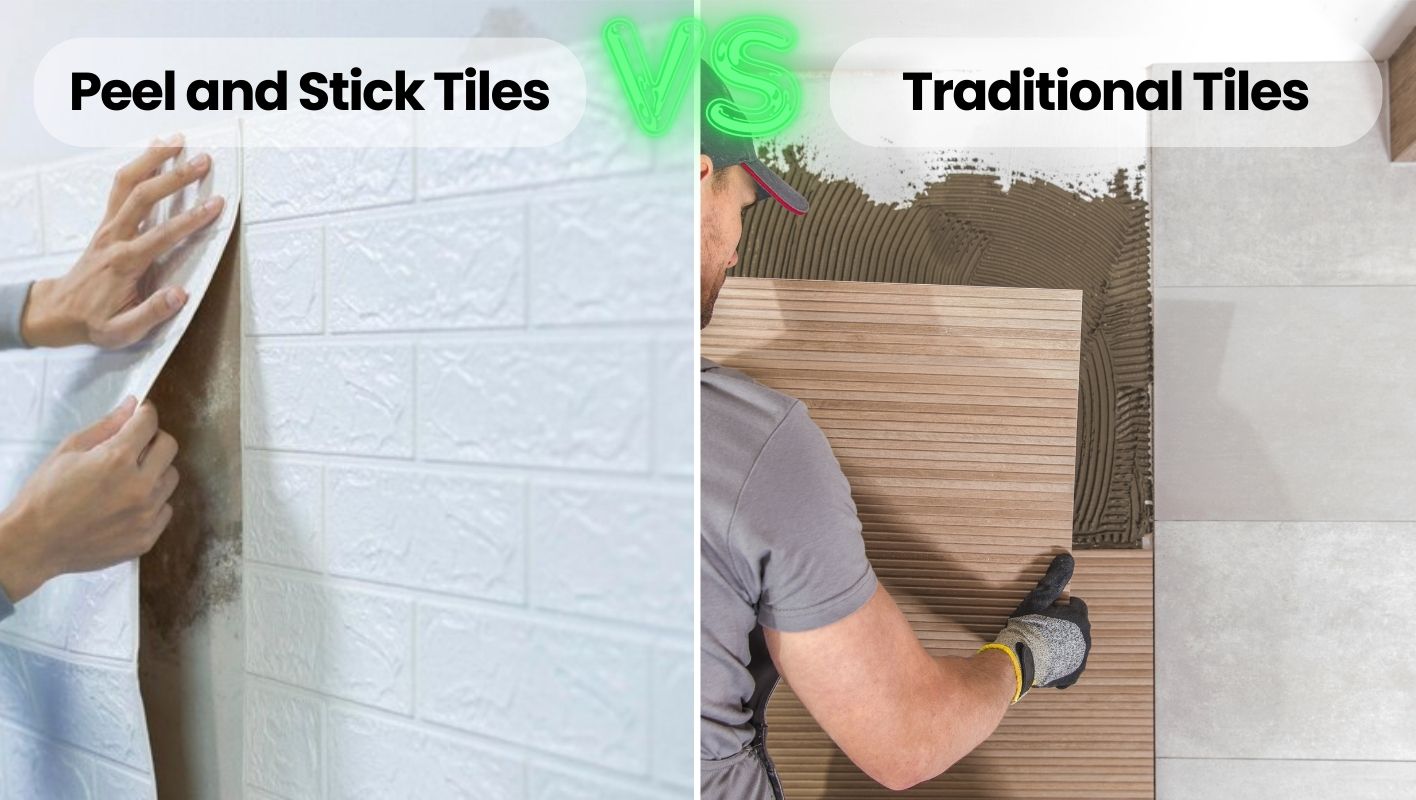
Peel and stick tiles provide a budget-friendly, easy-to-install alternative ideal for temporary solutions or those who enjoy DIY projects. In contrast, traditional tiles offer superior durability and customization options, making them perfect for long-term commitments.
Installation Process
One major advantage of peel and stick tiles is their ease of installation. Let me take you back to when I first tackled a DIY project in my kitchen. I was standing there, armed with peel and stick tiles, a hopeful heart, and maybe a slight underestimation of my DIY prowess. Those tiles, with their user-friendly adhesive backing, seemed like the perfect start for a newbie like me. No grout, no mess, just peel off the backing and stick them on the wall. Within hours, my kitchen had transformed, giving me a satisfying sense of accomplishment.
Traditional tiles require a more involved installation process. Compare this with my friend Mike’s experience: he took the traditional route, investing time in meticulously cutting ceramic tiles, applying grout, and calling in reinforcements—professional ones—to ensure everything was set just right. While this means higher upfront costs, it ensures a more polished and permanent finish.
Cost Analysis
In terms of cost, when I was on a tight budget for my rental apartment revamp, peel and stick tiles were my go-to choice due to their affordability in both material price and installation. They are ideal for budget-conscious projects or rental spaces where long-term investment isn’t feasible.
| Tile Type | Material Cost | Installation Cost | Total Cost |
|---|---|---|---|
| Peel and Stick | Low | Very Low | Low |
| Traditional | Medium-High | Medium-High | Medium-High |
On the flip side, I’ve seen how traditional tiles can be a wise investment in the long run due to their durability often meaning less maintenance and fewer replacements over time.
Durability and Maintenance
Having tested both types in different areas of my home, I’ve noticed that traditional tiles typically outperform peel and stick options when it comes to longevity. Made from materials like ceramic or porcelain, they are resistant to heavy foot traffic and moisture without losing their charm.
Peel and stick tiles are more suited to low-impact areas. They serve their purpose well but may not hold up as well in high-moisture environments unless specifically designed for such conditions. Frequent replacement might be necessary.
Aesthetic Versatility
For someone like me who loves playing around with design aesthetics, traditional tiles offer an expansive playground of possibilities from stunning mosaics11 to rustic ceramics; customization is endless.
Although peel and stick tiles have come a long way in offering diverse styles and patterns, they might not capture the same depth or richness that custom designs with traditional tiles can provide.
Environmental Considerations
Sustainability is a priority for me. Traditional tiles often win here due to their longevity which contributes to a smaller environmental footprint over time. However, I’m thrilled to see eco-friendly peel-and-stick options emerging—many made from recycled materials—adding a greener alternative12 to my renovation toolkit.
In essence, whether it’s the quick fix of peel-and-stick or the enduring allure of traditional tiles each has its place depending on what you’re looking to achieve. So when you’re weighing your options for that next project think about your priorities—budget style or sustainability—and choose the one that feels right for you.
Peel and stick tiles require no special tools for installation.True
Peel and stick tiles are designed for easy application without special tools.
Traditional tiles are more expensive to install than peel and stick.True
Traditional tiles need professional installation, raising costs compared to DIY peel and stick.
Conclusion
Peel and stick tiles offer an affordable, easy-to-install option for DIY projects, but may lack durability compared to traditional tiles. Ideal for temporary solutions and low-impact areas.
-
Discover detailed insights into how these tiles simplify home improvement projects. ↩
-
Explore the variety of styles and finishes to match any décor. ↩
-
Learn about proper application techniques to enhance tile longevity. ↩
-
Discover top-rated peel and stick tiles suitable for bathroom use, ensuring durability and moisture resistance. ↩
-
Explore durable tile options like ceramic or porcelain for high-moisture environments. ↩
-
Learn effective methods to maintain ideal humidity levels, protecting your tiles and surfaces. ↩
-
Understanding adhesive quality helps ensure both strong bonding and easy removal, crucial for long-term maintenance. ↩
-
Effective cleaning methods prevent residue from affecting future installations and maintain surface integrity. ↩
-
Proper surface preparation ensures successful new tile installations without compromising quality or adhesion. ↩
-
Learn about roles like Daniel’s to understand how professionals manage building materials sourcing effectively. ↩
-
Discover the vast array of design choices available with traditional tiles. ↩
-
Learn about sustainable peel and stick tile options made from recycled materials. ↩






