
What are Aluminum Extrusion Profiles?
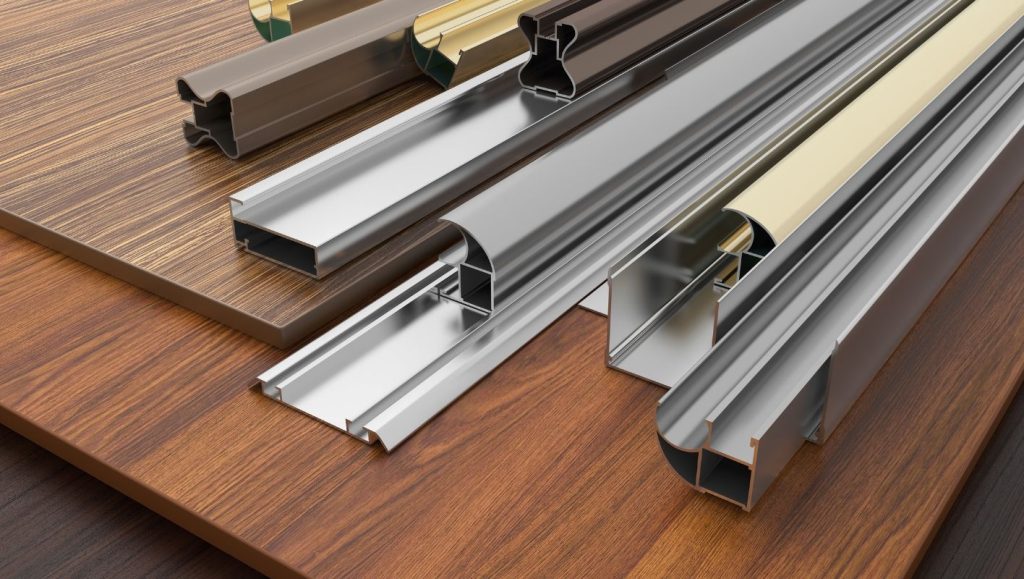
Aluminum extrusion profiles are long, uniform shapes formed by pushing heated aluminum through a die. This process creates lightweight yet strong sections ideal for various industries like construction, automotive, and aerospace. The adaptability of these profiles allows for customized designs that meet specific project needs while balancing strength and lightness. Understanding the extrusion process—from preheating to cutting—can elevate design approaches across multiple applications. With excellent corrosion resistance and thermal conductivity, aluminum extrusions are eco-friendly options that enhance sustainability in manufacturing. Their cost-effectiveness and recyclability further solidify their status as essential materials in modern engineering projects.
What Are the Different Types of Aluminium Profiles?
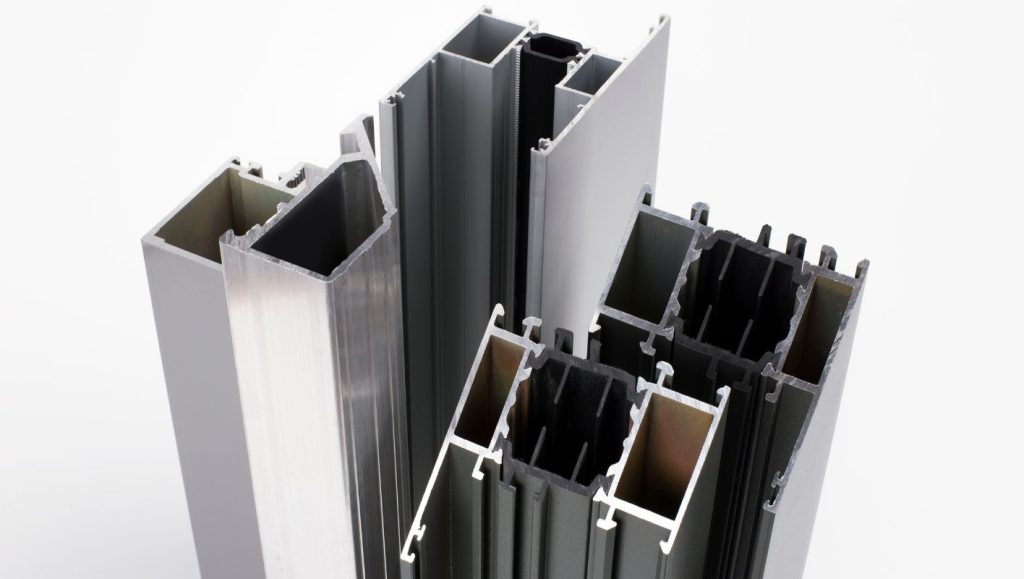
Aluminium profiles are crucial in various industries due to their lightweight yet strong nature. This article explores different types of aluminium profiles such as standard L-profiles and T-profiles, structural options for load-bearing applications, and custom designs tailored to specific project needs. Each profile type serves distinct functions in construction and manufacturing while promoting sustainability. Understanding these profiles is essential for professionals like procurement managers who seek to balance strength with aesthetic appeal. The article also highlights the importance of industry standards and the benefits of coatings that enhance durability and performance.
What Are the Best Uses for 6063 Aluminum?
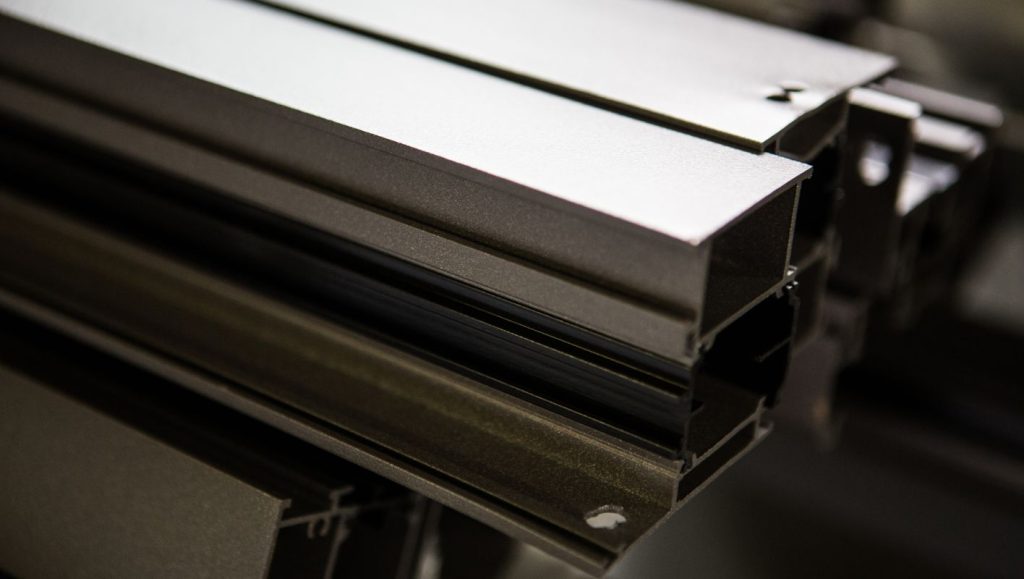
6063 Aluminum is celebrated for its exceptional properties that make it perfect for various applications, particularly in architecture. Known for its impressive corrosion resistance and superior surface finish, 6063 aluminum excels in creating beautiful window frames, irrigation tubing, and intricate designs. Its adaptability allows it to shine across multiple industries including construction and consumer goods. While compared to 6061 aluminum—known for strength—6063 stands out in aesthetics and workability. Understanding the nuances of these alloys helps in selecting the right material based on project needs. With fluctuating market prices influenced by demand and supply dynamics, strategic procurement becomes essential for maintaining competitive pricing while ensuring quality. This blog post explores the best uses of 6063 aluminum, highlighting its versatility and importance in modern design.
How Can You Achieve Whole House Customization in China?

Customizing your home in China offers the chance to create a unique living space that reflects your style. This journey involves setting clear goals, creating a budget, gathering design ideas, hiring professionals, and selecting high-quality materials. Engaging with local manufacturers who prioritize sustainability and quality is crucial for successful execution. Companies like Oppein and ZBOM lead the market by providing tailored solutions while integrating technology and eco-friendly practices. Navigating regulations and sourcing materials can be challenging but rewarding when done right. With careful planning and collaboration with trusted suppliers, you can transform your vision into reality.
What Is the Difference Between Aluminum and Aluminium?
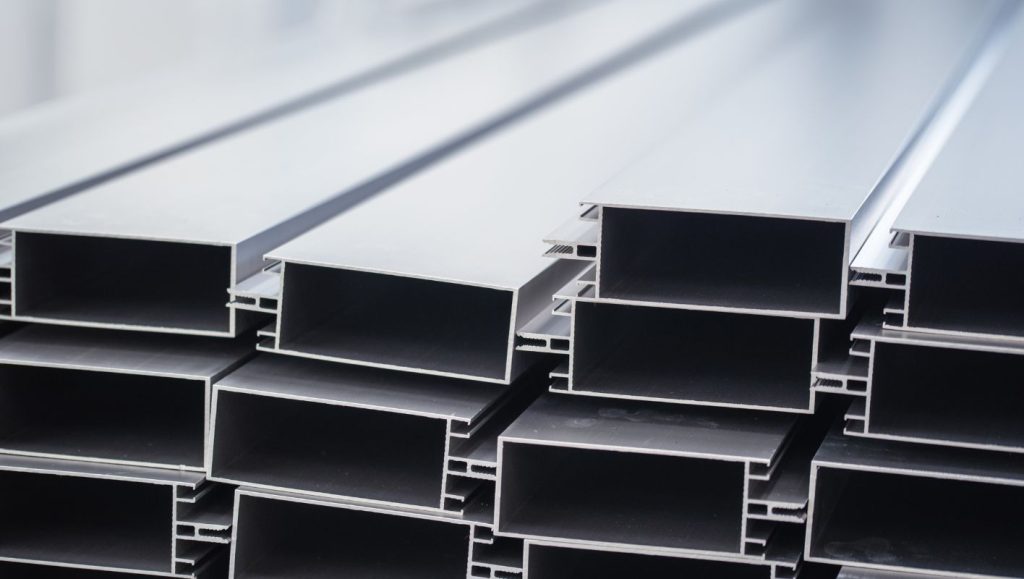
The difference between ‘aluminum’ and ‘aluminium’ primarily lies in regional spelling preferences, with ‘aluminum’ used in American English and ‘aluminium’ preferred in British English. This distinction reflects broader linguistic trends influenced by historical figures like Noah Webster, who aimed to simplify spelling and establish a distinct American identity. The article explores how these variations emerged alongside cultural divergences between Britain and America, as well as the impact of dictionaries on standardization. Additionally, it delves into pronunciation differences across regions and highlights aluminum’s versatile applications in industries such as automotive, aerospace, construction, and packaging due to its lightweight nature and corrosion resistance.
Which is Better: Aluminum or Steel for Your Project?
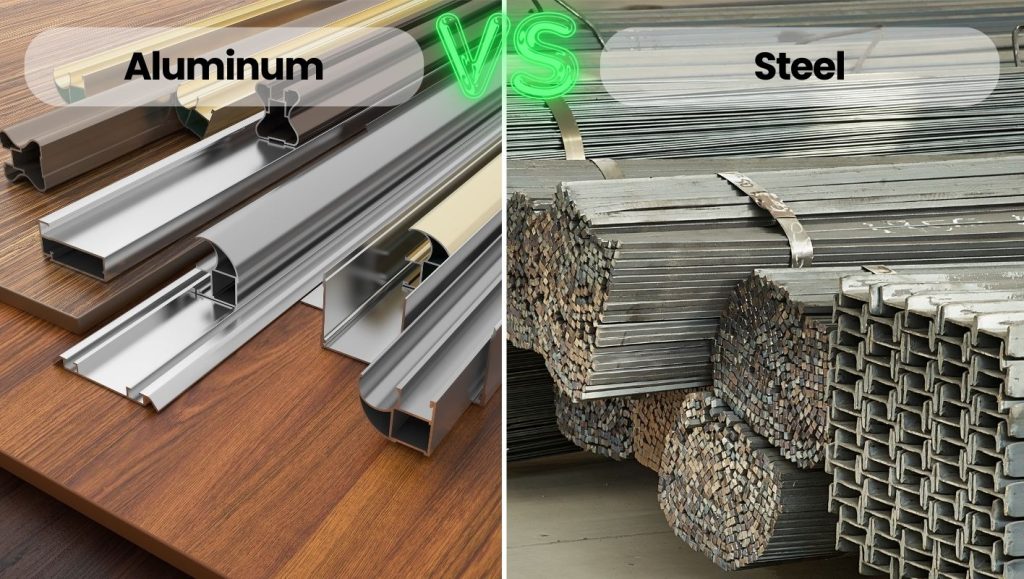
Deciding between aluminum and steel for your project can be challenging. Aluminum is ideal for lightweight, corrosion-resistant applications, making it perfect for outdoor projects. In contrast, steel provides unmatched strength and durability, suitable for large-scale constructions. Understanding the unique properties of each material—such as weight, cost, corrosion resistance, and application suitability—is crucial in making an informed decision. This guide explores the strengths of both metals to help you choose the right one based on your project’s specific demands.
