
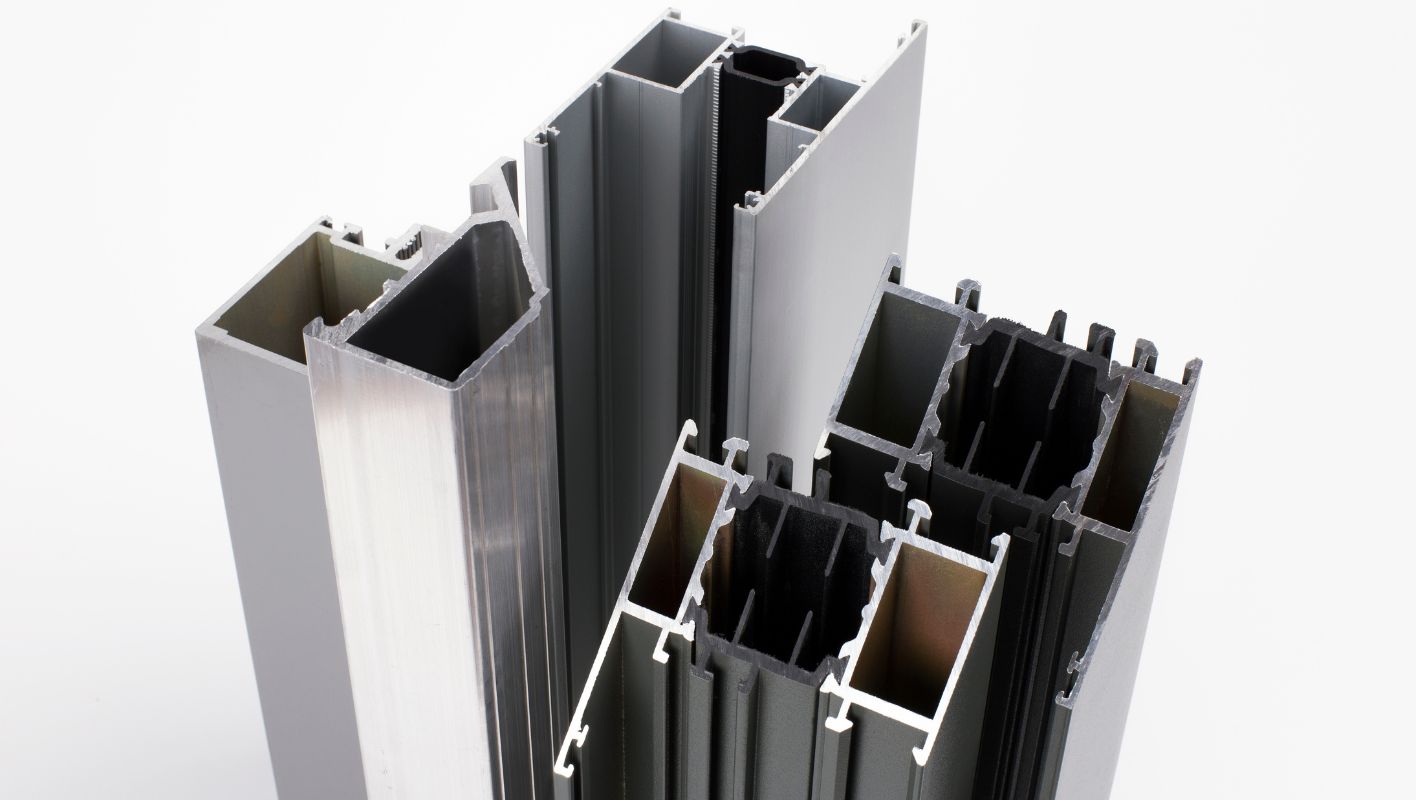
Ever wonder what makes your car so lightweight yet strong? It’s all about aluminium profiles!
Aluminium profiles come in various types, including standard profiles like L-profiles and T-profiles, structural profiles for load-bearing applications, and custom profiles tailored to specific project needs. Each type serves distinct purposes in industries such as construction, transportation, and consumer goods.
I remember when I first encountered aluminium profiles in a big construction project. Choosing the right profile felt like picking the perfect tool from a toolbox—each one had its unique role. Understanding these profiles is crucial for anyone working on large-scale projects like James, who needs to balance strength, aesthetics, and sustainability. From standard L-profiles to custom designs, each profile type offers something unique for various applications. Let’s explore these options so you can make informed decisions for your next project.
Custom aluminium profiles can be tailored for specific projects.True
Custom profiles are designed to meet unique project specifications.
Aluminium L-profiles are used in load-bearing applications.False
L-profiles are standard profiles, not typically used for load-bearing.
What Are the Standard Aluminium Profiles Available?
Hey there! Have you ever been knee-deep in a construction project, only to realize you need the perfect aluminium profile to fit just right?
Standard aluminium profiles come in a variety of shapes such as channels, angles, T-profiles, and tubes. These profiles are designed to meet different structural and aesthetic needs, providing versatility in construction and manufacturing applications.
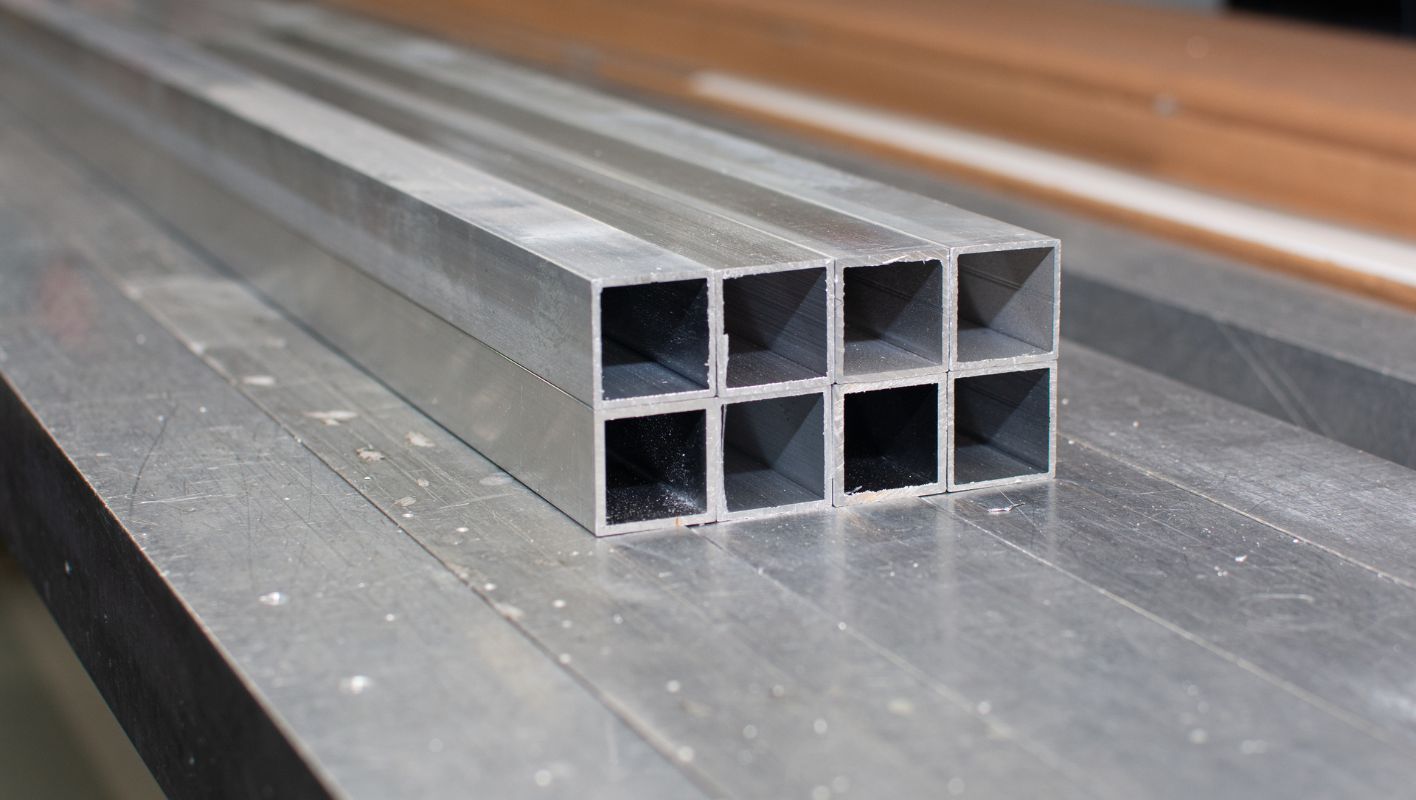
Common Shapes of Aluminium Profiles
You know that feeling when you’re piecing together a puzzle and you finally find that one piece that fits perfectly? That’s exactly how I feel when I find the right aluminium profile for a project. There are so many shapes to choose from, each with its unique charm and utility.
- Channels: Think of these as the sturdy backbone of your structure, providing essential support and framing. Whether I’m working on a simple home renovation or a large-scale commercial project, channels always seem to find their place.
- Angles: These are like the unsung heroes in harsh environments—reliable, tough, and ready to protect corners and edges from wear and tear.
- T-Profiles: Ever needed to join two surfaces seamlessly? T-profiles are your go-to for that flawless finish. They’re customizable too, which means you can get creative with coatings and finishes.
- Tubes: Perfect for when you need something robust yet lightweight. I often use them in piping or as structural supports when aesthetics matter just as much as strength.
Channels
Aluminium channels are available in various sizes, typically defined by their width and height. Here’s a quick look at some common dimensions I often work with:
| Size (mm) | Width | Height |
|---|---|---|
| 20×10 | 20 | 10 |
| 40×20 | 40 | 20 |
These channels are perfect for projects where strength-to-weight ratio1 is crucial, like when I’m designing a sleek yet sturdy structure that needs to stand the test of time.
Angles
Angles are incredibly adaptable and my go-to choice for both load-bearing and decorative purposes. Their excellent corrosion resistance is especially important for projects exposed to the elements, giving me peace of mind.
T-Profiles
Whenever I need to join two flat surfaces without visible seams, I turn to T-profiles. Their versatility in architectural and construction projects makes them indispensable. They allow for various finishes2 and coatings.
Industry Standards and Specifications
It’s not just about picking any profile—it’s crucial they meet industry standards to ensure quality and performance. Here’s a rundown of the standards I trust:
| Standard | Description |
|---|---|
| ISO | International Organization |
| ASTM | American Society for Testing |
| EN | European Norm |
Choosing profiles that comply with these standards ensures they fit your project specifications perfectly and meet legal requirements. It’s all about ensuring compatibility and reliability for successful construction projects3. Whenever I’m selecting profiles, these standards help guide me to make informed decisions.
Channels are used for framing structures.True
Channels provide support and structure due to their strength-to-weight ratio.
Tubes are primarily used for edge protection.False
Tubes are mainly used in piping and structural supports, not edge protection.
How Do Custom Aluminium Profiles Enhance Project Design?
Imagine transforming your project design with the stroke of a genius—thanks to custom aluminium profiles, this dream is within reach!
Custom aluminium profiles enhance project design by allowing tailored shapes, sizes, and finishes, optimizing structural integrity and aesthetics. They provide flexibility in design, facilitating unique architectural features and efficient resource use.
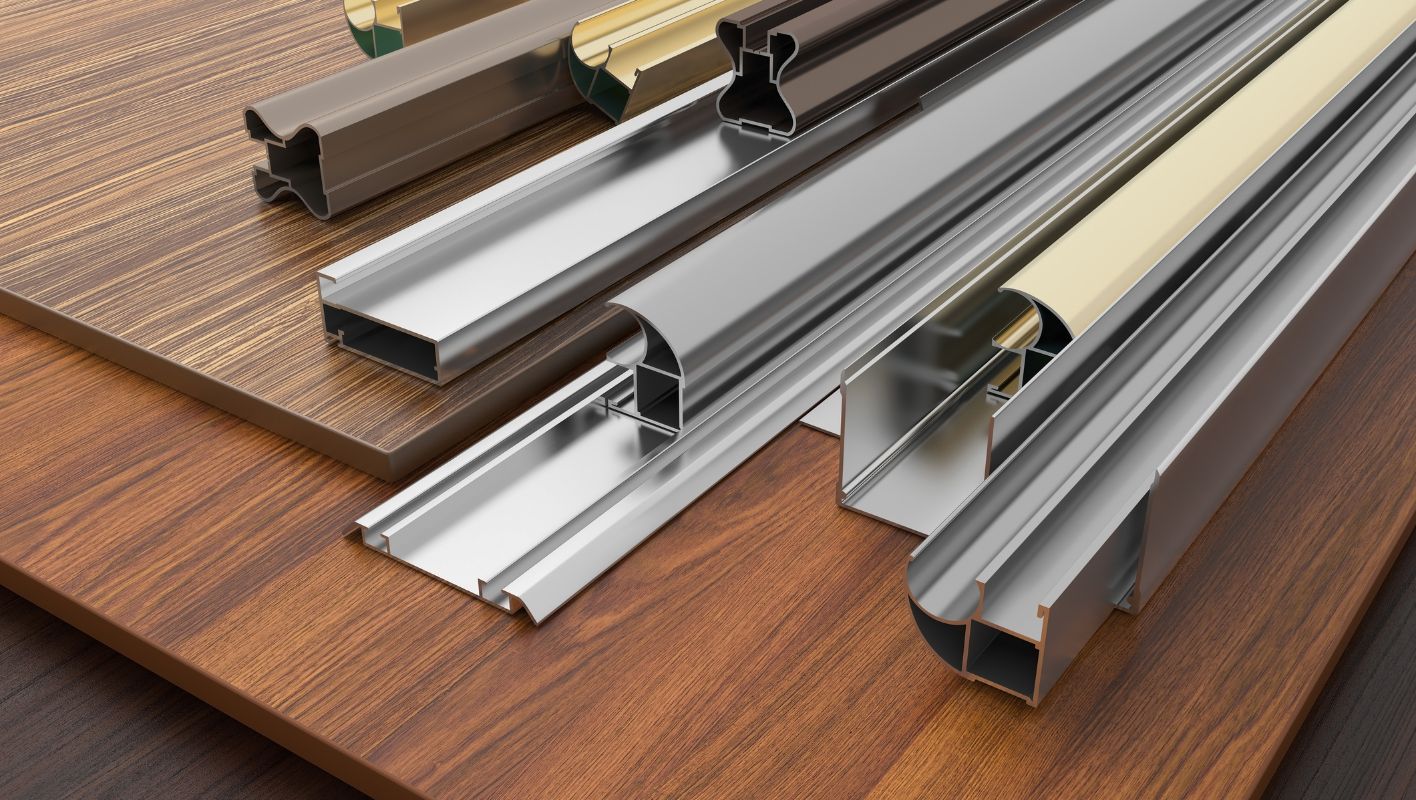
The Flexibility of Custom Aluminium Profiles
I remember my first encounter with custom aluminium profiles—an architect friend showed me a project where these profiles allowed for a breathtakingly unique façade. It dawned on me just how much flexibility they offer in design4. Imagine specifying every dimension, every curve to match the vision you have in your head. It’s like having a canvas that morphs according to your creativity, allowing for structures that are not only functional but also visually striking.
Tailored Solutions for Every Project
One of the most remarkable benefits I’ve discovered about custom aluminium profiles is their ability to adapt to every specific need of a project. I recall a scenario where we needed a precise fit for a challenging curve in a building design. Thanks to these custom profiles, we managed to achieve perfection without the hassle of endless modifications or added supports.
| Feature | Benefit |
|---|---|
| Precise Fit | Reduces waste and cost |
| Unique Shapes | Enhances architectural aesthetics |
| Diverse Finishes | Matches project theme perfectly |
Enhanced Structural Integrity
I’ve seen firsthand how custom aluminium profiles can bolster the structural integrity of buildings. Each component is tailored for optimal load distribution, leading to stronger structures that confidently face environmental stresses. This customization isn’t just about beauty—it’s about building with resilience.
Examples from the Field
Take the innovative buildings in Toronto5, for example. These projects showcased how custom profiles can support large spans and complex geometries without compromising safety or performance. I can’t help but admire how adaptable aluminium is in modern construction.
Sustainability and Efficiency
Aluminium’s lightweight nature and recyclability make it an eco-friendly choice that aligns with sustainable building practices. Custom profiles take this further by minimizing material use and maximizing resource allocation6, which resonates with green building standards.
Material Efficiency
Using precisely engineered profiles means reducing the overall weight of a building—this has been a game-changer in my experience. It cuts down on energy consumption during transportation and installation, plus aluminium’s durability ensures longevity, saving us from frequent repairs or replacements.
Aesthetic Enhancements
But let’s not forget the aesthetic perks! Custom aluminium profiles allow for sleek lines and contemporary designs that redefine a building’s look. Whether it’s the variety of finishes or the coatings that are available, these profiles ensure that aesthetics are just as important as functionality.
Real-World Applications
Think about those stunning façade systems where custom designs7 have turned traditional exteriors into modern masterpieces. I’ve witnessed how this versatility makes aluminium a top choice for architects wanting to push the boundaries of design.
In conclusion, custom aluminium profiles offer versatile solutions that cater to diverse project needs while promoting sustainability and innovation in design. Whether you’re chasing after functional efficiency or visual brilliance, these profiles hold the key.
Custom aluminium profiles reduce material waste.True
Precise fitting of custom profiles minimizes excess material use, reducing waste.
Aluminium profiles cannot support complex geometries.False
Custom aluminium profiles are designed to handle complex shapes and spans.
Why Choose Structural Aluminium Profiles for Load-Bearing Applications?
Imagine building a bridge with the strength of steel but only half the weight. That’s the magic of structural aluminium profiles.
Structural aluminium profiles are ideal for load-bearing applications because they combine an excellent strength-to-weight ratio, superior corrosion resistance, and adaptable design options, offering a durable and cost-efficient alternative to traditional materials.
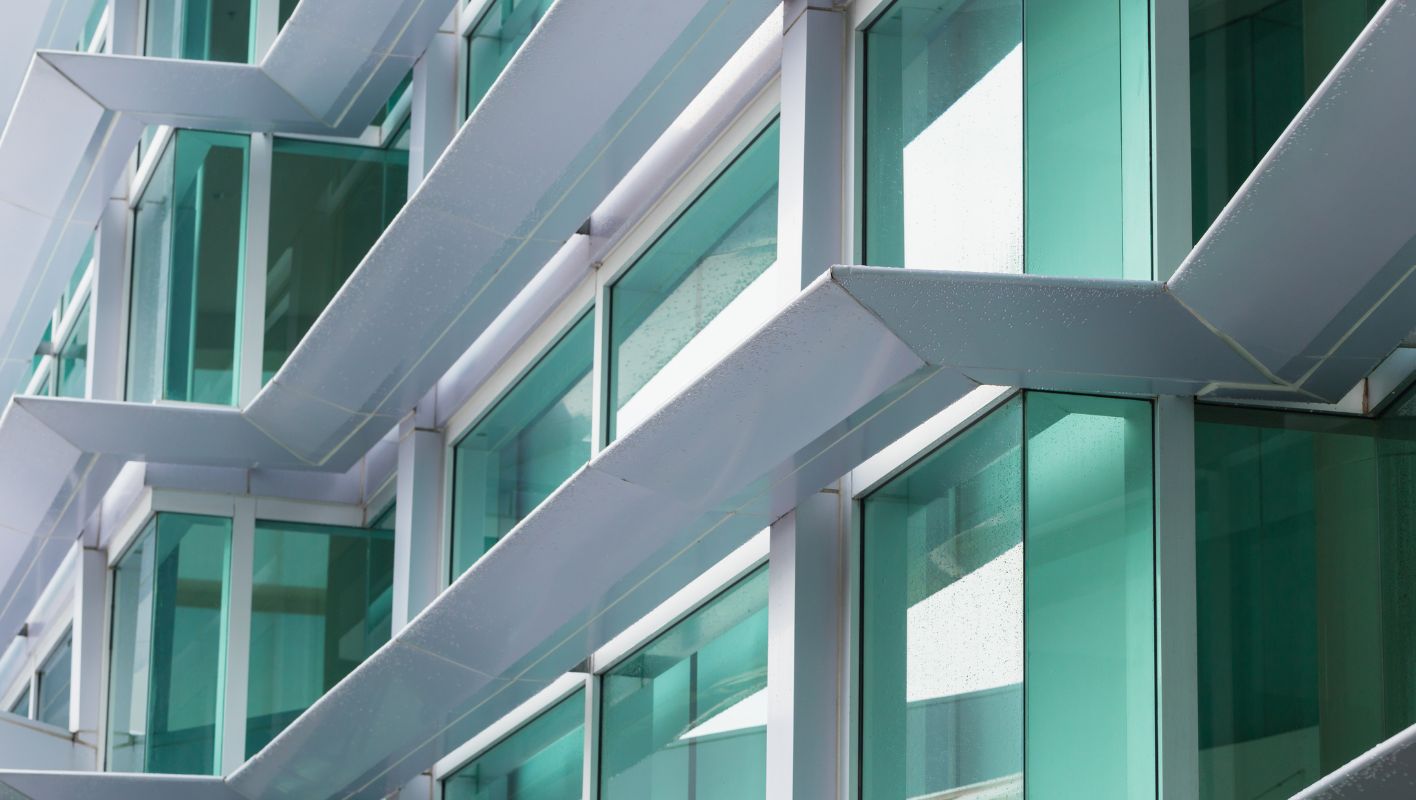
Strength-to-Weight Ratio
When I first discovered the power of structural aluminium profiles, it was like unlocking a new level in a video game. The exceptional strength-to-weight ratio8 was a revelation. Imagine lugging a heavy steel beam across a construction site. Now, picture lifting something lighter that offers the same robustness. That’s aluminium for you—light as a feather yet strong enough to hold its own against steel.
| Material | Density (g/cm³) | Tensile Strength (MPa) |
|---|---|---|
| Aluminium | 2.7 | 310 |
| Steel | 7.85 | 250 |
I remember working on a project where every pound counted—transportation costs were through the roof, and we needed a solution. Aluminium came to our rescue, cutting down not only on weight but also on costs.
Corrosion Resistance
My first coastal project taught me a thing or two about corrosion resistance9. With salt spray as an ever-present enemy, I quickly learned that aluminium’s natural oxide layer is like having an invisible shield. It saved us from countless headaches related to rust and wear, making it perfect for marine or industrial environments.
- Saltwater exposure: Ideal for marine applications.
- Industrial atmospheres: Withstands pollutants without degradation.
Design Versatility
The first time I realized the design flexibility10 of aluminium, it was like seeing a blank canvas ready to be transformed into art. Whether it’s intricate shapes or custom finishes, aluminium profiles adapt beautifully to whatever vision we have in mind, without sacrificing integrity.
Design customization includes:
- Extrusion possibilities: Complex shapes with precise tolerances.
- Surface finishes: Anodizing, powder coating, and more.
Sustainability
I’ve always believed in leaving a minimal footprint on the planet. Aluminium’s recyclability is like finding gold in sustainability. It uses just about 5% of the energy required to produce primary aluminium, aligning perfectly with green building standards11. I’m proud to choose materials that not only meet my project needs but also support eco-friendly practices.
Cost-Effectiveness
Some might balk at aluminium’s upfront cost, but I see it as an investment in peace of mind. Its durability and low maintenance requirements translate into significant savings over time. Plus, its lightweight nature means easier handling and potentially lower transport costs. For me, it’s about looking at the full lifecycle costs and recognizing that aluminium provides incredible value for load-bearing applications.
In my experience, when weighing all these factors together, it’s clear that structural aluminium profiles offer benefits that extend well beyond initial expectations. They not only meet rigorous project specifications but also contribute to broader sustainability goals—making them a smart choice for any forward-thinking engineer or procurement manager.
Aluminium is lighter than steel but less strong.False
Aluminium is lighter and has a higher tensile strength than some steels.
Aluminium's oxide layer enhances corrosion resistance.True
The natural oxide layer on aluminium prevents further oxidation.
How Do Coatings and Finishes Affect Aluminium Profile Selection?
Have you ever wondered how coatings and finishes can completely transform aluminium profiles?
Coatings and finishes enhance aluminium profiles by providing corrosion resistance, aesthetic appeal, and improved durability. They influence material performance, making them crucial in selecting the right profiles for specific applications.
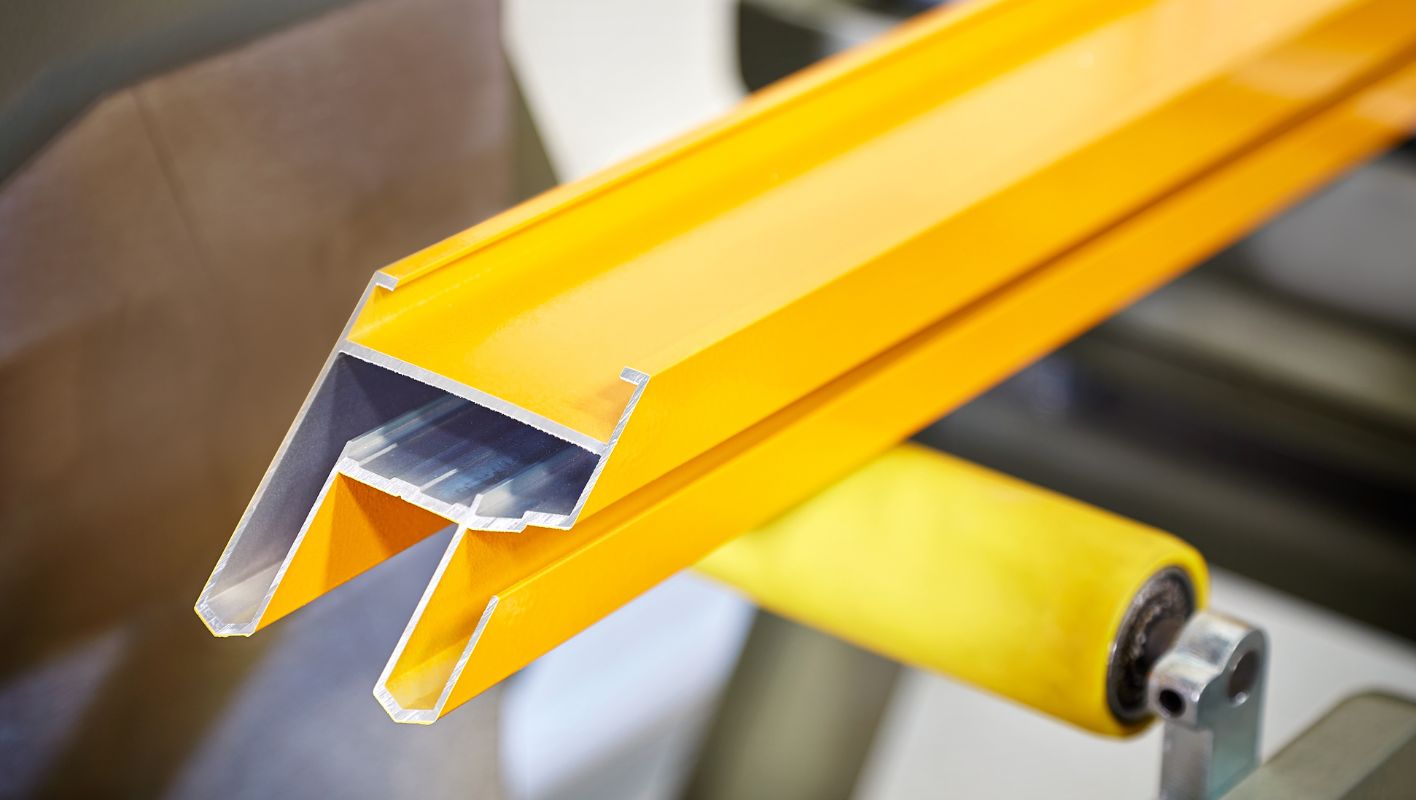
Enhancing Durability with Coatings
I remember the first time I had to decide on the best coating for a project. It felt like choosing a winter jacket that had to withstand the harshest Canadian snowstorms. Aluminium profiles are pretty sturdy on their own, but adding the right coating makes them practically invincible against environmental challenges. For example, powder coatings12 add a robust shield, protecting against both corrosion and those pesky scratches that seem to appear out of nowhere. Here’s a quick comparison of different coatings:
| Coating Type | Key Benefits |
|---|---|
| Powder Coating | UV resistance, scratch protection |
| Anodizing | Corrosion resistance, hardness |
| PVDF Coating | Weather resistance, color retention |
Aesthetic Appeal of Finishes
Thinking back to when we were tasked with designing a modern commercial building, the aesthetic finish was everything. I remember how the anodized finishes gave the aluminium profiles a sleek, metallic look that made our building stand out. It’s not just about protection; it’s about making a statement. And with electrostatic painting13, the color possibilities are endless, allowing us to bring our creative visions to life.
Performance and Compliance
Some projects come with a laundry list of standards to meet—it’s like trying to find a needle in a haystack. For instance, fluoropolymer coatings14 are perfect for external building applications because they adhere to so many ASTM standards. Making sure that these coatings comply ensures that the profiles perform excellently even in extreme weather conditions.
Sustainability Considerations
In today’s world, sustainability isn’t just a buzzword; it’s a necessity. I remember when we first switched to eco-friendly coatings; it was like breathing fresh air into our practices. These coatings not only reduce VOC emissions but can be recycled too. Choosing such coatings is not just about being environmentally conscious—it’s about aligning with sustainable construction practices, which is becoming increasingly important in our field.
Navigating through different finishes and coatings allows professionals like me to choose materials that tick all the boxes—technical specifications, project success, and sustainability. For more on sustainable options, check out our sustainability page15.
Powder coatings provide UV resistance.True
Powder coatings are known for their UV resistance and scratch protection.
Anodizing reduces aluminium hardness.False
Anodizing actually increases the hardness and corrosion resistance of aluminium.
Conclusion
Aluminium profiles vary in types, including standard, structural, and custom designs, each serving unique purposes across industries like construction and transportation, balancing strength, aesthetics, and sustainability.
-
Learn about the structural benefits of using aluminium channels in construction. ↩
-
Explore a comprehensive list of aluminium profile types to understand the variety available. ↩
-
See how aluminium profiles are utilized in various construction applications. ↩
-
Explore how custom aluminum profiles offer flexibility in architectural designs, allowing for unique shapes and efficient resource use. ↩
-
Discover real-life applications of custom aluminum profiles in Toronto’s innovative architectural projects. ↩
-
Understand how custom aluminum profiles improve resource allocation efficiency in construction projects. ↩
-
Learn how custom aluminum profiles contribute to aesthetic enhancements in modern architecture. ↩
-
Discover detailed comparisons of material properties crucial for optimizing structural designs. ↩
-
Learn about how aluminium withstands harsh environments, extending structural longevity. ↩
-
Explore how aluminium’s versatility allows for creative and functional structural solutions. ↩
-
Uncover benefits of using recycled aluminium in meeting sustainability criteria. ↩
-
Learn how powder coating enhances durability and aesthetic appeal of aluminium profiles. ↩
-
Discover how electrostatic painting offers vibrant color options for aluminium profiles. ↩
-
Explore why fluoropolymer coatings meet ASTM standards for exteriors. ↩
-
Find out about eco-friendly coatings that align with sustainable construction. ↩






