

Ever wondered how aluminum becomes those sleek, durable structures we see everywhere?
Aluminum extrusion profiles are essentially long, uniform shapes created by pushing aluminum through a die, resulting in lightweight yet strong sections perfect for various industries like construction, automotive, and aerospace.
I remember the first time I saw aluminum being transformed through the extrusion process. It was like watching magic. Picture this: raw aluminum being pushed and pulled through a specially designed die, emerging as a perfectly shaped profile, ready to be adapted into countless applications. These profiles are not just versatile; they’re essential in achieving the right balance of strength and lightness in construction projects. From frames to intricate claddings, their adaptability and efficiency make them a favorite in many fields. Understanding how they’re made and used can truly elevate the way we approach design and functionality.
Aluminum extrusion profiles are heavy and weak.False
Aluminum extrusion profiles are known for being lightweight and strong.
Extrusion profiles are customizable for various industries.True
The process allows for tailored designs suitable for different industry needs.
How Are Aluminum Extrusion Profiles Manufactured?
Ever wondered how those sleek aluminum profiles come to life?
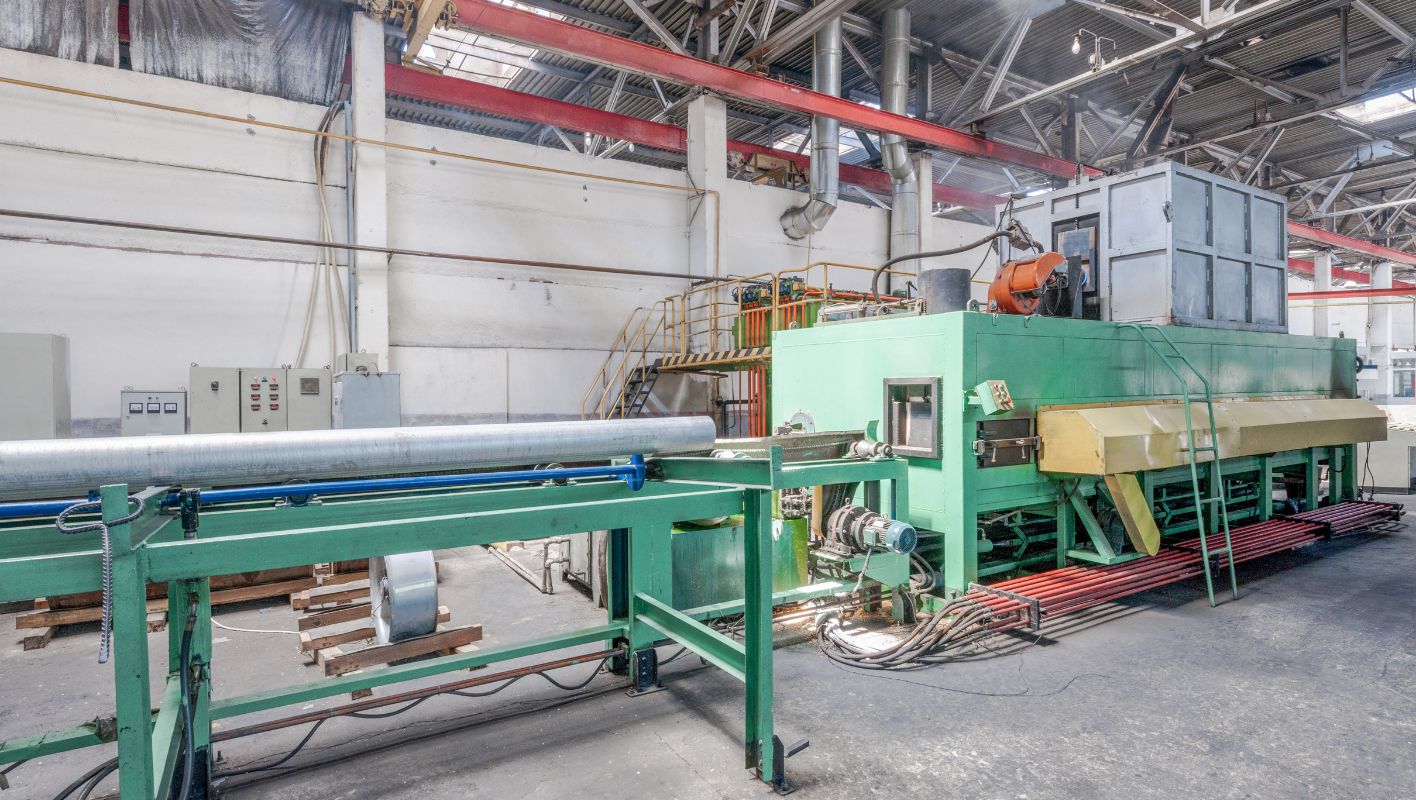
Aluminum extrusion profiles are crafted by heating aluminum billets and pushing them through a die, creating specific shapes. This process includes preheating, extrusion, cooling, and cutting into precise lengths.
The Basics of Aluminum Extrusion
When I first started learning about aluminum extrusion, I was amazed by how simple yet ingenious the process is. Imagine taking a piece of aluminum and transforming it into something incredibly functional and precise. That’s what extrusion is all about—taking aluminum alloy1 and shaping it into objects with a specific cross-sectional profile for various applications.
Steps Involved:
- Preheating: Picture this: the aluminum billets are warmed to around 900°F, softening them without melting. It’s like preparing dough before baking, ensuring it’s just right for the next step.
- Extrusion: Once softened, the billet is pressed through a steel die using a hydraulic ram. Watching this step feels like watching a metal pasta maker in action, with the aluminum emerging in long, defined shapes.
- Cooling: As the newly shaped metal exits the die, cooling is critical. Whether by fans or water, it’s like setting freshly baked bread on a rack to cool—essential for keeping its form.
- Cutting: Finally, the cooled extrusions are sliced into specified lengths, ready to be used in countless projects.
Types of Aluminum Extrusion
The variety in extrusion methods reminds me of choosing between different cooking techniques—each with its own benefits. Depending on the properties needed in the final product, different methods2 are chosen:
- Direct Extrusion: This is the most common method where both material and ram move in the same direction. It’s straightforward and versatile.
- Indirect Extrusion: Here, the die moves against a stationary billet, which reduces friction and enhances the material’s strength.
| Method | Advantages |
|---|---|
| Direct | Simplicity and versatility |
| Indirect | Reduced friction and improved strength |
Customizing the Extrusion Process
Customization in aluminum extrusion is much like tailoring a suit—it must fit perfectly to project needs. For industries like construction, this customization is crucial. Different alloys3 can be selected based on desired characteristics such as strength or corrosion resistance. Post-extrusion, applying finishes like anodizing or powder coating can enhance both appearance and durability.
Considerations:
- Alloy Selection: This directly affects mechanical properties and suitability for specific uses.
- Finishing: Options like anodizing or powder coating can significantly improve appearance and resistance.
For procurement managers like James, understanding these processes ensures selecting the right profiles—balancing cost, performance, and customization. Familiarity with different extrusion methods allows for informed decision-making, ensuring profiles meet both structural and aesthetic demands. It’s like having the perfect recipe that guarantees success in every dish—or in this case, every project.
Aluminum billets are melted during extrusion.False
Billets are heated to soften, not melt, ensuring smooth extrusion.
Indirect extrusion reduces friction compared to direct extrusion.True
Indirect extrusion involves the die moving, reducing friction and enhancing strength.
Why Choose Aluminum Extrusion Profiles?
Remember the first time you marveled at how aluminum could be both light and strong? It’s not magic, but it sure feels like it.
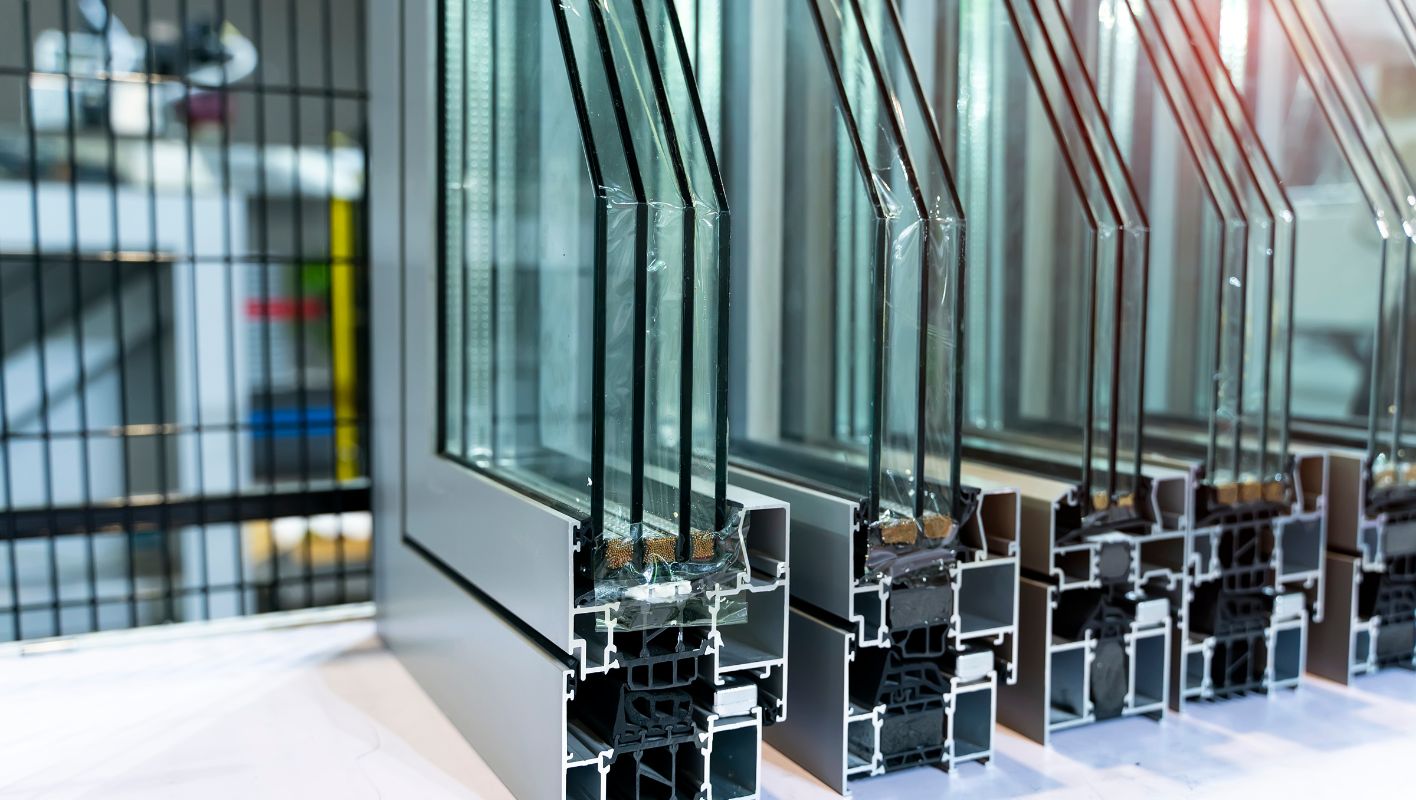
Aluminum extrusion profiles are an incredible blend of strength and lightness, offering excellent corrosion resistance and design flexibility. These profiles are eco-friendly and cost-effective, making them a top choice for construction and manufacturing applications.
Lightweight Yet Strong
I remember the first project where I realized the power of aluminum’s strength-to-weight ratio. We were up against a tight deadline, needing a material that wouldn’t weigh down the structural components. Aluminum turned out to be our unsung hero, providing the strength we needed without the bulkiness of steel. It’s fascinating how something so lightweight can carry so much strength, making it indispensable in aerospace applications4 where every gram counts.
Corrosion Resistance
Growing up near the coast, I saw firsthand how relentless the ocean can be, rusting anything left unattended. That’s why I appreciate aluminum’s natural ability to resist corrosion. It forms this amazing protective oxide layer, making it perfect for outdoor structures that need to stand the test of time, like those used in marine environments5.
Design Flexibility
The beauty of working with aluminum is in its flexibility. I once had a client who needed a custom solution for an architectural project. Thanks to the versatility of aluminum extrusions, we were able to create a complex, bespoke design that not only met their aesthetic goals but also their functional needs. Whether in architecture6 or automotive industries, the possibilities are almost endless.
Cost-Effectiveness
I’ve always been passionate about sustainability. Knowing that aluminum is highly recyclable gives me peace of mind. The fact that recycling requires just 5% of the energy compared to producing new aluminum makes it an eco-friendly option7, reducing both costs and environmental impact.
High Thermal Conductivity
In one of my early projects, we faced challenges with heat management. Aluminum’s excellent thermal conductivity saved the day, proving essential in heat exchangers8 and cooling systems where efficient heat dissipation was crucial.
Comparison with Other Materials
| Property | Aluminum Extrusions | Steel Profiles | Plastic Profiles |
|---|---|---|---|
| Weight | Light | Heavy | Light |
| Corrosion Resistance | Excellent | Moderate | Varies |
| Recyclability | High | High | Low |
| Cost | Moderate | High | Low |
In summary, aluminum extrusion profiles are a staple in modern construction and manufacturing for their unmatched blend of lightness, durability, and design versatility. Whether you’re in construction or product design like I am, understanding these benefits can significantly influence your material choices, leading to more informed decisions for sustainable and innovative projects.
Aluminum extrusion profiles are heavier than steel.False
Aluminum is lighter than steel, offering a better strength-to-weight ratio.
Aluminum's recyclability reduces environmental impact.True
Recycling aluminum uses only 5% of the energy needed for primary production.
What Industries Use Aluminum Extrusion Profiles?
Ever wondered how those sleek, sturdy structures around you come to life? Aluminum extrusion profiles might just be the magic ingredient.
Aluminum extrusion profiles are commonly used in automotive, aerospace, construction, electronics, and consumer goods industries due to their lightweight nature, strength, and versatility.

I remember the first time I saw aluminum extrusion profiles at work. It was like seeing a magician pull a rabbit out of a hat, only here it was about creating something robust yet surprisingly light. These profiles have a knack for fitting into so many industries, each with its unique demands and quirks.
Automotive Industry
The automotive world has always been a frontier for innovation. I’ve seen firsthand how aluminum extrusion profiles transform vehicles by shaving off those extra pounds to boost fuel efficiency and performance. Imagine your car’s roof rails or the skeleton that holds everything together – that’s where these profiles shine. This material9 helps reduce vehicle weight, enhancing fuel efficiency and performance.
Aerospace Sector
Aerospace is all about going high without weighing down, and that’s where aluminum comes in. It still amazes me how these profiles can withstand such extremes – from biting cold at cruising altitudes to the sizzling heat on the tarmac. They’re a testament to safety and durability in the sky. In this industry, they are used in aircraft frames10, fuselage structures, and interior components.
Construction Industry
In construction, I’ve often marveled at how aluminum extrusions bring architectural dreams to life. Think of those sprawling glass facades or intricately designed frameworks; aluminum makes them possible with its adaptability and strength.
| Application | Description |
|---|---|
| Windows & Doors | Lightweight frames offering excellent insulation. |
| Curtain Walls | Flexible designs that support large glass panels. |
These applications rely heavily on architectural frameworks11.
Electronics and Consumer Goods
When it comes to electronics, cooling is crucial. I’ve worked with these profiles in crafting heat sinks12 that keep devices running smoothly. And let’s not forget the chic, durable frames they provide for consumer goods like furniture.
Renewable Energy
In renewable energy, I’ve seen aluminum extrusions take on Mother Nature. Whether it’s holding up solar panels against the harshest storms or supporting wind turbines, their resilience never ceases to impress me. Their ability to withstand harsh environmental conditions makes them ideal for outdoor installations13.
Understanding these diverse applications has been like a journey through innovation itself. It’s fascinating to see how each industry bends aluminum’s properties to its will, crafting solutions that are both ingenious and indispensable.
Aluminum extrusions are used in automotive chassis components.True
They are lightweight and strong, enhancing fuel efficiency.
Aluminum extrusions are rarely used in aerospace frames.False
They are extensively used due to their high strength-to-weight ratio.
How do you choose the right aluminum extrusion profile for your project?
I remember the first time I had to choose an aluminum extrusion profile for a project. It felt like I was picking the perfect puzzle piece to complete a masterpiece.
Choosing the right aluminum extrusion profile involves understanding your project’s load requirements, environmental conditions, and desired aesthetics. Engage with suppliers for customization options and ensure compliance with industry standards for optimal results.
Understand Your Project’s Needs
Before selecting an aluminum extrusion profile14, it’s vital to understand your project’s specific requirements. Consider factors such as load capacity, environmental exposure, and aesthetic appeal. These elements will guide you in narrowing down the choices to the most suitable profiles.
Evaluate Load Capacity and Structural Requirements
Load capacity is a key consideration in any construction project. Ensure that the selected profile can withstand the loads it will encounter. Aluminum extrusions offer different levels of strength, depending on their alloy composition and design. A table can help compare:
| Alloy Type | Tensile Strength (MPa) | Common Uses |
|---|---|---|
| 6061 | 290 | Structural framing |
| 6063 | 241 | Architectural trim |
Consider Environmental Conditions
Aluminum is known for its corrosion resistance, but the profile’s finish can enhance this property. Depending on whether your project is indoor or outdoor, you might require additional coatings to protect against weather elements. Anodizing or powder coating are popular finishes.
Assess Aesthetic and Functional Design
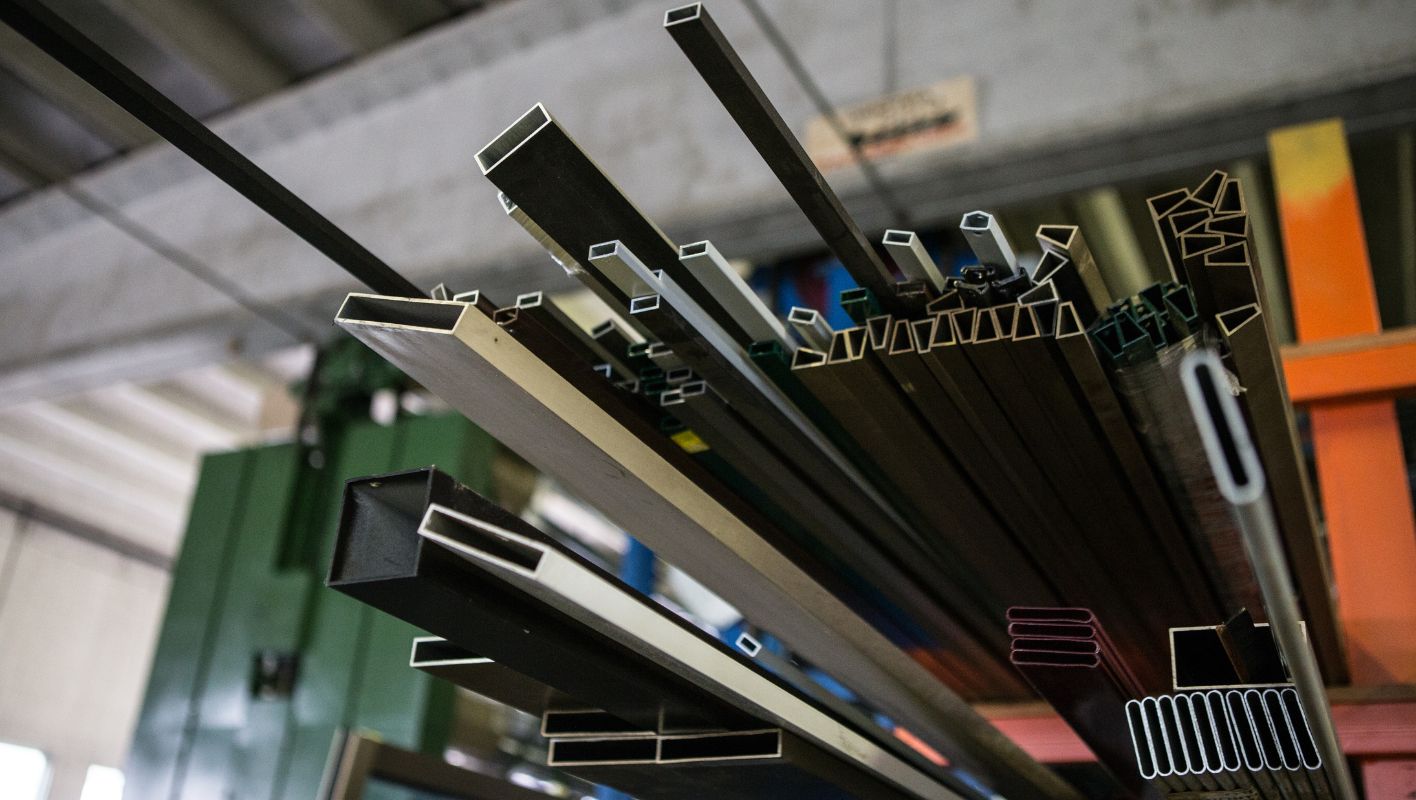
The aesthetic appeal of aluminum extrusions can greatly influence your project’s visual outcome. Evaluate different profiles’ shapes and finishes to ensure they align with your design goals. Some common profiles include:
- Rectangular tubes
- Square tubes
- Channels
- Angles
Consultation with Suppliers and Customization Options
Working closely with suppliers can provide valuable insights into customization options. Many suppliers offer custom extrusions15 tailored to specific project needs, ensuring that your profile meets exact specifications.
Compliance with Industry Standards
Verify that your chosen profiles comply with relevant standards like ISO or ASTM. Compliance ensures quality and reliability in your materials, critical for maintaining safety and durability in construction.
Verify Compatibility with Other Components
Ensure that the selected aluminum extrusion profile is compatible with other components in your project. This involves checking dimensions, joining methods, and potential interactions with other materials. An understanding of joining techniques16 is essential for seamless integration into your design.
6061 alloy is stronger than 6063 for structural framing.True
6061 alloy has a higher tensile strength (290 MPa) compared to 6063 (241 MPa).
Anodizing enhances aluminum's corrosion resistance.True
Anodizing adds a protective oxide layer, improving corrosion resistance.
Conclusion
Aluminum extrusion profiles are lightweight, strong structures created by pushing aluminum through a die, widely used in construction, automotive, and aerospace for their versatility and durability.
-
Learn about different aluminum alloys to choose the best one for your project needs. ↩
-
Explore various extrusion methods to understand their benefits and applications. ↩
-
Discover why selecting the right alloy affects the performance and application of extrusions. ↩
-
Explore how aluminum’s lightweight nature benefits aerospace industries, ensuring efficiency and performance. ↩
-
Learn about aluminum’s natural resistance to corrosion, ideal for longevity in outdoor settings. ↩
-
Discover how aluminum supports innovative architectural designs with its flexible extrusion capabilities. ↩
-
Understand the eco-friendly aspects of aluminum recycling, contributing to sustainability. ↩
-
Investigate how aluminum’s thermal properties are utilized in efficient heat management systems. ↩
-
Explore the benefits of aluminum in automotive applications, including weight reduction and fuel efficiency improvements. ↩
-
Learn about the use of aluminum in aircraft frames and how it contributes to safety and performance. ↩
-
Understand the benefits of using aluminum in construction, such as durability and flexibility in architectural design. ↩
-
Discover why aluminum’s thermal properties make it ideal for use in electronic heat management. ↩
-
Find out how aluminum supports renewable energy technologies like solar panels and wind turbines. ↩
-
This link provides a detailed overview of different aluminum extrusion profiles, helping readers make informed decisions. ↩
-
This link explores customization possibilities, offering guidance on tailoring extrusions to meet unique project requirements. ↩
-
Explore various joining techniques for aluminum extrusions to ensure compatibility with other project components. ↩






