
How Strong is Aluminum?

Aluminum is a versatile metal known for its lightweight nature and impressive strength-to-weight ratio, making it a popular choice in various industries, particularly construction. While not as strong as steel, aluminum offers excellent corrosion resistance and can be tailored through alloying and heat treatments to enhance its mechanical properties. This guide explores the factors influencing aluminum’s strength, such as alloy composition, heat treatment processes, work hardening techniques, and grain structure. It also compares aluminum with steel regarding applications in construction projects, highlighting cost considerations and environmental impacts. Understanding these nuances helps engineers and procurement managers like James make informed material choices that balance performance with sustainability goals.
What is Aluminum Extrusion Process?
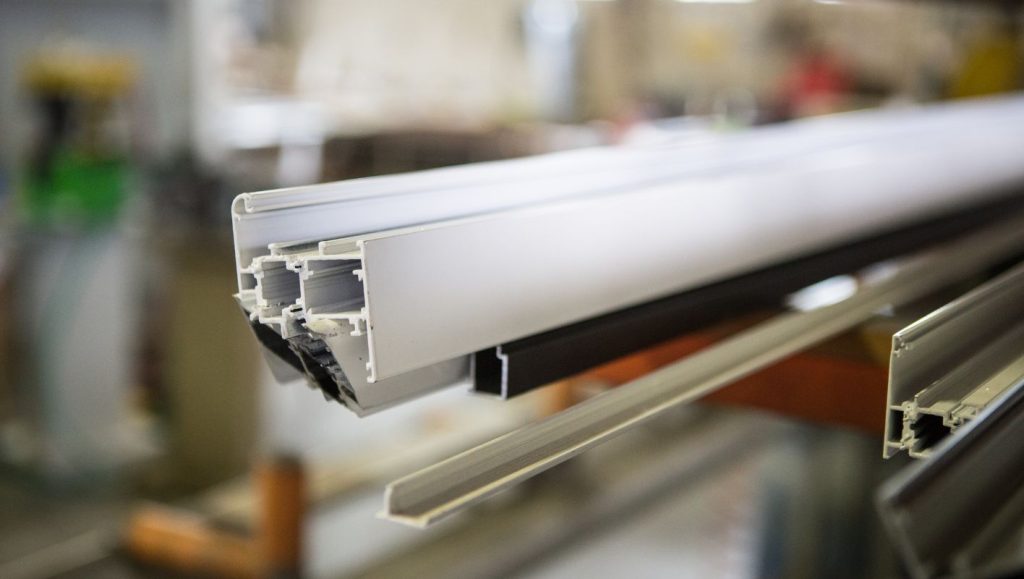
The aluminum extrusion process transforms solid aluminum into complex profiles by heating billets and forcing them through a die. This method is essential for creating lightweight yet strong components in various industries such as automotive, aerospace, and construction. With techniques like direct and indirect extrusion, manufacturers can achieve precise designs while ensuring quality control through rigorous standards. The benefits of aluminum extrusion include corrosion resistance, design flexibility, and sustainability due to its recyclability. Understanding the intricacies of this process allows for innovative applications across sectors, making it a vital choice for modern engineering projects.
