

Ever wondered why aluminum is such a go-to metal in so many industries? It’s all about the balance between strength and weight!
Aluminum combines lightweight characteristics with impressive strength, making it ideal for various applications. While not as strong as steel, it offers a high strength-to-weight ratio, corrosion resistance, and versatility, making it indispensable where weight is a concern.
Thinking back to when I first started working with metals, I remember being fascinated by how aluminum held its own against heavier contenders like steel. Sure, it might not win in a pure strength contest against steel, but when I was tasked with designing an aircraft component, aluminum’s lightweight nature combined with its robustness made it the star of the show. Understanding these nuances—like how aluminum alloys can significantly boost strength—has been crucial in my projects. This guide dives into such factors and compares aluminum with other metals, ensuring you can make the best material choices for your needs.
Aluminum is stronger than steel.False
Aluminum is not as strong as steel but offers a better strength-to-weight ratio.
Aluminum excels in corrosion resistance.True
Aluminum naturally forms a protective oxide layer, enhancing corrosion resistance.
How Do Different Factors Impact Aluminum’s Strength?
Ever wondered what makes aluminum both light and strong? Discover the secrets behind this amazing metal that we use every day.
Aluminum’s strength is shaped by its alloy composition, heat treatment, work hardening, and grain structure. These factors combine to define its mechanical properties and make it suitable for various uses.
Alloy Composition
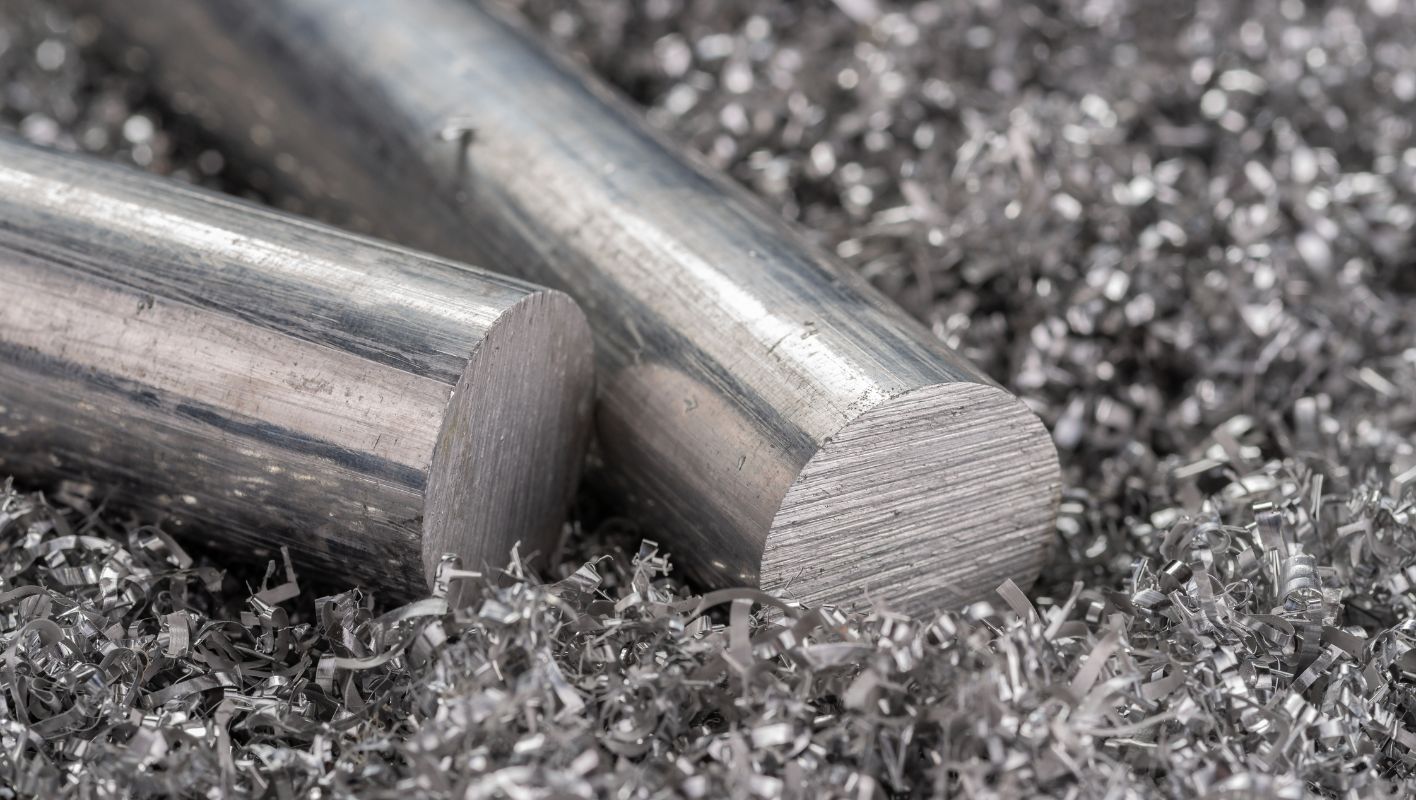
I remember the first time I learned about the magic of alloying. It was like discovering a secret recipe that transforms basic ingredients into something extraordinary. In aluminum, elements like copper, magnesium, and zinc are like those secret spices that enhance its strength. For instance, mixing in a bit of copper creates aluminum-copper alloys with impressive toughness due to intermetallic compounds.
Here’s a quick look at some common alloy additives and their properties:
| Alloy Series | Common Additives | Key Properties |
|---|---|---|
| 2xxx | Copper | High strength, hardness |
| 5xxx | Magnesium | Good corrosion resistance |
Heat Treatment
Have you ever baked bread and marveled at how heat transforms dough into a crusty loaf? Heat treatment does something similar for aluminum. Processes like annealing and solution heat treatment change its microstructure, enhancing strength. It’s like fine-tuning an instrument to hit just the right notes.
For example, solution heat treatment followed by aging can significantly enhance the strength of certain alloys by precipitating fine particles within the matrix.
Work Hardening
Remember when you were a kid, molding clay into different shapes? Work hardening is kind of like that but for grown-ups working with metal. By deforming aluminum at room temperature through techniques like rolling or hammering, we can increase its strength. This process introduces dislocations within the crystal lattice, making it tougher.
Different cold working techniques result in varying degrees of strength enhancement1.
Grain Structure
The grain size in aluminum reminds me of the tiny bubbles in a good champagne – smaller is usually better for strength. Techniques such as rapid solidification can achieve finer grains, boosting strength due to grain boundary strengthening.
Ongoing research into grain refinement2 is unlocking new ways to optimize aluminum’s properties for specific needs.
Understanding these factors isn’t just fascinating; it’s essential for tailoring aluminum to fit specific projects, much like a bespoke suit. Whether you’re an engineer like James or someone just curious about metals, knowing what makes aluminum tick opens up a world of possibilities.
Copper addition increases aluminum's strength.True
Copper forms intermetallic compounds, enhancing aluminum's strength.
Larger grains in aluminum increase its strength.False
Smaller grains increase strength due to grain boundary strengthening.
Why Choose Aluminum or Steel for Construction Projects?
Ever stood at a construction site and wondered why some structures seem to float effortlessly while others stand firm as if defying gravity?
Aluminum’s lightweight and corrosion-resistant nature makes it perfect for facades and roofs in construction, while steel’s unmatched strength is ideal for structural elements like beams and columns.

I remember my first major project where I had to decide between aluminum and steel. The stakes were high, and so was the building! Understanding the differences between these materials wasn’t just crucial—it was game-changing.
Material Properties
When you’re deep in the trenches of construction, the properties of aluminum and steel can make or break your project:
-
Weight: I found that aluminum was a game-changer in terms of weight. It’s significantly lighter, which means less load on your structure. This was a lifesaver when I worked on a towering high-rise where every pound counted. It’s highly suitable for applications3 where weight reduction is essential.
-
Strength: On the other hand, I couldn’t ignore the incredible tensile strength of steel. It’s unbeatable for those all-important load-bearing components, like beams and columns that held my projects together.
-
Corrosion Resistance: Once, while working on a coastal project, I quickly learned to appreciate aluminum’s natural oxide layer that fights off corrosion. It was the obvious choice for environments where the air tastes like salt.
Applications in Construction
Each project is unique, and so is the role these metals play:
| Application | Aluminum | Steel |
|---|---|---|
| Framing | Lightweight framing, curtain walls | Structural frames in high-rise buildings |
| Roofing | Corrosion-resistant roofing panels | Steel roofs for durability |
| Cladding | Decorative, lightweight facade solutions | Impact-resistant wall panels |
Cost Considerations
Budget is always at the forefront of any decision. Initially, aluminum might seem like a pricey investment, but I’ve seen its low maintenance costs save the day in the long run. Steel, although cheaper upfront, often requires more upkeep thanks to pesky rust.
Environmental Impact
In today’s world, being environmentally conscious is non-negotiable. Aluminum’s ability to be recycled indefinitely without losing its properties always struck me as a plus. Steel is recyclable too, but I’ve had to weigh its higher carbon emissions during production against project sustainability goals4.
Choosing between aluminum and steel can feel like a balancing act between cost, performance, and environmental impact. I’ve learned that it’s all about what fits best with your specific project needs and sustainability aims.
Industry Standards and Compliance
Navigating industry standards is like reading a map—it guides you to safety and reliability. Whether it’s ISO or ASTM certifications, ensuring your materials are compliant is crucial. I’ve always relied on reputable suppliers5 to ensure consistent quality and peace of mind on all my projects.
Aluminum is heavier than steel.False
Aluminum is significantly lighter than steel, reducing load on structures.
Steel requires more maintenance than aluminum due to rust.True
Steel may need frequent maintenance due to rust, unlike aluminum.
Why is Aluminum a Preferred Choice for Structural Applications?
Ever wondered why aluminum is a top pick for building projects? It’s not just about being lightweight or strong; it’s about revolutionizing how we approach construction.
Aluminum shines in structural applications due to its lightweight nature, exceptional strength-to-weight ratio, and superb corrosion resistance, making it a go-to material for sustainable, efficient builds.

Lightweight Yet Strong
Imagine working on a construction project6 where every gram saved could mean cost savings in transportation and easier handling on-site. That’s where aluminum comes in. It’s lighter than steel but doesn’t compromise on strength, boasting an impressive strength-to-weight ratio. I found that with aluminum, I could design sturdy structures without the stress of dealing with heavy materials.
Corrosion Resistance
I once worked on a project in a coastal area7 where the weather was unforgiving. Using aluminum was a no-brainer because it naturally fends off corrosion. Its self-protecting oxide layer made it resilient in harsh environments, which meant less maintenance over time—always a win in my book.
Flexibility and Workability
With aluminum, I discovered the joy of freedom in design. Whether it’s crafting sleek curves or bold architectural statements, this metal bends to your will. Its malleability allowed us to explore endless design possibilities, making every project unique and innovative.
| Property | Benefit |
|---|---|
| Lightweight | Reduces transportation costs |
| High Strength | Supports heavy loads |
| Corrosion Resistant | Low maintenance needs |
Sustainability and Recyclability
Aluminum also speaks to the eco-warrior in me. It’s one of the most recyclable materials out there, retaining its quality through each cycle. When I learned that recycling aluminum takes significantly less energy than producing new metal, it was like finding a perfect balance between performance and environmental responsibility. It felt good to know I was contributing to eco-friendly practices8 with every project choice.
Aluminum is lighter than steel.True
Aluminum's lightweight nature makes it ideal for reducing structural weight.
Aluminum is not recyclable.False
Aluminum is highly recyclable, retaining quality through recycling processes.
What Are the Drawbacks of Using Aluminum?
When I first started working with aluminum, I was amazed by its versatility. But as with any material, I quickly learned it has its own set of challenges.
Aluminum’s limitations include lower strength compared to steel, susceptibility to fatigue, and higher costs for certain treatments. It’s crucial to weigh these factors against project needs and conditions.
Strength and Durability Concerns
Imagine standing on a bridge made mostly of aluminum; it sounds light and modern, doesn’t it? Yet, the very quality that makes aluminum so appealing—its lightweight nature—can also be a hurdle. I remember a project where we had to reinforce aluminum beams to ensure they could support the load, which added layers of complexity and cost we hadn’t initially planned for. Engineers must often bolster aluminum structures, which can turn what seemed like a budget-friendly option into a more expensive endeavor.
Susceptibility to Fatigue and Cracking
One thing I’ve learned is that aluminum doesn’t always handle stress well. I recall a time when repeated stress caused small cracks in parts of an aluminum bridge. It was a lesson in the importance of regular checks and maintenance—something crucial in ensuring the long-term safety of structures under constant pressure.
Cost Implications
The initial cost of aluminum can seem attractive, but there’s often more to it than meets the eye. I’ve seen projects where the need for additional treatments like anodizing pushed budgets beyond their limits. In scenarios where every dollar counts, this can make aluminum a less attractive choice compared to other materials like carbon steel9.
Thermal Conductivity Issues
If you’ve ever touched a metal fence on a hot day, you know metals conduct heat. Aluminum does this particularly well, which can be both a blessing and a curse. While it’s fantastic for heat dissipation, it’s not ideal for keeping things insulated. During one of our projects, we realized too late that its high thermal conductivity wasn’t suited for our insulation needs.
Environmental Considerations
Even though recycling aluminum is pretty efficient, I can’t ignore the environmental impact of its production process. It’s something I always factor in, especially when eco-friendly standards are a priority. The energy-intensive nature of aluminum production can affect the sustainability ratings of projects striving for eco-friendly standards10.
| Limitation | Impact on Projects |
|---|---|
| Lower Strength | Need for reinforcement increases complexity |
| Susceptibility to Fatigue | Requires frequent maintenance and monitoring |
| Higher Treatment Costs | Potential budget overruns |
| High Thermal Conductivity | Not suitable for insulating applications |
| Energy-Intensive Production | May impact sustainability goals |
Every limitation presents its own set of hurdles that demand thoughtful consideration in light of specific project requirements and environmental conditions. It’s vital to balance these drawbacks with the benefits aluminum offers, such as its malleability and corrosion resistance. This ensures an informed decision-making process when selecting materials.
For further guidance in evaluating aluminum’s suitability for various applications, referring to industry standards like ISO11 can provide valuable insights.
Aluminum has a higher strength-to-weight ratio than steel.False
Steel has a higher strength-to-weight ratio, making it better for load-bearing.
Recycling aluminum is energy-efficient but production is not.True
Recycling aluminum uses less energy than its initial production, which is intensive.
Conclusion
Aluminum’s lightweight, corrosion-resistant properties and high strength-to-weight ratio make it ideal for construction, despite its lower overall strength compared to steel and higher treatment costs.
-
Learn about various cold working methods and how they enhance aluminum’s strength in industrial applications. ↩
-
Understand the methods used to achieve finer grain structures in aluminum for improved strength. ↩
-
Discover how the weight difference between aluminum and steel influences their use in construction projects. ↩
-
Explore the sustainability aspects of using aluminum versus steel in construction to align with eco-friendly goals. ↩
-
Find suppliers with certifications ensuring quality aluminum and steel profiles for reliable construction materials. ↩
-
Understanding how lightweight materials like aluminum reduce overall construction weight can inform cost and design efficiency. ↩
-
Learn about aluminum’s durability in corrosive environments to ensure long-lasting structures. ↩
-
Discover how aluminum’s recyclability supports eco-friendly construction practices. ↩
-
Understanding the cost differences between carbon steel and aluminum can help in budgeting decisions. ↩
-
This link discusses the environmental impact of aluminum production and its recycling benefits. ↩
-
ISO standards help ensure quality and safety in using aluminum for construction and manufacturing. ↩






