
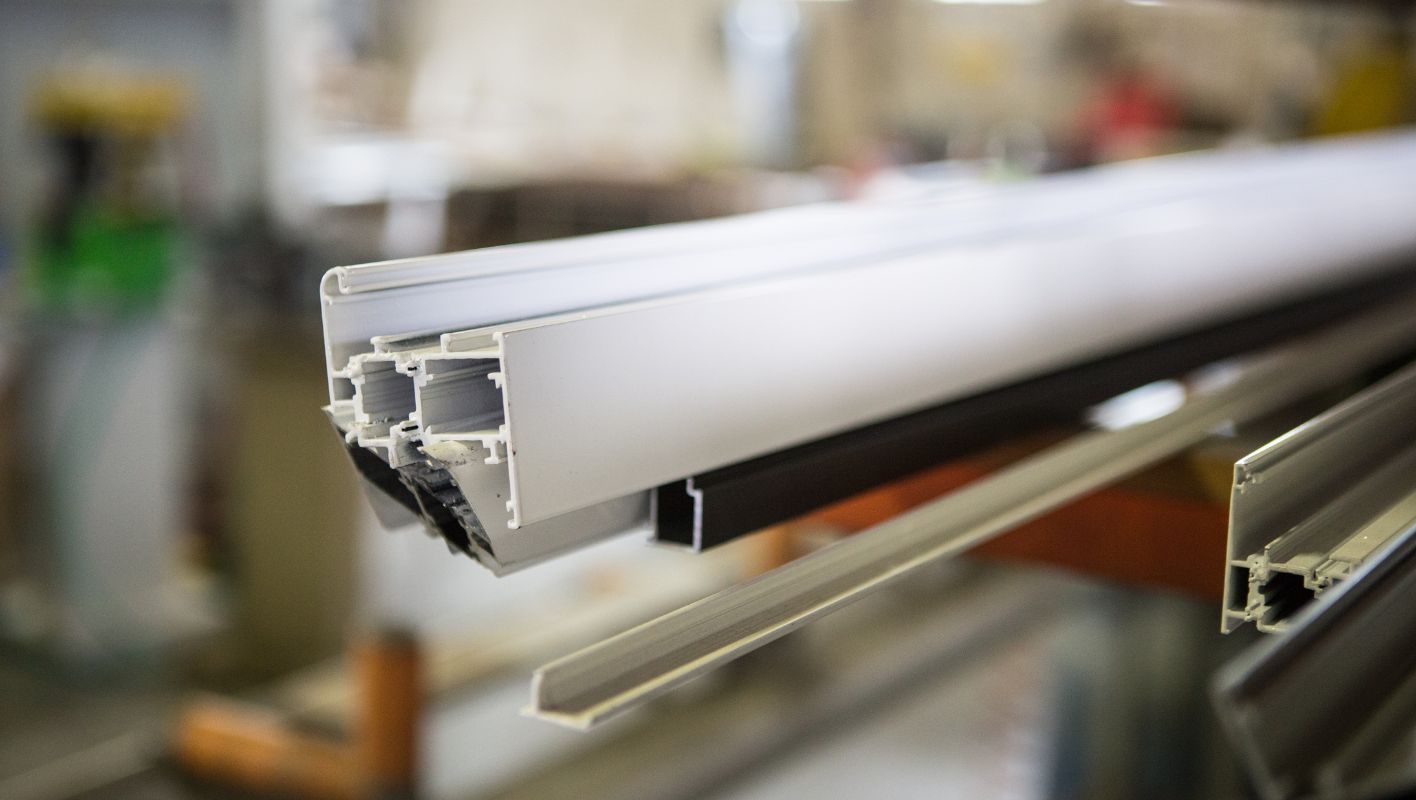
Ever wondered how aluminum transforms into those sleek, sturdy profiles?
Aluminum extrusion involves pushing aluminum alloy through a die to form specific cross-sectional shapes, creating intricate profiles used in industries like construction, automotive, and aerospace.
I remember my first encounter with aluminum extrusion—it was like watching magic unfold. Imagine this: you start with a solid chunk of aluminum, heat it up until it’s just right, then force it through a specially designed die. Out comes a beautifully shaped profile, ready to be part of something incredible. This process isn’t just about shaping metal; it’s about crafting possibilities. Each stage—from heating the billet to pushing it through the die—unlocks new potential for design and functionality. Whether you’re in construction or dreaming up the next big automotive innovation, understanding this process opens doors to creativity and efficiency.
Aluminum extrusion creates intricate profiles.True
The process allows for complex shapes by forcing material through a die.
Aluminum extrusion is rarely used in aerospace.False
Extrusion is widely used in aerospace for lightweight, strong components.
How Does the Aluminum Extrusion Process Work?
Ever wondered how aluminum transforms into those sleek, precise shapes we see everywhere? The secret lies in the art of extrusion, a process as mesmerizing as it is essential.
Aluminum extrusion works by heating aluminum billets until they’re malleable and then forcing them through a die to create precise shapes. This method combines strength with flexibility, enabling intricate designs and consistent quality.
Understanding the Basics of Aluminum Extrusion
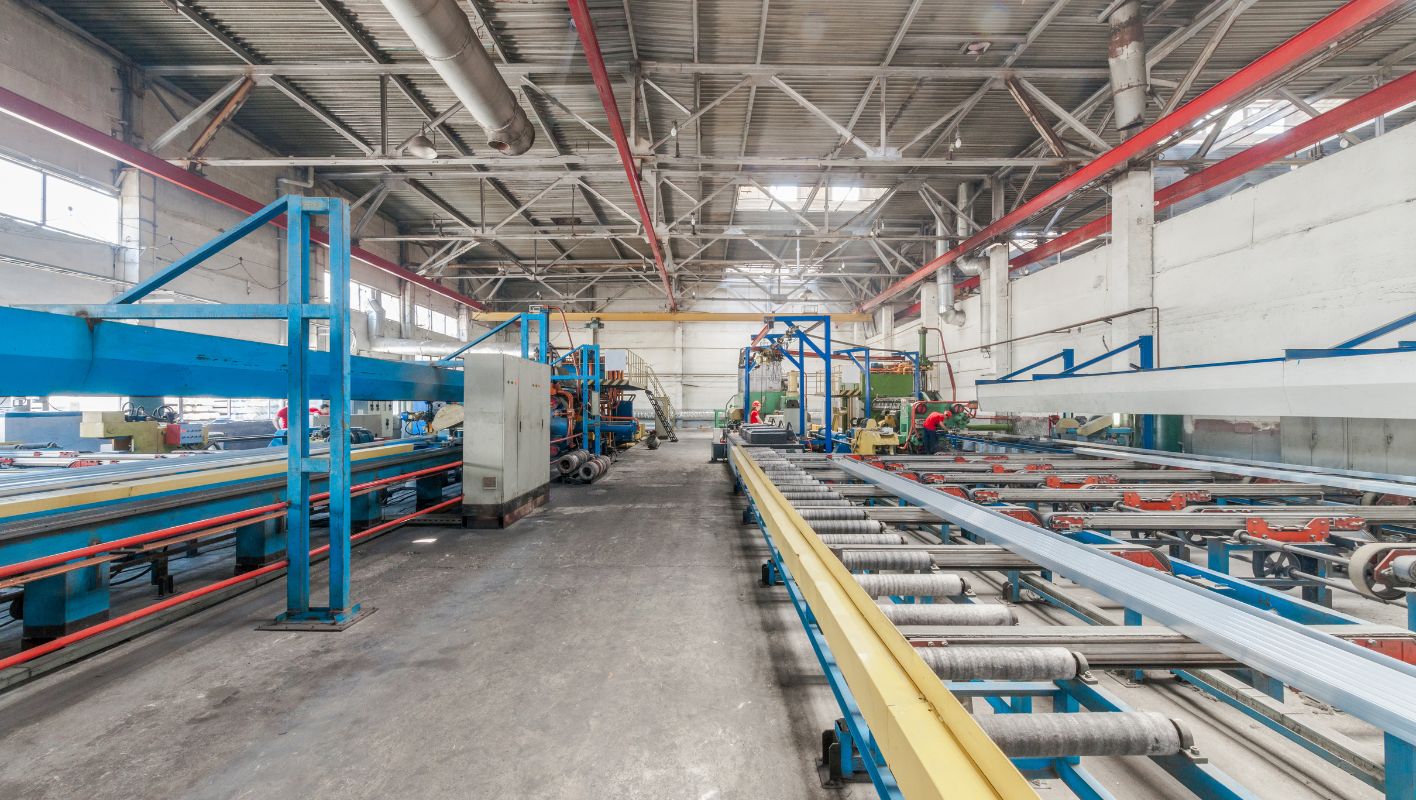
Imagine you’re at a toothpaste tube with its cap off, ready to squeeze. That’s essentially the essence of aluminum extrusion. It all starts with an aluminum billet, which is just a fancy name for a solid block of aluminum. These billets are heated to somewhere between 400°C to 500°C—hot enough to make them squishy but not molten. Once softened, the billet is placed in a chamber where it’s gently but firmly nudged through a die using a hydraulic press. The die is like the toothpaste tube’s opening, determining the profile of the aluminum that emerges.
This process is akin to squeezing toothpaste from a tube, where the shape of the tube’s opening determines the paste’s form. In the case of aluminum extrusion, the die’s shape defines the profile of the extruded aluminum.
Types of Extrusion Methods
Exploring the different methods feels a bit like choosing the right tool for your toolbox:
- Direct Extrusion: Think of this as pushing forward all the way—it’s straightforward and effective.
- Indirect Extrusion: Here, it’s like the die comes to meet the billet, reducing friction and making it a smoother ride.
- Hydrostatic Extrusion: This method uses fluid pressure, akin to a gentle push from all sides.
Each method brings its own strengths to the table, perfect for tackling varying complexities in design and material properties.
Applications and Advantages of Aluminum Extrusion
I remember the first time I saw an aluminum chassis being crafted—it was like watching magic unfold. Aluminum extrusion is celebrated for creating parts that are both lightweight and remarkably strong. You’ll find its influence in:
- Automotive industry: Crafting components like chassis, engine blocks, and frames.
- Construction sector: Building window frames, support structures, and architectural facades.
Plus, with customizable options1 like anodizing or powder coating, you can enhance both looks and durability.
Quality Control and Standards
Maintaining top-notch quality in aluminum extrusion is no small feat. It’s all about sticking to rigorous industry standards like ISO and EN certifications. These standards ensure profiles meet exact tolerances for precision and durability. Imagine receiving components that are consistently reliable—it’s peace of mind every buyer seeks.
A table showcasing some common specifications might look like:
| Standard | Description |
|---|---|
| ISO 6361 | Specifies requirements for extruded bars |
| EN 755 | Covers aluminum and aluminum alloys |
These certifications not only assure quality but also champion sustainability by promoting recyclable materials and eco-friendly practices. Suppliers that prioritize these standards often become preferred partners for buyers2 seeking reliability and efficiency.
Challenges in Aluminum Extrusion
Of course, no process is without its challenges. Maintaining consistent temperature control during extrusion can be a tricky dance, and addressing issues like surface cracking or dimensional inaccuracies demands attention. But with technology advancing at lightning speed, I’m confident that continuous process optimization will help tackle these hurdles head-on.
Aluminum billets are heated to 600°C in extrusion.False
Aluminum billets are heated between 400°C to 500°C, not 600°C.
Indirect extrusion reduces friction compared to direct extrusion.True
In indirect extrusion, the die moves towards the billet, reducing friction.
What Are the Key Benefits of Aluminum Extrusion?
Ever wondered why aluminum extrusion is such a game-changer in so many industries? Let me share what makes this process so special and versatile.
Aluminum extrusion offers remarkable benefits, including lightweight strength, corrosion resistance, and design flexibility, making it ideal for complex profiles in construction and transportation. These qualities often position it as a superior choice over other materials.
Lightweight and Strong
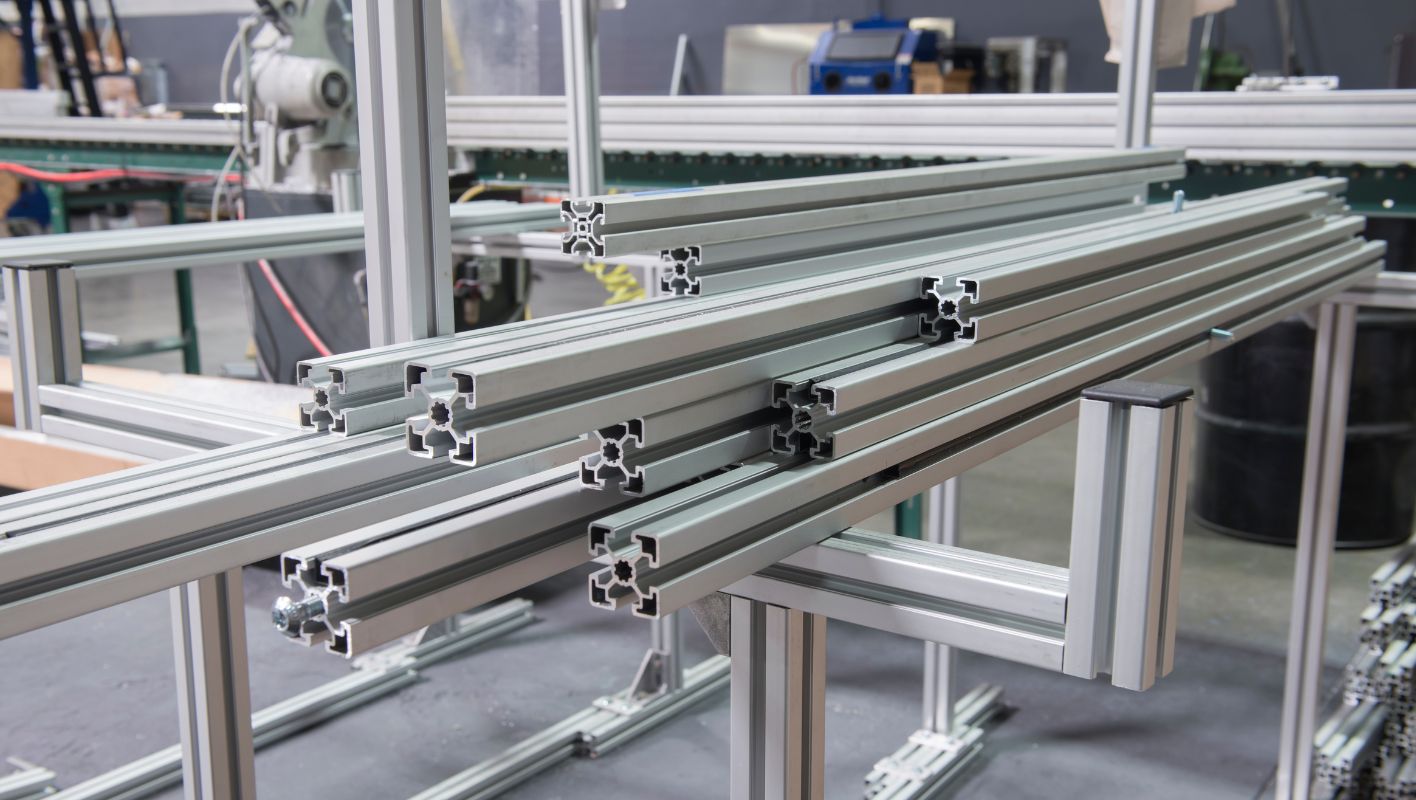
I remember the first time I held an aluminum extrusion piece—it felt almost impossibly light, yet reassuringly strong. This combination of properties is a lifesaver, especially in fields like aerospace engineering3. Imagine designing a component that needs to be both feather-light and robust enough to withstand extreme conditions. With aluminum, that’s not just a dream but a practical reality that translates into significant fuel efficiency.
Corrosion Resistance
Having worked on projects near the sea, I’ve seen firsthand the toll that salty air can take on materials. That’s where aluminum shines. Its natural resistance to corrosion means it’s perfect for marine4 or coastal construction. It’s a relief knowing that these structures won’t need constant maintenance and will last longer.
Design Flexibility
The creative freedom that comes with aluminum extrusion is one of my favorite aspects. You can craft intricate shapes and profiles that would be nearly impossible with other materials. This design flexibility opens doors to innovative solutions in automotive manufacturing5, where custom designs are not just preferred but often essential.
Sustainability
In today’s world, sustainability isn’t just a bonus—it’s a necessity. Aluminum’s recyclability aligns perfectly with eco-friendly goals. I find comfort in knowing that using aluminum supports sustainable manufacturing practices, helping companies meet their eco-friendly credentials6.
Cost-Effectiveness
Despite its impressive attributes, aluminum extrusion doesn’t break the bank. The initial investment might be higher than some materials, but its longevity and minimal upkeep costs usually make it a financially savvy choice for long-term projects.
| Benefit | Description |
|---|---|
| Lightweight Strength | Ideal for weight-sensitive applications like aerospace and automotive. |
| Corrosion Resistance | Long-lasting performance in harsh environments, reducing maintenance needs. |
| Design Flexibility | Supports complex profiles for custom design requirements. |
| Sustainability | Highly recyclable, supporting eco-friendly manufacturing goals. |
| Cost-Effectiveness | Durable with low maintenance costs, offering long-term savings. |
Aluminum extrusion is ideal for aerospace applications.True
Its lightweight and strong properties enhance fuel efficiency.
Aluminum extrusion is not recyclable.False
Aluminum is highly recyclable, supporting sustainable practices.
Which Industries Rely on Aluminum Extrusion?
I’ve always marveled at how aluminum extrusion shapes our world, from the cars we drive to the gadgets we use daily. It’s like the unsung hero of modern design!
Industries like automotive, aerospace, construction, and electronics heavily depend on aluminum extrusion due to its customizable profiles, lightweight nature, and strength. These attributes make it perfect for structural components and complex designs.

I remember my first encounter with aluminum extrusion. It was during a project where I was tasked with sourcing materials for a lightweight yet durable frame for a new vehicle model. As I delved deeper into the capabilities of aluminum extrusion, I realized its true potential.
Automotive Industry
In the automotive world, aluminum extrusion is a game-changer. It’s used to craft lightweight vehicle frames and engine blocks, essential for improving fuel efficiency and performance. I’ve seen firsthand how creating customizable profiles7 that maintain strength while shedding unnecessary weight can revolutionize vehicle design.
Aerospace Sector
The aerospace sector also values aluminum extrusion for its incredible strength-to-weight ratio. Imagine crafting aircraft parts like fuselage frames and wing struts that not only withstand harsh environments8 but are also resistant to corrosion. This is where aluminum truly shines.
Construction Industry
In construction, I’ve watched architects get creative with aluminum extrusion, using it for everything from window frames to curtain walls. The material’s durability and flexibility make it ideal for designing complex structures9 that are both beautiful and sturdy.
Electronics and Electricals
When it comes to electronics, aluminum’s excellent conductivity is invaluable. It’s often used in heat sinks and housings, where the extrusion process allows for precise designs that enhance thermal management10 in various devices.
| Industry | Applications |
|---|---|
| Automotive | Vehicle frames, engine blocks |
| Aerospace | Fuselage frames, wing struts |
| Construction | Window frames, curtain walls |
| Electronics | Heat sinks, electronic housings |
These industries benefit from aluminum’s eco-friendly nature. I love that it’s recyclable, supporting sustainable practices. With ongoing advancements in extrusion technology, its applications keep expanding, cementing aluminum as a cornerstone in modern engineering.
Manufacturing Flexibility
Aluminum extrusion offers remarkable manufacturing flexibility through various surface finishes like anodized or powder-coated options. This adaptability helps manufacturers meet diverse design requirements11, efficiently catering to specific industry needs.
Aluminum extrusion is used in vehicle frames.True
Automotive industry uses aluminum extrusion for lightweight vehicle frames.
Aluminum is not used in electronics for heat sinks.False
Electronics industry uses aluminum extrusion for heat sinks due to its conductivity.
How to Select the Right Aluminum Profile for Your Project?
Choosing the right aluminum profile feels like an art form, doesn’t it? I’ve been there, standing amidst endless options, each promising to be the perfect fit. Let’s dive into how you can make this decision with confidence.
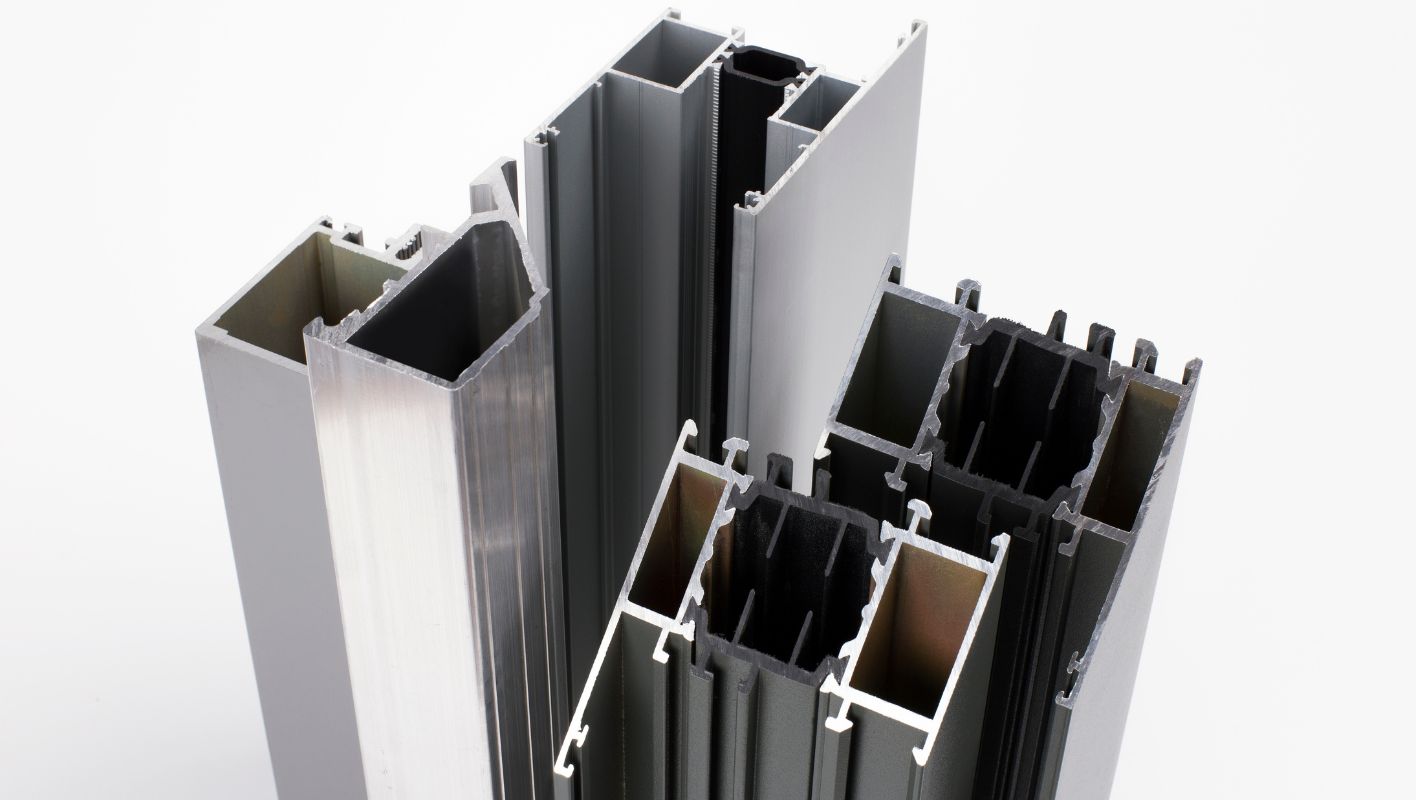
To choose the right aluminum profile, start by assessing the structural needs of your project. Consider the environmental conditions and aesthetic goals. Think about strength, finish, and how it will work with other materials to ensure everything fits together perfectly.
Assessing Structural Requirements
When I first started working with aluminum profiles, I quickly learned that understanding your project’s structural needs is crucial. Imagine building a bridge and not knowing the weight it needs to support—that’s how critical this step is. You need to look at things like load-bearing capacity and tensile strength, which can vary depending on whether you’re working on something like transportation systems12 that demand lightweight yet strong solutions.
Evaluating Environmental Conditions
I remember a project where we overlooked environmental factors, and it cost us dearly. Aluminum’s natural corrosion resistance is fantastic, but for projects that will face harsh weather conditions, like outdoor installations, you might want to go for anodized profiles13. These offer superior protection, almost like giving your project a shield against the elements.
Understanding Aesthetic Needs
Aesthetics have always been close to my heart. In one project, we had to match a sleek modern look with robust performance. Luckily, aluminum profiles come in a variety of finishes, like powder-coated or mill-finished, which can meet any visual requirement you might have. Here’s a little table to help you see the options:
| Finish Type | Durability | Visual Appeal |
|---|---|---|
| Anodized | High | Modern |
| Powder-Coated | Moderate | Customizable |
Compatibility and Customization
Think of compatibility as finding the right dance partner for your aluminum profile. It needs to move seamlessly with other materials in your project. Customization options allow you to get as specific as you need with design and functionality. I’ve found suppliers who offer customizable profiles14 invaluable when tackling complex designs.
Importance of Certifications and Sustainability
Sustainability is a big deal for me; it’s not just about today but also tomorrow. Choose suppliers who meet international standards like ISO and EN; they ensure quality and safety. Also, consider those who use recyclable materials or eco-friendly manufacturing processes—they’re not just suppliers but partners in sustainability.
Delivery and Technical Support
Once, I faced a nightmare when a supplier missed delivery deadlines. Reliable timelines and technical support are essential; they keep your project running smoothly. Suppliers who offer these services can help troubleshoot any issues along the way.
By thoroughly evaluating these factors, you can make an informed decision that ensures both the functional and aesthetic success of your project. Sometimes consulting with experts or diving into online resources on specific aluminum profile types15 can also provide additional guidance.
Aluminum profiles are only used in transportation systems.False
Aluminum profiles are used in various applications, not just transportation.
Anodized aluminum offers better weather resistance than powder-coated.True
Anodized finishes enhance corrosion resistance, making them ideal for harsh weather.
Conclusion
Aluminum extrusion is a process that shapes aluminum alloys into intricate profiles by pushing heated billets through a die, widely used in construction, automotive, and aerospace industries.
-
Explore how anodizing or powder coating enhance aluminum profiles’ durability and aesthetics. ↩
-
Learn how adhering to international standards can improve product quality and supplier credibility. ↩
-
Learn why aluminum’s lightweight strength is crucial in aerospace, enhancing efficiency and performance. ↩
-
Explore how aluminum’s resistance to corrosion benefits marine construction, extending product lifespan. ↩
-
Discover how aluminum supports innovative automotive designs with complex and customizable profiles. ↩
-
Understand how recycling aluminum supports sustainability goals and reduces environmental impact. ↩
-
Discover how customizable aluminum profiles enhance automotive design and efficiency. ↩
-
Explore how aluminum extrusion withstands harsh aerospace conditions. ↩
-
Learn about using aluminum extrusion in complex architectural designs. ↩
-
Find out how aluminum heat sinks improve electronic thermal management. ↩
-
Understand the impact of surface finishes on aluminum design flexibility. ↩
-
Discover profiles engineered for lightweight transportation systems to enhance durability without sacrificing efficiency. ↩
-
Learn about anodized profiles’ advantages for projects in corrosive environments, providing long-lasting durability. ↩
-
Find suppliers offering customization options to tailor aluminum profiles to specific design and functional needs. ↩
-
Explore various types of aluminum profiles to choose the best fit for specific project requirements. ↩






