
What is the Extrusion Method of Forming Metals?
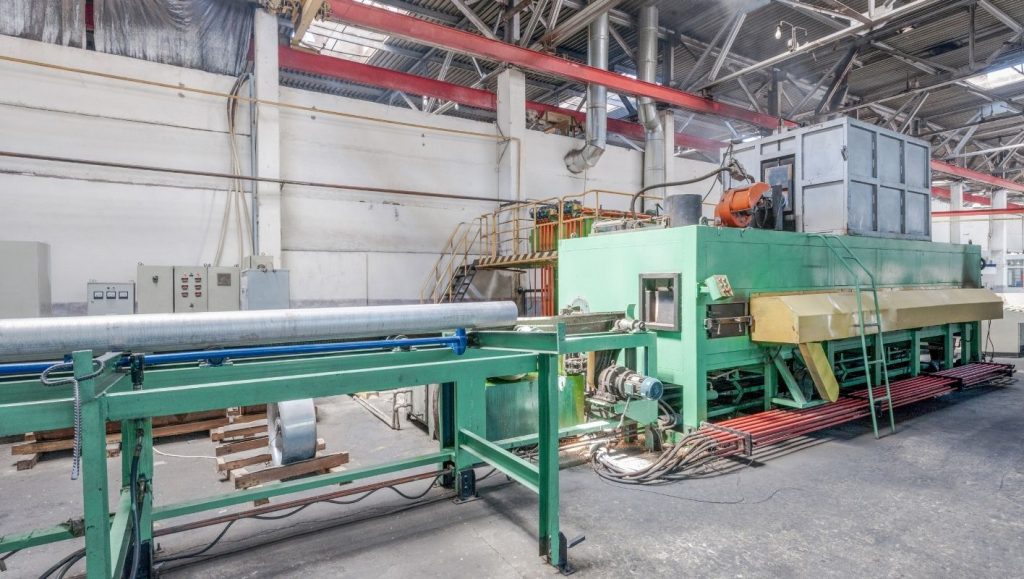
The extrusion method of forming metals is a crucial process in manufacturing that involves pushing material through a die to create objects with fixed cross-sectional profiles. This technique allows for the efficient production of complex geometries, making it essential in industries such as automotive, aerospace, and construction. With types like direct and indirect extrusion, manufacturers can choose methods based on their specific needs. While offering advantages like material efficiency and design flexibility, challenges such as high setup costs and limited material compatibility exist. Understanding these aspects helps businesses leverage metal extrusion effectively while exploring innovations that enhance sustainability in the industry.
What is the Difference Between Forged and Extruded Steel?
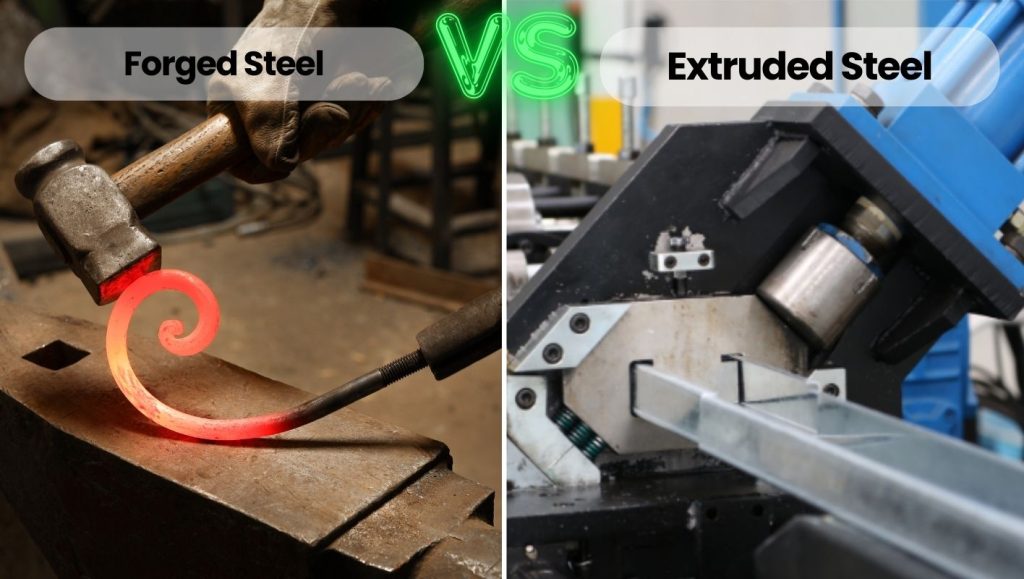
This article explores the differences between forged and extruded steel, highlighting their unique strengths and applications. Forged steel is known for its exceptional strength due to grain alignment, making it ideal for high-stress components in industries like automotive and aerospace. In contrast, extruded steel allows for precise shapes and smooth finishes, suitable for complex designs with lower material waste. Factors influencing the choice between these methods include material type, shape complexity, cost implications, and production volume. Understanding these nuances helps manufacturers select the most appropriate method for their specific needs while considering sustainability practices in metal processing.
