
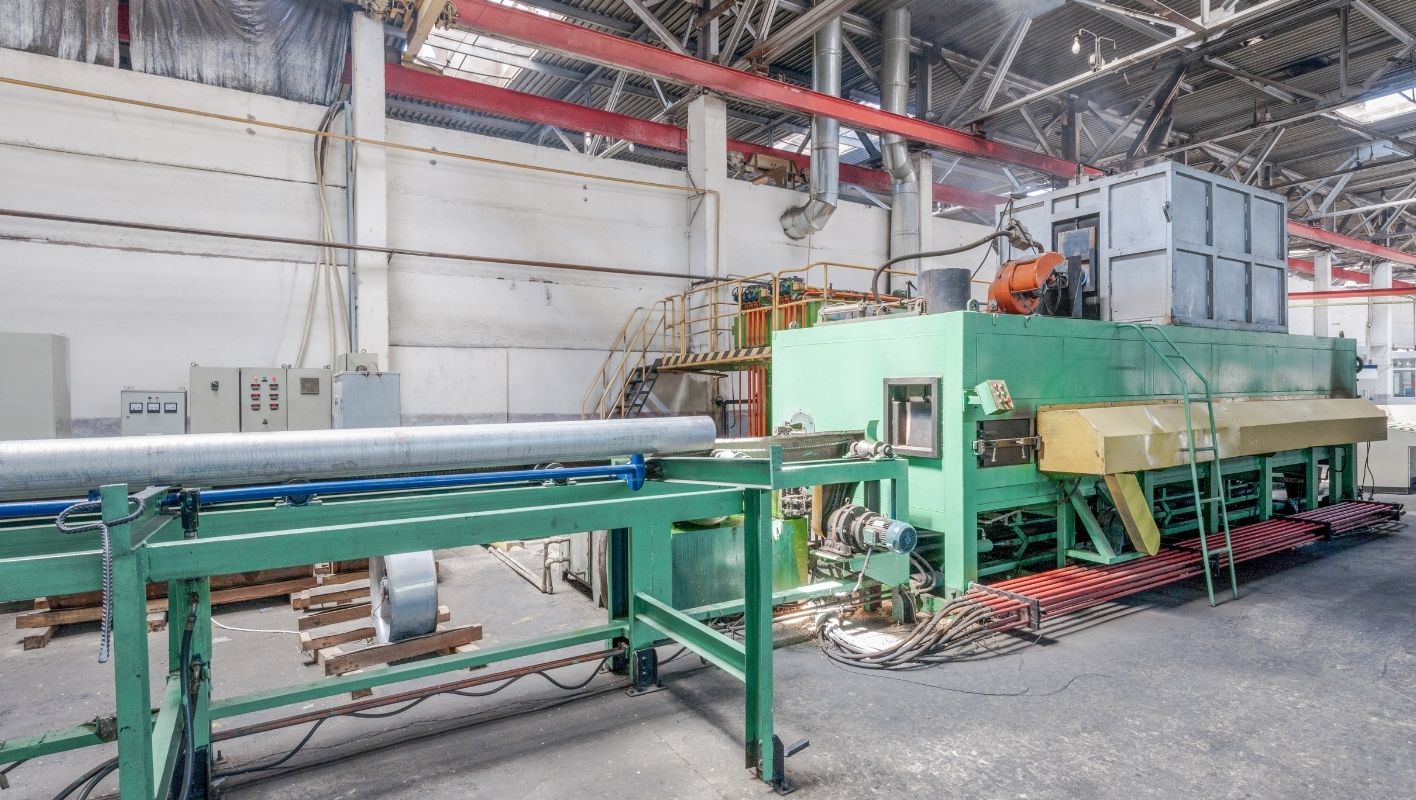
I remember the first time I saw metal extrusion in action, and it was like watching art in motion.
The extrusion method of forming metals involves pushing a material through a die to create objects with a fixed cross-sectional profile. It’s a cornerstone in industries, enabling the creation of components with precise shapes and dimensions, promoting material efficiency and the formation of complex geometries.
When I first delved into metalworking, I was fascinated by how extrusion could transform a simple billet into intricate profiles with such precision. It’s not just about shaping metal; it’s about efficiency, creativity, and innovation. Keep reading to explore how this technique revolutionizes the metal industry, its economic benefits, and its eco-friendly potential.
Extrusion is used for forming complex geometries in metals.True
The method efficiently forms intricate shapes due to its precision.
Extrusion creates objects with variable cross-sections.False
Extrusion creates objects with fixed cross-sectional profiles.
How Does Metal Extrusion Work?
Ever wondered how a shapeless hunk of metal transforms into sleek automotive parts or intricate machinery?
Metal extrusion works by pushing or pulling metal through a die to form a continuous profile, essential for creating uniform cross-sections in industries like automotive and aerospace.
The Basics of Metal Extrusion
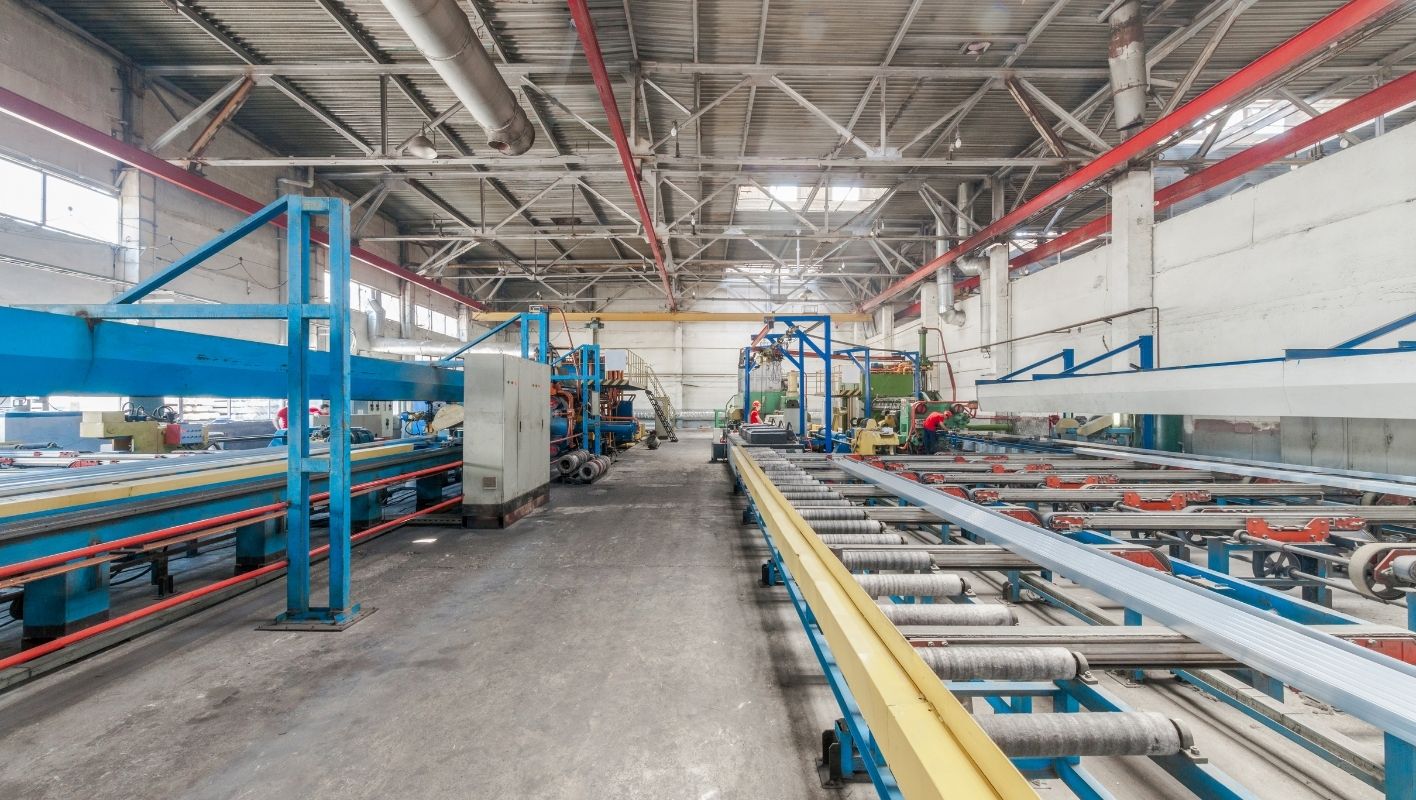
I remember the first time I stood on the factory floor, watching as raw metal was transformed into finely shaped profiles. It felt like magic, but I soon realized it was the power of metal extrusion at play. This process uses a mighty force to push or pull metal through a specifically designed die, molding it into shapes that seemed impossible to achieve otherwise. It’s fascinating how this technique not only crafts complex cross-sections but also ensures consistent quality, even in massive production runs.
Types of Metal Extrusion
- Direct Extrusion: Picture pushing dough through a cookie press. Here, the metal is forced through a stationary die, much like that dough.
- Indirect Extrusion: Imagine pulling the dough towards you instead; the die moves towards the metal, reducing friction and tool wear.
| Type | Advantages |
|---|---|
| Direct | Simple setup, suitable for various metals |
| Indirect | Lower friction, less wear on tools |
For more details on indirect extrusion methods1, explore comprehensive resources.
Materials and Applications
When I think about the versatility of materials like aluminum, copper, and steel, I’m reminded of how these metals are like artists’ canvases, ready to be shaped into window frames or airplane parts. Aluminum’s lightweight nature makes it a superstar in automotive and aerospace applications2, where every gram counts. From pipes to intricate machinery parts, the possibilities seem endless with extrusion.
Key Benefits of Metal Extrusion
- Versatility: The ability to create complex profiles feels akin to sculpting with clay.
- Efficiency: It’s like having your cake and eating it too—mass production with minimal waste.
- Strength: Enhances the mechanical properties of metals, akin to tempering one’s resolve under pressure.
Read about the advantages of using aluminum3 in industrial applications for a better understanding of its benefits.
Challenges and Innovations
While metal extrusion is a marvel, it has its hurdles—die wear and energy consumption being the biggest culprits. But in my experience, challenges often pave the way for innovation. Techniques like recycling and energy-efficient processes are reshaping the industry landscape. Exploring new technologies in sustainable metal extrusion4 offers a glimpse into future trends that excite me.
The continual evolution of technology ensures that metal extrusion remains a cornerstone of modern manufacturing. By diving into its principles and applications, we can truly appreciate its pivotal role across various industries.
Direct extrusion has lower friction than indirect extrusion.False
Indirect extrusion has lower friction because the die moves towards the metal.
Aluminum is commonly used in metal extrusion for aerospace.True
Aluminum's lightweight properties make it ideal for aerospace applications.
What Are the Different Types of Metal Extrusion?
Exploring the world of metal extrusion feels like unlocking a treasure chest of engineering marvels, each with its unique twist and charm. Curious about which method suits your needs best? Let’s delve into the fascinating realm of metal extrusion together.
The main types of metal extrusion are direct, indirect, hydrostatic, and impact extrusion. Each method offers distinct advantages tailored to different applications based on material properties and desired results.
Direct vs. Indirect Extrusion
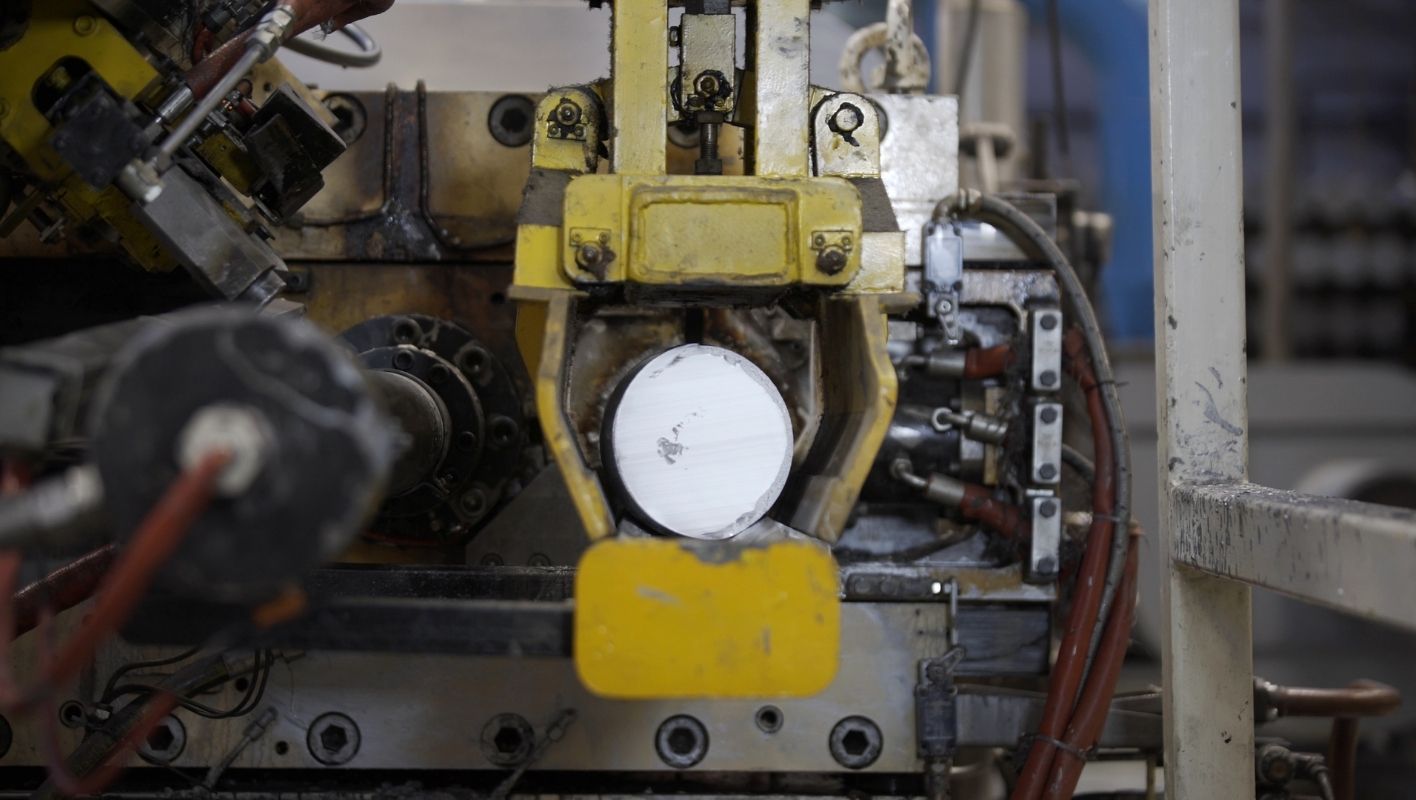
Let me take you back to when I first encountered direct and indirect extrusion. Picture this: I was standing in a bustling manufacturing plant, the air thick with the hum of machines. The direct extrusion process struck me as a powerhouse operation, where a hefty ram pushes the billet through a stationary die. It’s like watching a weightlifter push through their limits – the force required is immense, but oh, the possibilities it unlocks! Ideal for creating solid and hollow sections, this method’s versatility is unmatched.
In contrast, I remember observing indirect extrusion with a kind of quiet admiration. Here, the die moves while the billet stays put, almost like a dance partner guiding rather than leading. This clever switcheroo reduces friction and the force needed, making it perfect for delicate applications in aerospace and automotive industries.
| Type | Advantages | Applications |
|---|---|---|
| Direct | Versatile, simple setup | Construction, machinery |
| Indirect | Lower friction, less force | Aerospace, automotive |
For more insights into these methods, explore direct and indirect extrusion5.
Hydrostatic Extrusion
On another memorable day, I was introduced to hydrostatic extrusion. Imagine surrounding a billet with a pressurized fluid that whispers promises of uniform force distribution and high reduction ratios. This method works wonders on brittle materials, producing beautiful surface finishes that look like they’ve been polished by artisans.
| Feature | Benefit |
|---|---|
| High pressure | Better surface quality |
| Uniform force distribution | Suitable for brittle metals |
Learn more about how hydrostatic extrusion6 can enhance your manufacturing processes.
Impact Extrusion
Impact extrusion takes me back to when I first watched aluminum transform into thin-walled marvels like tubes and cans. It’s all about speed here – a swift impact that shapes metals with precision. For mass production, especially when working with softer metals like aluminum or lead, this method is a game-changer.
For detailed analysis of impact extrusion techniques7, check this guide.
Choosing the Right Method
Choosing the right extrusion method can feel like choosing the right pair of shoes for a hike – it depends on the terrain ahead. Material type, desired shape, and production volume all play a part in this decision. Each method brings unique strengths to the table, offering solutions that cater to specific manufacturing needs.
For a comprehensive overview of choosing the right metal extrusion method for your projects, see our extrusion selection guide8.
Direct extrusion requires more force than indirect extrusion.True
Direct extrusion needs more force due to stationary die friction.
Hydrostatic extrusion is unsuitable for brittle materials.False
Hydrostatic extrusion suits brittle metals due to uniform force.
How Do Various Industries Benefit from Metal Extrusion?
Remember the last time you marveled at the sleek design of a car or the sturdy frame of a skyscraper? Metal extrusion plays a starring role in these wonders and many others.
Industries like automotive, aerospace, and construction benefit immensely from metal extrusion due to its capability to create complex profiles, lightweight components, and scale production efficiently.
I remember the first time I truly understood the magic of metal extrusion. It was during a factory tour, watching machines transform raw aluminum into intricate shapes, like art in motion. Since then, I’ve been fascinated by how this process serves different industries.
Automotive Industry
In the automotive world, metal extrusion is like a secret ingredient. When I think about those long drives I love, it’s reassuring to know that aluminum extrusion contributes to making my car lighter and more fuel-efficient. This method helps create complex shapes necessary for crash management systems9 and other structural components that enhance safety and performance.
| Component | Benefit |
|---|---|
| Crash Management Systems | Enhanced safety features |
| Structural Components | Reduced vehicle weight |
Aerospace Sector
Flying always feels a bit like magic to me. And behind that magic is the meticulous work of metal extrusion. In aerospace, the need for lightweight yet robust materials is non-negotiable. I often find myself imagining how these processes create fuselage frames10 and seat tracks, vital for an aircraft’s structural integrity and weight balance.
- Fuselage Frames: Essential for structural integrity.
- Seat Tracks: Enhance passenger safety and comfort.
Construction Industry
Wandering through cityscapes, I’ve often admired the elegance of modern architecture. Here, metal extrusion plays a crucial role. It aids in crafting durable and visually appealing elements, from window frames to structural beams. This versatility is key to innovative modern construction11 solutions.
| Application | Description |
|---|---|
| Window Frames | Customizable and weatherproof |
| Structural Beams | High load-bearing capacity |
Electronics Manufacturing
And let’s not forget electronics—the devices we can’t live without. Metal extrusion is fundamental here too, creating efficient heat sinks and chassis that keep our gadgets cool and compact. It’s amazing to see how this process drives electronics manufacturing12 forward.
- Heat Sinks: Crucial for thermal management.
- Chassis: Support compact device architecture.
Exploring these applications unveils endless possibilities for innovation and efficiency across various fields. If you’re curious about the nitty-gritty details, diving into industry-specific case studies13 might just reveal new insights into this fascinating process.
Automotive industry uses metal extrusion for crash systems.True
Metal extrusion creates lightweight, intricate shapes for crash management systems.
Electronics sector avoids metal extrusion for device cooling.False
Metal extrusion is used in electronics for heat sinks, aiding cooling.
What Are the Advantages and Limitations of Metal Extrusion?
Ever wondered how metal extrusion shapes the world around us? Dive into its pros and cons with me.
Metal extrusion offers advantages like material efficiency, cost-effectiveness, and design flexibility, enabling intricate profiles. However, it has limitations including high initial setup costs, limited material compatibility, and potential surface finish issues.
Advantages of Metal Extrusion
Material Efficiency
Let me take you back to my first project in metal processing—it was a real eye-opener! I remember marveling at how metal extrusion transformed raw material into complex shapes with virtually no waste. This efficiency14 is not just a buzzword; it’s a game-changer in industries where every bit of material counts, both for the budget and the planet. Imagine crafting beautiful, precise designs while keeping sustainability in check—it’s a win-win.
| Advantage | Description |
|---|---|
| Material Efficiency | Minimizes waste by precise shaping of metals. |
Design Flexibility
I’ll never forget a project where we were tasked with creating intricate components for a client’s aerospace venture. The design flexibility15 that metal extrusion offered made it possible to meet the challenging specifications. It’s like having a magic wand that brings even the most imaginative designs to life. Whether you’re in automotive or aerospace, this flexibility opens doors to innovations that once seemed impossible.
Cost-Effectiveness
Now, I’m all about maximizing value, and nothing beats the cost-effectiveness of metal extrusion for large-scale operations. It’s like watching your cost per unit shrink as production ramps up. For anyone in high-demand industries like mine, this scalability is key to staying competitive.
| Advantage | Description |
|---|---|
| Cost-Effectiveness | Economical for large production runs. |
Limitations of Metal Extrusion
High Initial Setup Costs
But, let’s be real—nothing’s perfect. One major hurdle I’ve faced is the high initial setup cost. I remember when we first set up our extrusion line; it was a hefty investment. For smaller runs, it can be tough to justify these costs unless there’s a guaranteed volume.
| Limitation | Description |
|---|---|
| Initial Setup Cost | High cost for machinery and die creation. |
Limited Material Compatibility
Then there’s the issue of material compatibility. While aluminum flows through an extrusion process like a dream, other metals? Not so much. It’s a bit like trying to fit a square peg in a round hole—sometimes the material just doesn’t want to play ball.
| Limitation | Description |
|---|---|
| Material Compatibility | Not all metals are suitable for extrusion. |
Surface Finish Issues
Surface finish can also throw a wrench in the works. I’ve had pieces come out of the extruder looking like they’ve been through a rough patch. This means extra finishing work, which adds to the time and cost.
Examining these aspects helps in understanding when metal extrusion can be optimally used and when alternative methods might be considered. Exploring how to overcome these limitations16 can lead to better outcomes tailored to specific applications.
Metal extrusion is cost-effective for small production runs.False
Metal extrusion is cost-effective for large production, not small.
Aluminum is ideal for metal extrusion due to its properties.True
Aluminum extrudes well, making it ideal for the process.
Conclusion
The extrusion method shapes metals by pushing them through a die, creating precise profiles. It’s vital for industries like automotive and aerospace due to its efficiency and versatility.
-
Discover how indirect extrusion reduces friction and tool wear, enhancing efficiency. ↩
-
Explore why aluminum is preferred in automotive and aerospace for its lightweight properties. ↩
-
Learn why aluminum’s versatility makes it a top choice for industry use. ↩
-
Understand innovative sustainable practices that reduce environmental impact in extrusion. ↩
-
This link explains the nuances between direct and indirect extrusion, aiding in selecting the best method for specific applications. ↩
-
Understand the benefits of hydrostatic extrusion, especially for working with brittle materials and achieving superior surface finishes. ↩
-
Explore how impact extrusion works and its applications in producing thin-walled products efficiently. ↩
-
Get guidance on selecting the most suitable metal extrusion method based on material and project requirements. ↩
-
Understand how metal extrusion enhances safety features in vehicle crash management systems through detailed processes and designs. ↩
-
Explore the role of metal extrusion in enhancing aircraft structural integrity with innovative fuselage frame designs. ↩
-
Discover how metal extrusion supports modern construction with scalable, customizable solutions for structural components. ↩
-
Learn about the impact of metal extrusion on improving electronic device cooling through efficient heat sink designs. ↩
-
Gain insights into cutting-edge innovations in metal extrusion technology across various industries. ↩
-
Discover how material efficiency in extrusion can lead to reduced waste and cost savings. ↩
-
Learn about the design possibilities achievable through metal extrusion. ↩
-
Explore strategies to address and mitigate the limitations of metal extrusion. ↩






