
Why can’t We Build Houses with Aluminum?

Aluminum is not commonly used for residential construction due to its high cost, poor thermal insulation properties, and susceptibility to corrosion. While it offers advantages like lightweight strength and recyclability, these benefits are often overshadowed by significant challenges such as thermal expansion and fire hazards. The article explores the structural difficulties of using aluminum in homes, including the need for protective coatings and careful design considerations. Despite these hurdles, advancements in thermal treatments and eco-friendly coatings could enhance aluminum’s viability in future home building projects. As sustainability becomes increasingly important, aluminum’s potential role in energy-efficient construction continues to be a topic of interest among architects and builders.
Why is Cold Extrusion an Important Manufacturing Process?
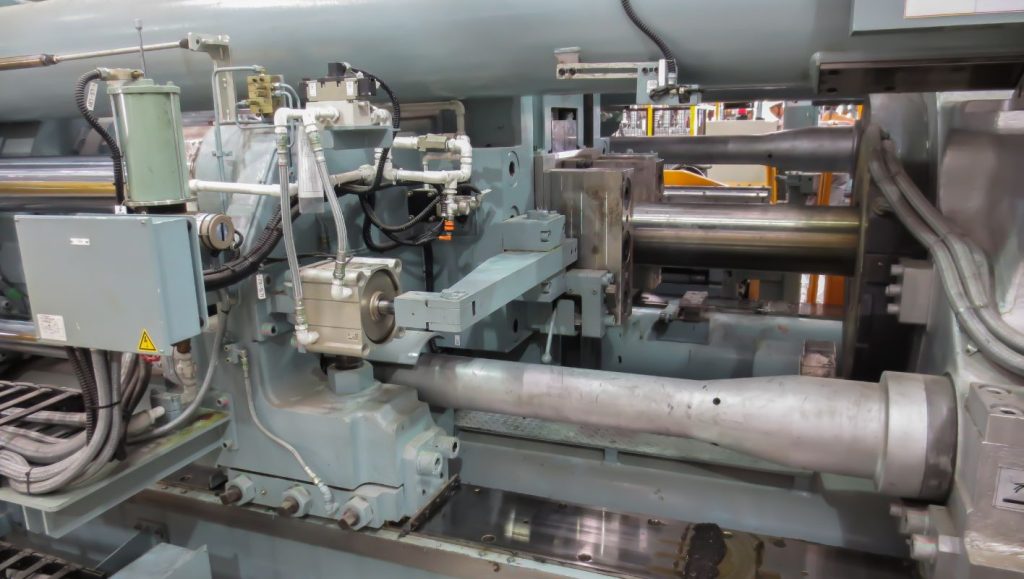
Cold extrusion is an essential manufacturing technique that shapes metals at room temperature, resulting in high-strength components with superior surface finishes. This process conserves energy compared to hot extrusion and minimizes waste, aligning with sustainability goals. Industries such as automotive and aerospace benefit from the precision and durability of cold-extruded parts. With advancements in technology like automation and AI integration, cold extrusion continues to evolve, offering enhanced efficiency and quality control. As manufacturers increasingly prioritize eco-friendly practices, cold extrusion stands out as a game-changer in modern production methods.
What Temperature Does Titanium Melt?
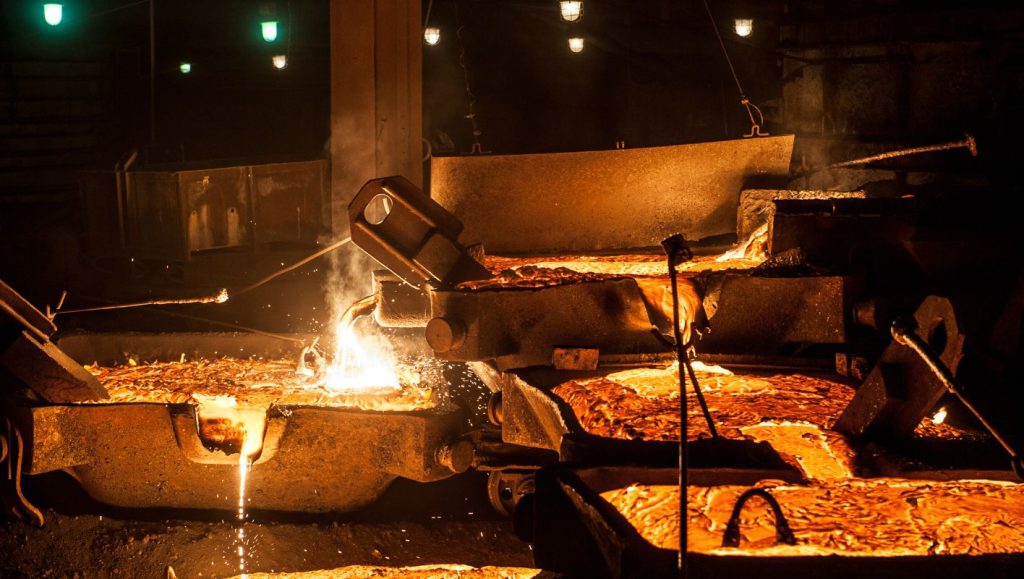
Titanium’s melting point of 1,668°C (3,034°F) is a key factor in its use across various industries, particularly aerospace and automotive. This high melting point allows titanium to withstand extreme temperatures while maintaining structural integrity. Compared to metals like aluminum and iron, titanium offers superior heat resistance, making it an essential material for components exposed to harsh conditions. Its unique properties not only enhance performance but also contribute to sustainability efforts in manufacturing processes. Understanding titanium’s characteristics aids procurement decisions in advanced manufacturing environments where reliability and efficiency are paramount.
What is the Melting Point of Copper?
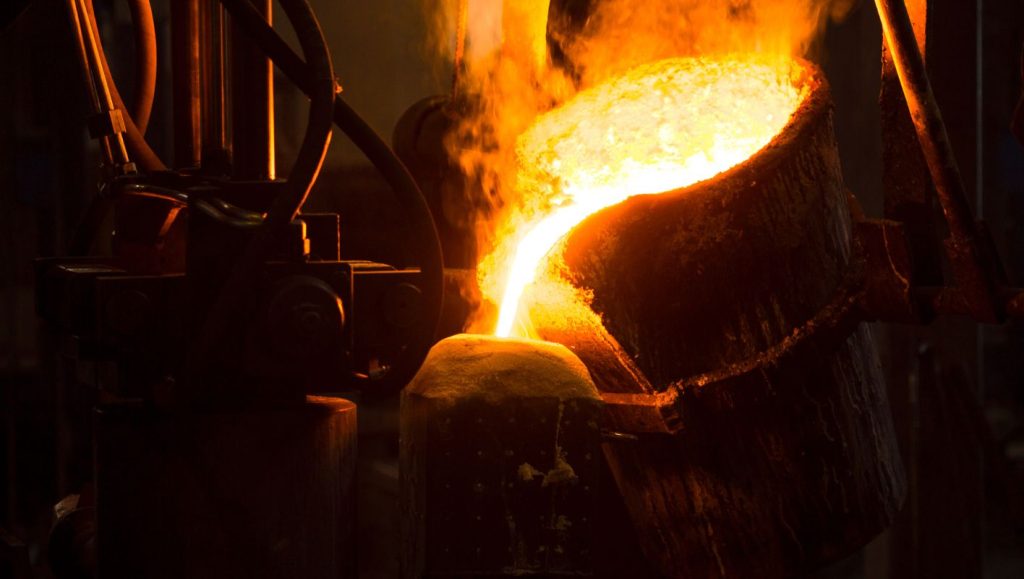
Copper’s melting point is a crucial factor in its industrial applications. At 1,984°F (1,085°C), copper excels in electrical wiring and plumbing due to its high conductivity and durability. Compared to other metals, copper’s melting point allows it to withstand extreme temperatures while maintaining structural integrity. This versatility makes it indispensable in sectors like automotive, aerospace, and renewable energy. Additionally, understanding factors such as impurities and alloying elements can influence copper’s melting behavior, optimizing its use in manufacturing processes. With sustainability becoming increasingly important, copper’s recyclability further enhances its appeal as an eco-friendly material choice.
What is Iron Melting Point?
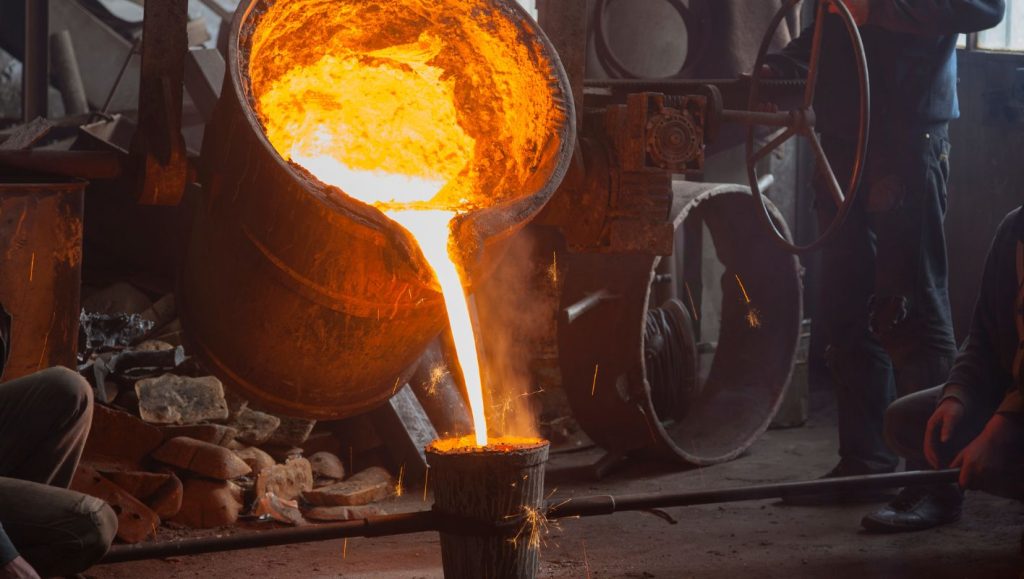
Iron’s melting point of approximately 1538°C (2800°F) makes it a preferred choice in manufacturing due to its strength and resilience. This high temperature allows iron to withstand rigorous applications such as construction and machinery. Understanding the melting points of various metals, including aluminum and steel, is essential for selecting appropriate materials based on their thermal properties. Factors like impurities and alloying elements can significantly affect iron’s melting behavior, impacting casting and welding processes. By mastering these nuances, manufacturers can enhance product quality and efficiency while meeting modern demands across industries.
What is the Use of Heatsink Aluminium Profiles?
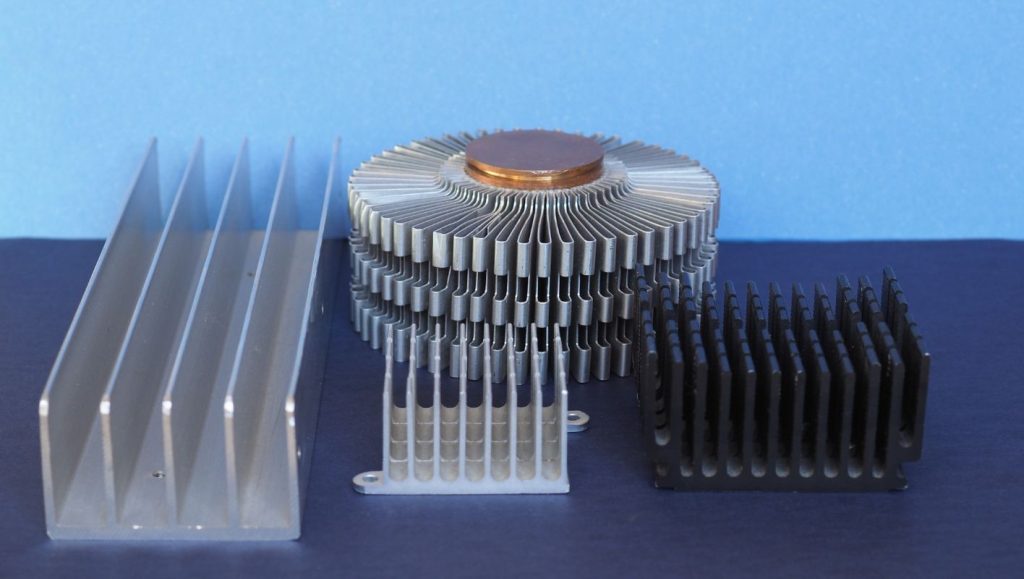
Aluminium heatsinks play a crucial role in dissipating heat from electronic devices, enhancing performance and longevity. Their lightweight design and excellent thermal conductivity make them indispensable across various industries including automotive and aerospace. Compared to copper, aluminium offers a more cost-effective solution while still providing efficient thermal management. The ability to easily extrude aluminium into custom shapes further enhances its application in diverse settings. With strong corrosion resistance and ease of manufacturing, aluminium heatsinks are vital for maintaining optimal device functionality under stress. This article explores the benefits of aluminium heatsinks and their significance in modern technology.
