

Ever wondered why titanium stands out in extreme environments? Its melting point is a major factor.
Titanium melts at about 1,668 degrees Celsius (3,034 degrees Fahrenheit), making it perfect for high-heat applications.
I remember my early days in metal processing, when the challenge of working with titanium seemed daunting. Its high melting point not only demands specific techniques but also offers incredible durability. Comparing titanium with other metals like steel and aluminum highlights its unique properties. This makes it a top choice for industries that require resilience against extreme temperatures, such as aerospace and automotive. Understanding these properties not only aids in procurement but also ensures optimal performance in demanding applications.
Titanium melts at 1,668 degrees Celsius.True
Titanium's melting point is accurately stated as 1,668°C.
Titanium melts at a lower temperature than aluminum.False
Aluminum melts at 660°C, much lower than titanium's 1,668°C.
How Does Titanium’s Melting Point Compare to Other Metals?
Ever wondered how titanium, the metal of choice for jet engines and spacecraft, holds up against other metals when it comes to melting points?
Titanium’s melting point stands at around 1,668°C (3,034°F), putting it above metals like aluminum and iron, yet below the likes of tungsten and chromium.

Understanding Melting Points
When I first delved into the world of metal processing, I realized just how pivotal melting points are. Imagine working with a metal that suddenly turns into a puddle during a crucial manufacturing stage! Melting points guide us in deciding the right metal for high-temperature applications, like casting or welding.
Comparing Melting Points
Here’s a table I often refer to, especially when I’m trying to make informed decisions about which metals to use:
| Metal | Melting Point (°C) | Melting Point (°F) |
|---|---|---|
| Aluminum | 660 | 1,220 |
| Iron | 1,538 | 2,800 |
| Titanium | 1,668 | 3,034 |
| Chromium | 1,907 | 3,465 |
| Tungsten | 3,422 | 6,192 |
Implications in Industrial Applications
Aerospace Engineering
I recall a project where we were tasked with sourcing materials for aircraft components. The balance of titanium’s1 melting point and lightweight properties made it ideal for parts exposed to extreme temperatures.
Automotive Manufacturing
Once, while working on a high-performance car component, the choice between aluminum and titanium was a tough one. Although aluminum was lighter, titanium’s higher melting point gave it an edge where heat resistance was non-negotiable.
Environmental Impact
One thing I always consider is the environmental toll of metal processing. The higher the melting point, the more energy it consumes. To counteract this, I’ve seen manufacturers implement sustainable practices2 like recycling and using energy-efficient technologies. These innovations not only reduce costs but also align with my commitment to eco-friendly processes.
Understanding these factors helps in making smarter procurement choices—especially if you’re aiming for advanced manufacturing capabilities while keeping sustainability in mind. Titanium’s unique mix of strength and thermal resilience makes it a go-to choice for challenging environments.
Titanium has a higher melting point than iron.True
Titanium melts at 1,668°C, while iron melts at 1,538°C.
Aluminum has a higher melting point than titanium.False
Aluminum melts at 660°C, which is lower than titanium's 1,668°C.
How does titanium’s high melting point benefit various industries?
Imagine relying on a material that laughs in the face of extreme heat, revolutionizing industries like aerospace and automotive.
Titanium’s impressive high melting point allows it to tackle extreme temperatures head-on, making it a top choice for aerospace components, automotive engine parts, and industrial heat exchangers. This unique trait boosts both performance and durability in challenging environments.
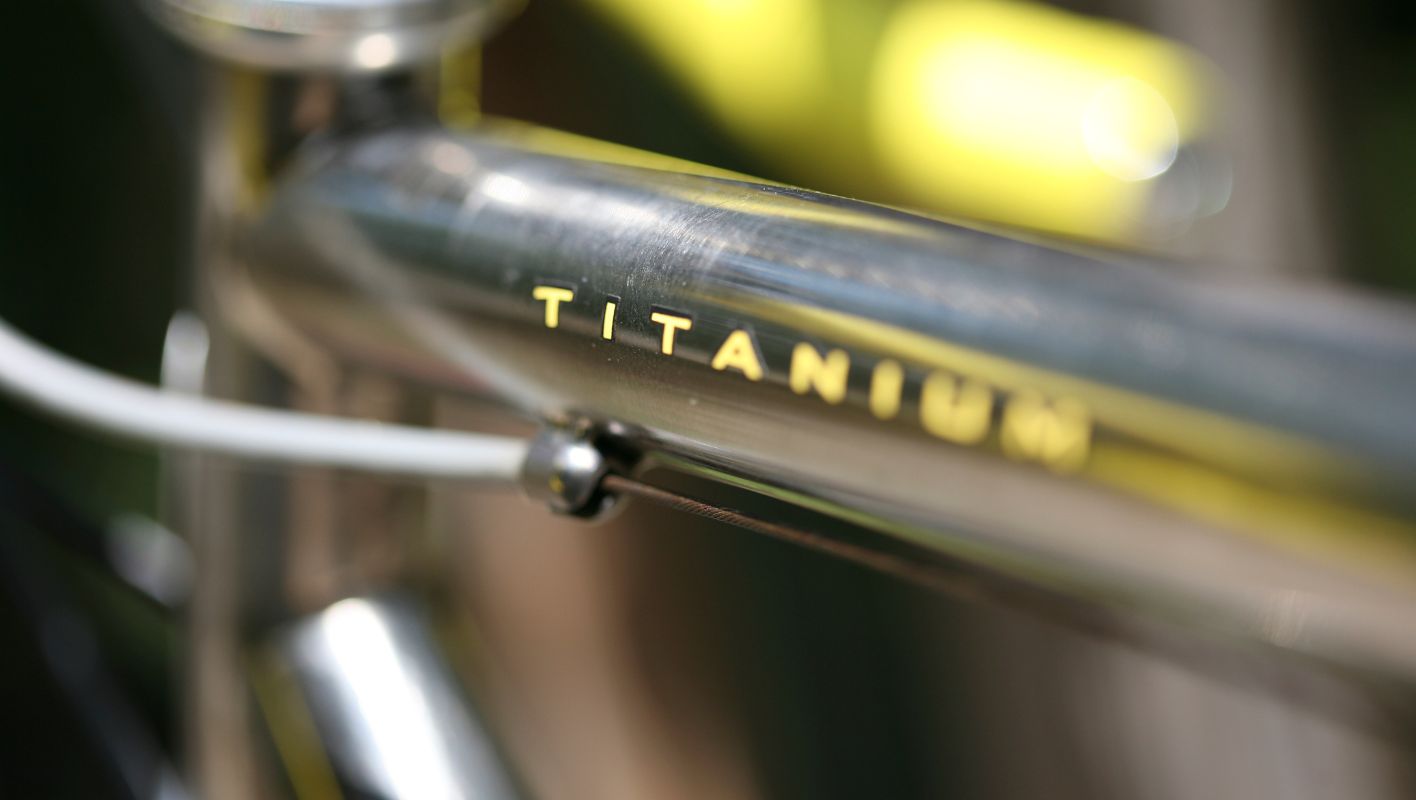
Aerospace Industry
When I first encountered titanium’s use in the aerospace sector, it was fascinating to see how its ability to withstand high temperatures, with a melting point of around 1,668°C (3,034°F), was crucial. I remember touring an aircraft manufacturing facility and being amazed by how titanium alloys were utilized in turbine blades and jet engine parts3. Its lightweight nature doesn’t just improve fuel efficiency but transforms the entire performance landscape of aircraft.
Automotive Sector
In the world of fast cars and roaring engines, titanium is a game-changer. During a visit to an auto show, I spoke with an engineer who explained how titanium’s heat resistance enhances components like exhaust systems, valves, and turbochargers. As someone who loves performance cars, learning about this integration was like discovering the secret sauce that keeps these machines running smoothly under pressure.
| Automotive Parts | Benefits of Titanium |
|---|---|
| Exhaust Systems | Corrosion Resistance |
| Turbochargers | High Heat Tolerance |
| Valves | Lightweight and Durable |
Industrial Applications
Outside of transportation, I’ve seen titanium’s high melting point come into play in various industrial settings. Picture this: heat exchangers and chemical processing equipment braving high temperatures without breaking a sweat. Its corrosion resistance ensures longevity and reliability even in the most punishing environments.
Medical Field
Though titanium’s biocompatibility often takes the spotlight in medical applications, its thermal stability can’t be ignored. I’ve had conversations with surgeons who prefer titanium surgical tools and implants because they withstand high-temperature sterilization processes without losing integrity.
Future Trends
As technology marches forward, so does the role of titanium in high-temperature applications. From discussions with material scientists, it’s clear that ongoing innovations in material science4 will only broaden its utility across various sectors. The development of new alloys promises tailored enhancements for specific industrial needs.
Titanium is used in jet engine parts due to its melting point.True
Titanium's high melting point ensures structural integrity in jet engines.
Titanium is unsuitable for high-temperature chemical processing.False
Titanium resists corrosion at high temperatures, ideal for processing.
Why Is the Boiling Point of Titanium Important?
Ever wondered why titanium stands tall in the world of metals? Its boiling point is a key player in its superstar status.
The boiling point of titanium is a staggering 3287°C (5948°F). This high threshold allows it to maintain strength under extreme heat, essential for aerospace and industrial use.
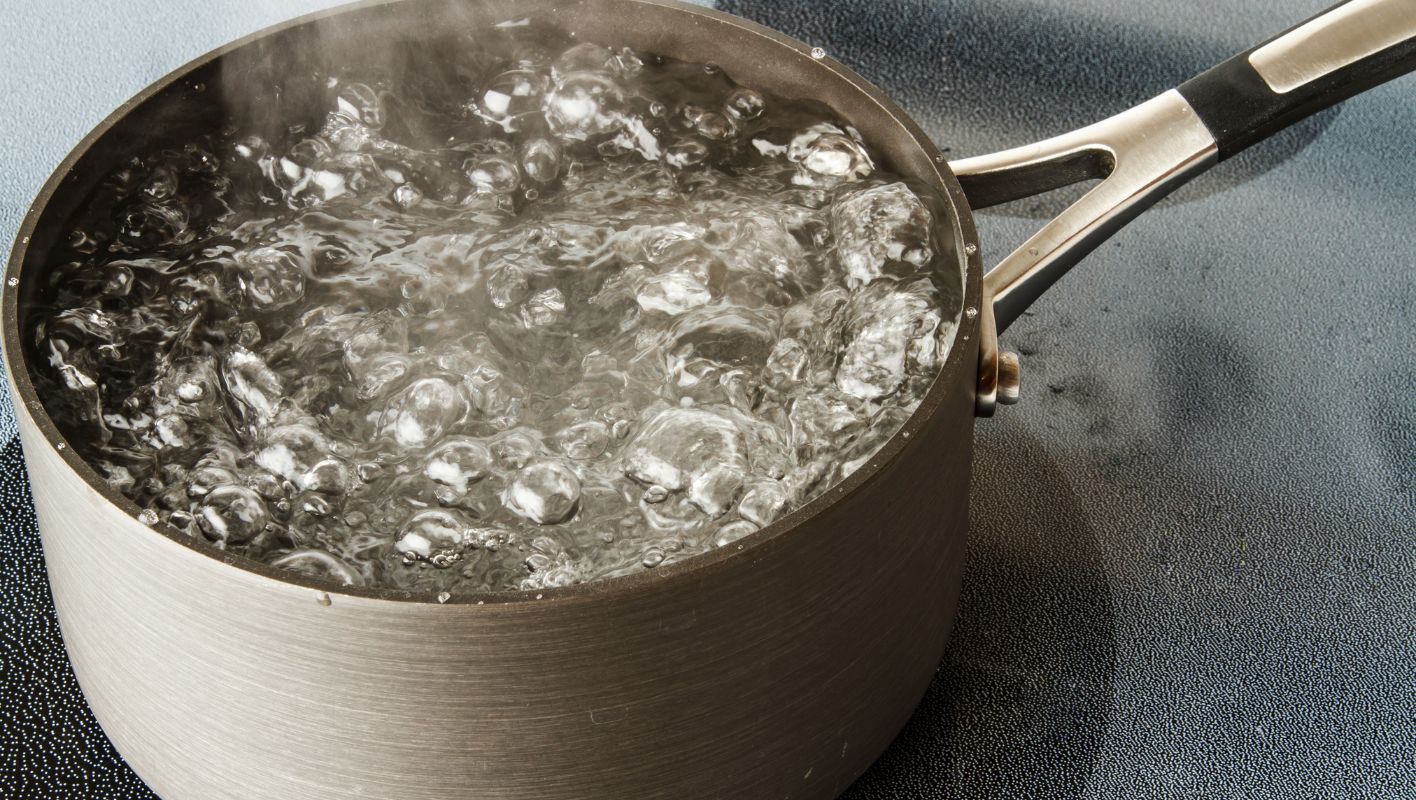
Understanding Titanium’s Boiling Point
I remember the first time I learned about titanium’s boiling point—it was like discovering a superpower in the metal world. At a whopping 3287°C (5948°F)5, it became clear why this element is such a heavyweight in demanding fields. This isn’t just about numbers; it’s about resilience, and it’s why titanium is the go-to for situations where things really heat up, like in aerospace engineering or medical implants.
| Property | Value |
|---|---|
| Boiling Point | 3287°C (5948°F) |
| Melting Point | 1668°C (3034°F) |
Why Does Boiling Point Matter?
In my years working with metals, I’ve seen how critical it is for materials to hold their own under pressure—literally. In aerospace, every component must endure intense heat without faltering, and titanium does just that. I recall visiting a jet engine manufacturing site and witnessing turbine blades crafted from titanium alloys. These blades effortlessly withstand the fiery environment within those engines, proving titanium’s invaluable role.
Moreover, when it comes to medical applications, titanium’s thermal stability ensures that implants remain safe and intact inside the human body over time. Imagine the peace of mind knowing that your prosthetic won’t degrade, no matter what.
Comparisons with Other Metals
Looking at other metals, titanium’s boiling point towers over aluminum’s 2519°C or steel’s 3000°C. This makes it the top choice where thermal stability can’t be compromised. I’ve often found myself comparing these stats when deciding which metal to recommend for high-stakes projects.
| Metal | Boiling Point (°C) |
|---|---|
| Aluminum | 2519 |
| Steel | 3000 |
| Titanium | 3287 |
These comparisons underline why industries needing high-temperature resilience turn to titanium as their metal of choice.
The Role in Advanced Manufacturing
In advanced manufacturing, such as additive manufacturing and powder metallurgy, the high boiling point6 of titanium is indispensable. During my visits to state-of-the-art factories, I’ve seen firsthand how these processes thrive on materials that can endure high processing temperatures without losing their edge. It’s fascinating how innovations in manufacturing technology continue to broaden titanium’s applications.
Manufacturers across automotive and industrial machinery sectors are constantly pushing boundaries, exploring new possibilities with titanium due to its ability to withstand thermal stress. For someone like me making procurement decisions, understanding these traits is crucial. It ensures that the materials chosen not only meet but exceed expectations of performance and reliability in critical projects.
Titanium's boiling point is 3287°C.True
Titanium has a boiling point of 3287°C, crucial for high-heat applications.
Aluminum has a higher boiling point than titanium.False
Aluminum boils at 2519°C, lower than titanium's 3287°C.
How Do Titanium’s Electrical and Thermal Properties Connect?
Ever wondered why titanium feels so special in high-tech industries? Let me walk you through how its unique conductivity and thermal traits work together.
Titanium’s electrical and thermal properties are linked by its atomic structure. It may not shine in electrical conductivity, but its strong bonds and low density make it a heat-conducting champ.
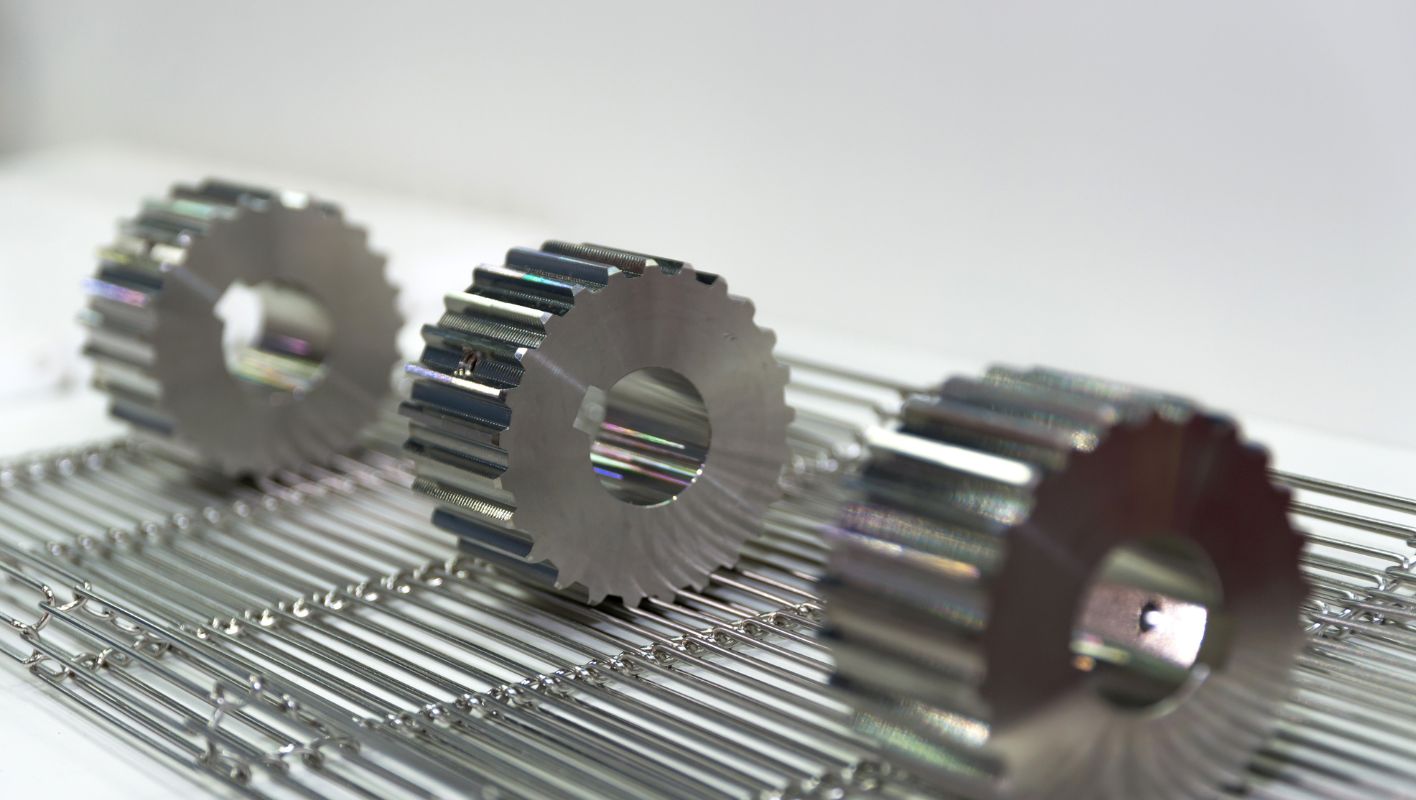
Atomic Structure and Its Influence
I remember the first time I got curious about how materials behaved at a fundamental level. Picture titanium like a tightly-knit family—its atoms are held together by strong metallic bonds. These bonds help it stand tall against heat without losing its shape, almost like how my grandma’s old cast iron pan can handle any stove setting. But when it comes to electrical conductivity, titanium doesn’t quite let electrons zip around freely, which explains its moderate performance there.
Comparing Conductivity Values
When I was comparing different metals for a project, I made a table to keep things clear:
| Metal | Electrical Conductivity (MS/m) | Thermal Conductivity (W/m·K) |
|---|---|---|
| Titanium | 2.4 | 22 |
| Aluminum | 37.7 | 235 |
| Copper | 58.1 | 398 |
Looking at this, it’s clear titanium isn’t the rockstar of electrical conductivity like aluminum or copper7, but it stands its ground pretty well in thermal conductivity. This unique mix makes it perfect for situations where heat management takes center stage over electrical efficiency.
Practical Applications and Implications
During my work in aerospace, I’ve seen firsthand how engineers use titanium’s dual nature to craft components that are lightweight yet robust under extreme conditions. It’s like having a best friend who’s dependable no matter what life throws at you—always there, steady and reliable.
Environmental Considerations
Titanium also shines in eco-friendly uses because of its resistance to corrosion and oxidation. When designing sustainable aircraft, for example, its ability to handle heat efficiently means we can cut down on energy-heavy cooling systems, ticking both performance and sustainability boxes.
Understanding these intricate connections between titanium’s properties can guide us in picking the right materials for cutting-edge projects. Diving into these details helps us tap into titanium’s full potential, whether we’re focusing on its conductivity or its ability to handle heat, unveiling its versatility in today’s tech-driven world.
Titanium has higher electrical conductivity than copper.False
Titanium's electrical conductivity is lower than copper's, at 2.4 MS/m vs. 58.1 MS/m.
Titanium is used in aerospace for its heat resistance.True
Titanium's thermal properties and durability make it ideal for aerospace applications.
Conclusion
Titanium melts at 1,668°C (3,034°F), making it ideal for high-temperature applications in aerospace and automotive industries due to its durability and thermal resistance.
-
Explore why titanium alloys are preferred in aerospace for their thermal and mechanical properties. ↩
-
Discover methods to reduce energy consumption in metal processing through sustainable practices. ↩
-
Explore how titanium alloys contribute to the efficiency and durability of modern jet engines. ↩
-
Stay updated on cutting-edge research and emerging applications of titanium in various industries. ↩
-
Learn how boiling points influence material selection across various engineering applications. ↩
-
Explore the impact of high boiling points on modern manufacturing techniques and technologies. ↩
-
Comparing these properties helps readers evaluate why different metals suit varied applications based on conductivity needs. ↩






