
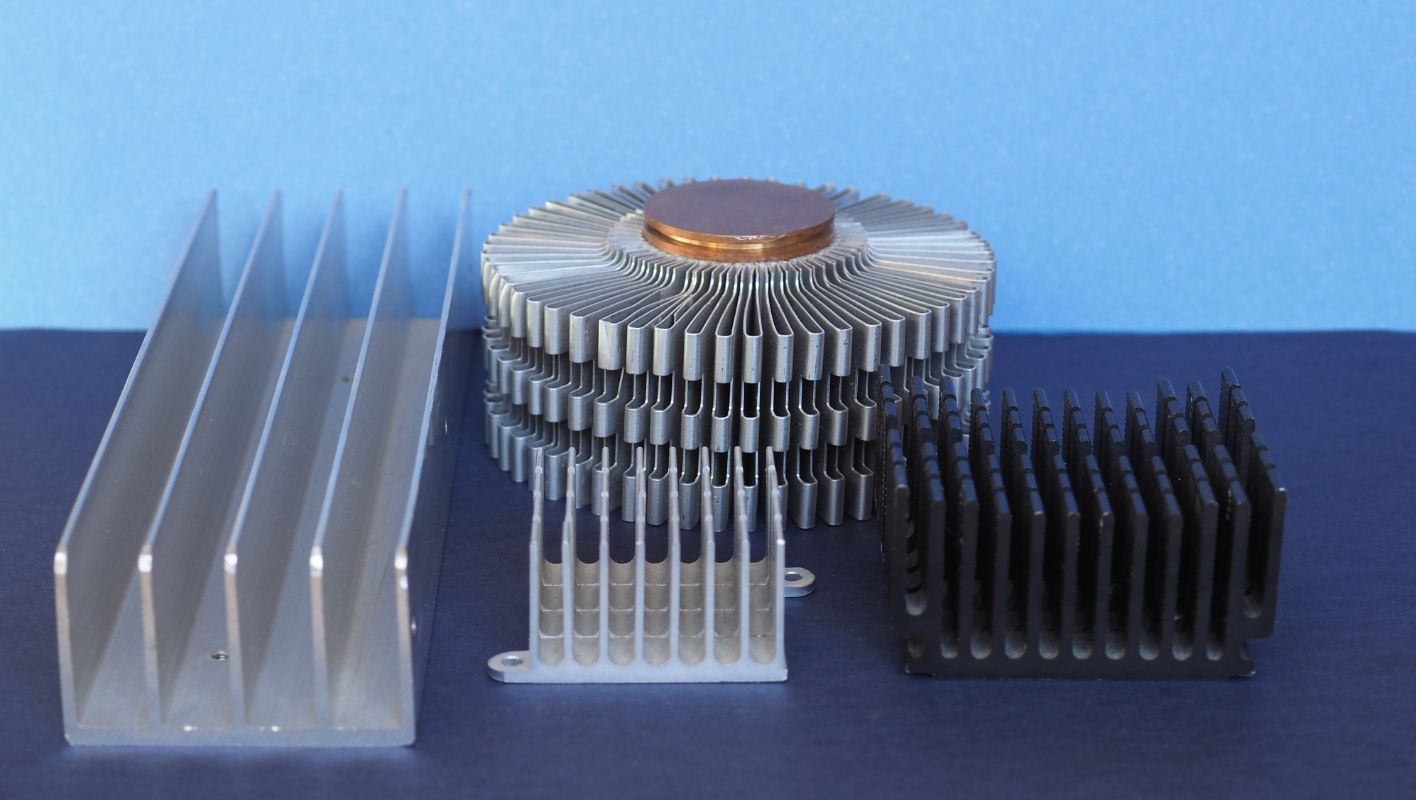
I remember my first encounter with aluminium heatsinks in a bustling electronics lab.
Heatsink aluminium profiles efficiently dissipate heat from electronic devices, ensuring longevity and optimal performance. Their lightweight nature, coupled with high thermal conductivity and cost-effectiveness, makes them indispensable across electronics, automotive, and industrial machinery.
Back then, I was amazed by how these unassuming pieces of metal could prevent gadgets from overheating and burning out. As I dove deeper into the field, I realized that the magic lies not just in their basic function but in their versatility and efficiency.
Aluminium heatsinks are not just about shedding excess heat; they are about transforming how devices function under stress. Imagine the quiet hum of an automobile engine or the soft whir of a computer fan—both owe their smooth operation to these heatsinks. Their role is akin to an unsung hero in modern technology, a silent partner ensuring everything runs smoothly. Compared to other materials, aluminium stands out for its blend of lightness and robustness, making it a go-to choice in many manufacturing processes.
Reflecting on my journey, from setting up my factory to now sharing these insights, it’s clear that embracing the power of aluminium heatsinks has been pivotal. They don’t just cool down components; they help us push the boundaries of innovation.
Heatsink aluminium profiles enhance electronic component longevity.True
By dissipating heat efficiently, they prevent overheating and damage.
Aluminium heatsinks are heavier than copper ones.False
Aluminium heatsinks are lighter than copper, making them preferable.
How Do Aluminium Heatsinks Improve Thermal Management?
Ever felt your laptop getting too hot to handle? Enter the unsung hero: aluminium heatsinks!
Aluminium heatsinks boost thermal management thanks to their high thermal conductivity, lightweight nature, and cost-effectiveness, making them indispensable in electronic devices and industrial applications.

The Importance of Thermal Conductivity
Let me tell you, the first time I realized the importance of thermal conductivity was when I upgraded my gaming rig. Suddenly, my computer was running cooler and quieter, all thanks to an aluminium heatsink. With a thermal conductivity of about 235 W/m·K, aluminium efficiently spreads heat across the heatsink, preventing those dreaded overheating issues. This is way more effective than other materials, like steel, which have much lower thermal conductivity.
| Material | Thermal Conductivity (W/m·K) |
|---|---|
| Aluminium | 235 |
| Copper | 401 |
| Steel | 50 |
Lightweight and Versatile
I remember hauling my old, bulky laptop through airport security—never again! That’s when I appreciated how aluminium’s lightweight nature makes it perfect for portable devices. Its low density adds minimal weight to products like laptops and smartphones, which I found crucial during my travels. Plus, aluminium’s easy extrusion into various shapes means it can be customized for specific needs—perfect for when you want that sleek design without compromising on performance.
Aluminium is also lightweight, enhancing its suitability for portable devices1. Its low density means less weight is added to products, which is crucial in applications like laptops and smartphones. Furthermore, aluminium can be easily extruded into various shapes, allowing custom designs to fit specific needs.
Cost-Effective Solution
Back when I was setting up my home office on a budget, aluminium became my go-to material. Compared to alternatives like copper, aluminium offers excellent thermal management at a fraction of the cost. This balance of affordability and efficiency makes aluminium heatsinks a staple choice across numerous industries.
Compared to alternatives like copper, aluminium is more cost-effective while still offering excellent performance in thermal management. This balance of cost and efficiency makes aluminium heatsinks a popular choice across various industries.
Applications Beyond Electronics
Aluminium heatsinks aren’t just for your gadgets; they’re also used in automotive and aerospace industries for engine cooling and HVAC systems. Their resilience in different environmental conditions enhances their versatility. I remember visiting a factory where these heatsinks were used in massive machines—truly fascinating how such a simple component can drive innovation and efficiency across various fields.
By leveraging these properties, aluminium heatsinks provide effective thermal management solutions2 across multiple sectors, driving innovation and efficiency in product design.
Aluminium has higher thermal conductivity than copper.False
Copper has a thermal conductivity of 401 W/m·K, higher than aluminium's 235 W/m·K.
Aluminium heatsinks are used in the aerospace industry.True
Aluminium heatsinks are used in aerospace for engine cooling and HVAC systems.
Why Choose Aluminium for Heatsinks?
Imagine the peace of mind knowing your devices won’t overheat, all thanks to the power of aluminium.
Aluminium heatsinks excel in thermal conductivity, are lightweight, and affordable. They also offer ease of manufacturing and strong corrosion resistance, making them perfect for efficient thermal management solutions.
Thermal Conductivity and Efficiency
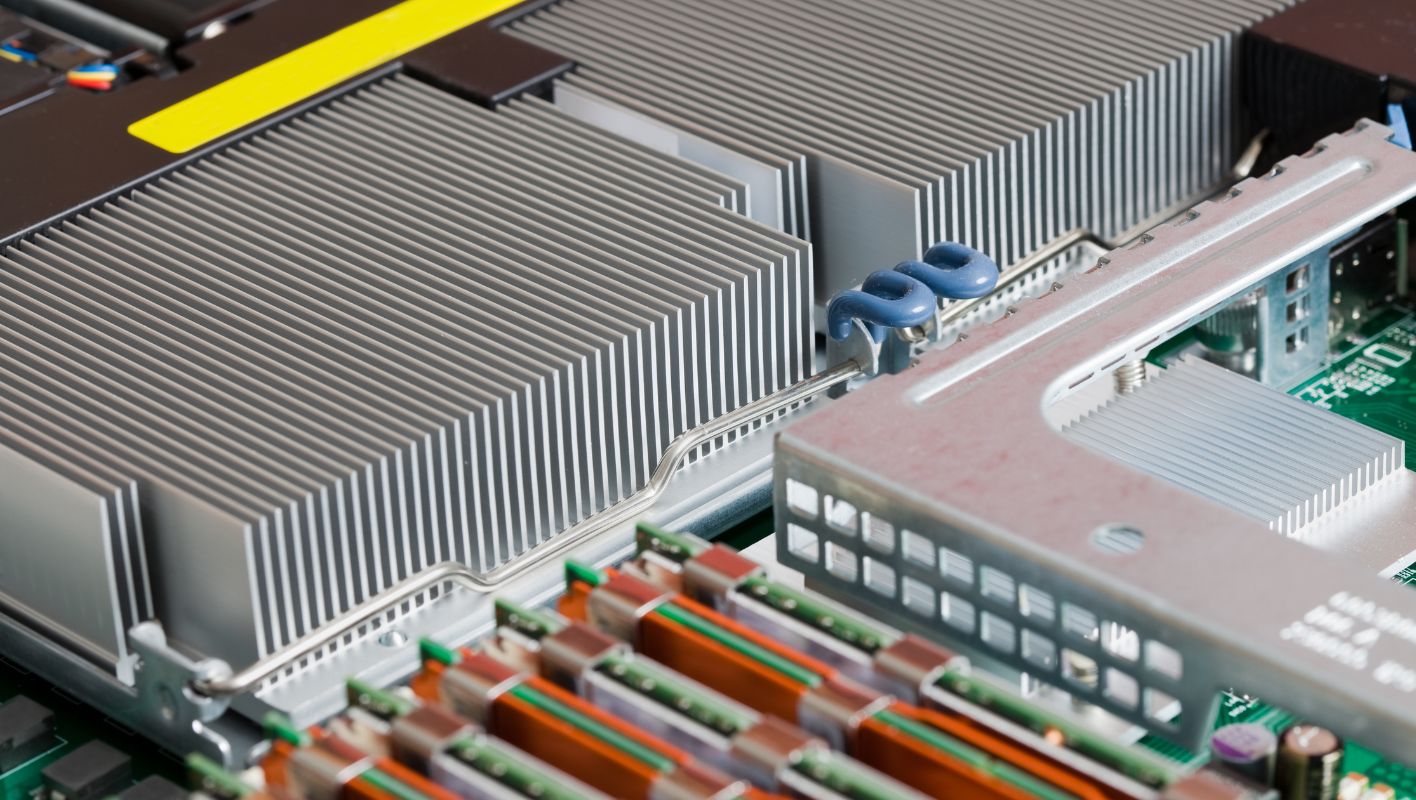
I’ve always been fascinated by how something as simple as a metal can keep our high-tech gadgets running smoothly. Aluminium, with its excellent thermal conductivity, does just that. It efficiently dissipates heat, which is crucial for electronic devices3. Think about the last time you felt your laptop getting hot—aluminium helps keep such devices cool and functional.
Weight and Mechanical Properties
The first time I lifted a piece of aluminium, I was amazed by how light it was compared to other metals. This lightweight nature is a game-changer in industries like aerospace and automotive, where every gram counts. The mechanical properties of aluminium ensure that we get durability without the weight penalty, enhancing performance4.
Cost-Effectiveness
When it comes to balancing quality and budget, aluminium stands out. Compared to copper, it’s more cost-effective without sacrificing performance. This affordability makes it ideal for large-scale projects where heat dissipation is key.
| Property | Aluminium | Copper |
|---|---|---|
| Thermal Conductivity | 205 W/m·K | 385 W/m·K |
| Density | 2.70 g/cm³ | 8.96 g/cm³ |
| Cost | Lower | Higher |
Corrosion Resistance and Longevity
I’ve always appreciated how aluminium naturally forms a protective oxide layer. This means it resists corrosion exceptionally well, extending the lifespan of heatsinks. It’s perfect for outdoor applications5 or harsh environments without needing extra coatings.
Ease of Manufacturing
Aluminium’s malleability is another reason I love working with it. It can be easily shaped into complex forms, allowing for customized heatsink designs tailored to specific needs. This flexibility leads to innovative solutions that enhance overall system efficiency.
By understanding these benefits, I’ve been able to make more informed decisions when selecting materials for various heatsink applications. Exploring how aluminium’s properties align with specific project needs can lead to optimal outcomes in both performance and cost-efficiency.
Aluminium has higher thermal conductivity than copper.False
Copper has a thermal conductivity of 385 W/m·K, higher than aluminium's 205 W/m·K.
Aluminium is more cost-effective than copper for heatsinks.True
Aluminium is cheaper than copper, making it ideal for large-scale production.
How Do Aluminium Heatsinks Compare to Copper Alternatives?
I remember the first time I had to choose between aluminium and copper heatsinks. It felt like picking a team in high school sports—who’s going to perform better under pressure?
Aluminium heatsinks are lighter and more affordable than copper but lack the superior thermal conductivity of copper, which offers better heat dissipation and is ideal for high-performance scenarios.
Thermal Conductivity
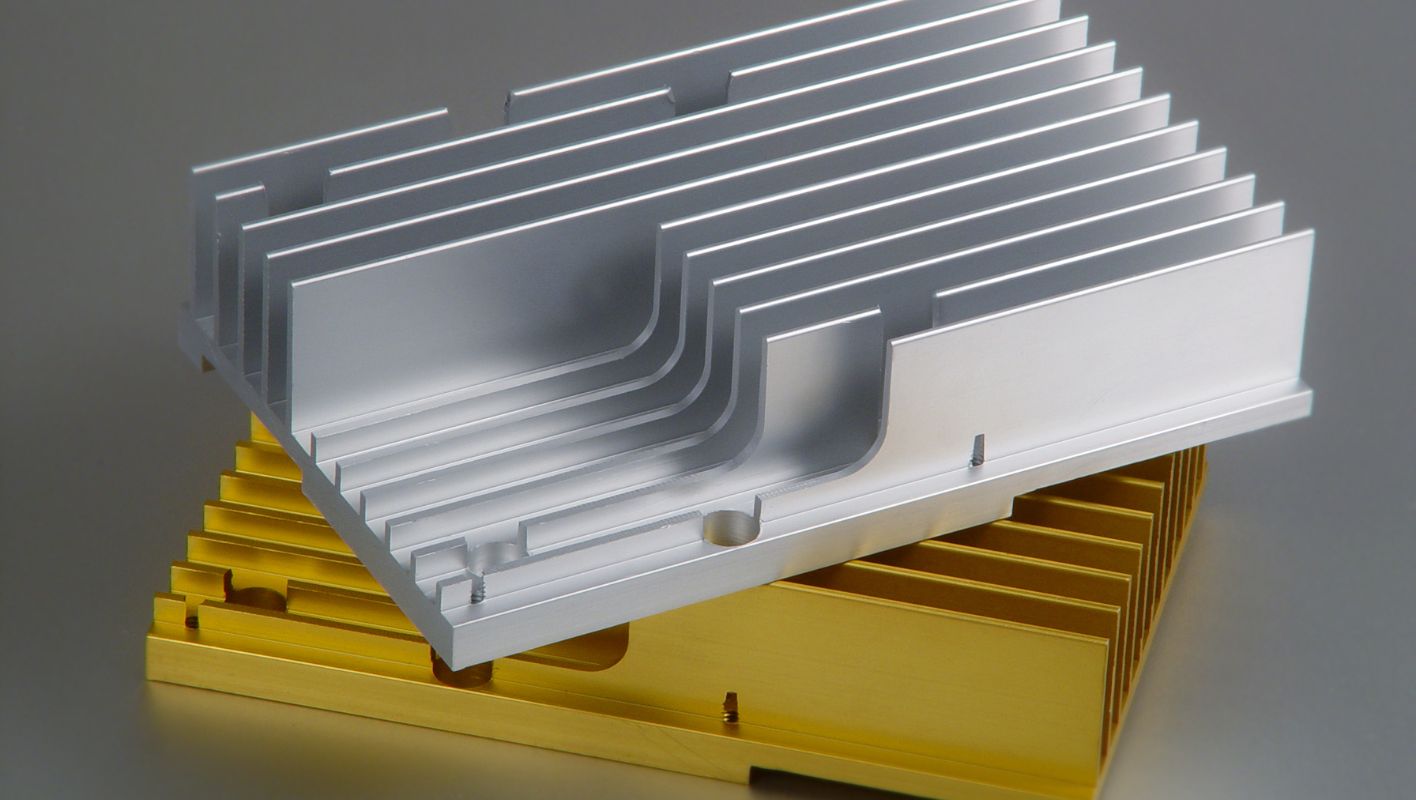
Back when I was knee-deep in a project involving high-performance CPUs6, I learned firsthand how crucial thermal conductivity is. Copper heatsinks7, with their impressive 400 W/mK thermal conductivity, stole the show, effectively whisking heat away from those overworked processors. I could almost hear the relief in the fans! Aluminium, with its 235 W/mK, just didn’t cut it for that particular job, though it’s a solid choice for less demanding applications.
| Material | Thermal Conductivity (W/mK) |
|---|---|
| Aluminium | 235 |
| Copper | 400 |
Weight and Density
I once had to outfit an aerospace project8, and trust me, every gram counts up there. Aluminium’s lightness was a godsend, with a density of just 2.7 g/cm³ compared to copper’s hefty 8.96 g/cm³. This weight difference isn’t just trivia—it can be a game-changer in industries where lightness equals efficiency and fuel savings.
Cost Implications
I’ve also been on projects where budget constraints loomed large, making aluminium’s cost-effectiveness a lifesaver. At $2 per kg, aluminium kept us well within budget compared to copper’s $9 per kg price tag. Plus, aluminium’s easy machinability meant fewer headaches and lower production costs—something every procurement director can appreciate.
| Material | Average Cost (per kg) |
|---|---|
| Aluminium | $2 |
| Copper | $9 |
Application Considerations
Choosing between aluminium and copper heatsinks is like deciding between a comfy pair of sneakers and high-performance running shoes—each has its place. For lightweight gadgets like Raspberry Pi9, aluminium shines due to its affordability and lightness. But if you’re pushing your gaming PC to the max or lighting up high-power LEDs, copper’s heat dissipation prowess is hard to beat. Weighing these factors carefully helps ensure you’re not just meeting performance needs but also hitting your budget targets right on the nose.
Copper heatsinks have higher thermal conductivity than aluminium.True
Copper's thermal conductivity is 400 W/mK, while aluminium's is 235 W/mK.
Aluminium heatsinks are more expensive than copper ones.False
Aluminium costs $2/kg, whereas copper costs $9/kg, making it cheaper.
What are the key design considerations for effective aluminium heatsinks?
Imagine you’re piecing together a puzzle, each piece vital to the picture—this is exactly how I approach designing aluminium heatsinks.
Key design considerations for aluminium heatsinks include thermal conductivity, surface area optimization, fin arrangement, and airflow management. These factors together determine how effectively the heatsink dissipates heat, enhancing device performance and lifespan.
Material Selection and Thermal Conductivity
I remember the first time I realized how critical material choice was in thermal management. Aluminum emerged as a favorite not just for its efficiency in conducting heat but also because it’s lightweight. This ensures that my devices stay efficient without being burdened by extra weight—a real win-win in any engineer’s book.
When selecting materials for heatsinks, aluminum is often preferred due to its excellent thermal conductivity and lightweight properties. This combination ensures efficient heat transfer10 without adding excessive weight to the device.
Surface Area and Fin Configuration
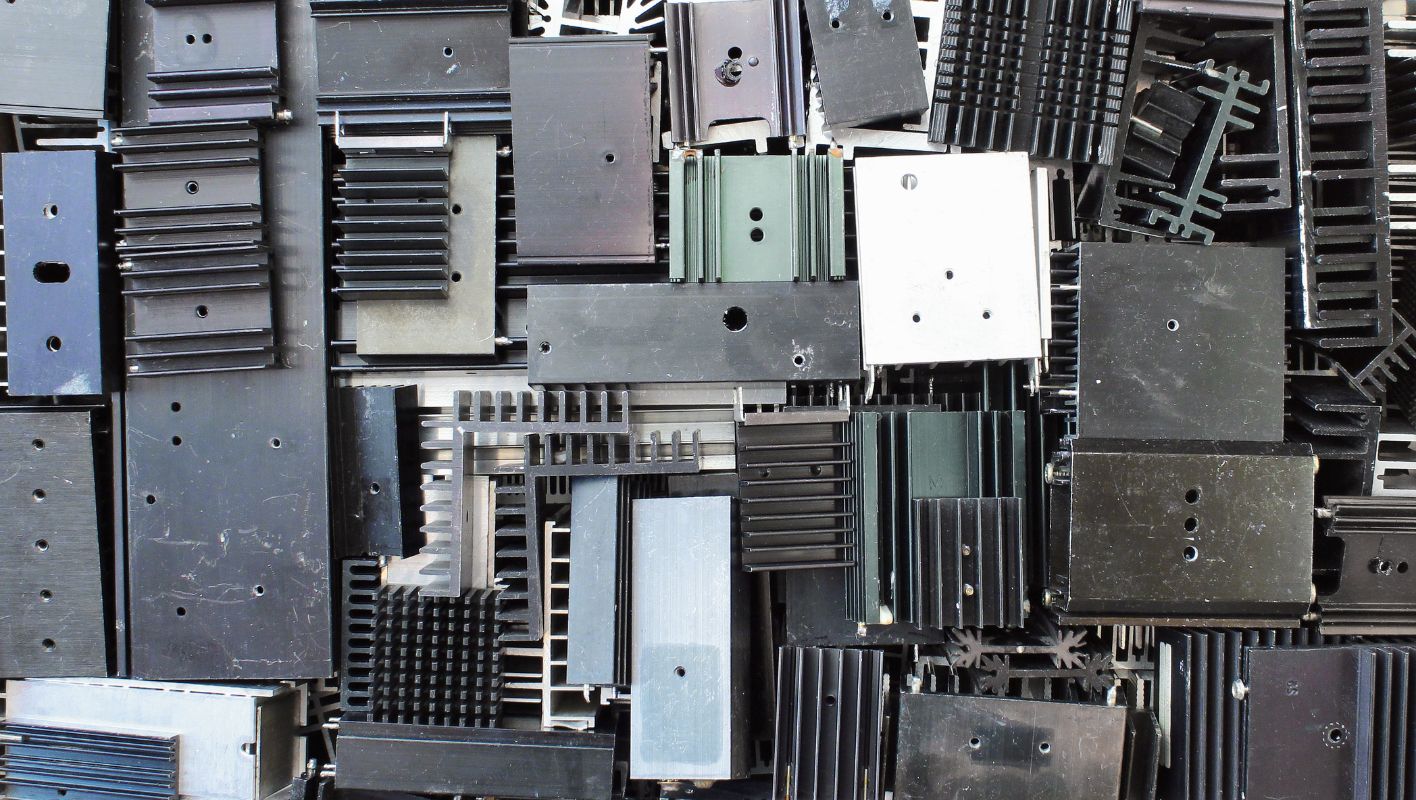
It’s like arranging books on a shelf to maximize space. By increasing the surface area of a heatsink, I can boost its heat dissipation capabilities. Fins play a crucial role here. I’ve spent hours tweaking fin designs to ensure they catch every breeze of air, and trust me, every change can make a difference.
The following table highlights some common fin configurations:
| Fin Type | Description |
|---|---|
| Straight Fins | Basic design, easy to manufacture |
| Pin Fins | Suitable for omni-directional airflow |
| Skived Fins | Provides better thermal performance |
Airflow Management
Sometimes, it feels like I’m choreographing a dance—air needs to flow smoothly around the heatsink. I’ve learned the hard way that minimizing resistance and ensuring cool air contacts the heatsink can significantly improve performance.
Airflow around the heatsink is crucial. Optimal design should minimize airflow resistance while maximizing contact with cool air. Consider using active cooling11 methods like fans if passive cooling isn’t sufficient.
Thermal Resistance and Interface Materials
Think of thermal resistance as the hesitance in passing the baton in a relay race. Lower resistance means quicker handoffs. Utilizing thermal interface materials like paste or pads reduces this resistance, making the process as smooth as possible.
Thermal resistance measures the heatsink’s effectiveness in conducting heat away from a device. Using thermal interface materials, such as thermal paste or pads, can reduce resistance and improve efficiency.
Customization for Specific Applications
Every now and then, I encounter a project with unique needs—like fitting a square peg into a round hole. Custom heatsink designs become essential, taking into account all sorts of constraints and requirements.
Each application might demand unique heatsink designs. Custom solutions are often necessary, taking into account space constraints, power requirements, and environmental conditions.
For instance, in high-performance computing projects I’ve tackled where heat dissipation needs are critical, customized solutions12 are tailored to meet specific thermal management challenges.
Aluminium heatsinks are preferred for their lightweight properties.True
Aluminium is chosen for heatsinks due to its lightness and thermal conductivity.
Pin fins are unsuitable for omni-directional airflow applications.False
Pin fins are ideal for omni-directional airflow, enhancing heat dissipation.
Conclusion
Aluminium heatsinks are essential for effective thermal management in electronics, automotive, and industrial applications due to their lightweight nature, high thermal conductivity, cost-effectiveness, and versatility.
-
Explore why aluminium’s lightweight nature makes it ideal for use in portable devices like laptops and smartphones. ↩
-
Discover the role of aluminium heatsinks in automotive applications, focusing on engine cooling and HVAC systems. ↩
-
Discover how aluminium’s thermal properties enhance electronic device performance by efficiently managing heat. ↩
-
Learn why reducing weight in vehicles can lead to better performance and fuel efficiency. ↩
-
Explore how aluminium’s natural corrosion resistance makes it ideal for use in outdoor environments. ↩
-
Discover top CPU coolers that utilize copper for optimal heat dissipation. ↩
-
Explore why copper heatsinks are preferred for high-performance applications. ↩
-
Learn how weight considerations affect material choice in aerospace projects. ↩
-
Find out why aluminium heatsinks are often used in Raspberry Pi cooling solutions. ↩
-
Learn why aluminium’s thermal conductivity makes it ideal for heatsinks. ↩
-
Discover how active cooling methods enhance heat dissipation in devices. ↩
-
Explore tailored heatsink designs addressing unique thermal challenges. ↩






