
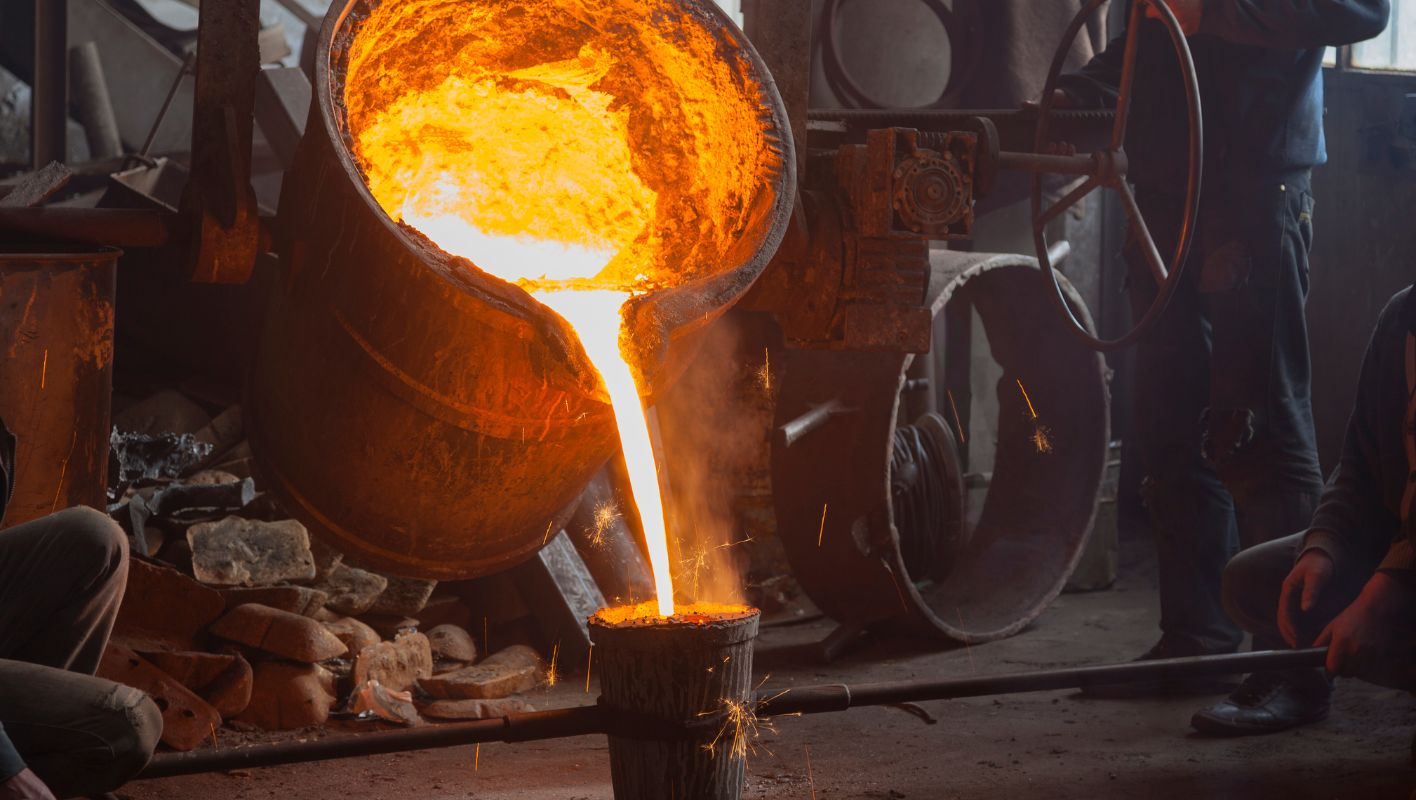
Have you ever wondered why iron is such a staple in manufacturing?
Iron melts at around 1538 degrees Celsius (2800 degrees Fahrenheit), making it ideal for industrial uses requiring strength and resilience.
I remember my early days in the metal processing industry, where understanding iron’s melting point was more than just a number—it was the key to unlocking countless possibilities. This high temperature means iron can withstand rigorous applications, from building skyscrapers to crafting the gears that drive our world forward.
When I first learned about this, I was amazed by how this simple fact dictated so many manufacturing decisions. Comparing iron’s melting point with other metals like aluminum or gold helped me appreciate why it’s often the go-to choice in heavy-duty applications. It’s these nuances in thermal properties that make metal processing such a fascinating field. Whether you’re in automotive, aerospace, or any sector needing robust materials, knowing these details can be a game-changer.
Iron melts at 1538 degrees Celsius.True
Iron's melting point is 1538°C, making it ideal for durable applications.
Iron has a lower melting point than aluminum.False
Iron melts at 1538°C, whereas aluminum melts at 660.3°C.
How Does Iron’s Melting Point Compare to Steel and Aluminum?
Ever wondered what makes iron, steel, and aluminum so special in manufacturing? It’s all about their melting points!
Iron melts at about 1538°C (2800°F), significantly higher than aluminum at 660°C (1220°F). Steel’s melting point varies due to its composition, ranging from 1370°C (2500°F) to 1510°C (2750°F), depending on the alloying elements used.
Understanding Melting Points of Metals
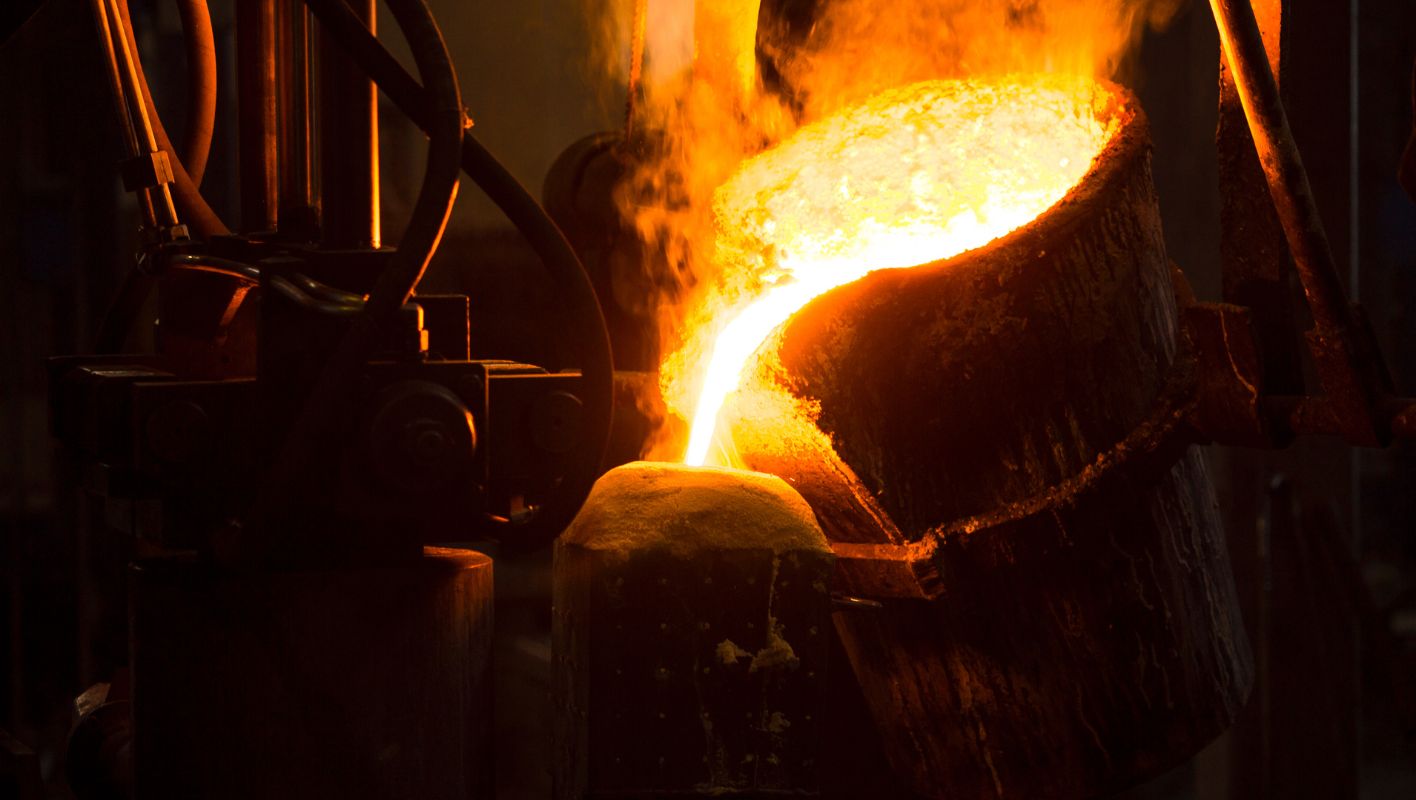
When I first dipped my toes into the world of metal processing, I was utterly fascinated by how different metals behave under heat. Melting points play a huge role in this. For example, iron, with its high melting point of around 1538°C (2800°F), is perfect for applications that need to withstand high-temperature1 stability, like those towering skyscrapers or robust industrial machines.
Steel, on the other hand, is like the chameleon of metals. Its melting point can vary quite a bit based on what’s mixed in. Think of it as a secret family recipe where ingredients like carbon, manganese, chromium, and nickel each add their own twist. That’s why you’ll see steel melting anywhere from 1370°C (2500°F) to 1510°C (2750°F). And if you’ve ever worked with stainless steel2, you know it stands up to heat thanks to the added chromium.
Then there’s aluminum, which is somewhat of a metal superhero in industries like automotive and aerospace. Its lower melting point of around 660°C (1220°F) means it’s a breeze to work with when casting and welding are involved. Plus, it’s super light, making it ideal for projects where every ounce counts.
Comparative Analysis
| Metal | Approximate Melting Point |
|---|---|
| Iron | 1538°C (2800°F) |
| Steel | 1370-1510°C (2500-2750°F) |
| Aluminum | 660°C (1220°F) |
These differences in melting points really dictate where each metal shines. Iron is your go-to for heavy-duty jobs, while aluminum’s quick-melting ease is perfect for lightweight3 structures.
Practical Implications
I remember a conversation with John, a fellow professional in the field, who shared how crucial it is to know these differences when choosing materials. His job involves picking the right metals based on needs like heat resistance, strength, and weight. Imagine choosing aluminum for parts that undergo frequent heating and cooling cycles—it could be a game-changer because of its excellent thermal conductivity4.
In the end, picking the right metal isn’t just about what’s cheapest or easiest to get; it’s about understanding the intricacies of each option. By leveraging this knowledge, we can not only improve the quality and durability of our products but also streamline our production processes. And let me tell you, there’s something deeply satisfying about knowing you’ve made the best choice for the task at hand.
Iron's melting point is higher than aluminum's.True
Iron melts at 1538°C, while aluminum melts at 660°C, confirming the claim.
All types of steel have a lower melting point than iron.False
Some steels have melting points close to or above iron's due to alloying elements.
Why is Knowing the Melting Point Important in Manufacturing?
Have you ever wondered why some materials are chosen over others in manufacturing?
Understanding the melting point is crucial in manufacturing because it helps in selecting materials, optimizing processing techniques, and ensuring that products can endure various stresses.
Understanding Melting Points in Material Selection
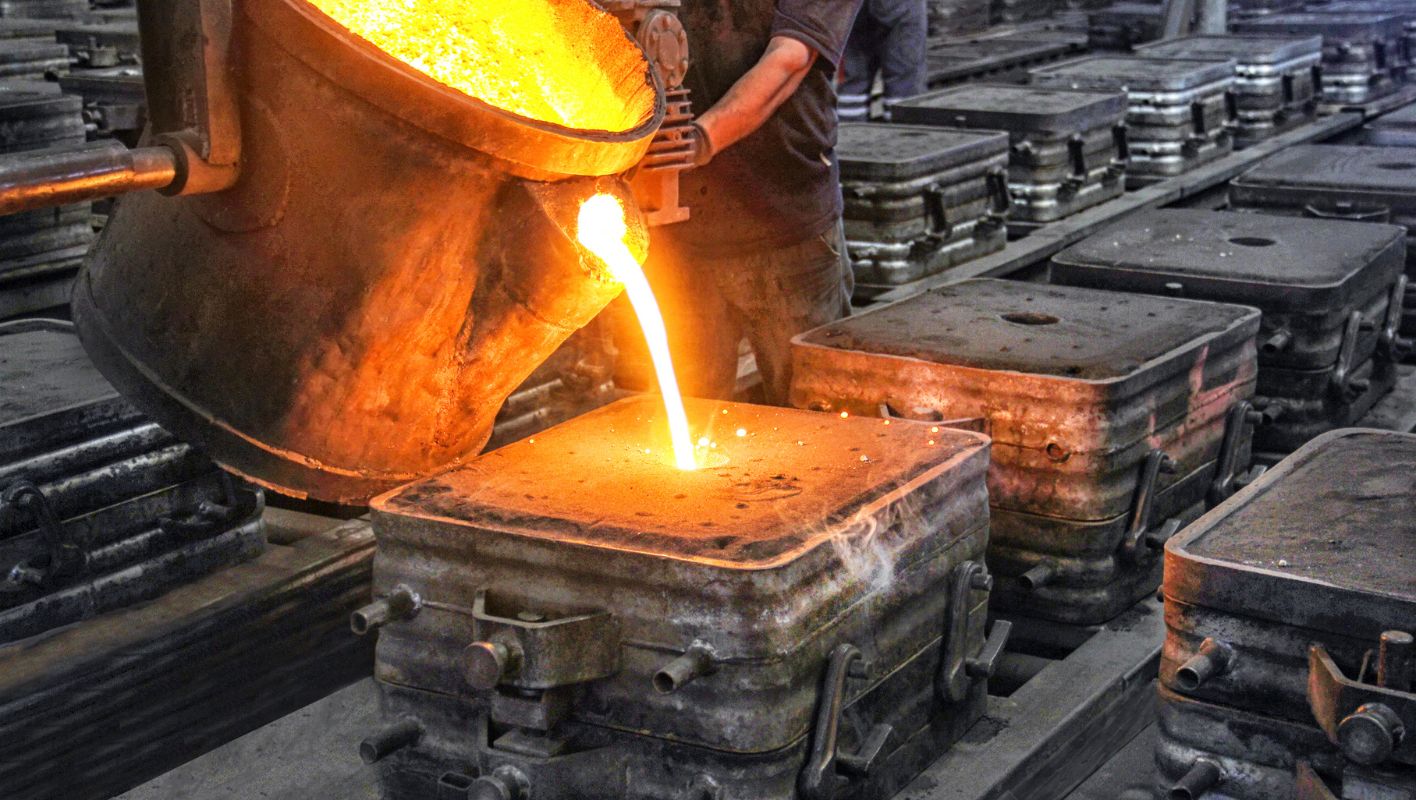
I remember the first time I was involved in selecting materials for manufacturing engine parts. The stakes were high, and I felt the pressure of making the right choice. The material needed to withstand high temperatures without losing integrity, and that’s when the melting point became a key factor. Choosing a metal with a high melting point ensured the engine components would perform reliably, even under extreme conditions. It’s like picking the right gear for a hiking trip; you want something that can handle the toughest terrains. By selecting materials with appropriate thermal properties5, we ensured product reliability.
Melting Points and Processing Techniques
In another project, I found myself fascinated by how melting points influenced our manufacturing processes. For instance, during a welding job, we needed to ensure that the materials would melt and fuse without compromising their strength. It’s much like baking—getting the temperature just right makes all the difference between a delicious cake and a baking disaster! By understanding these thermal limits, we optimized our production cycles and improved efficiency.
| Material | Melting Point (°C) | Common Applications |
|---|---|---|
| Steel | 1370 | Construction, Tools |
| Aluminum | 660 | Automotive, Foils |
| Titanium | 1668 | Aerospace, Medical |
Impact on Product Durability
The importance of choosing materials with suitable melting points became crystal clear when I worked on aerospace components. These products had to endure drastic temperature shifts without deforming. It felt like designing a suit that could withstand both Antarctic chills and Sahara heat! Understanding this helped us design robust and durable products.
Innovations in Material Science
Keeping up with advancements in material science has always excited me. Innovations have continuously pushed the boundaries of what we thought possible, like developing alloys with higher melting points to enhance usability across various industries. These innovations don’t just excite the tech enthusiast in me; they also drive sustainability and efficiency in manufacturing by reducing energy consumption and waste.
By staying informed about these developments, manufacturers can better anticipate and meet industry demands6. It’s like having a crystal ball that allows us to peek into the future of manufacturing possibilities.
High melting points are crucial for engine parts.True
Engine parts must withstand high temperatures without deforming, requiring materials with high melting points.
Aluminum is used in aerospace due to its low melting point.False
Aluminum is used in automotive and foils, not aerospace, which requires higher melting points.
What Factors Can Affect the Melting Point of Iron?
You might think of iron as just another metal, but its melting point is a fascinating puzzle influenced by several key factors. Imagine unlocking secrets that could revolutionize your next big project.
The melting point of iron is influenced by impurities, alloying elements, and external conditions like pressure and temperature. Understanding these factors can significantly alter its melting behavior and improve industrial processes.

Impurities in Iron
I remember when I first learned about impurities in metals during my early days in the factory. It was like discovering hidden saboteurs that could change everything! Impurities such as carbon, sulfur, and phosphorus can dramatically affect the melting point of iron. For example, carbon can form iron carbide7, which lowers the melting point and impacts the metal’s hardness. Each impurity acts differently, so keeping a tight grip on impurity levels during processing is crucial.
| Impurity | Effect on Melting Point |
|---|---|
| Carbon | Lowers |
| Sulfur | Varies based on content |
| Phosphorus | Lowers |
Alloying Elements
Diving into alloying elements feels like being a kid in a candy store; there are endless possibilities! Adding elements like nickel or chromium creates alloys with distinct properties. I once worked on a project with nickel-iron alloys8, marveling at their enhanced resistance to corrosion and temperature changes. However, they also came with their own unique melting points. The choice of alloying elements depends entirely on the desired properties for the final product.
External Conditions
External conditions can be like the wild card in a game—unpredictable yet critical. The melting point of iron isn’t just about what’s inside it; external factors like pressure and temperature play a role too. High pressure tends to raise the melting point, as seen in studies on high-pressure conditions9. On the flip side, increased ambient temperatures might lower it, which can throw a wrench into manufacturing stability.
Industrial Applications
Understanding these factors is vital, especially if you’re involved in fields like automotive or aerospace manufacturing. I learned firsthand how precise control over these variables ensures consistency and performance. For instance, in aerospace applications10, selecting the right alloy is crucial for safety and efficiency. It’s a constant reminder that what seems like small details can have massive impacts.
Carbon impurities lower the melting point of iron.True
Carbon forms iron carbide, reducing the melting point and affecting hardness.
High pressure lowers the melting point of iron.False
High pressure generally raises the melting point, as per studies.
How Does the Melting Point Influence Iron Casting and Welding?
Ever wondered why iron behaves the way it does when casting and welding? Understanding its melting point is key to unlocking its full potential in manufacturing.
Iron’s melting point significantly influences casting and welding by affecting fluidity, solidification rate, and thermal expansion. High melting points ensure durability but demand more energy, impacting cost and efficiency.
The Role of Melting Point in Iron Casting
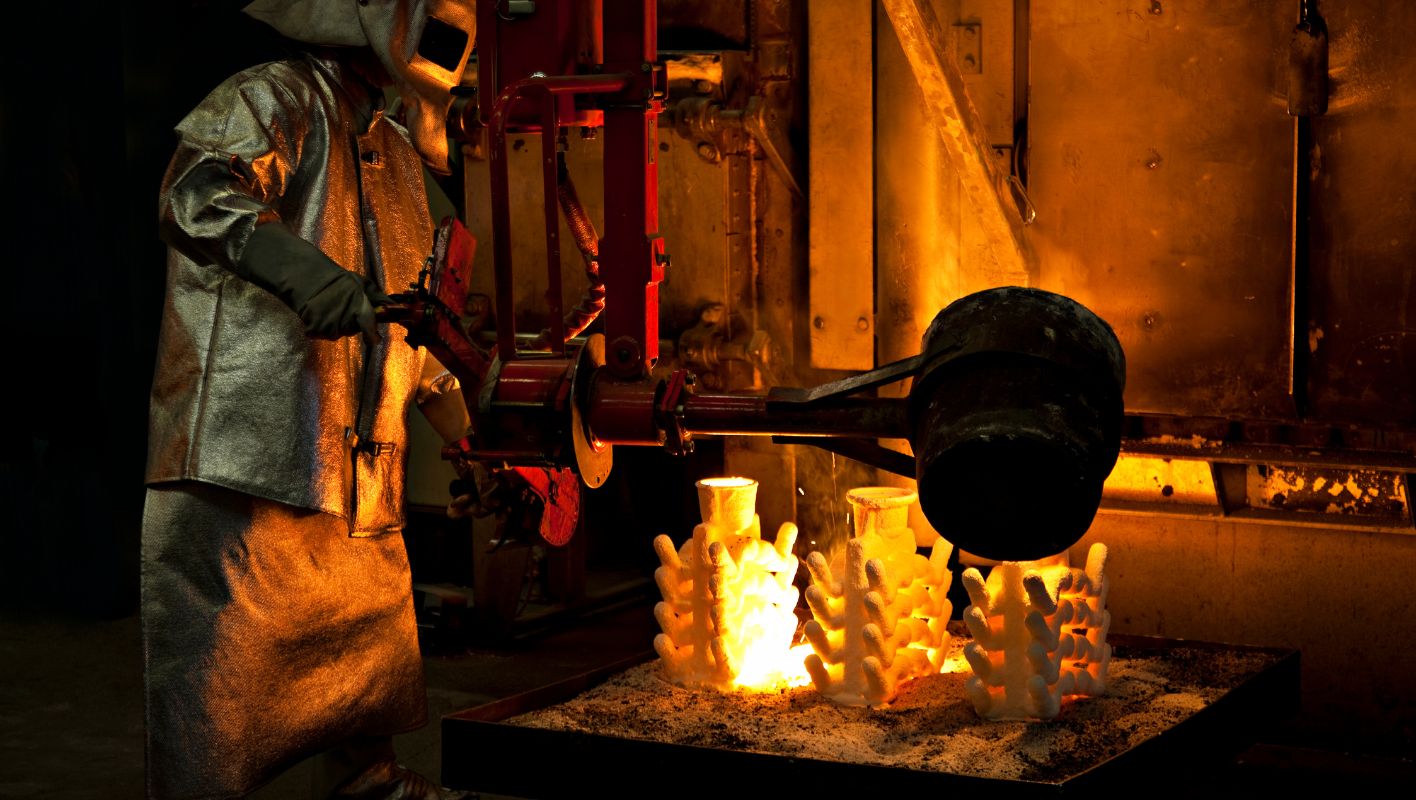
I remember the first time I witnessed iron being cast; it felt like watching an alchemist at work. The magic lies in its melting point—around 1538°C (2800°F). This high temperature is what makes iron11 such a robust choice for casting, resisting wear and tear with ease. It’s all about heating the metal above this threshold to let it flow like liquid gold, perfectly filling even the most intricate molds.
- Fluidity: Picture pouring syrup into a waffle maker. That’s how I see molten iron filling molds—high melting points mean it flows smoothly, capturing every detail flawlessly.
- Solidification: The cooling process is an art. With iron, its high melting point allows for a gradual transition from liquid to solid, minimizing shrinkage and internal stress.
Here’s a snapshot of how melting points affect various properties:
| Property | Low Melting Point | High Melting Point |
|---|---|---|
| Fluidity | Less fluid, more viscosity | More fluid, less viscosity |
| Solidification | Rapid, uneven | Gradual, even |
| Energy Demand | Lower | Higher |
Implications for Welding Processes
Welding is another fascinating process where melting points play a crucial role. I once had a project that went awry because we underestimated how much heat was needed. That experience taught me the importance of precision in setting heat inputs—too little, and the pieces won’t fuse; too much, and you risk damaging the material.
- Heat Input Control: Maintaining the right temperature is like walking a tightrope; it’s all about balance. Proper heat management ensures strong bonds without compromising structural integrity. Thermal expansion12 is another factor to watch to prevent cracking or warping.
- Alloy Considerations: Adding elements like carbon can tweak the melting point and improve other properties. I learned that a touch of carbon can lower the melting point slightly but also add hardness—a useful trick in crafting durable components.
Understanding these factors is like having a secret recipe for success in both casting and welding. By mastering the melting point’s nuances, we can enhance quality and efficiency, meeting modern manufacturing demands with confidence.
Iron's melting point is 1538°C.True
Iron melts at 1538°C, allowing it to be used effectively in casting.
Higher melting points decrease fluidity in casting.False
Higher melting points increase fluidity, aiding in filling intricate molds.
Conclusion
Iron’s melting point of 1538°C (2800°F) is crucial for its industrial applications, influencing material selection, processing techniques, and product durability in manufacturing sectors like automotive and aerospace.
-
Explore how iron’s high melting point makes it suitable for applications demanding high-temperature stability. ↩
-
Learn about how chromium affects the melting point of stainless steel. ↩
-
Understand why aluminum is ideal for lightweight structures in various industries. ↩
-
Discover the benefits of aluminum’s thermal conductivity in industrial applications. ↩
-
This link will guide you to resources explaining why thermal properties matter in choosing materials, impacting durability and efficiency. ↩
-
Discover cutting-edge advancements in alloy technology that improve melting points and enhance manufacturing processes. ↩
-
Explore how carbon alters iron’s melting point and influences its hardness, crucial for applications requiring specific material characteristics. ↩
-
Discover the unique properties of nickel-iron alloys and their applications, particularly in environments with varying temperatures and corrosive conditions. ↩
-
Learn about how high pressure conditions can raise iron’s melting point, important for industries using high-pressure techniques. ↩
-
Understand why specific iron alloys are chosen in aerospace for their performance under extreme conditions. ↩
-
Explore how iron’s high melting point impacts its behavior in casting, ensuring precision and reducing defects. ↩
-
Learn how controlling thermal expansion during welding prevents structural issues like cracking or warping. ↩






