
Navigating the world of metal processing can feel like an art form where every detail counts.
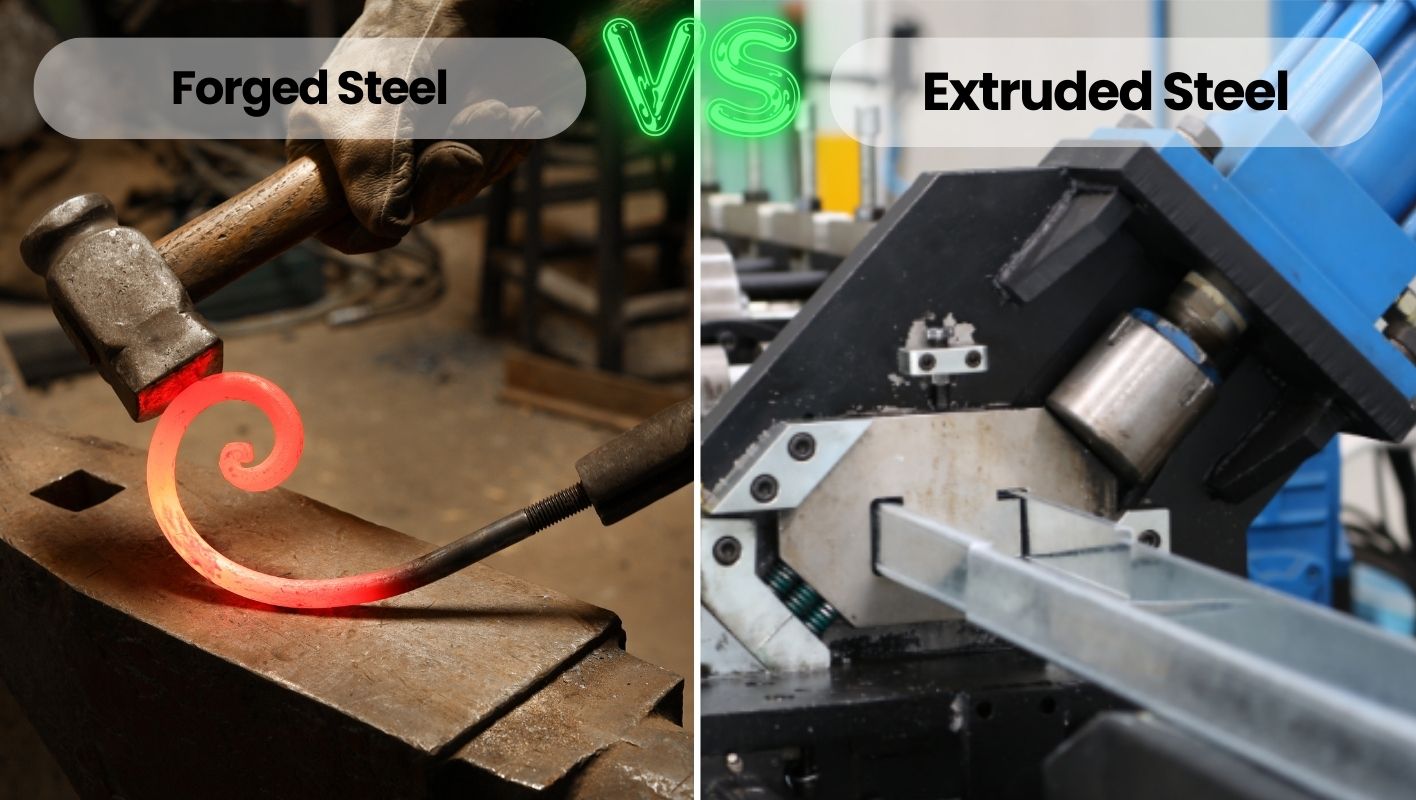
Forged steel is all about compressive forces shaping metal into something incredibly strong and durable. On the flip side, extruded steel involves pushing material through a die, perfect for crafting intricate and precise designs.
Once, I found myself standing in a bustling factory, the hum of machines around me. There, I witnessed firsthand the immense strength of forged steel, its power apparent as I watched metal transform under pressure. It was like witnessing a blacksmith’s ancient art brought to life with modern technology. In contrast, the precision of extruded steel caught my attention—an engineering marvel producing consistent, detailed designs by pressing metal through a die. These experiences taught me that choosing between these techniques isn’t just about strength or precision. It’s about understanding which method suits your project’s unique demands—be it cost-effectiveness, scalability, or eco-friendliness. Let’s dive deeper into how these methods compare.
Forged steel is generally stronger than extruded steel.True
Forging aligns the grain structure, enhancing strength and durability.
Extruded steel is ideal for complex, detailed designs.True
Extrusion allows precise shaping by pushing material through a die.
How Does the Forging Process Work?
Ever wondered how a piece of metal transforms into a vital part of your car engine? Let’s dive into the art and science of forging.
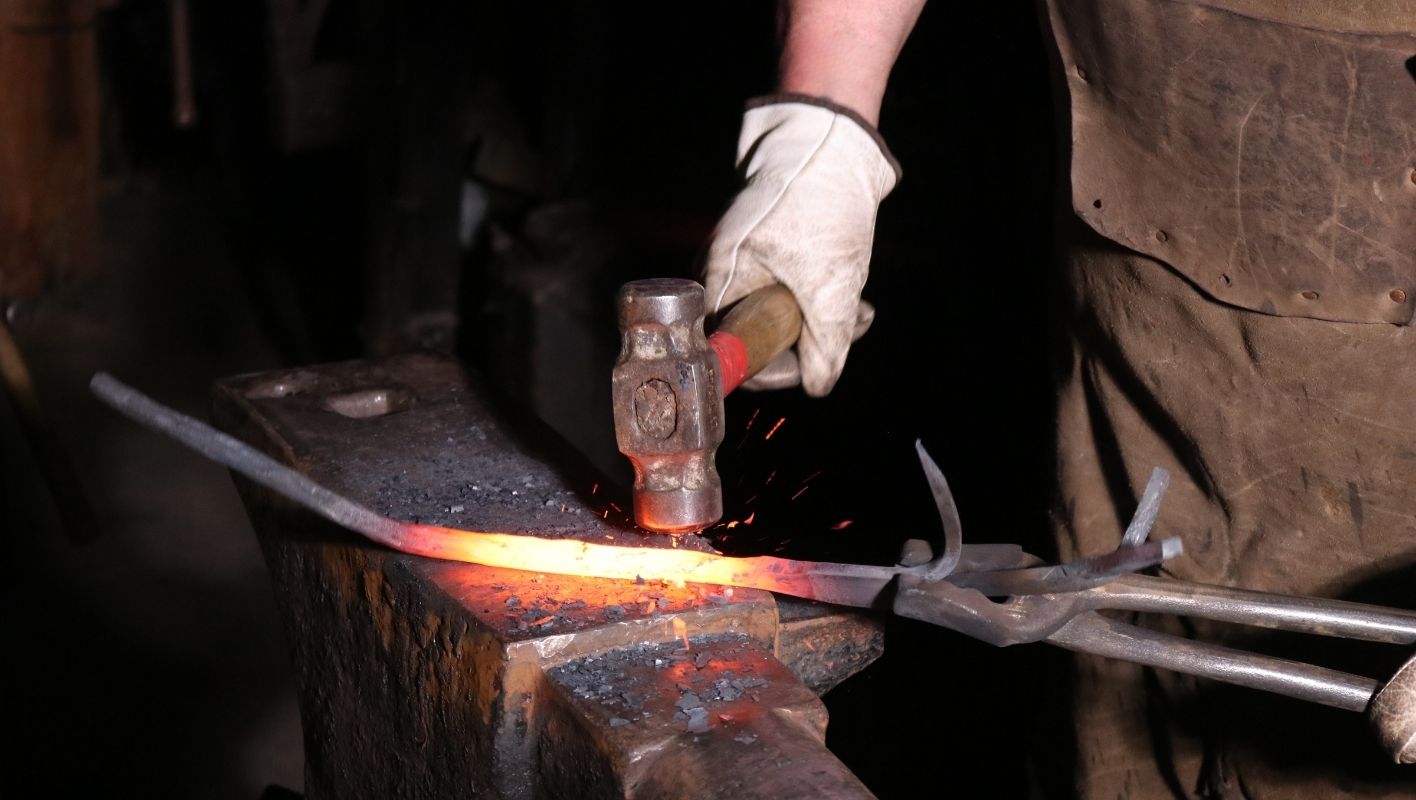
The forging process involves shaping metal using compressive forces, typically with hammers or dies. It includes hot, warm, and cold forging methods, each tailored to specific materials and applications.
Understanding the Basics of Forging
Forging has always fascinated me, like watching a blacksmith in action at a medieval fair when I was a kid. It’s essentially shaping metal by applying pressure, which strengthens the material by aligning its internal grains. Common metals like steel, aluminum, and titanium are ideal for forging because they can endure intense stress.
Types of Forging Processes
- Hot Forging: This reminds me of making pancakes on a hot griddle—you need to heat the metal above its recrystallization temperature. It makes the metal more pliable, but just like pancakes can burn if left too long, careful temperature control is crucial to prevent oxidation.
- Warm Forging: Picture kneading dough that’s just warm enough. Conducted at temperatures between room temperature and the recrystallization point, it provides a nice balance of formability and energy savings.
- Cold Forging: Ever tried to bend a paperclip? That’s cold forging—done at room temperature. It’s all about enhancing strength through strain hardening while being energy-efficient.
| Type | Temperature Range | Key Benefits |
|---|---|---|
| Hot Forging | Above Recrystallization | Improved ductility, reduced hardening |
| Warm Forging | Between Room & Recryst. | Balanced formability, less energy use |
| Cold Forging | Room Temperature | Increased strength, energy efficiency |
Steps in the Forging Process
- Heating: For hot and warm forging, think of it as preheating your oven before baking. Uniform heating ensures the metal’s properties are evenly distributed.
- Pre-forming: This step is like preparing cookie dough before cutting out shapes. Dies help create the initial form, getting the metal ready for the main event.
- Forming: Here’s where the magic happens—compressive forces shape the metal into its final form.
- Cooling: Just like cooling down after a workout, controlled cooling prevents internal stresses and distortions.
- Finishing: Finally, the forged part is machined to meet precise tolerances and industry standards like ISO 90011.
Advantages and Applications
The beauty of forged components lies in their superior mechanical properties, making them perfect for high-stress applications like automotive, aerospace, and industrial machinery. Whether it’s crankshafts, gears, or engine parts, these components need that enhanced strength and reliability.
Example: Forging a Crankshaft
Take a crankshaft—this complex piece undergoes hot forging due to its intricate geometry and strength requirements. Imagine heating steel billets and then placing them in dies where a hydraulic press shapes them through multiple strokes. Once forged, the crankshaft is cooled, finely machined to specifications, and rigorously inspected for quality assurance in line with EN standards2.
In today’s environmentally conscious world, adopting energy-efficient technologies and recycling scrap material are no longer optional—they’re essential. Modern forging facilities are embracing these sustainable practices to minimize environmental impact while meeting the rising demand for eco-friendly manufacturing solutions.
Forging increases metal strength by aligning grain structure.True
Forging aligns the metal's internal grain structure, enhancing strength.
Cold forging is conducted above recrystallization temperature.False
Cold forging is done at room temperature, not above recrystallization.
Why Choose Extrusion in Metal Processing?
Let me take you on a journey through the world of metal processing, where extrusion isn’t just a method—it’s a game-changer.
Extrusion in metal processing brings a host of benefits: it boosts material properties, ensures precise control, and is cost-effective. This process allows for intricate shapes, minimizes waste, and enhances surface finish, making it perfect for high-volume production.
Precision and Flexibility
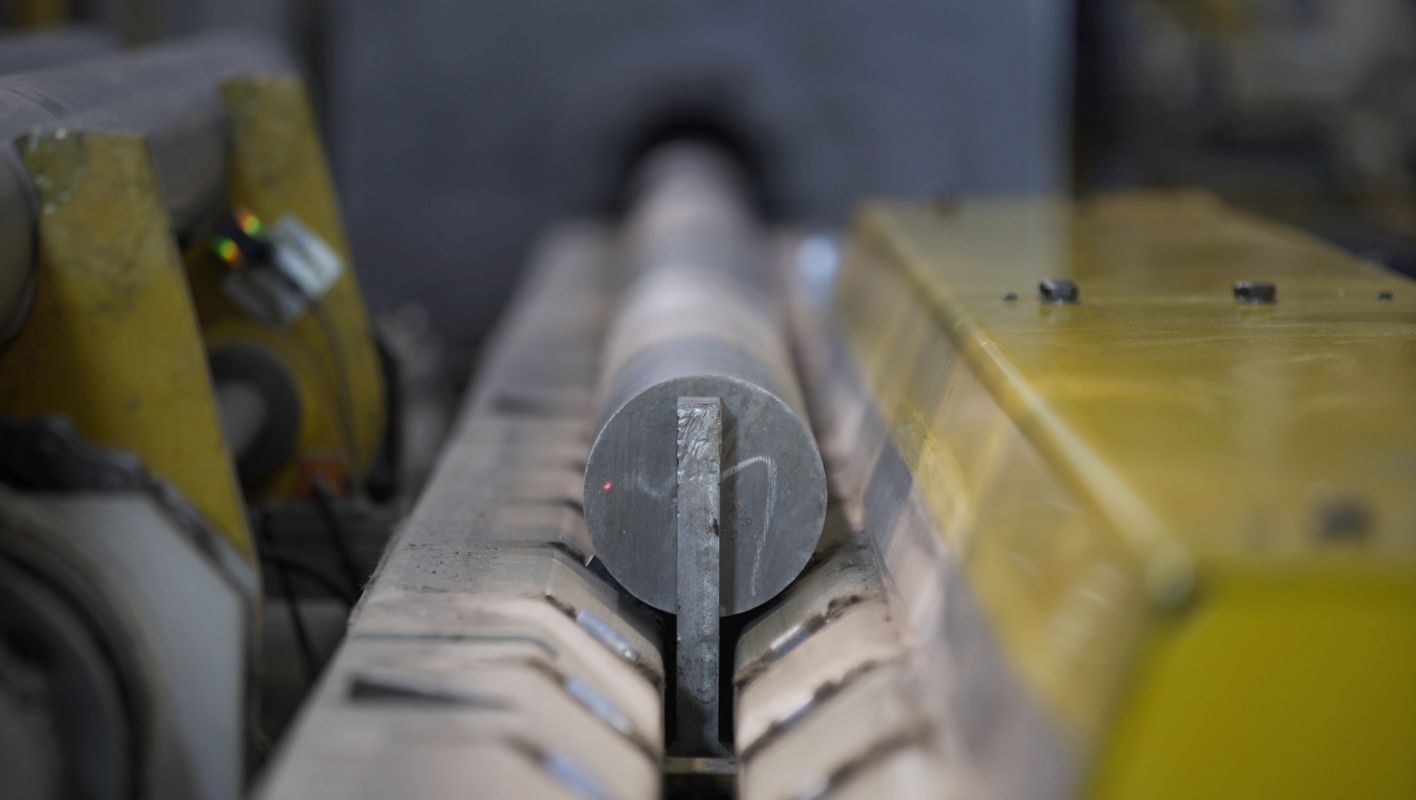
Imagine a world where metal isn’t just shaped—it’s crafted with precision and grace. That’s what extrusion does. It’s like sculpting with metal. By pushing metal through a die, we can create those complex cross-sections that are usually the stuff of dreams. I remember the first time I saw a metal piece emerge from the extrusion process; it was like watching art come to life, ready for the next step with barely any finishing touches needed.
| Advantages | Description |
|---|---|
| Precision | Achieve tight tolerances and intricate shapes |
| Flexibility | Adaptable to various metals and alloys |
Cost-Effectiveness
Extrusion is not just about efficiency—it’s about smart manufacturing. I often marvel at how it reduces material waste. Think about this: almost all of the input metal is used, leaving very little as scrap. This means more savings, and who doesn’t love cutting costs while being kinder to the planet? Plus, when compared to other methods like casting, extrusion uses less energy, making it a favorite in my book.
- Reduced Waste: Less scrap material
- Energy Savings: Lower energy consumption
Material Properties
One of the coolest things about extrusion is how it enhances material properties3. It aligns the grain structure, which boosts strength and durability—a must in fields like aerospace, where every ounce of material integrity counts. I’ve seen firsthand how this alignment transforms ordinary metals into superstars of strength.
Surface Finish and Customization
If you’ve ever run your fingers over a perfectly smooth metal surface, chances are, you’re feeling the magic of extrusion. This process naturally results in a superior finish, often negating the need for further polishing or refining. And let’s talk customization: whether you need something tailored to a unique application or a standard piece with a twist, extrusion offers custom solutions4 effortlessly.
- Superior Finish: Smooth surfaces
- Custom Solutions: Tailored to specific applications
In essence, by leveraging these advantages, manufacturers—myself included—can boost productivity, cut costs, and roll out high-quality components with ease. Extrusion’s versatility isn’t just valuable—it’s indispensable in today’s fast-paced manufacturing landscape.
Extrusion minimizes material waste in metal processing.True
The process uses nearly all input metal, reducing scrap.
Extrusion is less energy-efficient than casting methods.False
Extrusion consumes less energy compared to casting.
Which Method Offers Better Strength: Forging or Extrusion?
Remember when you first held a metal object and marveled at its strength? Choosing between forging and extrusion can bring back that awe.
Forging typically offers superior strength by aligning grain flow with the part’s shape, enhancing durability and resistance to fatigue. Extrusion provides uniform cross-sections and a smooth surface finish but may not match forging’s inherent strength.
Understanding Forging: An Overview
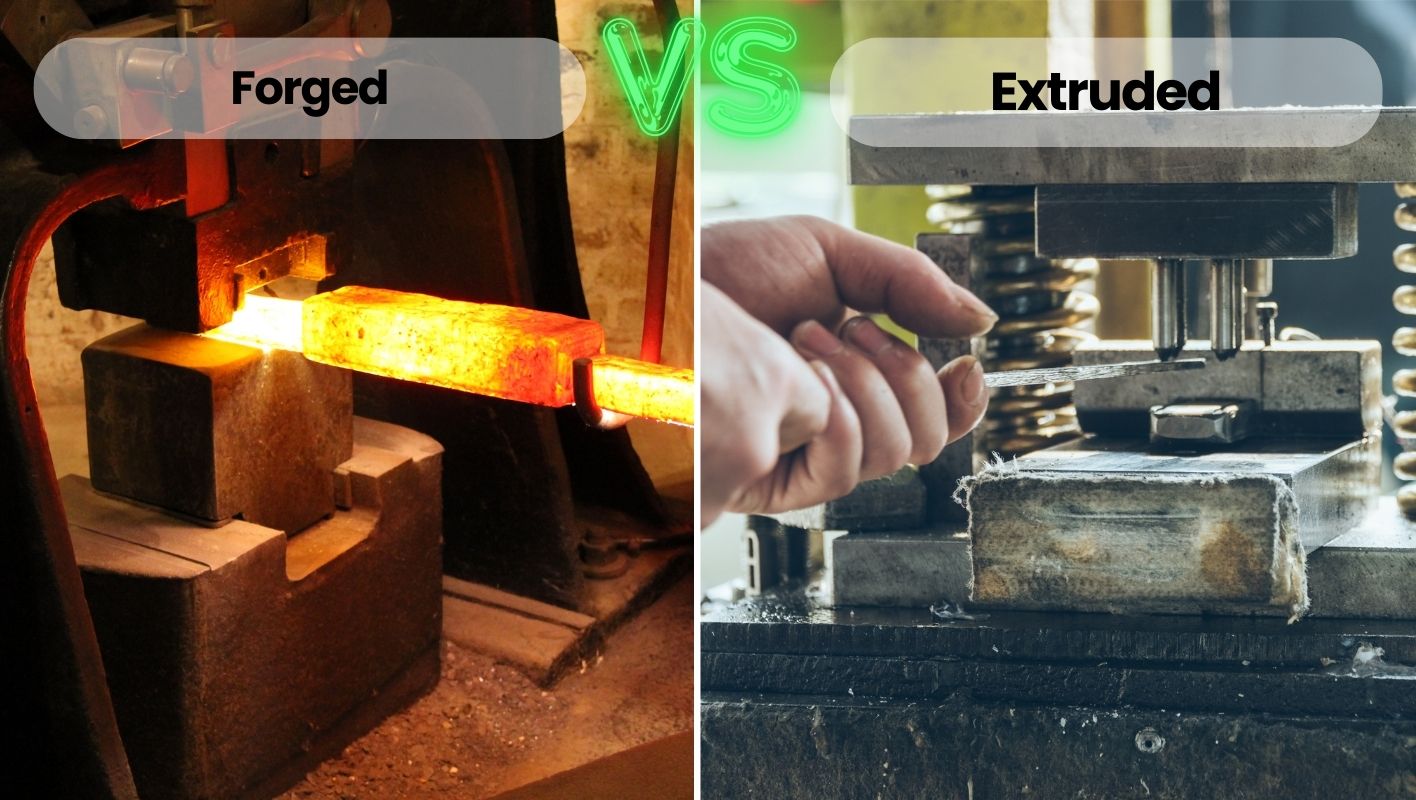
Let me take you back to my early days in the metal shop, where I first witnessed the magic of forging. Watching metal transform under immense pressure was like seeing a master sculptor at work. Forging involves reshaping metal by applying significant force, which aligns the grain structure to enhance its mechanical properties. This grain alignment is key to making forged parts5 incredibly resistant to wear and fatigue, perfect for those heavy-duty applications that demand exceptional durability.
| Pros of Forging | Cons of Forging |
|---|---|
| High strength | Higher cost |
| Grain alignment | Limited shapes |
| Durability | Longer lead time |
Examining Extrusion: The Process
I recall my first encounter with extrusion like it was yesterday—a seamless dance of metal flowing through a die, creating long, consistent forms. Extrusion excels at producing objects with uniform cross-sections and smooth finishes. While it may not provide the grain flow benefits of forging, it offers greater flexibility for more intricate designs than traditional forging techniques6.
Applications and Suitability
Forging shines in industries where unmatched strength is crucial, such as aerospace or automotive sectors. Think of components like crankshafts and connecting rods that need to withstand enormous pressures. Meanwhile, extrusion comes into play for crafting aluminum frames or pipes, where uniformity and precision are paramount.
Factors Influencing Decision-Making
When I’m faced with choosing between these methods, I consider a few key factors:
- Material Type: Some materials naturally lend themselves better to either forging or extrusion.
- Shape Complexity: For complex designs7, extrusion often takes the lead.
- Cost Implications: Forging can hit the wallet harder due to its tooling and energy needs.
- Production Volume: If you’re scaling up, extrusion might be your go-to for large runs.
Each method has its own set of strengths, and the right choice hinges on the specific needs of your project. By delving into both processes’ nuances, manufacturers can strike the perfect balance between performance and efficiency. I often suggest consulting with experts to pinpoint the best approach for your material and product needs.
Analyzing Strength Characteristics
The table below summarizes each method’s strength characteristics:
| Criteria | Forging | Extrusion |
|---|---|---|
| Grain Structure | Aligned | Non-Aligned |
| Tensile Strength | High | Moderate |
| Fatigue Resistance | Excellent | Good |
| Surface Finish | Moderate | Excellent |
Understanding these characteristics is crucial for aligning with your project goals and requirements. Weighing these factors carefully will help you make an informed decision regarding material selection and processing techniques.
In summary, while forging offers unparalleled strength thanks to its grain alignment, extrusion brings versatility and precision in shaping. The choice ultimately depends on your specific project needs, budget, and material considerations. Remember, choosing the right method is like finding the perfect tool for a job—it makes all the difference.
Forging offers better tensile strength than extrusion.True
Forging aligns the grain structure, enhancing tensile strength.
Extrusion provides better surface finish than forging.True
Extrusion creates smoother finishes due to its process nature.
How Do Forging and Extrusion Impact Material Costs?
Have you ever wondered how choosing between forging and extrusion can affect your bottom line? Let me share some insights.
Forging reduces material waste with precise shaping, while extrusion may incur higher initial costs due to die design but offers lower per-unit costs for large production runs.
Understanding the Basics of Forging and Extrusion
I remember the first time I walked into a metal processing factory. The rhythmic clanging of metal being forged was like a symphony of strength. Forging involves shaping metal with compressive forces, which not only enhances material strength but also minimizes waste. It’s like sculpting a masterpiece where each piece fits perfectly, leaving no excess.
Extrusion, on the other hand, feels like pushing playdough through a mold as a kid, but on a much larger scale. Metal is pushed through a die, allowing for complex cross-sections. It’s an amazing process but comes with its own set of challenges, particularly in the form of higher initial expenses due to those intricate die designs.
Material Efficiency and Waste Reduction
When I first learned about the efficiency of forging, it was like discovering a secret hack. Forging molds metal closely to its final shape, which means less waste – crucial when you’re working with expensive materials like titanium8. It’s a process that makes every gram count and really speaks to the resourceful engineer in me.
| Process | Material Waste | Strength |
|---|---|---|
| Forging | Low | High |
| Extrusion | Moderate | Variable |
Initial Costs vs. Long-Term Savings
I once faced a tough decision: invest in the costly dies required for extrusion or stick with forging? The initial costs in extrusion can be daunting, primarily because of die creation. But once you’ve made that investment, extrusion can churn out a high volume of parts efficiently, decreasing per-unit costs over time. It’s the kind of long-term strategy that pays off when you’re thinking big.
Impact on Final Product Pricing
For folks like John, who are deeply entrenched in procurement, understanding these nuances is crucial. It’s about more than just numbers; it’s about aligning with your production strategy and meeting your end-use requirements. Forging offers superior mechanical properties while extrusion is often more cost-effective for bulk production of parts with complex geometries.
When deciding between these two processes, consider:
- Volume: Larger production runs naturally favor extrusion9.
- Material Strength: Critical applications might necessitate forging10.
- Complexity: For intricate shapes, extrusion techniques shine.
Choosing the right method is like solving a puzzle – it requires evaluating your specific needs and maybe even consulting with experts. The right choice not only helps you optimize material costs but also ensures you meet quality standards and production demands.
Forging reduces material waste more than extrusion.True
Forging molds metal closely to its final shape, minimizing waste.
Extrusion has lower initial costs than forging.False
Extrusion's initial costs are higher due to intricate die designs.
Conclusion
Forged steel offers superior strength through grain alignment, while extruded steel excels in precision and intricate designs. The choice depends on project requirements, costs, and material considerations.
-
Explore how ISO 9001 standards ensure quality control in forged products. ↩
-
Learn about EN standards which define manufacturing quality across Europe. ↩
-
Discover why extrusion is vital for aerospace applications due to its ability to enhance material strength. ↩
-
Learn about how customization in extrusion meets specific industrial needs efficiently. ↩
-
Discover why forged parts are preferred for high-strength applications through detailed advantages and insights. ↩
-
Explore how different forging techniques compare with extrusion in terms of complexity and cost. ↩
-
Learn how complex designs are achieved in metal processing and which methods best accommodate these designs. ↩
-
Learn why titanium’s high cost influences decisions in processes like forging, where material conservation is key. ↩
-
Discover why extrusion is preferred for large-scale manufacturing, impacting long-term cost efficiency. ↩
-
Understand the benefits of forging, especially in applications requiring high strength and low waste. ↩






