 Skip to content
What Sizes Does Brass Pipe Come In?

Understanding the different sizes of brass pipes is crucial for successful plumbing and construction projects. Measured by diameter and wall thickness, these pipes range from 1/8 inch to 6 inches, accommodating both residential and industrial needs. Accurate measurements are essential to prevent leaks and ensure compatibility with fittings. Tools like calipers and pipe gauges help determine outer diameter (OD) and wall thickness, allowing users to consult sizing charts for precise identification. Thicker pipes offer enhanced durability and pressure handling but can be more expensive. This guide provides insights into measuring techniques, common sizes, applications, and considerations for selecting the right brass pipe size based on project requirements.
AWI Specs for Floor Variance: What You Need to Know
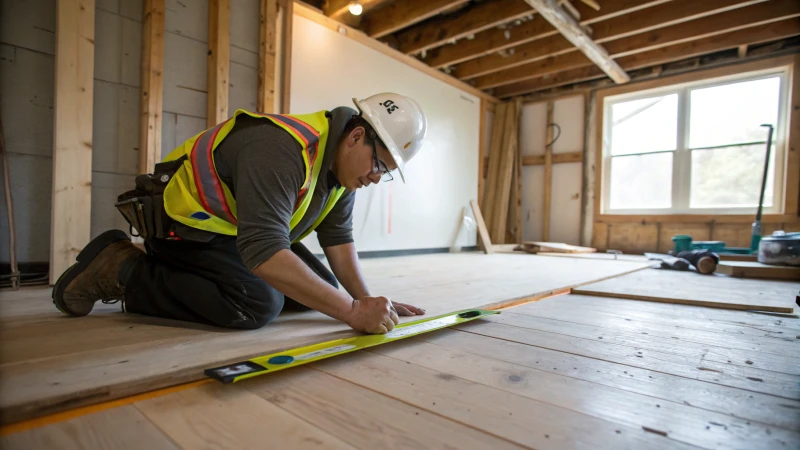
Understanding AWI specifications for floor variance is crucial for achieving high-quality woodwork. These guidelines establish acceptable deviations in flooring, ensuring durability and aesthetic appeal while preventing future structural issues. This post explores the importance of adhering to AWI standards, the benefits of compliance, and common challenges faced during implementation. From managing uneven subfloors to controlling moisture levels, learn how to navigate these hurdles effectively. By investing in quality materials and skilled labor, you can enhance project outcomes and client satisfaction while maintaining industry standards. Discover practical solutions to overcome challenges and ensure your woodworking projects meet AWI requirements for lasting quality.
Do You Have to Agitate a Concrete Foundation?
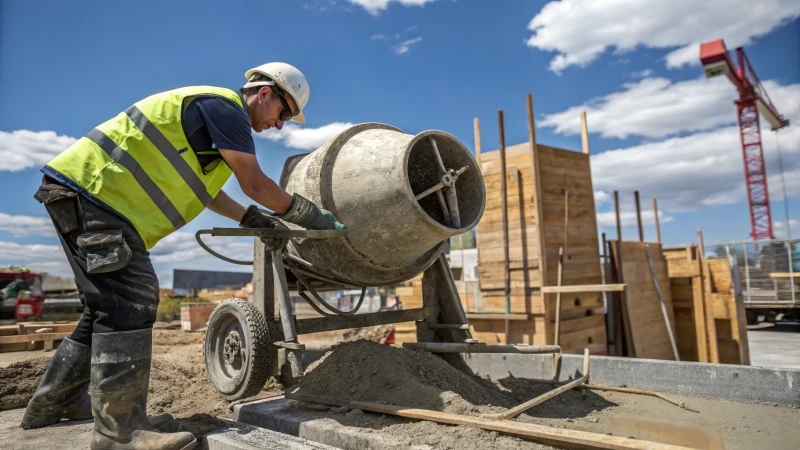
Agitation is a crucial step in pouring concrete foundations. It eliminates air pockets and ensures an even mix distribution, which enhances the strength and stability of the structure. Skipping this process can lead to weak spots, increased cracking, and overall compromised integrity of the foundation. Proper agitation techniques involve using tools like mechanical vibrators to achieve uniformity in the mix. Understanding the balance between insufficient and excessive agitation is vital for optimal results. This guide provides insights into best practices for agitation, types of mixers available, DIY considerations, safety precautions, and expert tips to ensure successful concrete foundation projects.
What Does UPS Mean in Ceramic Tile?
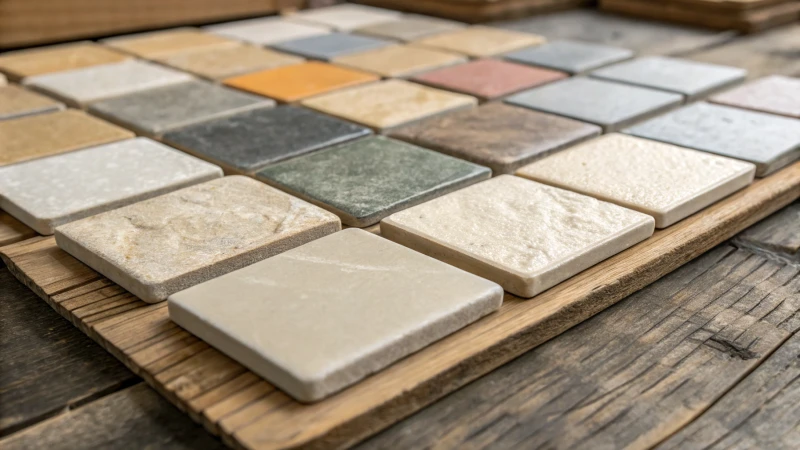
UPS tiles, or Unpolished Surface tiles, provide a matte finish that enhances grip and reduces slip risk. They are durable and easy to maintain, making them perfect for high-traffic areas such as kitchens and bathrooms. Their eco-friendly qualities further elevate their appeal for sustainable building practices. With a variety of colors and textures available, UPS tiles offer versatility in design while ensuring safety and longevity. Understanding the benefits of UPS tiles can help you make informed decisions when selecting materials for your renovation or construction projects.

