
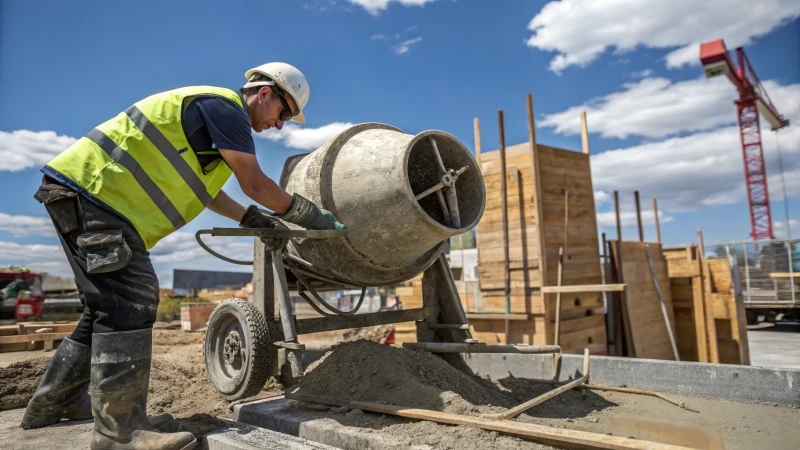
Building a rock-solid foundation isn’t just about mixing concrete; it’s about getting the details right.
Yes, you need to agitate a concrete foundation to eliminate air pockets and ensure even mix distribution, enhancing the structure’s strength and stability.
I’ll never forget the first time I oversaw a foundation pour. I was eager, but a bit green, and assumed pouring was the main event. It wasn’t until my mentor stepped in, showing me how agitation transforms a slab from good to great, that I understood its magic. Agitating the mix isn’t just a step—it’s the heartbeat of the process. This simple yet essential action ensures every inch of your foundation holds strong, resisting the stress of time and weather. Let’s dive into why this step is non-negotiable for anyone serious about quality construction.
Agitation removes air pockets in concrete.True
Agitation helps eliminate air pockets, ensuring a denser, stronger mix.
Concrete foundations don't require agitation.False
Agitation is essential for even mix distribution and structural integrity.
What Happens If You Don’t Agitate Concrete?
Remember the time you tried baking a cake without mixing the batter properly? Concrete’s kind of like that.
If you skip agitating concrete, you’re essentially leaving it with trapped air and poor consolidation, which leads to weaker structures and a higher risk of cracking and defects. Proper agitation is crucial for uniformity and strength in the finished product.
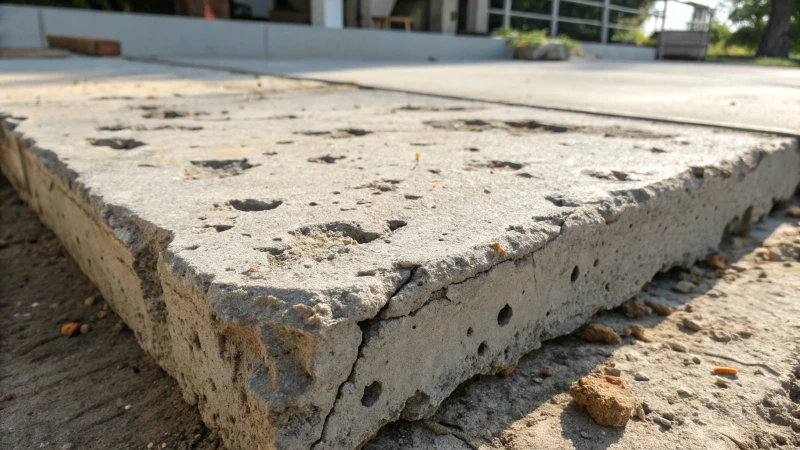
Understanding Concrete Agitation
I once watched a rookie mistake unfold on a job site, where a team poured concrete without bothering to agitate it. Think of concrete agitation like giving your mix a good shake or a vigorous stir—it’s essential during pouring. This process eliminates those pesky air pockets and ensures everything in the mix spreads out evenly. It’s like smoothing out the batter for a cake, ensuring no clumps and an even texture, which makes the density of concrete1 much more robust.
The Consequences of Skipping Agitation
Air Pockets and Voids
Once, on a different project, I saw firsthand what happens when air gets trapped in concrete—those little pockets create voids that reduce the overall strength. These voids can seriously mess with the structural integrity, especially if your project is supposed to bear heavy loads.
| Defect | Impact |
|---|---|
| Air Pockets | Reduced load-bearing capacity |
| Cracking | Aesthetic and structural concerns |
Increased Cracking
Skipping this crucial step increases the likelihood of cracks. Not only do these cracks ruin the surface look, but they also let moisture sneak in, speeding up deterioration through nasty freeze-thaw cycles.
Best Practices for Agitation
I’ve learned over the years that using proper tools and techniques is non-negotiable. Mechanical vibrators are your best friends here; they ensure the concrete is thoroughly consolidated. These devices help reduce air content2 and promote uniformity in the mix.
Addressing Concerns with Contractors
If you’re spotting issues with freshly poured concrete, improper handling could be to blame. Don’t hesitate to chat with your contractor about their methods to ensure proper consolidation. Insist on adherence to industry standards to ward off future problems.
For detailed guidance on industry standards, you might want to check out construction best practices3. They offer valuable insights into proven techniques that ensure quality outcomes in concrete work.
Skipping agitation causes concrete to crack.True
Without agitation, air pockets form, increasing cracking risk.
Agitation decreases concrete's load-bearing capacity.False
Proper agitation enhances concrete's density and strength.
How Does Agitation Affect Concrete Strength?
Ever wondered how the right mix can make or break a construction project?
Agitation impacts concrete strength by affecting how aggregates, cement, and air pockets are mixed. Proper agitation ensures even distribution, boosting strength, while too much can lead to weak spots.
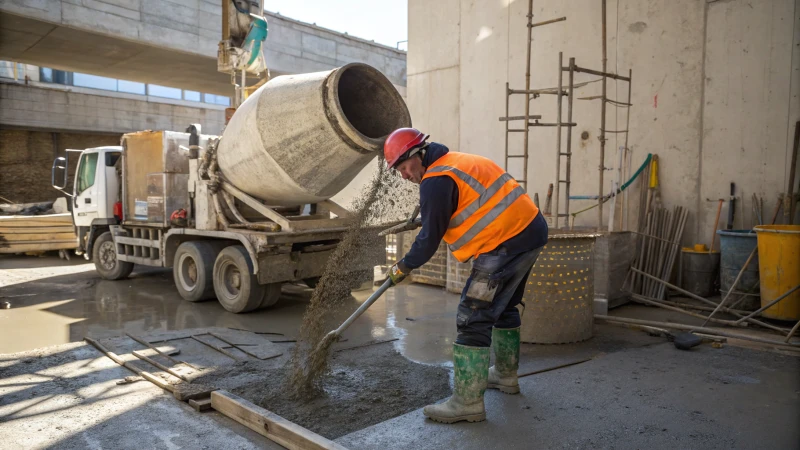
The Role of Agitation in Concrete Mixing
When I first started dabbling in construction, I learned the hard way just how crucial agitation4 is in concrete mixing. It’s all about getting that perfect blend of cement, water, and aggregates, like baking a cake where every ingredient must be just right. Without enough mixing, you end up with uneven concrete that’s weaker than it should be.
Effects of Excessive Agitation
On the flip side, I once went overboard trying to ensure every speck was mixed. The result? Over-agitation led to segregation5, creating uneven surfaces and air pockets that compromised the integrity of the concrete. It’s like whipping cream too much until it curdles—finding that sweet spot is key.
| Agitation Level | Effect on Concrete |
|---|---|
| Insufficient Agitation | Poor uniformity, reduced strength |
| Optimal Agitation | Uniform mix, maximized strength |
| Excessive Agitation | Segregation, weakened concrete |
Balancing Agitation for Optimal Results
Striking the right balance in agitation is essential, something I learned through trial and error (and a few too many late-night research sessions). Using advanced mixing technologies6 has been a lifesaver, helping achieve that perfect mix without the hassle of segregation or air entrapment. They ensure consistency and strength, two things every project manager dreams of.
Impact of Agitation on Air Content
Controlling air content is another lesson I’ve picked up along the way. Proper agitation can make sure it’s just right—too much air can weaken the structure, like adding too much yeast to bread dough. This fine-tuning ensures durability and workability by maintaining appropriate compressive strength7.
Practical Considerations for Construction Projects
In my experience, understanding agitation nuances is vital for any construction project. You’ve got to consider factors like mixer type, speed, and duration to hit that sweet spot. Following industry guidelines has saved me from many headaches and helped deliver high-strength concrete that stands the test of time by employing optimal mixing strategies8.
By focusing on these aspects, I ensure that structures are built to last, adhering to safety standards and project specifications. It’s all about mastering the art—and science—of concrete mixing.
Excessive agitation causes air entrapment in concrete.True
Over-mixing can trap air, creating voids that weaken concrete.
Optimal agitation reduces the strength of concrete.False
Proper mixing ensures uniformity, maximizing concrete strength.
What Tools Are Used for Agitating Concrete?
When it comes to mixing concrete, having the right tools is like having a secret recipe for success. Ever wondered what goes into getting that perfect blend?
To agitate concrete effectively, I rely on tools like drum mixers, hand mixers, and pan mixers. Each offers unique benefits suited for various project needs and scales.
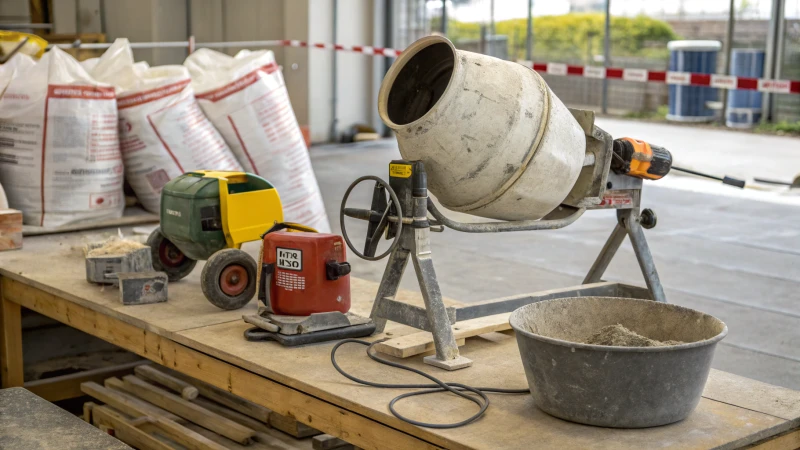
Types of Concrete Mixers
Drum Mixers
I remember the first time I used a drum mixer; the sheer efficiency was mesmerizing. It’s like watching a symphony of concrete blending before your eyes. These mixers are perfect for large-scale projects, thanks to their rotating drum that ensures even mixing. Plus, they’re portable—ideal when you need to move around a construction site.
- Advantages: High capacity, portable, efficient.
- Ideal for: Large residential or commercial projects.
Pan Mixers
If you’ve ever needed a mix so consistent it feels like magic, then pan mixers are your go-to. I’ve found them invaluable for projects demanding high-quality mixes. With their stationary drum and rotating paddles, they deliver that perfect blend every time.
- Advantages: Consistent mixing, high-quality output.
- Ideal for: Projects needing homogeneous mixtures.
Hand Mixers
For those smaller, more personal projects, hand mixers have been my trusted companion. They’re simple to use and don’t require a team to operate—just me and my imagination creating something from nothing. They’re budget-friendly and can easily handle smaller tasks.
- Advantages: Easy to use, cost-effective, portable.
- Ideal for: Small-scale DIY projects.
| Mixer Type | Capacity | Ideal Projects |
|---|---|---|
| Drum Mixer | High | Large residential/commercial |
| Pan Mixer | Medium | High-quality mix requirements |
| Hand Mixer | Low | Small-scale DIY |
Additional Tools for Concrete Agitation
There are times when just mixing isn’t enough. That’s where additional tools come in handy:
-
Concrete Vibrators
- I’ve learned that using concrete vibrators is essential for eliminating those pesky air bubbles in freshly poured concrete, resulting in a dense and durable finish. They come in varieties like internal and surface vibrators.
- Learn more about concrete vibrators9.
-
Power Trowels
- For that impeccable finish, power trowels are my secret weapon. They smooth and level the surface after pouring—an absolute must for any perfectionist like me.
- Explore how power trowels work10.
Each tool plays a pivotal role in achieving the desired properties of concrete. Whether ensuring consistency with mixers or attaining a flawless finish with trowels, choosing the right tool is crucial for success. Understanding these tools empowers us to make informed decisions that align with our project needs.
Drum mixers are ideal for small DIY projects.False
Drum mixers are suited for large-scale projects, not small DIY tasks.
Concrete vibrators remove air bubbles from poured concrete.True
Concrete vibrators ensure a dense finish by eliminating air bubbles.
Can You DIY Concrete Foundation Agitation?
Ever find yourself knee-deep in a DIY project, wondering if you can tackle concrete foundation agitation on your own?
Yes, you can DIY concrete foundation agitation, but it takes precision and the right tools. You’ll need to meticulously mix the concrete, remove air bubbles with a vibrator, and ensure a consistent finish for lasting structural integrity.
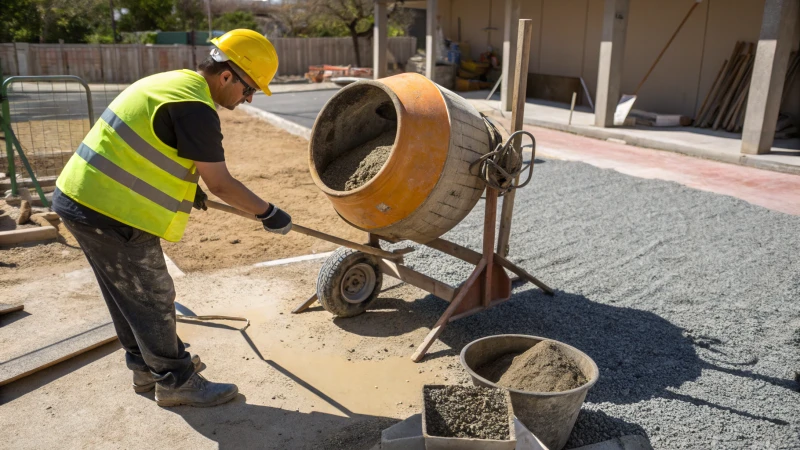
Understanding Concrete Foundation Agitation
I remember the first time I considered tackling concrete foundation agitation myself. The stakes felt high—get it right, and you’ve got a solid foundation; get it wrong, and you’re left with weak spots or cracks that could haunt you. This process is all about ensuring the concrete mix is well-combined, free of air bubbles, and uniformly set. Using tools like vibrators or mixing paddles11 becomes essential as the concrete is poured.
If you’re like me, with a background in construction12, you’ll know how critical these nuances are. Even minor errors can lead to significant structural issues.
Tools Required for DIY Agitation
When I started, investing in the right tools felt like preparing for battle. Here’s what I found indispensable:
| Tool | Purpose |
|---|---|
| Concrete Vibrator | Removes air pockets for denser concrete |
| Mixing Paddle | Ensures uniform distribution of aggregates |
| Trowel | Helps smooth out the surface |
Renting these tools can be a game-changer for your project’s outcome.
Safety Precautions and Techniques
Handling concrete is no joke—I learned this the hard way. Always suit up with protective gear like gloves and goggles to fend off skin irritation or injury. When using a vibrator13, make sure it’s submerged in the concrete to avoid messy splatters.
Maintaining a steady rhythm is crucial. Over-vibrating can lead to segregation of aggregates, while under-vibrating might leave air pockets. It’s all about balance.
Challenges You Might Face
Like any DIY venture, expect challenges. I faced uneven agitation initially, which threatened the structural integrity of my project. The key is consistency in method and pace. Brush up on troubleshooting techniques and don’t hesitate to consult a professional if you’re uncertain.
Keep an eye on the weather, too. Temperature swings can affect drying times and might necessitate adjustments in your approach.
Tips from the Experts
Experts recommend practicing on a small batch first—a tip I wish I’d followed sooner. It lets you get familiar with the equipment14 and spot any potential pitfalls without risking the entire foundation.
While DIY can be immensely satisfying, always weigh the risks against the rewards. Sometimes, consulting with a professional or working alongside one can enhance results and ensure safety compliance.
Concrete vibrators remove air pockets.True
Concrete vibrators are designed to eliminate air pockets, ensuring denser concrete.
Over-vibrating concrete prevents segregation.False
Over-vibrating actually causes segregation of aggregates, weakening the mix.
Conclusion
Agitating a concrete foundation is essential to eliminate air pockets, ensure even mix distribution, and enhance structural strength, preventing cracking and ensuring durability over time.
-
Learn how density impacts concrete strength and durability. ↩
-
Discover effective methods to minimize air content in concrete mixes. ↩
-
Explore standardized methods for optimal concrete pouring results. ↩
-
Discover why proper agitation ensures uniformity and strength in concrete by understanding its role in mixing. ↩
-
Learn about how segregation affects concrete surfaces and structural integrity, impacting overall performance. ↩
-
Explore cutting-edge technologies that ensure uniform mixing, improving concrete strength and quality. ↩
-
Understand how controlling air content during mixing can enhance compressive strength and durability. ↩
-
Gain insights into effective strategies to optimize mixing processes for better structural outcomes. ↩
-
Discover the different forms of concrete vibrators and how they enhance concrete quality by removing air bubbles. ↩
-
Understand the function of power trowels in achieving smooth concrete surfaces after pouring. ↩
-
Discover how mixing paddles enhance concrete uniformity during agitation. ↩
-
Learn how construction knowledge aids in successful DIY concrete projects. ↩
-
Find out safe practices for using a concrete vibrator effectively. ↩
-
Explore necessary equipment for tackling DIY concrete foundation tasks. ↩






