
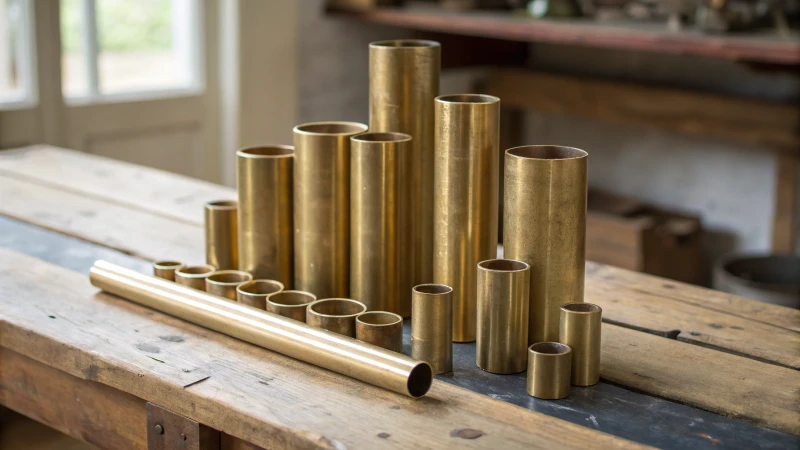
Navigating the world of brass pipes can feel like a puzzle, but knowing your size options is key to success.
Brass pipes come in various sizes, typically measured by diameter and wall thickness in both inch and millimeter dimensions. These sizes range from small diameters for home plumbing to larger ones for industrial use. Choosing the correct size ensures a proper fit and functionality in any system.
When I first delved into selecting the right materials for a construction project, I was overwhelmed by the sheer variety of brass pipe sizes. It felt like trying to find a needle in a haystack! But understanding the intricacies of these dimensions is crucial. So, in this post, we’ll break down the world of brass pipe sizes, guiding you through charts and specifications. By the end, you’ll feel confident in choosing the perfect fit for your project’s needs.
Brass pipes are suitable for industrial applications.True
Larger diameter brass pipes are used in industrial applications.
Brass pipes are only available in inch dimensions.False
Brass pipes are available in both inch and millimeter dimensions.
How Do You Measure Brass Pipe Size?
Ever struggled with finding the perfect fit for your brass pipes? Measuring them accurately can save you from a plumbing nightmare!
To measure brass pipe size, I determine the outer diameter (OD) and wall thickness using a caliper or pipe gauge, then compare these measurements to a sizing chart for precise identification.
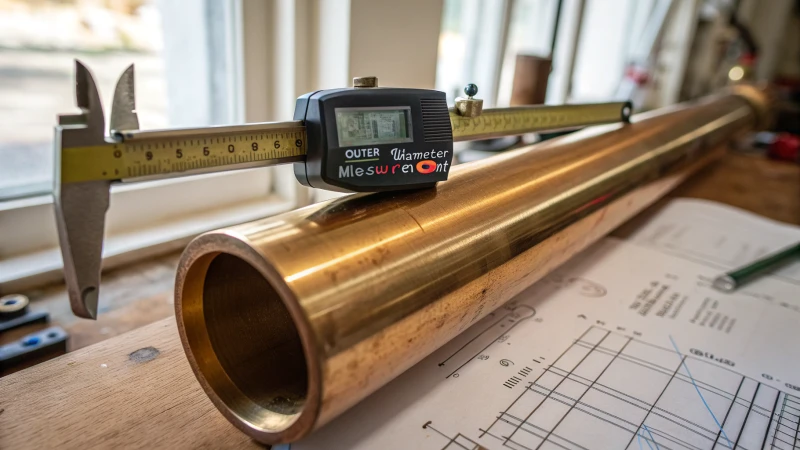
Understanding Pipe Dimensions
Let me tell you, brass pipes are like the unsung heroes in plumbing. Their durability and resistance to corrosion make them my go-to choice. But getting the measurements right is crucial. I once tried to eyeball it, thinking I could skip the measuring step—big mistake! Ended up with leaks everywhere. Lesson learned: always measure both the outer diameter (OD) and the wall thickness.
Tools You’ll Need
- Caliper: This nifty tool measures the OD of the pipe. It’s a lifesaver, providing an accurate measurement that you can easily compare with pipe sizing charts1.
- Pipe Gauge: For wall thickness, a pipe gauge is your best friend. It even measures the internal diameter (ID), which is vital for knowing the pipe’s capacity and pressure rating.
Measuring the Outer Diameter (OD)
- Use the Caliper: Position the caliper around the brass pipe and tighten it until it fits snugly.
- Read the Measurement: Make sure you’re reading it at eye level for accuracy—this is where I used to mess up by not double-checking.
- Consult a Sizing Chart: Compare your measurement with a standard pipe size chart2 to confirm the pipe size.
Determining Wall Thickness
- Use a Pipe Gauge: Insert the gauge into one end of the pipe.
- Record the Thickness: Note down the thickness displayed on the gauge.
- Cross-Reference: Use this thickness measurement along with your OD to determine the exact size from a pipe sizing reference guide3.
Importance of Accurate Measurements
Accurate measurements aren’t just about avoiding leaks—they ensure compatibility with fittings and keep your system running efficiently. Trust me, mismatched pipes can lead to costly repairs and downtime, something I learned the hard way!
| Measurement | Tools Required | Why It Matters |
|---|---|---|
| Outer Diameter | Caliper | Ensures correct fitting and connection |
| Wall Thickness | Pipe Gauge | Determines pressure capacity |
By following these steps and using the right tools, you can effectively measure brass pipes for any project. Always refer to professional resources or consult an expert if unsure about your measurements.
Additional Resources
For more detailed guidance, consider checking out resources that provide comprehensive pipe measurement techniques4. They can offer insights into advanced methods and considerations for various types of piping systems.
A caliper measures the inner diameter of brass pipes.False
A caliper measures the outer diameter, not the inner diameter.
Accurate pipe measurement prevents leaks and compatibility issues.True
Correct measurements ensure proper fitting, preventing leaks and mismatches.
What Are the Standard Brass Pipe Sizes?
Remember when you tried fixing a leaky faucet and got lost in a maze of pipes? Understanding brass pipe sizes might just be the key to mastering those DIY or professional plumbing projects.
Standard brass pipe sizes, measured by their internal diameter (ID) and wall thickness, typically range from 1/8 inch to 6 inches. This variety allows them to fit seamlessly into various plumbing and construction applications.
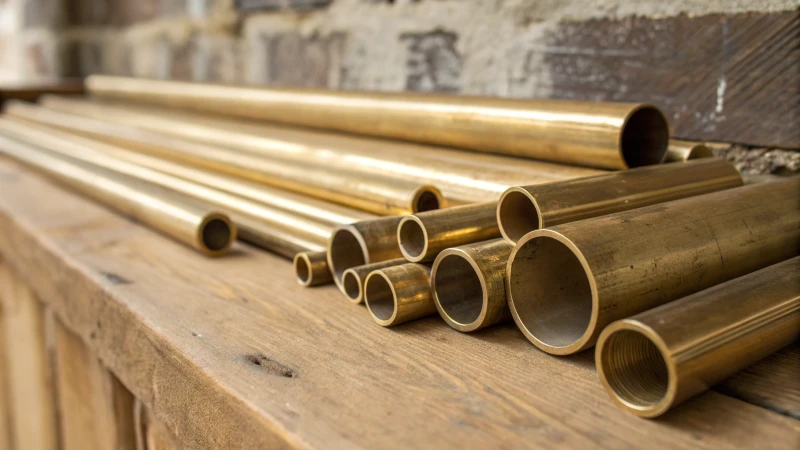
Common Brass Pipe Sizes
I remember the first time I was handed a box of brass pipes. I felt like I was holding the keys to some hidden kingdom of construction. These pipes are a staple because they’re tough and rust-resistant, perfect for anything from fixing a kitchen sink to building a skyscraper.
Brass pipes commonly range from 1/8 inch to 6 inches in diameter, which means they can fit into almost any project you can think of. Here’s a quick breakdown:
| Nominal Size (inches) | Outer Diameter (OD) – inches | Wall Thickness – inches |
|---|---|---|
| 1/8 | 0.405 | 0.049 |
| 1/4 | 0.540 | 0.065 |
| 1/2 | 0.840 | 0.083 |
| 3/4 | 1.050 | 0.109 |
| 1 | 1.315 | 0.133 |
These sizes mean that whether you’re working on a simple home repair or a massive commercial project, you can count on these pipes to maintain pressure and flow just as needed in various plumbing systems5.
Applications and Considerations
Think about those hot summer days when you just want to turn on the AC. Brass pipes play a crucial role in heating and cooling systems because they handle high temperatures like a pro.
And if you’re like me, always worrying about rust ruining everything, you’ll appreciate brass’s resistance to corrosion6. It’s why I always opt for them in water supply lines.
Choosing the right size is vital, though. For instance, if you’re planning a long pipeline, going for a larger diameter pipe can save you from unnecessary pressure loss, especially in those big commercial settings where every detail counts.
Conversion Between Inches and Millimeters
I’ve had my fair share of headaches trying to convert measurements on the fly, especially when dealing with international projects. Here’s a handy table that makes those conversions easier:
| Nominal Size (inches) | Equivalent Size (mm) |
|---|---|
| 1/8 | 3.18 |
| 1/4 | 6.35 |
| 1/2 | 12.7 |
| 3/4 | 19.05 |
| 1 | 25.4 |
Having this info at your fingertips can ensure that your projects meet global standards and that your materials fit perfectly wherever they’re being shipped, ensuring material compatibility7 across different standards.
Brass pipes are corrosion-resistant.True
Brass is known for its resistance to rust and corrosion.
Standard brass pipe sizes range from 1/8 to 6 inches.True
Common brass pipe sizes vary between 1/8 inch and 6 inches.
Why Does Brass Pipe Thickness Matter?
Ever wondered how something as simple as brass pipe thickness could make or break your project? Let’s explore its hidden strengths and quirks!
Brass pipe thickness plays a pivotal role in performance by impacting durability, pressure handling, and corrosion resistance. Thicker pipes generally provide greater strength and longevity but can be more expensive and challenging to install.
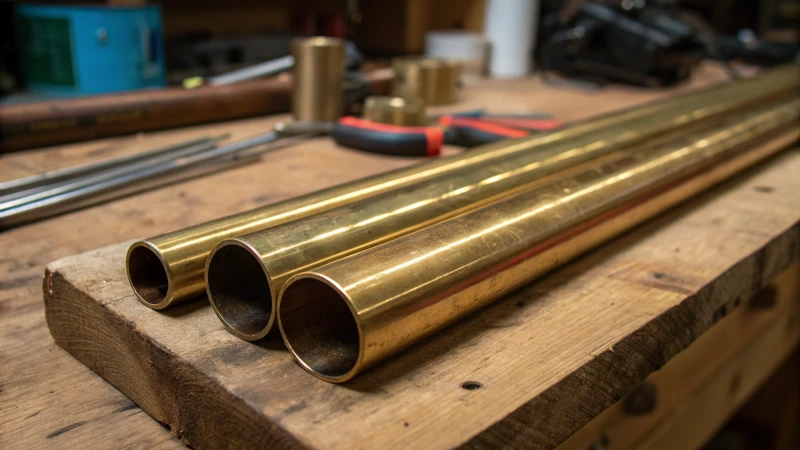
Importance of Brass Pipe Thickness
The thickness of a brass pipe determines its ability to withstand internal and external pressures. I remember the first time I realized just how crucial this could be. It was during a particularly challenging installation at a commercial site. We were using pipes that were slightly thinner than recommended, thinking it would save time and money. But boy, did it backfire! The pipes struggled under pressure, leading to unexpected leaks and costly repairs.
From that day on, I became a firm believer in the mantra that thicker pipes are often the unsung heroes of high-pressure applications8, standing strong where it truly counts.
| Pipe Thickness | Application Suitability |
|---|---|
| Thin | Low-pressure systems |
| Medium | Residential plumbing |
| Thick | Industrial settings |
Durability and Longevity
In my experience, opting for thicker brass pipes has saved countless headaches down the line. These pipes are like the heavyweight champions in the world of plumbing—they endure the knocks and bumps that come with installation and everyday use. In industrial environments9 where machinery and tools constantly threaten to cause damage, the robustness of thicker brass pipes is invaluable.
Corrosion Resistance
You might think all brass pipes resist corrosion equally, but here’s a secret: thickness matters here too! A thicker pipe offers more material to fend off corrosive elements, preserving its integrity even in the harshest conditions. It’s like having an extra layer of armor against the elements.
Considerations for Selection
Choosing the right brass pipe isn’t just about grabbing the thickest one off the shelf. Think about your specific needs. While thicker pipes excel in performance, they also bring additional weight and complexity in installation. I’ve learned that weighing these factors carefully against project requirements is key to making smart choices.
Understanding these nuances can guide you in choosing the right pipe thickness to align with your project requirements.
Cost Implications
There’s no denying it—thicker pipes cost more. I recall a project where our budget was tight, and we had to justify every extra dollar spent on thicker materials. In retrospect, the decision paid off with fewer maintenance issues and a longer lifespan for the system.
| Factor | Cost Impact |
|---|---|
| Material | Higher for thicker pipes |
| Installation | More complex for thick |
The trade-off often boils down to balancing immediate costs against long-term benefits. And trust me, when you consider potential savings on repairs and replacements, investing in thicker pipes can be a wise move.
These considerations highlight the importance of evaluating both immediate and long-term needs when deciding on appropriate brass pipe thickness for your application.
Practical Applications
In residential plumbing, I’ve found medium-thickness pipes to be perfectly adequate, managing water pressure and flow without over-engineering the system. But when handling industrial setups, I don’t hesitate to recommend thicker pipes for enhanced safety10 in terms of reliability.
By understanding how pipe thickness affects performance across these dimensions, you can ensure your system runs smoothly whether you’re installing anew or maintaining existing infrastructure.
Thicker brass pipes are more resistant to bursting.True
Thicker pipes withstand higher pressures, reducing burst risk.
Thin brass pipes are ideal for industrial applications.False
Industrial settings require thick pipes for high pressure and durability.
How Do You Choose the Right Brass Pipe Size for Your Project?
I remember my first big construction project and the panic of choosing the right brass pipe size. It felt like deciphering a complex puzzle, but with a bit of guidance, I cracked the code. Let me share how you can, too.
Choosing the right brass pipe size means considering application type, pressure needs, and flow rates. Use sizing charts and precise measurements to ensure efficiency and cost-effectiveness.
Understanding Brass Pipe Sizing
When I first started, brass pipes were a mystery to me. Their durability and resistance to corrosion11 made them essential in many of my projects. Learning about their sizing—both metric and imperial—was like unlocking a secret code. Here’s a snapshot to guide you:
| Pipe Size (inches) | Outer Diameter (mm) | Wall Thickness (mm) |
|---|---|---|
| 1/2" | 21.3 | 2.8 |
| 3/4" | 26.7 | 2.8 |
| 1" | 33.4 | 3.4 |
Consider the Application
I recall a project where selecting the wrong pipe thickness almost caused a disaster in a high-pressure system. The type of project can drastically impact your choice, be it for residential plumbing12, commercial infrastructures, or industrial uses. Each requires its own specific considerations.
Pressure and Flow Rate
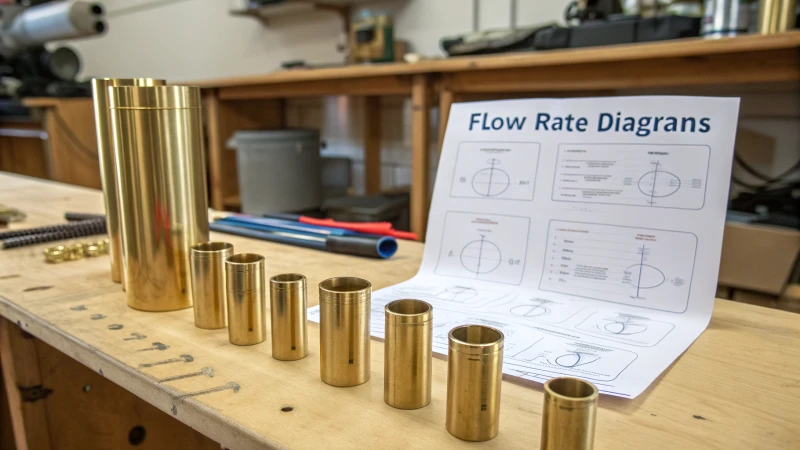
Every project has its unique pressure and flow rate needs. I once learned the hard way that a larger diameter pipe isn’t always necessary. Checking a flow rate guide13 is crucial to matching your project’s specifications and ensuring everything runs smoothly.
Measuring Techniques
Precision in measurement can’t be overstated—trust me, I’ve had my fair share of costly mistakes. Using a caliper to measure both the outer diameter and wall thickness ensures a perfect fit.
Sizing Charts
Sizing charts became my best friend once I understood them. They simplify the selection process by providing an overview of standard sizes, tailored to your project’s needs.
By keeping these factors in mind, you can confidently choose the ideal brass pipe size for your project, ensuring efficient flow and minimizing the risk of leaks.
Brass pipes are only measured in metric units.False
Brass pipes are measured in both metric and imperial units.
Thicker walls are needed for high-pressure systems.True
High-pressure systems require thicker walls to prevent pipe failure.
Conclusion
Brass pipes come in various sizes, typically measured by diameter and wall thickness. Accurate measurements ensure proper fit and functionality for plumbing and industrial applications.
-
Reviewing standard charts helps confirm accurate pipe dimensions, ensuring compatibility with fittings. ↩
-
Consulting size charts aids in identifying precise pipe dimensions, critical for proper installation. ↩
-
Cross-referencing guides ensures correct wall thickness measurements for reliable system performance. ↩
-
Explore advanced measurement techniques to enhance understanding of different piping systems. ↩
-
Learn about why brass pipes are preferred in plumbing for their durability and efficiency. ↩
-
Discover how brass pipes offer superior resistance to rust compared to other materials. ↩
-
Ensure your projects meet international standards with compatible materials. ↩
-
Discover how brass pipes perform under high pressure and why thickness matters in these settings. ↩
-
Learn about the durability of brass pipes in demanding industrial settings and how thickness enhances resilience. ↩
-
Understand how thicker brass pipes contribute to improved safety in plumbing systems. ↩
-
Brass pipes offer superior durability and resistance to corrosion, ideal for long-lasting installations. ↩
-
Understanding residential plumbing needs helps tailor pipe selection for efficiency and cost-effectiveness. ↩
-
Knowing how to calculate flow rates ensures you choose the correct pipe size for optimal performance. ↩






