
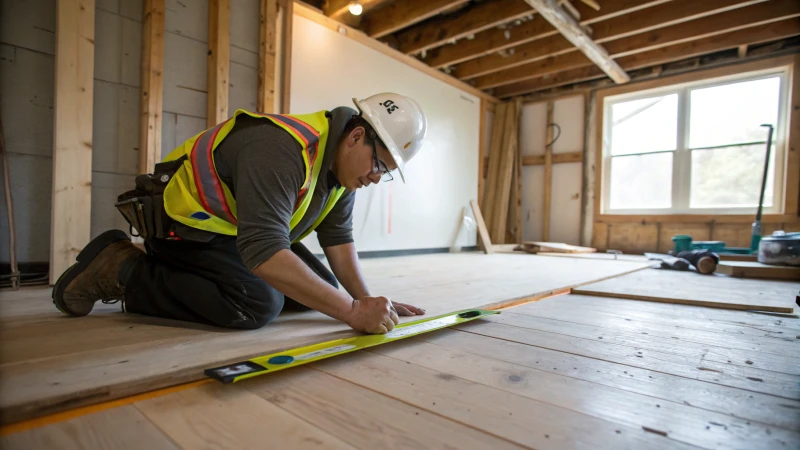
Ever felt the frustration of meeting those nitpicky floor variance specs? You’re not alone.
AWI specifications for floor variance are meticulous guidelines that establish acceptable deviations in floor surfaces during woodworking and construction projects. These standards guarantee high-quality finishes and proper installation, which are vital for preventing future structural issues.
I remember the first time I had to ensure a project’s floors met the AWI specs. It was like walking a tightrope. On one hand, there was the pressure to maintain the highest quality, and on the other, the need to avoid any costly rework. In this post, I’m diving deep into these standards because understanding them isn’t just about compliance—it’s about ensuring your project stands tall and strong long after completion. Let’s break down these specs and see how they can enhance the longevity and sustainability of your work.
AWI specs allow 1/4 inch floor variance over 10 feet.True
AWI guidelines specify a maximum deviation of 1/4 inch over a 10-foot span.
AWI standards are only applicable to residential projects.False
AWI standards apply to both residential and commercial woodworking projects.
How Do AWI Specifications Influence Construction Quality?
Ever wondered how those wooden masterpieces in architecture maintain such flawless quality?
AWI specifications are the gold standard for architectural woodwork, ensuring projects showcase top-notch craftsmanship and durability. By sticking to these benchmarks, we can enhance construction quality and extend the lifespan of our work.

The Role of AWI Specifications
I remember the first time I came across AWI specifications. It was during a particularly challenging project where nothing seemed to align perfectly. That’s when I realized the importance of having a reliable set of guidelines like those from the Architectural Woodwork Institute (AWI). These standards cover everything from the types of wood to use to how they should be installed, making sure every piece fits together seamlessly.
Key Components of AWI Standards
AWI standards have become my go-to reference, breaking down everything into manageable parts:
| Component | Description |
|---|---|
| Materials | Specifies types of wood and finishes to be used. |
| Fabrication | Details on cutting, shaping, and joining wood pieces. |
| Installation | Guidelines for fitting woodwork into architectural spaces. |
Grasping these components is crucial for me because they ensure that my projects not only meet industry standards but also excel in quality.
Benefits of Adhering to AWI Specifications
From my experience, following AWI guidelines yields numerous benefits:
- Enhanced Durability: Choosing the right materials and techniques has significantly prolonged the life of the woodwork in my projects.
- Aesthetic Appeal: There’s nothing like the satisfaction of seeing a beautifully crafted project come together, meeting client expectations.
- Quality Assurance: With these standards in place, I’ve found my projects pass inspections with flying colors, resulting in happier clients.
For anyone diving into Exploring AWI1 standards, the positive impact on construction quality is evident.
Challenges in Implementing AWI Standards
However, it hasn’t always been smooth sailing:
- Cost Implications: I’ve had to weigh the benefits against the higher costs of premium materials and skilled labor.
- Training Needs: Ensuring everyone on the team understands and implements AWI standards has required dedicated training sessions.
- Consistency Maintenance: Keeping a uniform quality across various projects demands meticulous planning and execution.
Despite these challenges, I believe the long-term advantages2 far outweigh the initial hurdles. Learning from other successful construction projects3 has offered valuable insights and inspiration.
AWI standards ensure woodwork durability.True
AWI guidelines specify materials and techniques that enhance longevity.
Adhering to AWI increases project costs significantly.True
High-quality materials and skilled labor aligned with AWI can raise costs.
What Are the Common Challenges in Meeting AWI Floor Variance Standards?
Navigating the world of AWI floor variance standards is like balancing on a tightrope—challenging yet crucial for quality woodwork.
Challenges in meeting AWI floor variance standards often stem from uneven subfloors, installation errors, and moisture issues, which can disrupt compliance and compromise woodwork quality.
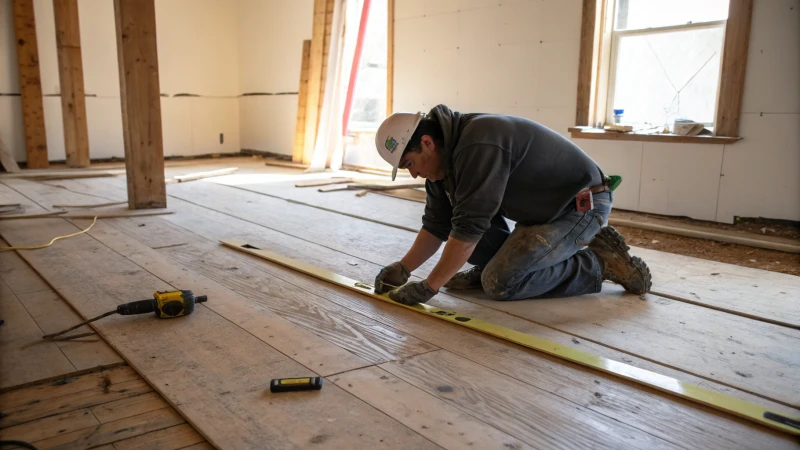
Uneven Subfloors: A Major Hurdle
I remember walking into a job site one morning and feeling a bit like a tightrope walker as I stepped across the floors. It was my first big project as a lead, and boy, was I about to learn a lot. Uneven subfloors are one of those issues that can sneak up on you if you’re not careful. They’re like the pesky little sibling always causing chaos when you least expect it.
| Common Causes | Solutions |
|---|---|
| Poor leveling during construction | Use of self-leveling compounds |
| Shifting foundations | Regular inspections and adjustments |
I found that using self-leveling compounds became my go-to solution, smoothing out the bumps and giving us a level surface to work with. Those regular inspections? They became a non-negotiable routine, helping us catch any foundational shifts before they turned our floors into a rollercoaster.
Installation Errors: Precision Matters
Then there was that time the crew rushed through an installation. I had to learn the hard way that cutting corners just doesn’t pay off. Improper installation techniques can throw everything out of whack, making the floor look like it’s playing a game of connect-the-dots gone wrong.
Proper installation practices4 became our mantra. I invested in skilled labor and emphasized training, ensuring every piece of flooring was laid with precision and care.
The Role of Moisture Control
And let’s not forget about moisture control. Oh, the battles with humidity! I’ve seen perfectly good wooden floors swell up like they’ve had too much to drink, all because we underestimated the power of moisture.
| Moisture Sources | Mitigation Strategies |
|---|---|
| High humidity levels | Use of dehumidifiers |
| Water leaks | Regular maintenance checks |
Dehumidifiers became our best friends, and regular maintenance checks turned into a lifesaver, preventing those dreaded water leaks from turning our projects into swimming pools. It’s all about understanding these challenges and tackling them head-on to meet those AWI floor variance standards with confidence.
Uneven subfloors cause AWI non-compliance.True
Uneven subfloors can lead to warped flooring, failing AWI standards.
Moisture control is irrelevant to AWI standards.False
Excess moisture can warp floors, affecting AWI compliance.
How Can You Ensure Compliance with AWI Floor Tolerances?
Ever found yourself knee-deep in a project, only to realize you’re not quite sure if everything’s up to spec? That’s where I found myself with AWI floor tolerances.
To ensure compliance with AWI floor tolerances, I’ve learned to meticulously follow the Architectural Woodwork Institute’s standards, use precise measurement tools, and keep a close eye on alignment throughout the installation process.
Understanding AWI Floor Tolerances
I remember when I first dove into the world of architectural woodwork. Understanding the nuances of AWI floor tolerances felt like unraveling a mystery. These guidelines from the Architectural Woodwork Institute are crucial for achieving that impeccable finish and ensuring structural integrity. They dictate the acceptable variance in flatness and levelness, and trust me, getting it right is a game-changer for both aesthetics and durability.
Tools for Measuring Compliance
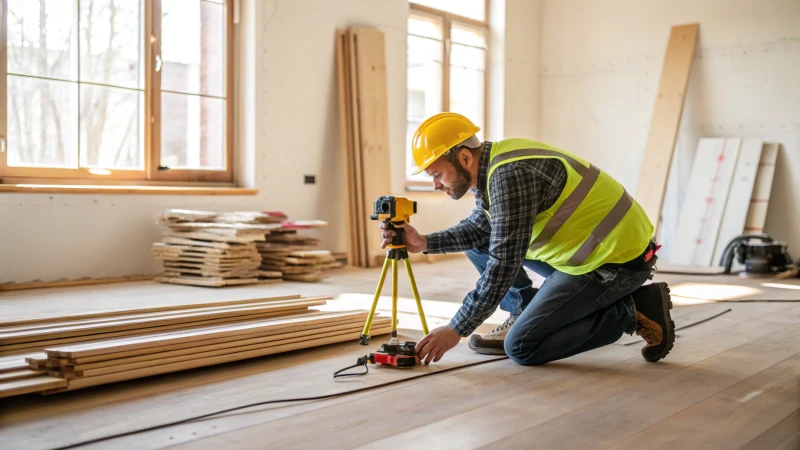
One thing I’ve learned the hard way is the importance of precise measurements. Investing in tools like laser levels and digital calipers has been a lifesaver. These gadgets not only help ensure floors are level and meet thickness requirements but also boost my confidence during installations. Implementing a quality control checklist5 during installation can also aid in maintaining standards.
| Tool | Purpose |
|---|---|
| Laser Level | Ensures floor levelness |
| Digital Caliper | Measures precise thickness |
Maintaining Quality During Installation
I’ve found that regular checks during installation are non-negotiable. It’s all about comparing your progress with AWI standards consistently. I learned this lesson the hard way when a deviation almost led to a costly redo. Now, having a qualified team6 that knows these specifications inside out makes all the difference.
Importance of Regular Verification
Initially, I thought verification was just for the installation phase, but I soon realized its long-term importance. Changes in building conditions or environmental factors can affect wood flooring over time. By continuously monitoring compliance with AWI standards, I can ensure that quality and integrity are maintained for years to come.
Investing in training sessions or workshops has also proven invaluable. The right training programs7 not only offer insights into best practices but also keep me updated on emerging technologies that make compliance easier. Embracing these nuances of AWI floor tolerances ensures that my projects not only meet industry standards but also achieve the desired finish and functionality.
AWI guidelines only apply to wood flooring.False
AWI guidelines cover various aspects of architectural woodwork, not just flooring.
Regular checks prevent costly corrections in flooring.True
Consistent checks ensure compliance with standards, avoiding expensive fixes.
Why Are AWI Standards Essential for Project Success?
I remember my first woodworking project vividly; the smell of sawdust, the feel of the grain under my fingers, and the lesson I learned about the importance of standards.
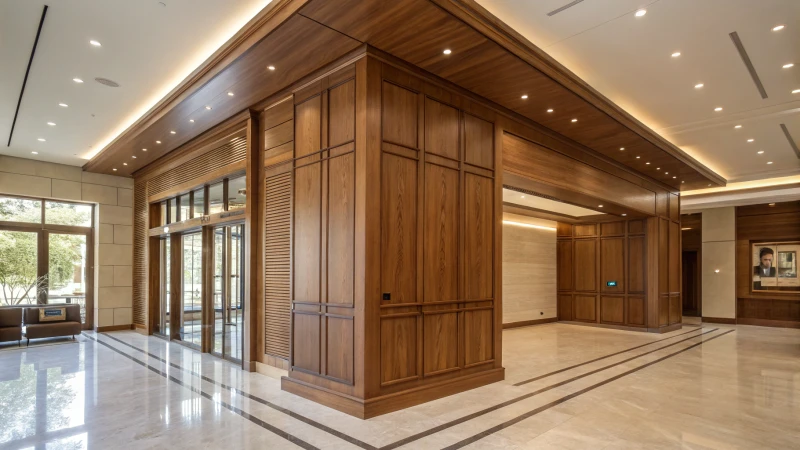
AWI standards ensure top-notch architectural woodwork by providing detailed guidelines on materials, construction, and finishes. By adhering to these standards, projects maintain integrity, enhance their look, and fulfill client expectations.
Understanding AWI Standards
When I first delved into woodworking, I was amazed by the depth of knowledge required. The AWI sets benchmarks that touch on everything from material selection8 to construction techniques9, ensuring that every project achieves a level of excellence. These guidelines guarantee that the materials we use are up to the task, offering durability and a polished finish that stands the test of time.
Key Benefits of Compliance
Following AWI standards isn’t just about ticking boxes—it’s about consistency across every phase of a project. I’ve seen firsthand how this consistency reduces rework and cuts down on waste, which in turn optimizes costs. More importantly, it transforms a project’s aesthetic appeal, ensuring we exceed client expectations and leave a lasting impression.
Ensuring Quality Assurance
Aligning with AWI guidelines has been my go-to strategy for demonstrating a commitment to quality. It’s like having a badge of honor that boosts client confidence and bolsters our reputation in the industry. Plus, it significantly lowers the risk of missing regulatory requirements10, something that could derail even the best-laid plans.
Challenges and Solutions
Of course, embracing AWI standards comes with its own set of challenges. I remember grappling with budget constraints and technical complexities on several projects. But solutions are always within reach. Prioritizing critical areas or engaging skilled professionals can make a world of difference. Here’s a quick guide:
| Challenge | Solution |
|---|---|
| Budget Constraints | Prioritize critical areas first |
| Technical Complexity | Engage skilled professionals |
| Supply Chain Limitations | Opt for certified suppliers |
Future Trends in AWI Standards
The world of woodworking is constantly evolving, and so are AWI standards. Staying informed about these updates is crucial for keeping a competitive edge. I’ve found that engaging with resources such as industry seminars11 can be incredibly insightful. Being proactive about compliance not only tackles potential challenges but also opens doors to growth and innovation in our projects.
AWI standards reduce project rework and wastage.True
Compliance with AWI standards ensures consistency, minimizing errors and material waste.
AWI standards are optional for woodworking projects.False
While not legally mandatory, adherence is critical for quality assurance and reputation.
Conclusion
AWI specifications for floor variance ensure high-quality woodwork by outlining acceptable deviations, enhancing durability, aesthetics, and compliance in construction projects while addressing challenges like uneven subfloors and moisture control.
-
Learn more about the specific guidelines outlined by the AWI that ensure superior construction quality. ↩
-
Explore why using AWI specifications can lead to better project outcomes. ↩
-
See how real-world construction projects benefit from implementing AWI guidelines. ↩
-
This link provides detailed guidance on best installation practices, reducing errors, and ensuring compliance with AWI standards. ↩
-
Explore this resource to learn how to develop an effective checklist to maintain compliance with AWI standards during installation. ↩
-
Understand the key skills and qualifications necessary for a team responsible for installing compliant wood flooring. ↩
-
Discover recommended training programs that provide comprehensive understanding of AWI guidelines and their application. ↩
-
Explore detailed AWI material selection guidelines to ensure high-quality materials for your projects. ↩
-
Discover AWI-approved construction techniques to enhance durability and craftsmanship. ↩
-
Learn about regulatory requirements to ensure your projects meet legal standards. ↩
-
Attend industry seminars for the latest updates on AWI standards and trends. ↩






