
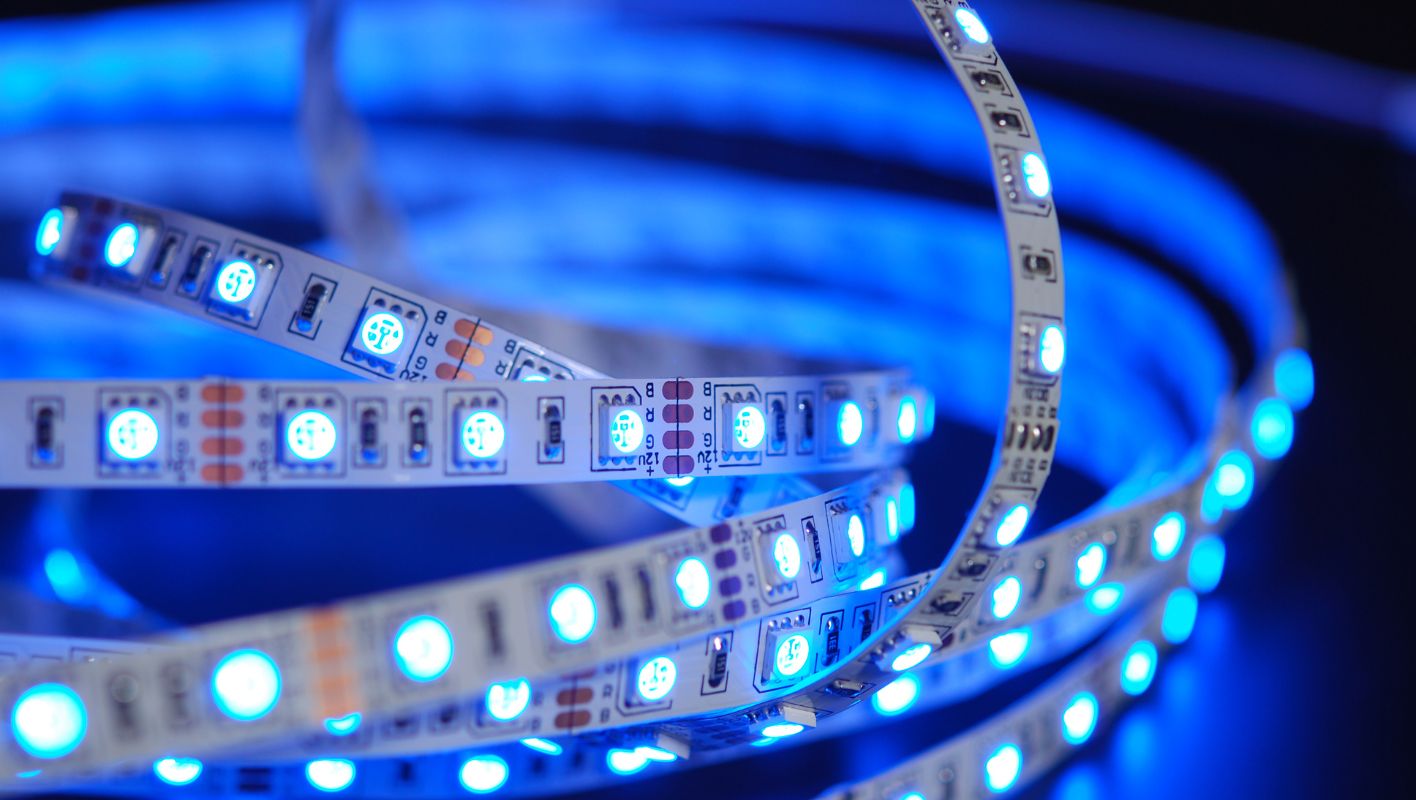
Lighting can change everything about a room’s vibe, but picking the right LED color temperature is key.
3000K LED lights emit a warm, cozy glow perfect for relaxing in living rooms or bedrooms. In contrast, 4000K lights offer a crisp, neutral white that’s great for focused tasks in kitchens or workspaces. Both have unique impacts on mood and practicality, shaping your environment in distinct ways.
It’s like choosing between a warm hug and a refreshing splash of clarity. Let me dive into how I’ve used these lights in my own home and the surprising ways they’ve influenced everything from my productivity to the ambiance during family dinners. Understanding these subtleties can make all the difference in crafting spaces that feel just right.
4000K LED lights enhance focus in kitchens.True
4000K lights provide a neutral white light, ideal for focus.
3000K LED lights are ideal for workspaces.False
3000K lights are better for cozy settings like living rooms.
How Does Color Temperature Influence Mood and Ambiance?
Ever walked into a room and instantly felt calm or energized? It’s amazing how light can shape our mood and space.
Color temperature affects mood by mimicking the natural spectrum of light. Warm tones offer a sense of coziness, while cool tones boost alertness. Adjusting these can elevate mood and set the right ambiance for any setting.
Understanding Color Temperature
I remember when I first learned about color temperature. It was during my early days in lighting design, and it blew my mind how the warmth or coolness of a light could transform an entire room’s feel. Color temperature, measured in Kelvin (K), describes the hue of a specific type of light source. Lower Kelvin numbers give us warm, yellowish light (2700K-3000K), perfect for creating cozy corners where you want to curl up with a book. In contrast, higher numbers bring cool, bluish light (5000K-6500K) that’s ideal for keeping us alert and focused.
- Warm Light: This warm, inviting glow, ranging from 2700K to 3000K, is something I’ve often used in residential settings1 like living rooms and bedrooms. It’s like wrapping your space in a comforting blanket.
- Cool Light: On the flip side, the energizing vibe of cool light (5000K to 6500K) has been my go-to for work environments2, where concentration is key.
Mood and Psychological Effects
Lighting isn’t just about seeing clearly; it’s about feeling right. Imagine this: you’re winding down after a long day, and the warm lighting mimics the evening sun, helping you relax. On busy mornings, cool lighting, reminiscent of daylight, helps kick-start your day with a refreshing boost.
Table: Color Temperature Effects on Mood
| Temperature (Kelvin) | Type of Light | Associated Mood |
|---|---|---|
| 2700K – 3000K | Warm Light | Relaxation, Comfort |
| 3500K – 4100K | Neutral Light | Balance, Calmness |
| 5000K – 6500K | Cool Light | Focus, Alertness |
Practical Applications in Design
In my design projects, I’ve strategically used color temperature to craft moods. Warm lighting in restaurants can turn an ordinary meal into an intimate experience, while cool lighting in offices sharpens minds and boosts productivity. It’s like painting with light.
Modern solutions like tunable white technology3 let users adjust color temperatures on the fly, offering flexibility that’s both practical and personal.
The Role of Advanced Lighting Technologies
Thanks to modern LED systems, shifting between different color temperatures is easier than ever. Smart lighting systems can adjust automatically throughout the day, aligning with our natural rhythms to create an ambiance that feels just right.
When I think about innovative designs, I’m drawn to those that merge beauty with function. Customizable fixtures4 meet both mood and task lighting needs, enriching spaces in meaningful ways.
Understanding how color temperature affects mood and ambiance opens up endless possibilities for tailoring environments that are not just illuminated but come alive.
Warm light promotes relaxation and comfort.True
Warm light (2700K-3000K) creates a cozy, inviting atmosphere, enhancing relaxation.
Cool light is ideal for evening activities.False
Cool light (5000K-6500K) is energizing and better for morning activities, not evening.
Where Do 3000K LED Lights Shine Best?
Ever walked into a room and instantly felt at ease? That might just be the magic of 3000K LED lights!
3000K LED lights create a warm, welcoming glow that’s perfect for spaces like living rooms, dining areas, and bedrooms. They offer a soft, yellowish light that enhances relaxation and comfort, making them ideal for cozy environments.
Understanding 3000K LED Lights
Before we get into where to use these lights, let me explain what 3000K actually means. The ‘K’ stands for Kelvin, which is how we measure color temperature. So, when I talk about 3000K LED lights5, I’m referring to a warm white light that feels both cozy and inviting.
Ideal Applications for 3000K LED Lights
Living Rooms
Imagine coming home after a long day and sinking into your couch, bathed in the gentle glow of 3000K LEDs. That’s the kind of atmosphere these lights can create. I personally love using floor lamps6 or recessed lighting to make my living room the ultimate chill zone.
Dining Areas
Think about those intimate dinners where the mood is just right. 3000K LEDs are perfect for that warm setting, whether it’s a family dinner or a gathering with friends. A mix of pendant lights7 and chandeliers can really elevate your dining experience.
Bedrooms
For me, the bedroom is my sanctuary, a place to unwind and relax before bed. The soft warmth of 3000K LEDs helps create a calming environment. I often use wall sconces8 or bedside lamps to achieve just the right balance of light intensity and warmth.
Comparing 3000K with Other Color Temperatures
| Temperature (K) | Description | Best Used In |
|---|---|---|
| 2700K | Very Warm White | Bedrooms, Living |
| 3000K | Warm White | Dining, Living |
| 4000K | Neutral White | Kitchens, Bathrooms |
| 5000K+ | Daylight | Offices, Workshops |
Practical Tips for Implementation
- Layer Lighting: One trick I’ve learned is to layer different light sources like ceiling fixtures9 and table lamps to add depth to a room.
- Dimmer Switches: Installing dimmers was a game changer for me, letting me adjust light levels to suit my mood and activities.
- Energy Efficiency: I always go for LED lights with high energy ratings to keep electricity bills in check while maintaining brightness.
3000K LED lights are best for kitchens.False
3000K LEDs are better for living rooms and bedrooms, not kitchens.
3000K LEDs create a warm setting in dining areas.True
They emit a warm white light, perfect for intimate dining.
Where Should You Use 4000K LED Lights for Optimal Effect?
Ever wondered why 4000K LED lights seem to fit just right in almost any space?
4000K LED lights are perfect for areas needing balanced lighting, such as kitchens, offices, and garages. This neutral white light resembles natural daylight, boosting both focus and visibility without overpowering the senses.
Understanding 4000K LED Light Characteristics
Let me take you back to the time when I first experimented with 4000K LED lights in my own home. I remember standing in my kitchen, squinting under the old incandescent bulbs that seemed to cast more shadows than light. That’s when I decided to swap them for 4000K LEDs. The transformation was immediate and remarkable—it was like the room had woken up, energized and ready for action.
LED lights with a 4000K color temperature emit a neutral white light, often described as "cool white." This strikes a balance between10 the inviting warmth of lower temperatures (like 2700K) and the clinical crispness of higher temperatures (such as 5000K). This balance makes 4000K LEDs incredibly versatile, especially for areas where clarity and focus are paramount.
Ideal Areas for 4000K LED Usage
Reflecting on my experience, these lights have a special place in three areas:
- Kitchens: In my kitchen, 4000K lighting floods the room with bright yet non-intrusive light, making meal prep safe and enjoyable. No more struggling to see what I’m chopping or spilling ingredients because of shadowy corners.
- Offices: During late-night work sessions, I’ve found that this neutral white light reduces eye strain and keeps me alert without the harsh glare of cooler temperatures. It’s like having a personal productivity boost in bulb form.
- Garages: Whether tinkering with tools or organizing boxes, 4000K LEDs make my garage feel less like a cave and more like a functional workspace where I can see every detail clearly.
| Area | Benefit of 4000K LED Light |
|---|---|
| Kitchen | Enhances visibility for cooking |
| Office | Reduces eye strain, boosts focus |
| Garage | Improves visibility for precision |
Comparing 4000K with Other Color Temperatures
When choosing lighting, it’s essential to weigh how each color temperature influences a room’s feel and function.
- 3000K: Offers a cozy, warm ambiance—great for winding down in living rooms or bedrooms but perhaps too mellow for task-driven spaces.
- 5000K: Provides a sharp, bright light—ideal for settings requiring high visibility like examination rooms. However, it can feel too stark in homes.
By understanding these differences, you can determine if 4000K is your perfect match or if another temperature might better suit your needs. If you’re curious about more LED lighting applications11, tapping into expert advice or further research can illuminate your path to ideal lighting.
4000K LED lights are best for relaxing living rooms.False
4000K LEDs are better suited for task-oriented spaces, not relaxation.
4000K LED lights reduce eye strain in office settings.True
The neutral white light promotes alertness and reduces fatigue.
How Do 3000K and 4000K Compare to Other Color Temperatures?
Ever walked into a room and felt instantly at ease? Lighting might be why. Let’s explore how different color temperatures, like 3000K and 4000K, set the mood and function of your spaces.
3000K lighting offers a warm, inviting glow that’s perfect for cozy spaces like living rooms, while 4000K provides a balanced, neutral white that suits functional areas like kitchens. These options are softer than cooler temperatures like 5000K, which offer a more intense daylight feel.
Understanding Color Temperature
Color temperature plays a vital role in shaping how we feel in a space. I remember when I first switched my living room bulbs from a bright white to a warm 3000K; it felt like wrapping the room in a comforting blanket. Color temperature, measured in Kelvin (K), can transform an area from stark and clinical to cozy and inviting.
Here’s a simple table to illustrate:
| Color Temperature | Description | Ideal Use Case |
|---|---|---|
| 2700K – 3000K | Warm White | Living Rooms, Bedrooms |
| 3500K – 4100K | Neutral White | Kitchens, Bathrooms |
| 5000K – 6500K | Cool White/Daylight | Offices, Garages |
Comparing 3000K and 4000K
3000K Lighting: Think of it as your favorite sweater for your home—a soft, warm white light that makes you want to curl up with a good book. It’s perfect for those moments when you want to relax and unwind in spaces like living rooms or bedrooms.
4000K Lighting: This is your reliable go-to for when you need a bit more focus without the harshness. It strikes a balance between warm and cool, ideal for functional spaces12 where visibility is crucial but you don’t want to feel like you’re under a spotlight.
Higher Color Temperatures
5000K and Above: When I think of these cooler temperatures, I picture a bright, crisp morning light. Great for workspaces that require high focus, these lights mimic daylight and help keep you alert and on task.
Practical Applications
When it comes to setting the right mood in your home, consider what you want each room to convey:
- Warm White (3000K): Perfect for creating a relaxed vibe in lounges and bedrooms.
- Neutral White (4000K): Ideal for functional spaces13 where you need clarity without harshness.
- Cool White (5000K-6500K): Best for areas that demand alertness, like offices or garages.
Lighting isn’t just about visibility; it’s about crafting the perfect ambiance. Whether you’re designing a cozy nook or a focused workspace, understanding these nuances can make all the difference. To dive deeper into lighting design principles, explore more resources here14.
3000K lighting is ideal for kitchens.False
3000K is more suitable for living rooms and bedrooms, not kitchens.
5000K lighting mimics natural daylight.True
5000K and above provide a cool, crisp light similar to daylight.
Conclusion
3000K LED lights provide a warm ambiance ideal for cozy spaces, while 4000K LEDs offer neutral lighting perfect for task-oriented areas like kitchens and offices, enhancing mood and productivity.
-
Discover how warm lighting enhances comfort and relaxation in residential settings. ↩
-
Explore why cool lighting is optimal for improving focus and alertness in work environments. ↩
-
Learn about the advantages of tunable white technology in creating adaptable lighting environments. ↩
-
Understand how customizable fixtures offer tailored lighting solutions for various ambiance needs. ↩
-
Learn about the Kelvin scale and how it affects the ambiance in your space. ↩
-
Explore options for enhancing living room aesthetics with floor lamps. ↩
-
Find pendant light styles that complement dining spaces using warm lighting. ↩
-
Discover wall sconces that provide optimal bedroom illumination. ↩
-
Enhance room depth with suitable ceiling fixtures for layered lighting. ↩
-
Explore why neutral white light is preferred in workspaces to boost productivity and focus. ↩
-
Learn about various ways to use LED lighting in homes to create optimal environments. ↩
-
Explore effective lighting strategies for high-functionality areas. ↩
-
Explore effective lighting strategies for high-functionality areas. ↩
-
Gain insights into fundamental concepts of lighting design to enhance your space. ↩






