
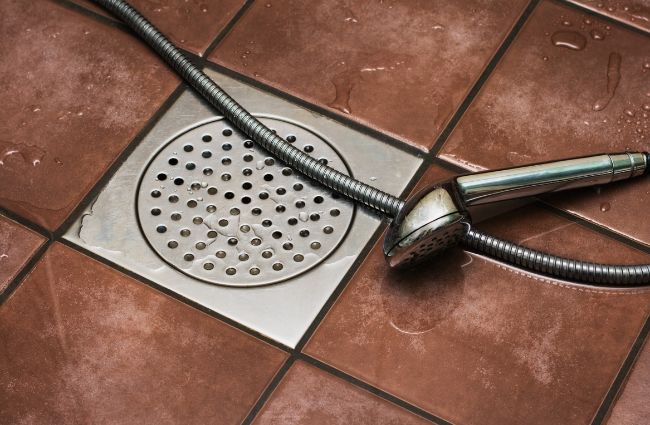
When we’re building or renovating a property, we often focus on the things you can see, like walls, fixtures, and flooring. But there’s one thing that’s often overlooked but plays a big part in keeping a space clean and functional: the floor drain. Floor drains are the unsung heroes of plumbing systems. They’re responsible for effectively draining water and preventing flooding in areas such as bathrooms, kitchens, and basements. This guide will take you on a deep dive into the world of floor drains. We’ll explore everything from their importance and types to installation and maintenance tips.
Why Are Floor Drains Essential?
Floor drains are the first line of defense against water damage and potential hazards. They stop water from building up, which protects your property from flooding, mold, and mildew. Floor drains are really important in areas where there’s a lot of moisture. Floor drains help keep things clean, dry, and safe by efficiently channeling water away.
Types of Floor Drains
Floor drains come in different types and designs to suit different applications. Understanding the options available can help you decide on your specific needs.
Traditional Floor Drains
These are the most common type of floor drains and feature a square or round shape with a removable grate. They are versatile and widely used in residential, commercial and industrial applications.
Trench Drains
Trench drains, also known as linear drains, are long, narrow channels with a continuous grate. They are ideal for areas that require greater drainage capacity, such as driveways, swimming pools and commercial kitchens.
Point Drains
As the name suggests, point drains are single-point drains that typically have a small circular or square opening. They are commonly used in showers where water is concentrated in one area.
Invest in a Reliable Floor Drain System
A well-designed and properly installed floor drain system is critical to any property. It provides peace of mind by efficiently managing water flow, preventing flooding and maintaining a clean and safe environment. Whether you choose a traditional floor drain, trench drain or point drain, make sure you invest in a quality product from a reputable manufacturer like HOFEN Drain. HOFEN Drain strives to exceed customer expectations and build long-lasting partnerships by prioritizing personalized service, product quality and timely delivery. So don’t overlook the importance of a reliable floor drain system when designing or renovating your space.
Applications
Floor drains have a wide range of applications across various industries and settings. Understanding the specific needs of your project can help you select the right floor drain for optimal performance. Here are some common applications where floor drains are essential:
Residential Spaces: Floor drains play a crucial role in residential areas, especially in bathrooms, laundry rooms, and basements. They prevent water damage and maintain a clean and safe environment.
Commercial Buildings: Restaurants, hotels, shopping malls, and other commercial spaces rely on floor drains to manage water flow in kitchens, restrooms, and common areas.
Industrial Facilities: Industrial settings such as manufacturing plants, warehouses, and factories often require heavy-duty floor drains to handle large volumes of water, chemicals, and debris.
Outdoor Environments: Driveways, parking lots, and outdoor recreational areas benefit from trench drains that effectively channel rainwater and prevent flooding.
Raw Materials
The choice of raw materials for floor drains depends on durability, corrosion resistance, and aesthetic appeal. Here are some commonly used materials for floor drains:
Stainless Steel: Stainless steel is popular due to its excellent corrosion resistance, durability, and aesthetic appeal. It is suitable for a wide range of applications, including both residential and commercial spaces.
Brass: Brass floor drains offer durability, strength, and corrosion resistance. They are often used in commercial and industrial settings requiring heavy-duty performance.
PVC: PVC (polyvinyl chloride) is a lightweight, cost-effective option for floor drains. It is commonly used in residential applications and areas with lower water flow requirements.
Sizes
Floor drains are available in various sizes to accommodate water flow rates and installation requirements. The size of a floor drain is typically determined by its outlet diameter. Here are some standard sizes for floor drains:
Two inches (50 mm): This size is commonly used for residential applications, including showers, utility rooms, and small bathrooms.
3 inches (75 mm): Suitable for larger residential spaces, commercial kitchens, and light industrial environments where moderate water flow is expected.
4 inches (100 mm): This size is ideal for heavy-duty commercial and industrial applications that require high water flow capacity.
Remember, it is essential to consult with professionals or manufacturers to determine the appropriate size of floor drain based on your specific project requirements.
Customization: Tailoring Your Floor Drain System
Floor drains can be customized to meet the unique needs of your project. Customization options include:
- Design: Choose from various grate styles, shapes, and patterns to complement your aesthetic preferences and architectural design.
- Accessories: Enhance the functionality of your floor drain system by adding accessories such as sediment buckets, removable grates, and water traps.
- Special Requirements: Discuss any special requirements with the manufacturer, such as ADA compliance, specific load-bearing capacities, or unique installation needs.
By working closely with a reputable manufacturer like Trimetix Floor Drain, you can customize your floor drain system to ensure optimal performance and meet the specific demands of your project.
Designing a Floor Drain System to Fit Your Needs
When selecting a floor drain system, consider the applications, raw materials and sizes that meet your project requirements. Choosing the right floor drain for residential, commercial or industrial applications will ensure efficient water management and protect against water damage. Remember to work with a trusted manufacturer like Trimetix Drain to customize your floor drain system to ensure its functionality, durability, and seamless integration into your space.
Stainless Steel Floor Drains vs. Brass Floor Drains
Stainless Steel Floor Drains
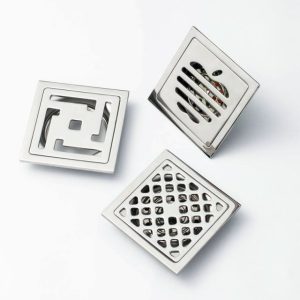
Stainless steel floor drains are popular for their exceptional strength, durability, and corrosion resistance. Here are some key features and advantages of stainless steel floor drains:
Strength and Durability: Stainless steel is known for its high strength and resilience, making it ideal for heavy-duty applications. It can withstand heavy loads and constant foot traffic without compromising its structural integrity.
Corrosion Resistance: Stainless steel is highly resistant to corrosion, making it suitable for various environments, including areas with high moisture or chemical exposure. It can withstand harsh substances and resist rust, ensuring a long lifespan and reliable performance.
Low Maintenance: Stainless steel floor drains are relatively low maintenance. They are easy to clean and require minimal upkeep to maintain appearance and functionality. Routine cleaning helps prevent debris buildup and ensures optimal water flow.
Aesthetic Appeal: Stainless steel floor drains have a sleek and modern appearance, making them a versatile choice that complements a range of design styles. Their clean and polished look adds a touch of elegance to both residential and commercial spaces.
Brass Floor Drains

Brass floor drains, made from an alloy of copper and zinc, offer a unique set of characteristics that make them a preferred choice in specific applications. Consider the following advantages of brass floor drains:
Aesthetic Appeal: Brass has a warm and inviting golden hue that adds a touch of elegance and sophistication to any space. It blends well with traditional, vintage, or rustic design themes, making it a popular choice for residential and commercial settings where aesthetics are important.
Corrosion Resistance: Brass is inherently corrosion-resistant, making it suitable for high humidity or moisture environments, such as bathrooms and kitchens. Its corrosion resistance ensures long-lasting performance and minimal degradation over time.
Antimicrobial Properties: Brass has natural antimicrobial properties that help inhibit the growth of bacteria, making it a hygienic choice for areas where cleanliness is crucial, such as healthcare facilities or food preparation areas.
Ease of Machining: Brass is a malleable material, allowing for intricate and detailed designs. This makes it easier to produce decorative or customized floor drain grates that add a touch of elegance to the overall design.
Choosing Between Stainless Steel and Brass Floor Drains
When deciding between stainless steel and brass floor drains, consider the specific requirements of your project and the desired aesthetic appeal. Stainless steel floor drains are well suited for heavy-duty applications and environments with high moisture or chemical exposure. Brass floor drains, on the other hand, offer a unique and elegant look and inherent antimicrobial properties.
It’s important to consult with a reputable manufacturer like Trimetix Drain to assess your needs and receive guidance on the best material choice for your floor drain system. They can help you select the most appropriate option based on your project requirements, ensuring a durable and aesthetically pleasing solution.
Balancing Strength and Aesthetics
Both stainless steel and brass floor drains offer distinct advantages depending on your project requirements. Stainless steel offers exceptional strength, durability and corrosion resistance, while brass offers an elegant appearance and natural antimicrobial properties. By working with a trusted manufacturer like Trimetix Drain, you can find the perfect balance of strength, functionality and aesthetics for your floor drain system.
Installation and Replacement of Floor Drains
Proper installation and timely replacement of floor drains are critical to their efficient performance and longevity. Whether you’re installing new floor drains or replacing existing ones, follow this comprehensive guide for a successful installation or replacement process:
1. Plan and Prepare:
Assess the specific requirements of the installation or replacement project. Consider factors such as the location, purpose, and anticipated water flow to determine the appropriate type and size of the floor drain.
Ensure you have all the necessary tools and materials for the installation or replacement, including the floor drain unit, appropriate fittings, sealants, and any required plumbing accessories.
2. Clear the Work Area:
Before beginning the installation or replacement, ensure the work area is clean, clear, and free from obstructions or debris. This allows for easy access and a smooth installation process.
3. Installation Process:
If installing new floor drains, start by marking the desired location on the floor based on plumbing layout and drainage requirements.
Cut an appropriate-sized opening in the floor using a saw or drill, following the manufacturer’s instructions and local building codes.
Connect the floor drain to the plumbing system using the necessary fittings and connectors. Ensure a secure and watertight connection.
Apply an appropriate sealant or plumber’s putty to create a tight seal between the floor drain and the surface, preventing water leakage.
Install the grate securely onto the drain body, ensuring it fits flush and locks in place.
4. Testing and Inspection:
After installation, conduct thorough testing and inspection to ensure the floor drain functions correctly. Pour water into the drain and observe the flow and drainage performance. Check for any leaks or drainage issues that need to be addressed.
5. Replacement Process:
If replacing an existing floor drain, start by turning off the water supply and disconnecting the drain from the plumbing system using the appropriate tools.
Remove the old floor drain carefully, ensuring no damage to the surrounding flooring or plumbing connections.
Clean the area thoroughly, removing any debris or residue left behind by the previous drain.
Follow the abovementioned process for installing the new floor drain in the existing location.
Conduct testing and inspection, as mentioned earlier, to verify the proper functioning of the new floor drain.
6. Seek Professional Assistance if Needed:
If you’re unsure about any aspect of the installation or replacement process or if it involves complex plumbing work, it’s recommended to seek professional assistance from a licensed plumber. They have the expertise and experience to ensure a successful installation or replacement.
Proper installation and regular maintenance are essential to maximize the efficiency and lifespan of your floor drains. By following this guide and collaborating with trusted professionals like Trimetix Drain, you can ensure a seamless installation or replacement process and enjoy the benefits of a reliable and functional floor drain system.






