
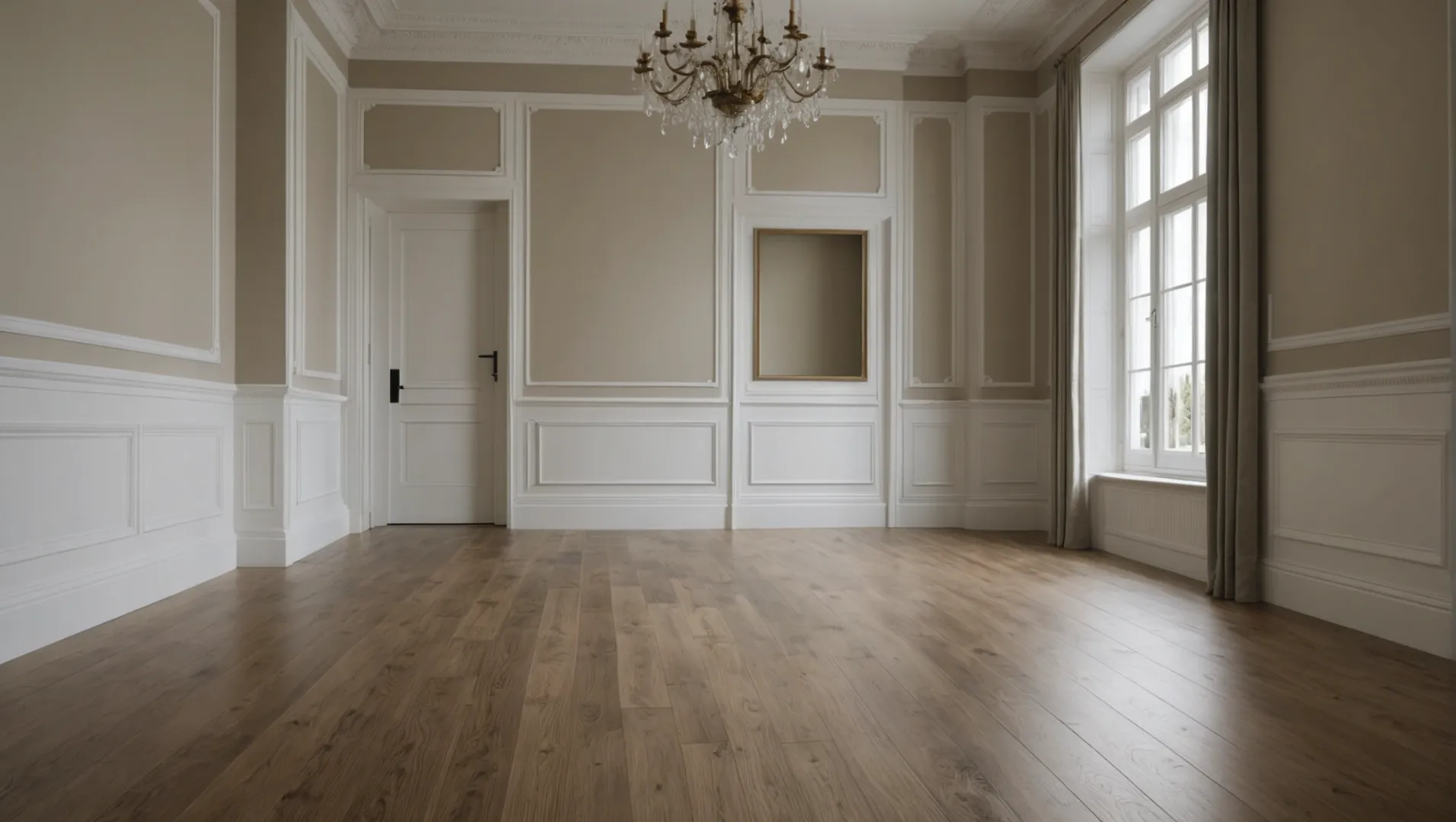
Are you thinking about giving your home a fresh look with new skirting boards? Trust me, you’re in good company! Skirting can completely transform a space by adding both function and flair.
The most popular skirting designs for homes include traditional, contemporary, and minimalist styles, often crafted from materials like wood, metal, MDF, and PVC. Modern innovations such as LED skirting and recessed designs are also gaining popularity.
But understanding the top styles is just the beginning! Let’s explore why these designs are so beloved and how they can elevate your home’s aesthetic.
LED skirting is more energy-efficient than traditional lighting.True
LEDs use less power and have a longer lifespan, reducing energy consumption.
What Materials Are Best for Skirting Boards?
Choosing the right material for your skirting boards can significantly impact both aesthetics and durability. Let’s explore the best options available.
Wood, MDF, Metal, and PVC are top materials for skirting boards, offering a balance of durability, affordability, and style flexibility. Each material brings its unique advantages, catering to various design preferences and functional needs.
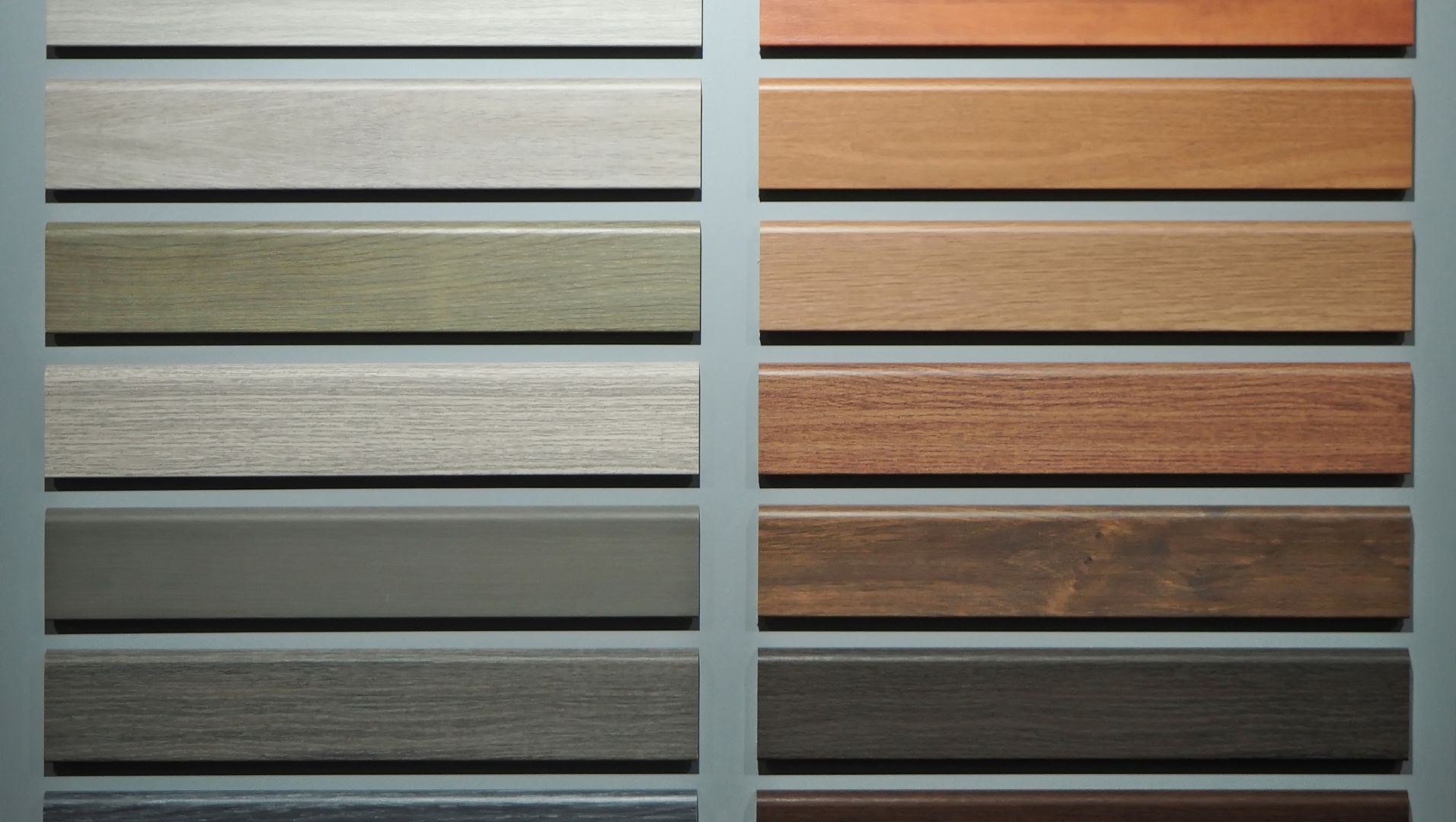
Exploring Popular Skirting Board Materials
When selecting materials for skirting boards, consider factors such as budget, style preference, and maintenance. Here’s a detailed look at some top choices:
Wood Skirting Boards
Pros: Wood is a classic choice, renowned for its timeless appeal and natural beauty. It can be easily stained or painted to match existing decor, offering versatility in styling. Hardwood options like oak or walnut add a touch of elegance and can withstand wear and tear.
Cons: Wooden skirting requires regular maintenance to prevent damage from moisture and pests. It may also be more costly compared to other materials.
MDF (Medium-Density Fibreboard)
Pros: MDF is popular due to its affordability and smooth finish, making it easy to paint. It’s a stable material that doesn’t warp easily and is perfect for achieving sleek, modern designs.
Cons: MDF is not as durable as wood and can swell if exposed to moisture. It’s best suited for areas less prone to water exposure.
PVC Skirting Boards
Pros: PVC offers high resistance to moisture and pests, making it ideal for bathrooms or kitchens. It’s available in various colors and finishes, requiring minimal maintenance.
Cons: While practical, PVC might lack the sophisticated look of wood and can appear less authentic in traditional settings.
Metal Skirting Boards
Pros: Metal skirting is durable and adds a contemporary feel to interiors. It’s excellent for high-traffic areas due to its strength and low-maintenance nature.
Cons: Metal can be more expensive and may not suit all home aesthetics. It’s also limited in terms of color options compared to other materials.
| Material | Durability | Cost | Maintenance | Aesthetic |
|---|---|---|---|---|
| Wood | High | $$$ | Moderate | Classic |
| MDF | Medium | $$ | Low | Versatile |
| PVC | High | $$ | Low | Modern |
| Metal | Very High | $$$ | Low | Industrial |
Making the Right Choice
Selecting the best skirting board material hinges on balancing practical needs with personal style. Consider wood skirting1 for a timeless look in traditional homes or opt for PVC2 in spaces needing easy upkeep. Evaluate your priorities to ensure your choice enhances your home’s overall aesthetic while meeting functional requirements.
Wood skirting boards require regular maintenance.True
Wood is prone to moisture and pests, needing regular care.
MDF skirting boards are more durable than wood.False
MDF is less durable and can swell if exposed to moisture.
How Do Traditional and Contemporary Skirting Styles Compare?
Curious about the differences between traditional and contemporary skirting styles? Let’s explore their unique characteristics and benefits.
Traditional skirting styles typically feature intricate designs and rich materials like wood, while contemporary styles emphasize simplicity, clean lines, and often use modern materials like MDF or PVC.
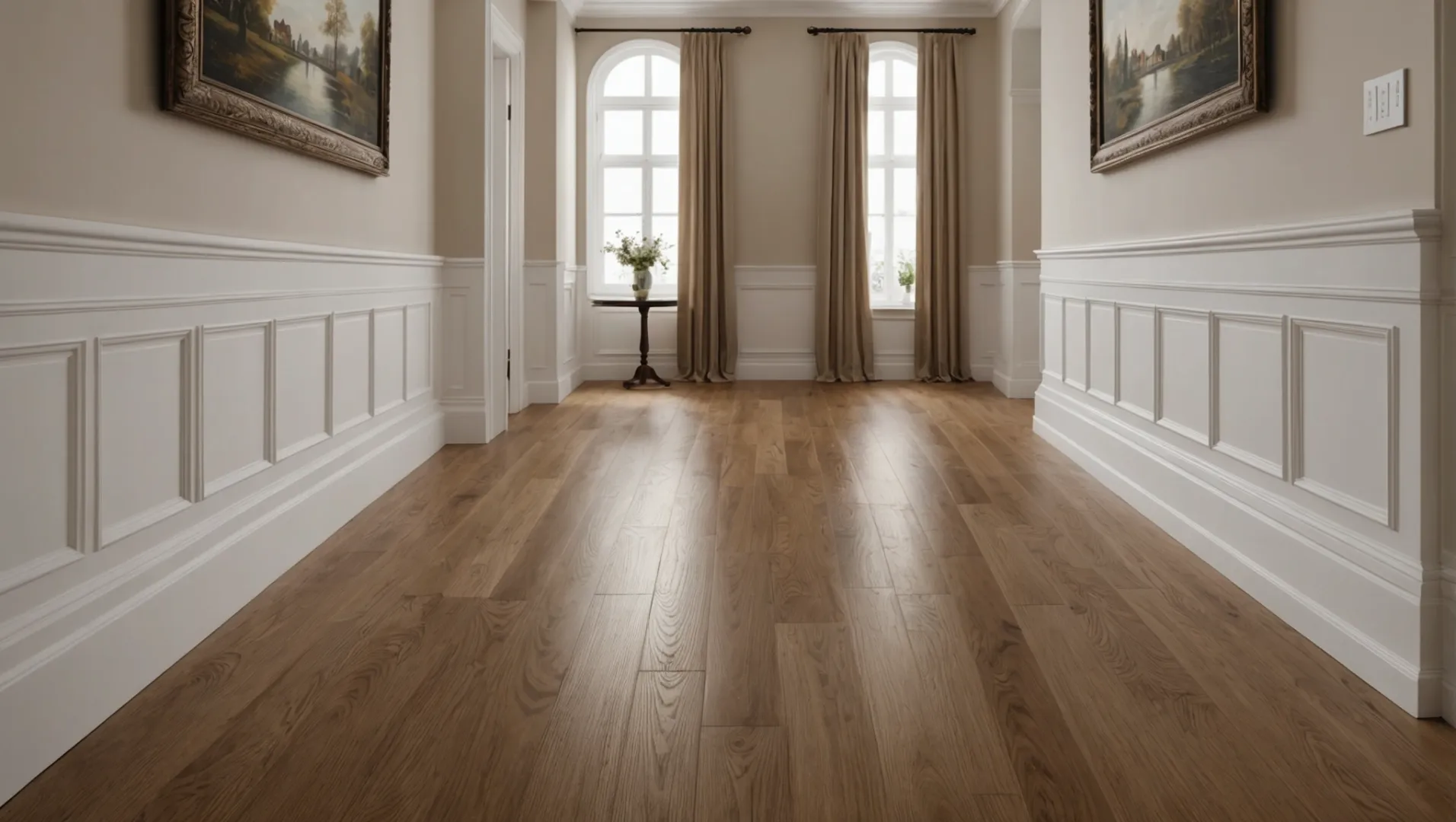
Key Features of Traditional Skirting Styles
Traditional skirting styles are known for their ornate details and classic appeal. They often feature intricate moldings, decorative elements, and are usually crafted from rich materials like oak or mahogany. These styles are perfect for homes with a classic or vintage aesthetic, as they add a touch of elegance and sophistication.
Traditional skirting can be further enhanced with layered paint finishes or varnishes that accentuate the wood’s natural grain. These details contribute to their timeless beauty and make them a favorite in period properties.
Characteristics of Contemporary Skirting Styles
In contrast, contemporary skirting styles focus on minimalism and functionality. These designs prioritize clean lines and simplicity over elaborate details. Often made from modern materials such as MDF or PVC, contemporary skirting is ideal for modern homes that embrace sleek and understated decor.
The versatility of contemporary skirting lies in its adaptability to various color schemes and finishes. It can be painted to match or contrast with wall colors, providing a cohesive look that complements modern interiors.
Comparing the Two Styles: A Tabular Overview
| Feature | Traditional Skirting | Contemporary Skirting |
|---|---|---|
| Design | Intricate moldings, detailed carvings | Clean lines, minimalistic approach |
| Materials | Wood (oak, mahogany) | MDF, PVC |
| Aesthetic Appeal | Classic, elegant | Modern, sleek |
| Versatility | Suited for vintage homes | Fits with modern aesthetics |
Choosing the Right Style for Your Home
When deciding between traditional and contemporary skirting, consider the overall style and theme of your home. Matching skirting styles3 with your decor can create a harmonious look. For homes with an eclectic mix of styles, blending elements from both may offer a unique yet cohesive design solution.
Traditional skirting uses MDF or PVC materials.False
Traditional skirting typically uses rich woods like oak or mahogany.
Contemporary skirting styles focus on minimalism.True
Contemporary styles emphasize clean lines and simplicity.
What Are the Benefits of LED and Recessed Skirting?
Discover how LED and recessed skirting can enhance your home’s ambiance and efficiency.
LED and recessed skirting offers energy efficiency, modern aesthetics, and space-saving solutions, making them ideal for contemporary homes.
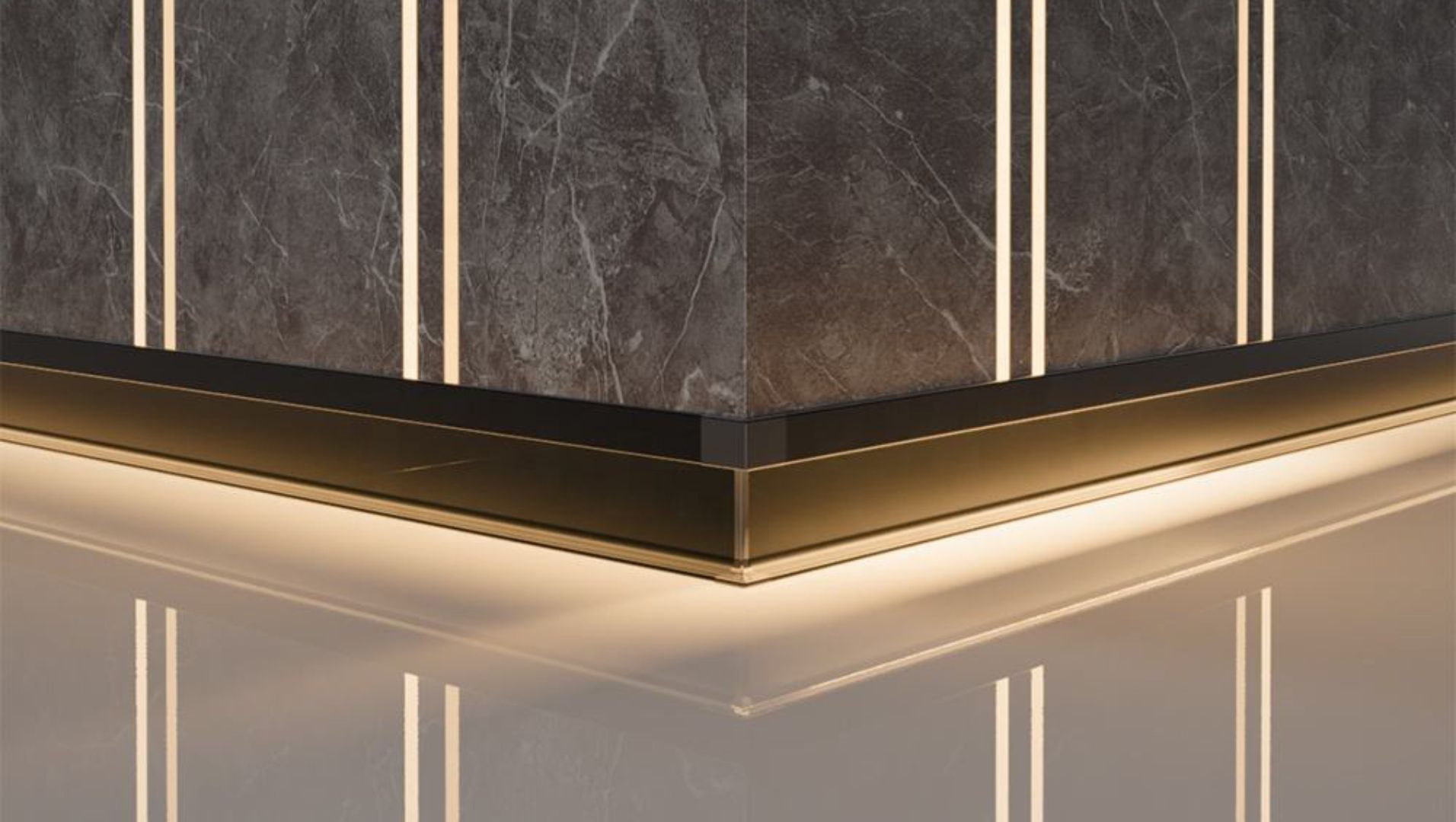
Energy Efficiency
One of the standout benefits of LED skirting4 is its energy efficiency. LEDs consume significantly less power compared to traditional lighting solutions, reducing electricity bills and contributing to a greener environment. They also have a longer lifespan, minimizing maintenance needs and replacement costs over time.
Modern Aesthetics
Recessed skirting is highly favored for its sleek, minimalist look. It seamlessly integrates into the wall, creating a clean line that enhances the modernity of any space. This style is particularly popular in open-plan living areas where a clutter-free appearance is desired. The integration of LED lighting further accentuates this aesthetic by adding a subtle glow that highlights architectural features.
Space-Saving Solutions
In homes where space is at a premium, recessed skirting5 offers a practical solution. By embedding the skirting within the wall, it frees up valuable floor space, making rooms feel larger and more open. This is particularly beneficial in narrow hallways or small rooms where every inch counts.
Versatility and Customization
LED skirting is available in a range of colors and brightness levels, offering homeowners the flexibility to customize their ambiance. Whether you prefer a warm, inviting glow or a bright, energizing light, LED options can be tailored to suit any mood or occasion. Additionally, the combination of recessed designs with LED lighting allows for creative expressions, such as highlighting artwork or creating dramatic effects along staircases.
Enhanced Safety and Accessibility
LED skirting6 also improves safety by providing low-level illumination in dark areas, such as hallways or staircases. This reduces the risk of trips and falls while adding a decorative element. Furthermore, for those with mobility issues, well-lit paths can significantly enhance accessibility within the home.
LED skirting reduces electricity bills.True
LEDs consume less power, lowering energy costs.
Recessed skirting increases floor space.True
Embedding skirting in walls frees up floor space.
How to Choose Skirting That Complements Your Home Decor?
Choosing the right skirting can be a daunting task with so many options available. Here’s how to ensure it complements your decor effortlessly.
To choose skirting that complements your home decor, consider the overall style of your space, the color palette, and the materials used in other furnishings. Match these elements to your skirting choice to achieve a cohesive and harmonious look.
Understanding Your Home’s Style
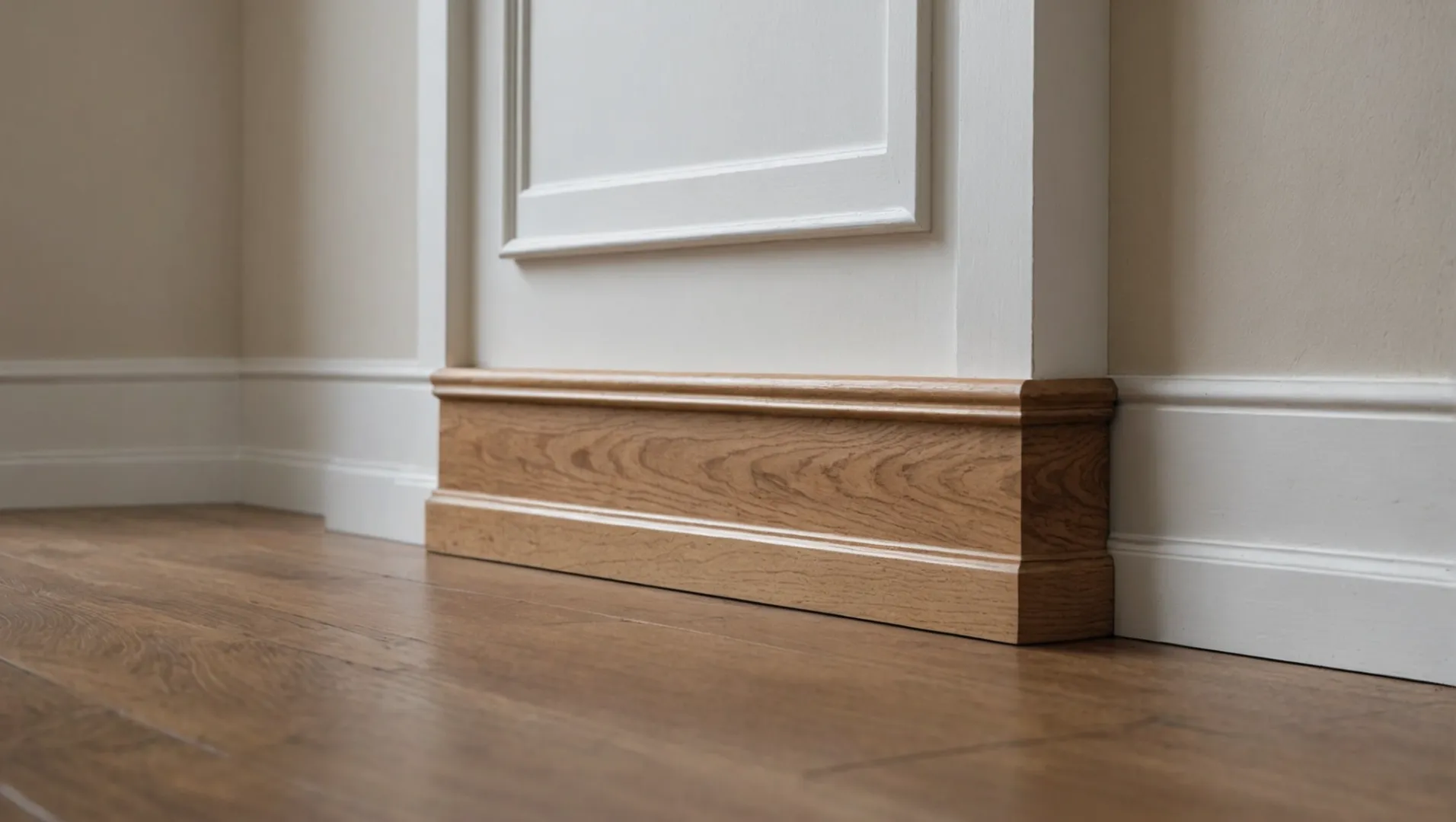
Before selecting skirting, it’s essential to have a clear understanding of your home’s interior style. Whether your decor leans towards traditional elegance7 with ornate details or a more modern minimalist approach with clean lines, your skirting should echo this aesthetic. For example, traditional homes might benefit from intricate wooden skirting, whereas contemporary spaces may opt for sleek metal or MDF designs.
Matching Colors and Finishes
Color plays a crucial role in creating a seamless look. When choosing skirting, consider the existing color palette in your room. Skirting boards can either blend in with the wall color for a subtle look or stand out in a contrasting shade for added interest. Additionally, consider the finish of other elements like flooring and furniture. A consistent finish across these surfaces can tie the room together beautifully.
| Style | Recommended Materials | Colors & Finishes |
|---|---|---|
| Traditional | Wood | Earthy tones, varnished |
| Contemporary | Metal, MDF | Neutral shades, matte |
| Minimalist | PVC, MDF | White or grey, glossy |
Considering Functionality and Practicality
While aesthetics are important, functionality should not be overlooked. For instance, if you’re in a high-traffic area prone to scuffs and knocks, durable materials like PVC or MDF might be preferable. In contrast, areas requiring a touch of luxury may benefit from premium wood finishes. Moreover, innovations such as LED skirting8 can add both functional lighting and a stylish touch.
Harmonizing With Existing Furnishings
Your skirting should complement rather than clash with existing furnishings and architectural features. For instance, if you have metal fixtures and fittings throughout your home, consider metal skirting for a cohesive look. Alternatively, if your space is characterized by natural materials, wooden skirting might be more appropriate.
By considering these aspects—style, color, material, functionality—you can choose skirting that not only complements your home decor but enhances it.
Traditional homes suit ornate wooden skirting.True
Ornate wooden skirting complements the detailed aesthetic of traditional homes.
Minimalist decor requires colorful skirting boards.False
Minimalist decor typically favors neutral or monochrome skirting boards.
Conclusion
Selecting the right skirting design is a blend of style and practicality. Reflect on your home’s theme and maintenance needs to make a choice that’s both timeless and trendy.
-
Discover why wood skirting remains a timeless and elegant choice.: The best advantage of solid woods over MDF is that they look great when finished in a paint, lacquer or varnish. Solid woods are also extremely versatile, in … ↩
-
Learn how PVC skirting offers durability with minimal maintenance.: Advantages of Installing PVC Skirting Board · Durability · Low Maintenance · Flame Retardant · Cost-Effective · Variety of Designs · Concealing Wiring. ↩
-
Learn how to choose skirting that enhances your home’s aesthetic.: Skirting is more than just decoration. It protects the wall, hides cracks and sometimes also covers expansion areas for parquet floors. Orac Decor® skirtings … ↩
-
Learn how LED lighting can save energy and reduce costs.: Residential LEDs — especially ENERGY STAR rated products — use at least 75% less energy, and last up to 25 times longer, than incandescent lighting. ↩
-
Discover how recessed skirting maximizes space in your home.: The modern trend towards recessed skirting boards no doubt lies in the beauty of the flush appearance between the plasterboard wall and the skirting board. This … ↩
-
Understand how LED skirting improves safety in dark areas.: It can cover the edges, prevent furniture from scratching the walls, and provide a neat decorative surface for the room. LED-lit skirting boards … ↩
-
Explore traditional skirting board designs that suit classic home interiors.: Our traditional skirting products are fully customisable to individual specifications. We offer free UK-wide delivery on the mainland for all orders over £500. ↩
-
Discover how LED skirting can enhance both style and function.: Using LED light strips on skirting boards can produce significant decorative effects and create warm, eye-catching atmospheres. The Functions of … ↩






