
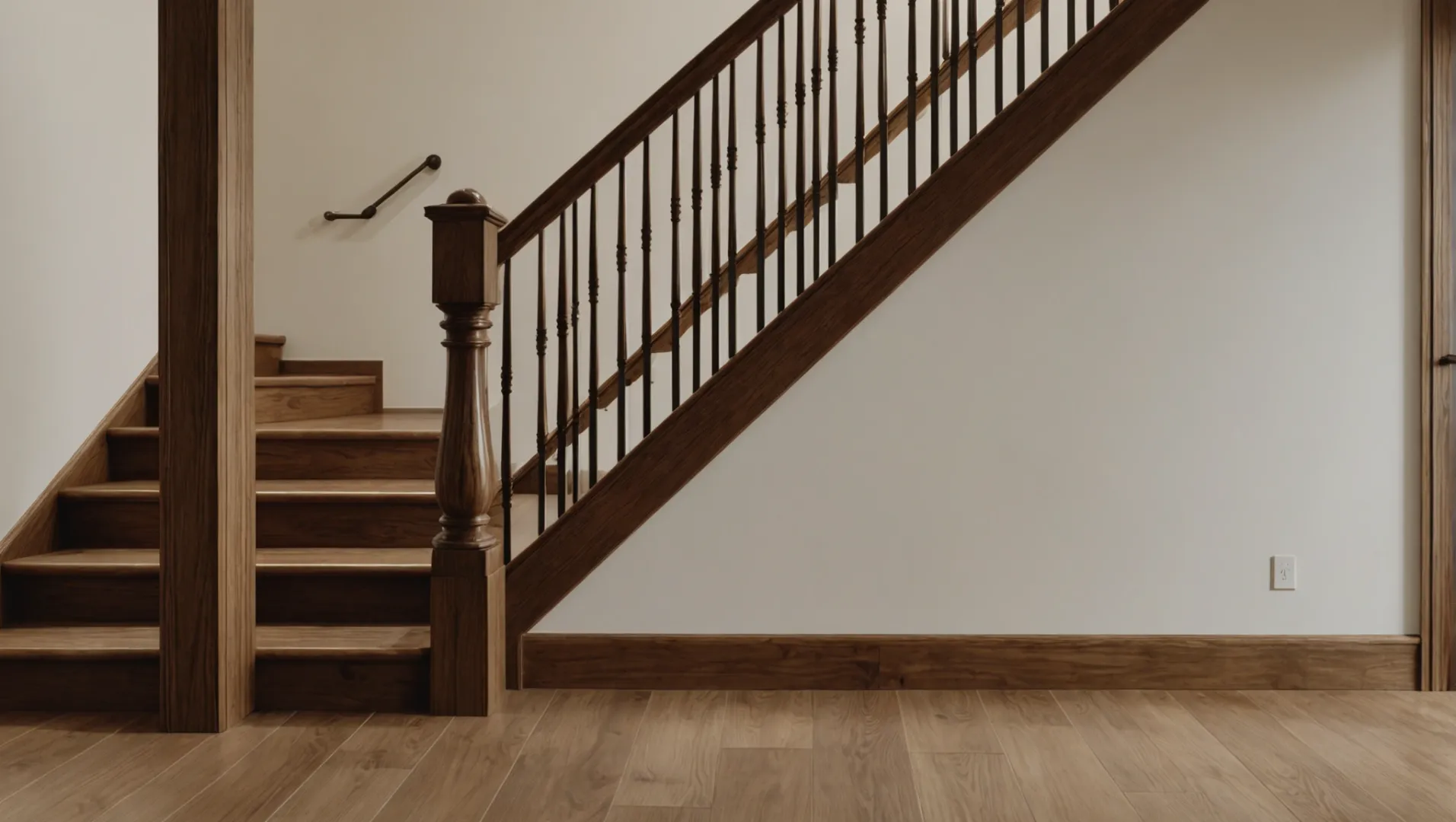
Thinking about sprucing up your staircase? Installing a stair skirtboard might just be the upgrade you didn’t know you needed!
A stair skirtboard offers several benefits, including enhancing aesthetic appeal, hiding imperfections, and protecting walls from damage. It acts as a decorative border and provides a polished look to your staircase.
But there’s so much more to discover! Let’s dive into how this simple addition can truly transform your space.
A stair skirtboard enhances staircase durability.True
Skirtboards protect walls from scuffs and damage, reducing maintenance.
How Does a Skirtboard Enhance Aesthetic Appeal?
Discover how a skirtboard can transform your staircase into a stunning centerpiece.
A skirtboard enhances aesthetic appeal by providing a finished look to staircases, hiding gaps, and complementing interior design styles. It serves as a visual anchor that harmonizes the staircase with surrounding architectural elements, creating an elegant and cohesive appearance.
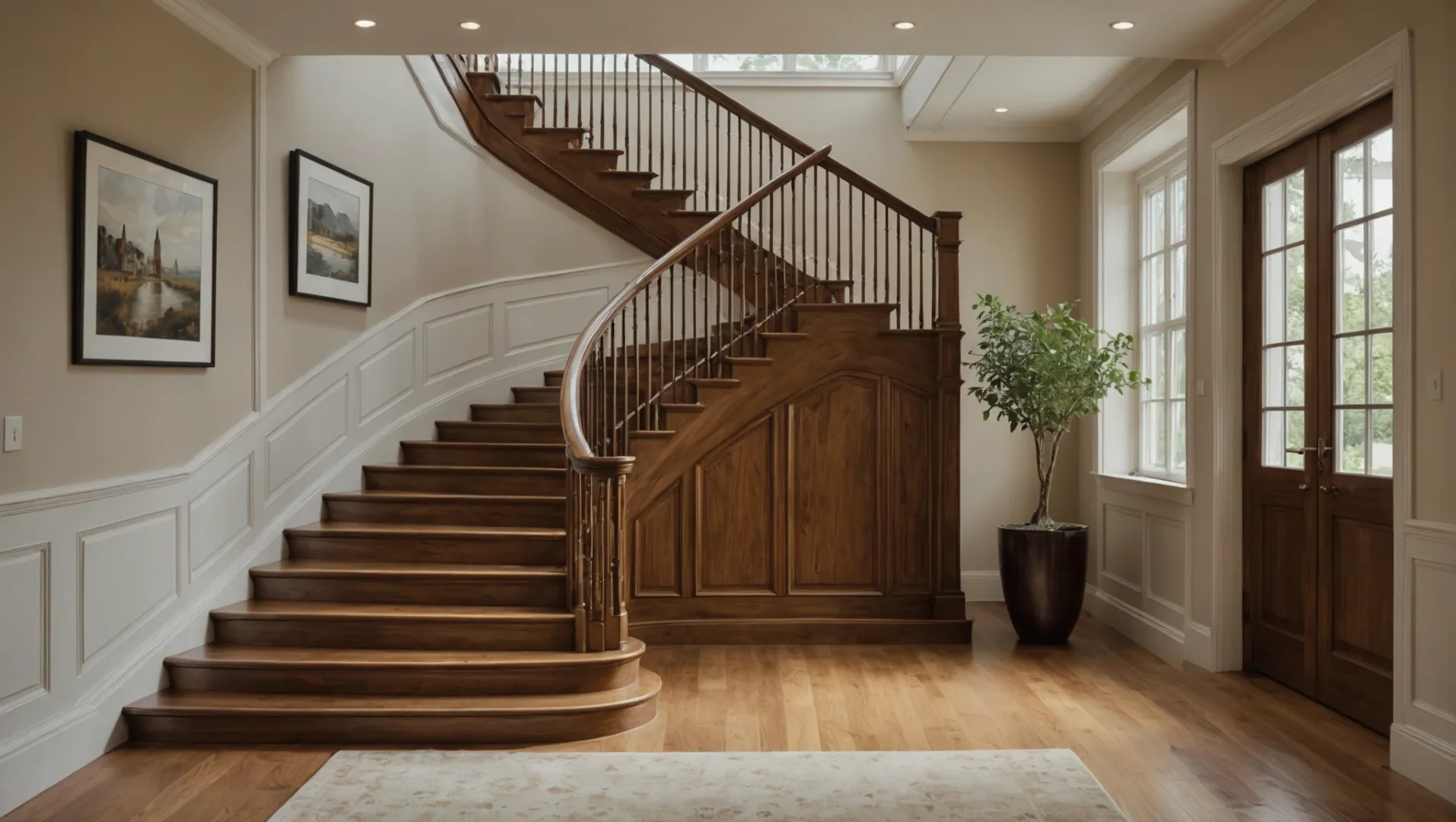
The Role of Skirtboards in Interior Design
Skirtboards serve as a significant design element that can elevate the entire look of your staircase. By acting as a visual boundary, they draw attention to the shape and structure of the stairs, adding depth and dimension. This decorative feature1 helps in framing the staircase, making it stand out as a sophisticated architectural element in your home.
Harmonizing with Design Styles
Skirtboards come in various materials and finishes, allowing them to seamlessly blend with different interior design styles. Whether your home exudes a rustic charm or a modern elegance, choosing the right skirtboard can enhance these themes. For instance, wood skirtboards can complement traditional or farmhouse styles, while sleek metal or painted options might suit contemporary settings.
Concealing Imperfections for a Polished Look
One of the key aesthetic benefits of installing a skirtboard is its ability to hide imperfections. Staircases often have gaps or uneven edges between the stairs and the wall. A well-installed skirtboard covers these blemishes, providing a clean and professional finish. This aspect not only boosts visual appeal but also adds to the overall neatness of your interior spaces.
Adding Color and Texture
Skirtboards offer opportunities to introduce contrasting colors or textures that can either match or highlight other decor elements. You might choose a bold color for your skirtboard to make it a focal point or opt for a subtle shade to maintain harmony with existing tones. Similarly, textured finishes can add interest and complexity to your staircase design, enhancing its appeal.
Creating Visual Continuity
A properly installed skirtboard can create visual continuity between different levels of your home. It acts as an architectural link2 that ties together various rooms or hallways, fostering a sense of cohesion throughout your living space.
Skirtboards hide gaps in staircases.True
Skirtboards cover imperfections, providing a clean finish.
Metal skirtboards suit traditional styles.False
Metal skirtboards are better for contemporary settings.
Can a Skirtboard Improve Staircase Durability?
Wondering if adding a skirtboard can make your staircase last longer? Discover its hidden benefits here.
Yes, a skirtboard can improve staircase durability by protecting the walls from scuffs and damage, thereby reducing maintenance needs. It acts as a shield against daily wear and tear.
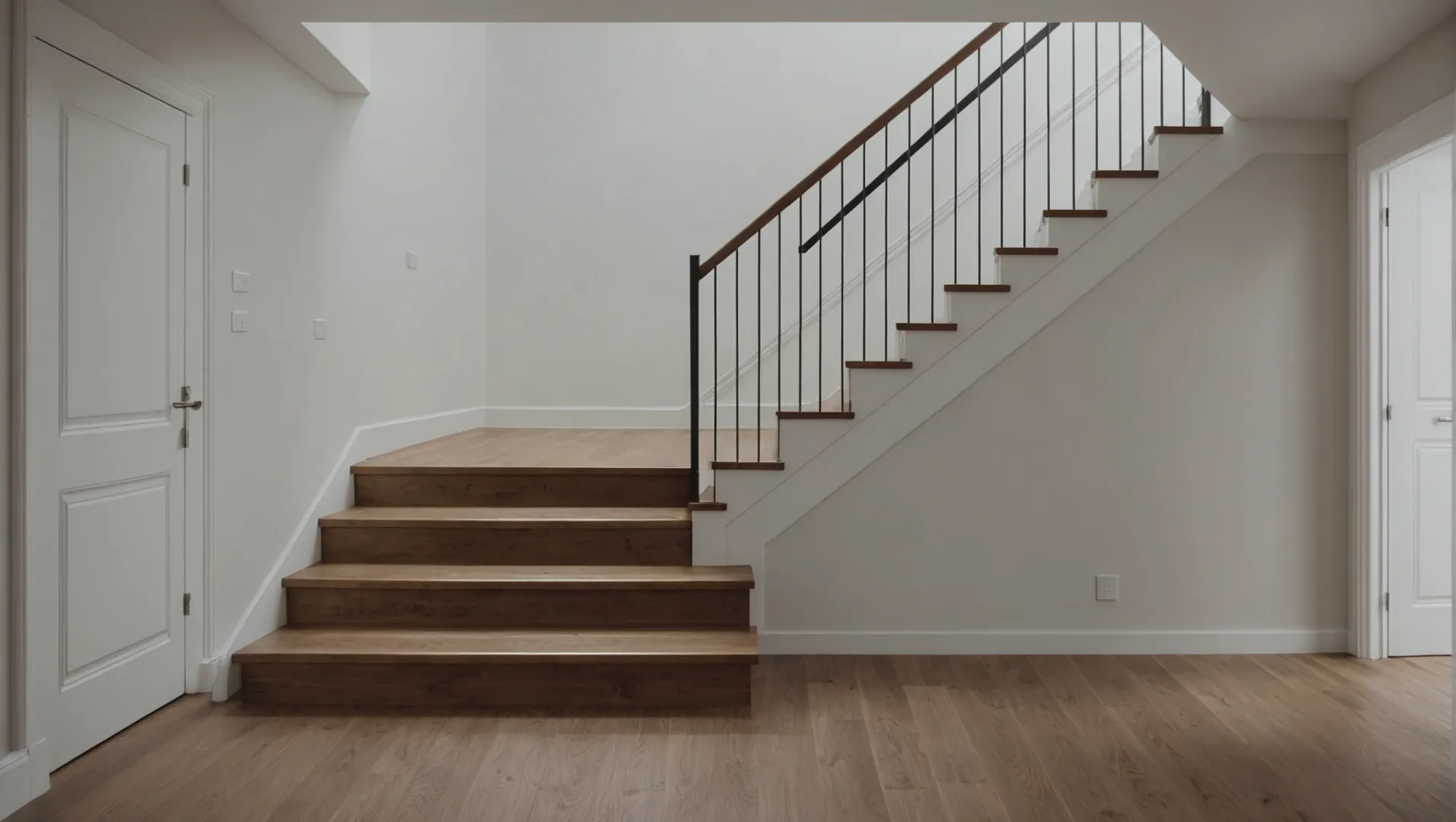
Understanding the Role of a Skirtboard in Stair Protection
A stair skirtboard is not just an aesthetic enhancement but a functional addition to your staircase. By installing a skirtboard, you provide a protective barrier along the side of the stairs that prevents scratches and dents to the wall caused by foot traffic and cleaning equipment.
How Does It Protect?
The skirtboard serves as a buffer between the wall and any potential sources of damage. This means that when items like vacuum cleaners, brooms, or even shoes come into contact with the staircase area, they are more likely to hit the skirtboard rather than the wall itself. This reduces the need for frequent wall repairs and repainting, contributing to long-term durability3 of your home.
Material Matters
The durability of a skirtboard itself can vary based on the material used. Common materials include wood, MDF (Medium-Density Fiberboard), and PVC (Polyvinyl Chloride). Each material has its advantages:
- Wood: Offers classic beauty and strength but may require regular maintenance.
- MDF: Provides a smooth finish and is cost-effective but can be susceptible to water damage.
- PVC: Highly resistant to moisture and easy to clean, making it ideal for humid environments.
By choosing the right material, you enhance not only the visual appeal but also the protective capabilities of the skirtboard.
Additional Benefits
Beyond protection, skirtboards offer other functional benefits:
- Concealment of Imperfections: They can hide gaps or uneven edges between stairs and walls.
- Base for Handrails: Often used as a mounting base for stair handrails, providing structural support.
To maximize these benefits, it is essential to ensure proper installation. You might want to consult with professionals who have experience with staircase enhancements4 to achieve optimal results.
Skirtboards protect walls from staircase damage.True
Skirtboards act as a barrier, preventing scratches and dents.
PVC skirtboards are ideal for dry environments.False
PVC is moisture-resistant, making it suitable for humid areas.
What Materials Are Best for Stair Skirtboards?
Choosing the right material for your stair skirtboard is essential for durability and style.
The best materials for stair skirtboards include MDF, hardwood, PVC, and softwood. Each offers unique benefits like ease of installation, cost-effectiveness, and durability. Choosing the right material depends on factors like budget, aesthetic preferences, and environmental conditions.
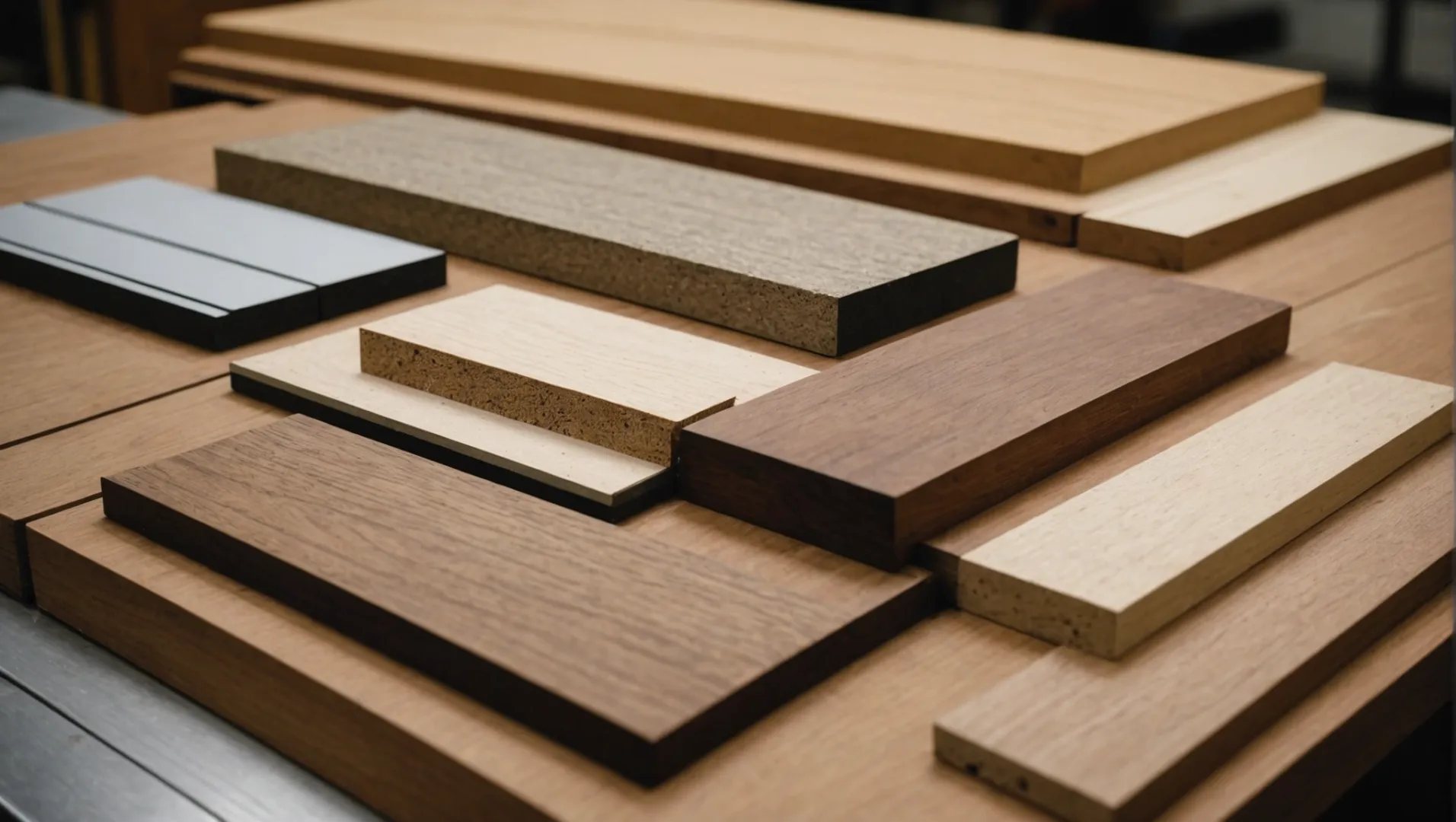
Understanding Different Materials for Stair Skirtboards
When selecting materials for stair skirtboards, understanding the properties of each option is crucial. Here, we explore popular choices like MDF, hardwood, PVC, and softwood, providing insights into their benefits and potential drawbacks.
1. Medium-Density Fiberboard (MDF):
MDF is a popular choice due to its affordability and smooth finish, making it easy to paint. It’s ideal for homeowners looking to maintain a uniform look throughout their staircase. However, MDF is not moisture-resistant, which could be a concern in humid environments.
2. Hardwood:
For those seeking durability and a natural aesthetic, hardwood is a superior choice. Woods like oak or maple offer strength and longevity but come at a higher price point. Hardwood skirtboards are perfect for traditional settings where natural wood grains enhance the decor.
3. Polyvinyl Chloride (PVC):
PVC is gaining popularity for its moisture-resistant properties, making it perfect for areas with high humidity. It requires minimal maintenance and offers a clean look. However, it may not provide the warmth of natural wood.
4. Softwood:
Softwood options, such as pine, are more budget-friendly while still providing a classic appearance. They are easier to work with during installation but may not be as durable as hardwood or PVC options.
| Material | Benefits | Drawbacks |
|---|---|---|
| MDF | Affordable, easy to paint | Not moisture-resistant |
| Hardwood | Durable, natural aesthetic | Higher cost |
| PVC | Moisture-resistant, low maintenance | Less natural appearance |
| Softwood | Budget-friendly, easy installation | Less durable than hardwood or PVC |
Factors to Consider When Choosing Material
- Budget: Determine your budget to narrow down material options.
- Environmental Conditions: Consider humidity and moisture levels in your home.
- Aesthetic Preferences: Decide if you prefer natural wood grains or a painted finish.
- Maintenance Needs: Evaluate how much time you are willing to spend on upkeep.
By evaluating these factors, you can choose the best material for your stair skirtboard that aligns with your home’s design and functional needs. For further details on how to match skirtboards with different stair styles, visit this comprehensive guide5.
MDF is moisture-resistant for stair skirtboards.False
MDF is not moisture-resistant, making it unsuitable for humid areas.
Hardwood skirtboards offer a natural aesthetic.True
Hardwood provides a natural wood grain look, enhancing decor.
How to Install a Stair Skirtboard Efficiently?
Looking to upgrade your staircase with a skirtboard? Discover the efficient installation process here.
To install a stair skirtboard efficiently, measure the staircase, cut the skirtboard to size, and securely fasten it using nails or screws. Proper planning and precision ensure a seamless fit and finish.
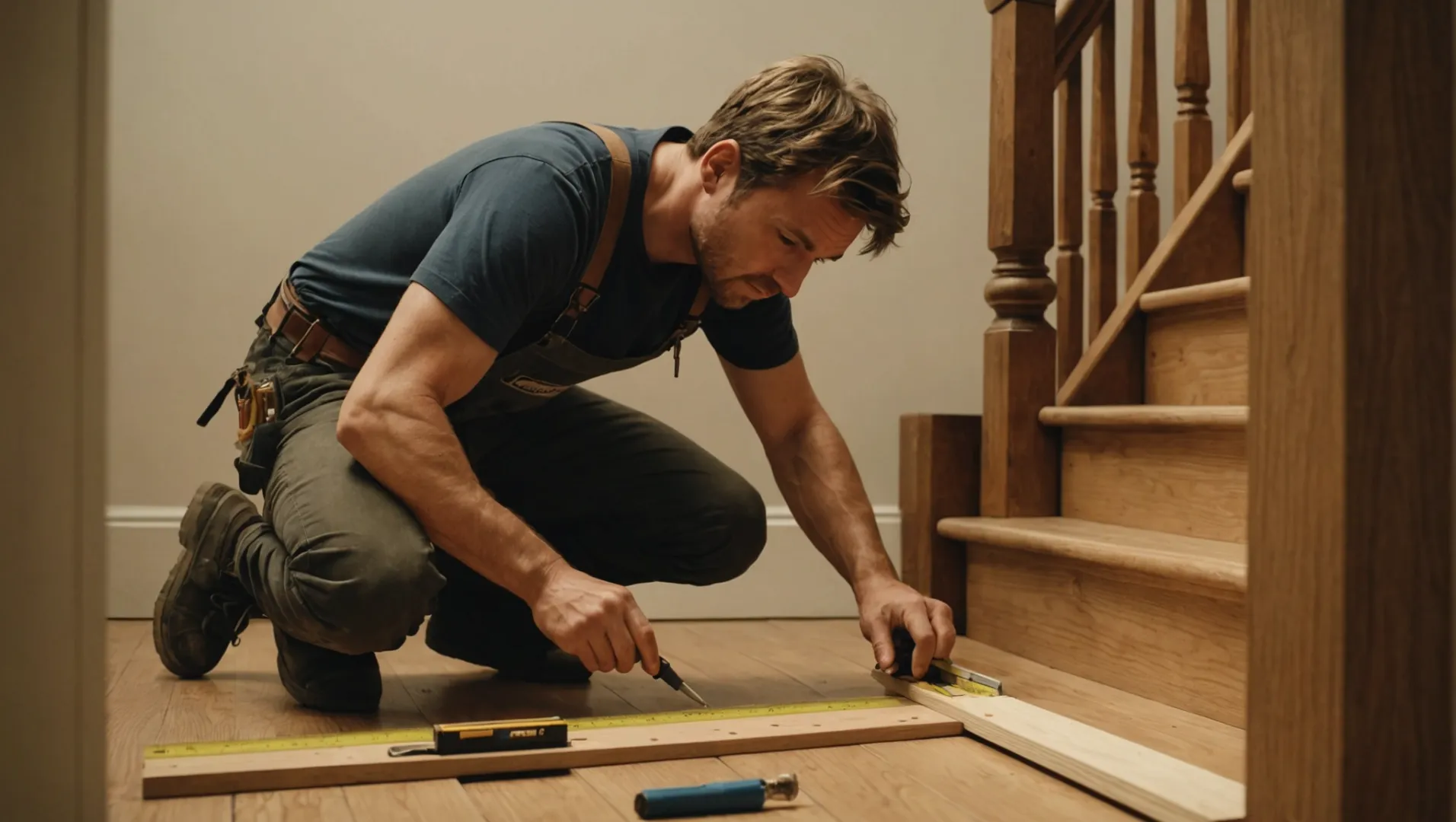
Preparing for Installation
Before embarking on the installation, gather all necessary tools and materials. You’ll need a measuring tape, pencil, saw, level, nails or screws, and a drill. Ensure you have selected a skirtboard that complements your staircase’s design and dimensions.
1. Measure Accurately
Start by measuring the length of your staircase where the skirtboard will be installed. It’s crucial to record these measurements precisely to avoid wastage of materials and ensure a perfect fit. Mark these dimensions on the skirtboard for cutting.
2. Cutting the Skirtboard
Using your saw, cut the skirtboard according to the measurements taken. For an even cut, ensure that the saw blade is sharp and steady during operation. Double-check your measurements before cutting to prevent errors.
Installation Process
1. Positioning the Skirtboard
Place the cut skirtboard along the staircase wall, ensuring it’s aligned correctly with each step’s rise and run. Use a level to confirm that the skirtboard is straight and aligned.
2. Securing the Skirtboard
Once positioned correctly, secure the skirtboard using nails or screws. Start from one end, ensuring each fastener is driven in straight and flush with the board surface. For extra strength, consider using construction adhesive in addition to mechanical fasteners.
Finishing Touches
After securing, check for any gaps between the skirtboard and the wall or steps. Use caulking to fill these gaps for a seamless appearance. Sand down any rough edges and apply paint or finish to match your staircase decor.
By following these steps, you can install a stair skirtboard efficiently, enhancing both the aesthetics and functionality of your staircase. For additional guidance on choosing materials6 for your project or maintenance tips7, explore expert resources available online.
A level is unnecessary for skirtboard installation.False
A level ensures the skirtboard is straight and properly aligned.
Using adhesive strengthens skirtboard installation.True
Construction adhesive adds strength when used with nails or screws.
Conclusion
Incorporating a stair skirtboard not only elevates your staircase’s beauty but also enhances its durability. It’s an investment in style and functionality.
-
Explore detailed insights on how skirtboards act as decorative elements.: Skirting boards provide the wall and furniture room. In this section, the furniture’s marks, stains, and scratches are kept off the wall. ↩
-
Learn how skirtboards enhance architectural continuity in home design.: To scribe skirt board over installed risers and treads, start with a straight skirt board laid on top of the points of the treads with the … ↩
-
Understand how skirtboards prevent wall damage effectively.: They protect the stairs and the wall from potential damage, absorb vibrations, and help maintain the staircase’s shape over time. ↩
-
Learn installation tips for enhancing staircase durability.: … Skirtboards Aren’t As Hard As You Think (0:34) Trick for Top Line Layout (1:06) Finding the … ↩
-
Learn how to pair skirtboard materials with various staircase designs.: The beauty of this method is that by scribing the actual stair condition to the skirt board material transfers any irregularities automatically. ↩
-
Learn which materials provide durability and aesthetic appeal.: We like to use hard material on skirt boards as they tend to get beat up by things. Poplar would be our 2nd choice. Don’t buy 8’s. Call a local hardwood rep. ↩
-
Discover maintenance tips to keep your skirtboard looking new.: It’s important to keep the stick plumb. I typically make one light pass to “set” the initial line, and then follow up with a couple more passes … ↩






