
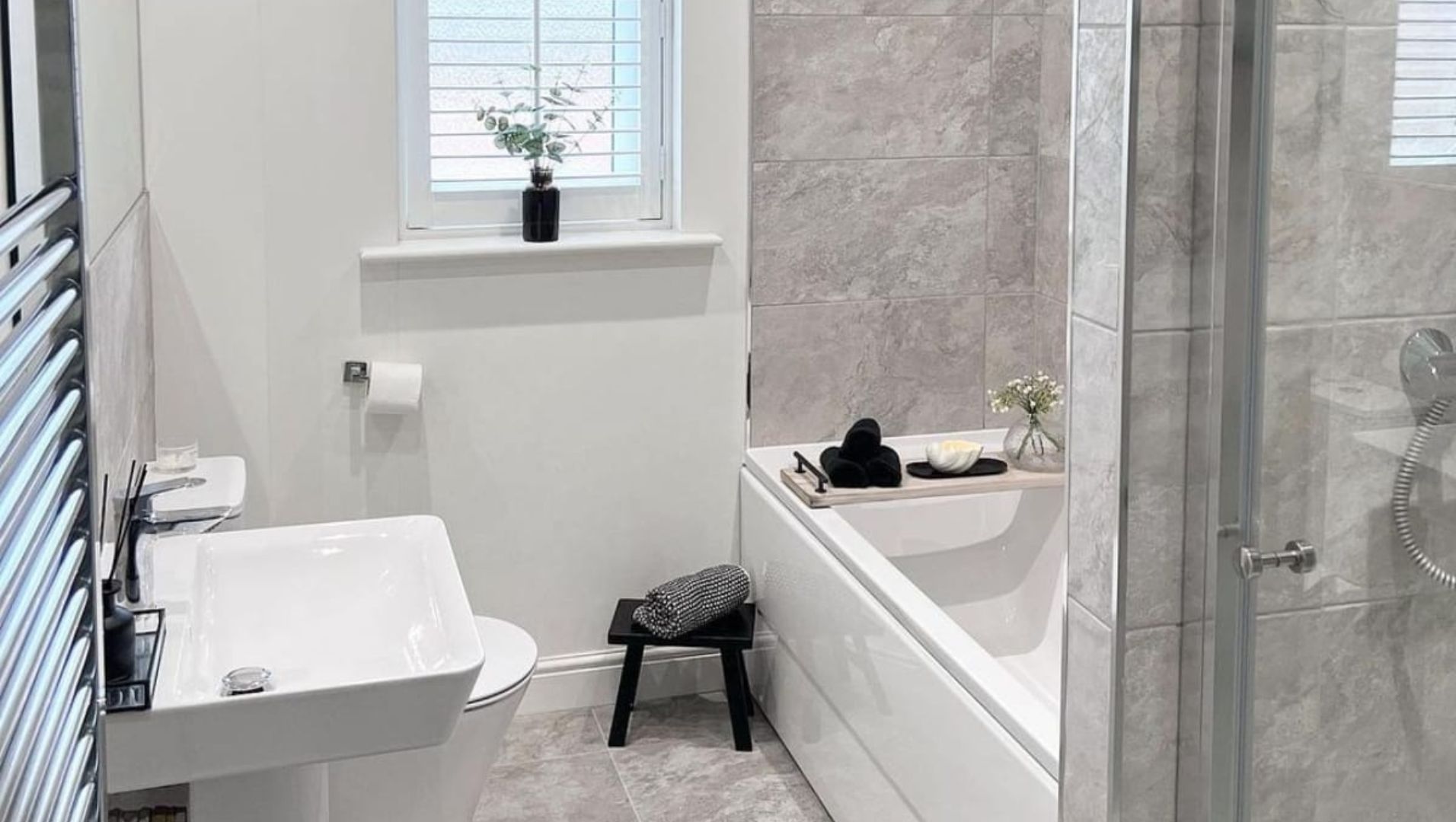
Are you planning a tiling project or renovation? You might be wondering if tile trim is truly necessary.
Tile trim is essential in home projects as it protects tile edges from damage, enhances aesthetic appeal, and ensures safety by smoothing sharp edges. It contributes significantly to the longevity and professional finish of tiled surfaces.
While this quick insight highlights the primary functions of tile trim, there’s much more to uncover about its benefits and applications. Continue reading to explore how tile trim can transform your home projects with practical advice and expert tips.
Tile trim is only a decorative element.False
Tile trim also protects edges, enhances durability, and ensures safety.
What Are the Different Types of Tile Trim?
Choosing the right tile trim can elevate your project, offering both functional and aesthetic benefits.
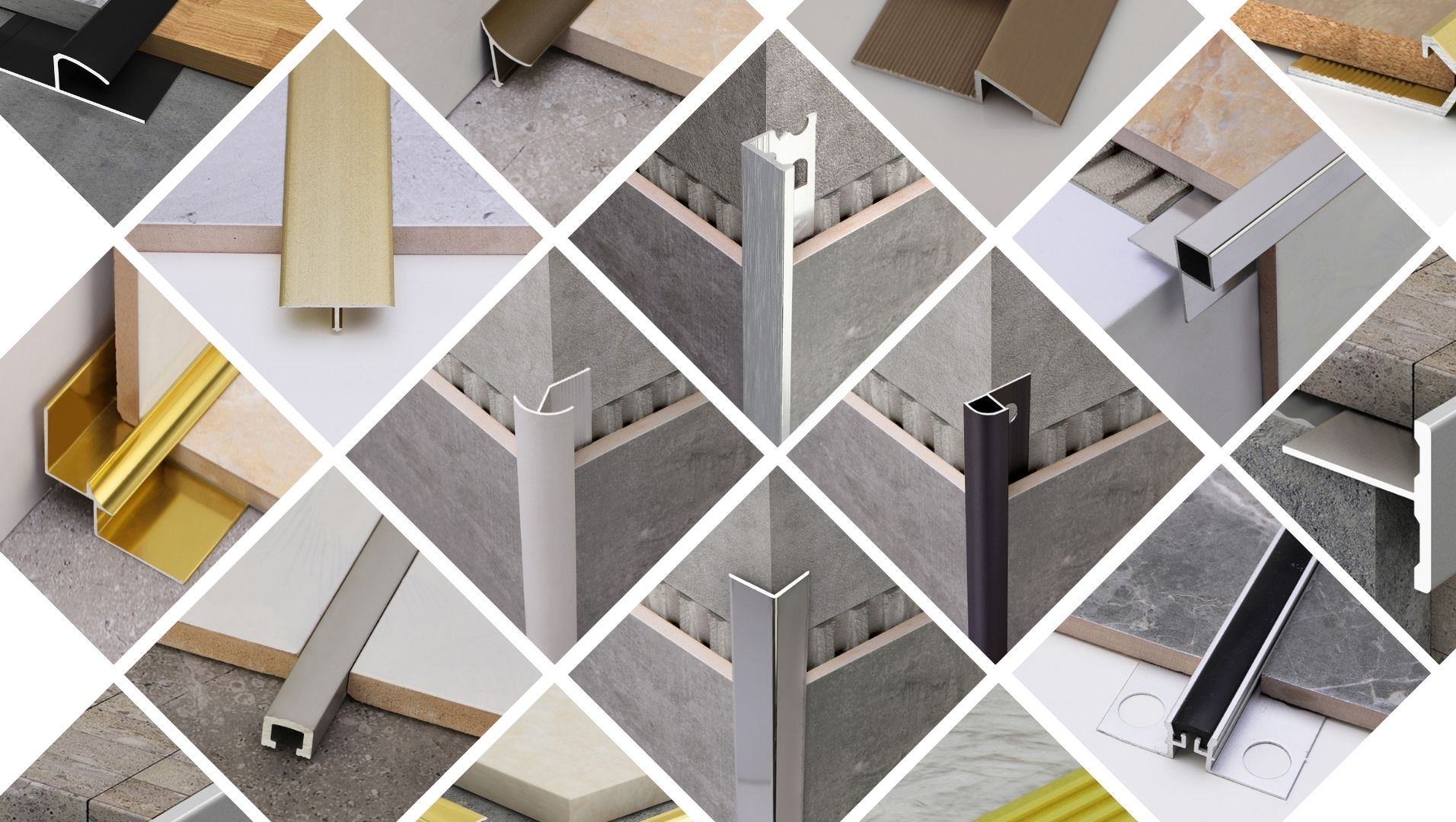
The main types of tile trim include square edge, round edge, L-shaped, and metal tile trims. Each type serves specific purposes such as protecting corners, framing edges, or adding decorative flair to tiled surfaces.
Square Edge Tile Trim
Square edge trim is one of the most common types used in tiling projects. It provides a clean, minimalist look that complements modern designs. This trim is typically used at the edge of tiled surfaces, ensuring the tiles are level and protected. It’s perfect for areas where a sleek finish is desired, such as kitchen countertops or backsplashes.
Round Edge (Bullnose) Tile Trim
Round edge trim, often referred to as bullnose trim, offers a smooth, curved finish. This type of trim is ideal for areas where safety is a priority, such as bathroom walls or pool edges. Its rounded design reduces the risk of injury from sharp tile edges while giving the surface a soft, polished appearance. Explore more about round edge tile applications1 for inspiration.
L-Shaped Tile Trim
L-shaped trim is designed for corners and edges that require reinforcement. It provides a robust finish that protects the edges of tiles from chipping and wear. This type of trim is particularly useful in high-traffic areas like stairs or entrances where durability is essential. Learn more about L-shaped tile trim benefits2.
Metal Tile Trim
Metal tile trims, made from materials such as aluminum , stainless steel or brass, are increasingly popular for their durability and contemporary appeal. They are available in various finishes, including brushed or polished, to match different design aesthetics. Metal trims are excellent for both interior and exterior projects, offering a durable solution that withstands wear and tear. Check out examples of metal trim applications3 in modern architecture.
Choosing the Right Tile Trim
When selecting tile trim, consider the environment and the purpose it will serve. High-moisture areas like bathrooms might benefit from corrosion-resistant materials like stainless steel, while decorative spaces can utilize colored trims to enhance visual appeal. Understanding the specific needs of your project will help you choose the appropriate trim type, ensuring both functionality and style.
Square edge trim is ideal for high-traffic areas.False
Square edge trim is best for sleek finishes, not high-traffic areas.
Metal trims are corrosion-resistant, suitable for bathrooms.True
Stainless steel metal trims resist corrosion, ideal for moist areas.
How Does Tile Trim Enhance Aesthetic Appeal?
Discover the transformative power of tile trim in elevating your home’s style and design.
Tile trim enhances aesthetic appeal by providing a polished finish, creating visual harmony, and highlighting design features. It acts as a seamless transition between different surfaces, offering a professional look that elevates overall interior design.
Creating Seamless Transitions
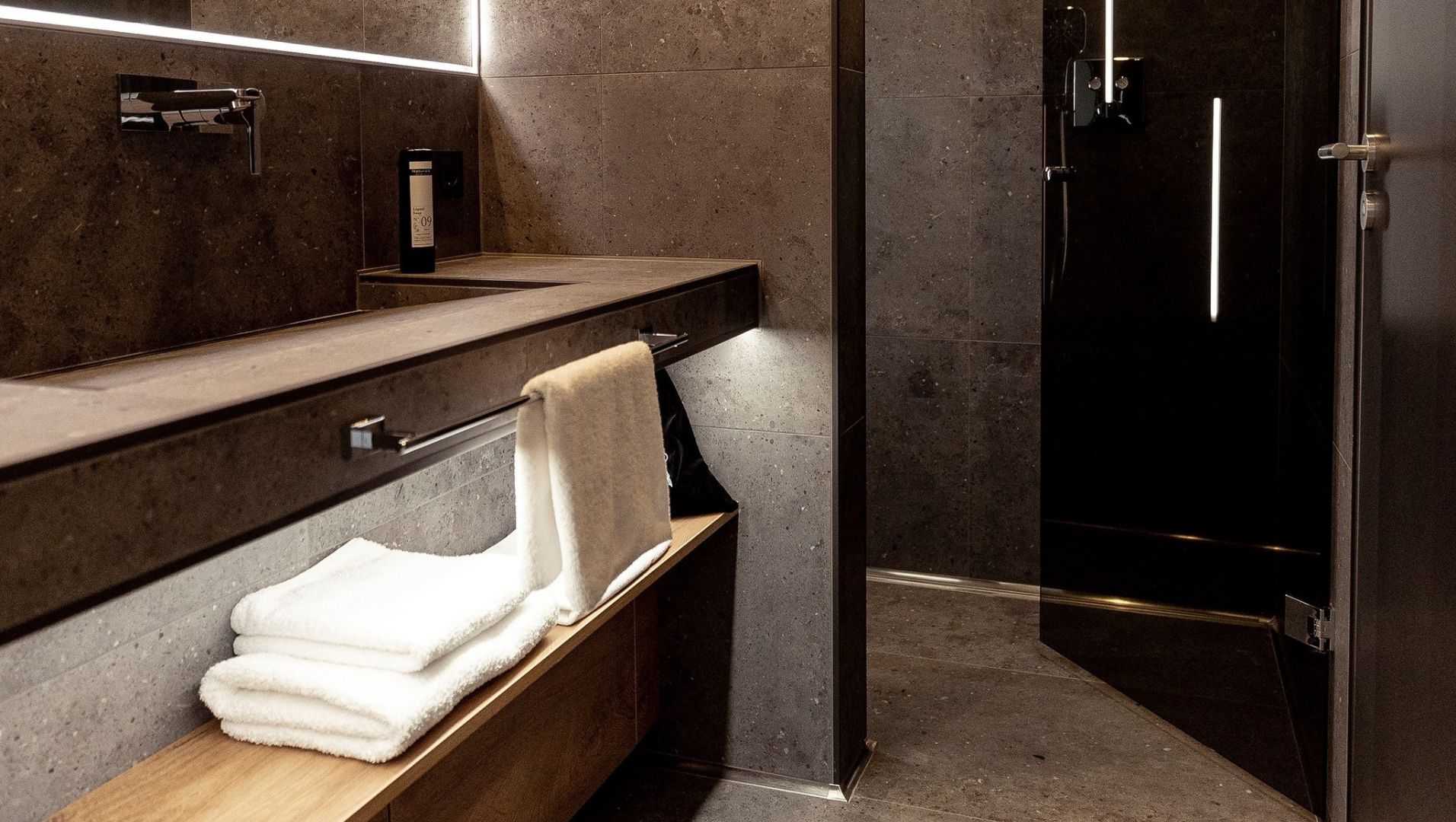
One of the primary ways tile trim enhances aesthetic appeal is by providing seamless transitions between different surfaces. This is particularly useful when tiles meet walls, floors, or countertops, ensuring a smooth transition that eliminates harsh visual breaks. The use of tile trim can also prevent the unsightly exposure of rough edges, which could detract from an otherwise cohesive design.
Highlighting Design Features
Tile trim can be used strategically to highlight design features in a room. For example, using a contrasting trim color or material can accentuate a tiled backsplash in a kitchen or a decorative wall in a bathroom. By drawing attention to these areas, the trim acts as a design element itself, adding depth and interest to the space.
Enhancing Color and Texture Harmony
Available in various materials, colors, and finishes, tile trim can be selected to complement or contrast with the existing decor. For instance, metal tile trims can introduce an industrial edge to modern designs, while ceramic or porcelain trims might provide a more traditional look. This versatility allows homeowners to use trim as a tool for achieving color and texture harmony across their interiors.
Offering Versatile Design Options
There are numerous types of tile trim available, from bullnose and quarter-rounds to listellos and pencil liners. Each type offers distinct aesthetic possibilities. For instance, bullnose tile trim4 provides a rounded edge that softens the look of tiled corners, while listello trim5 can serve as an elegant border or decorative accent.
The choice of tile trim can therefore drastically alter the visual impact of a room. Whether you aim for subtle elegance or bold statements, selecting the right trim is crucial to achieving your desired aesthetic outcome.
Tile trim creates seamless transitions between surfaces.True
Tile trim eliminates harsh visual breaks by smoothing transitions.
Tile trim is only available in ceramic material.False
Tile trim comes in various materials, including metal and porcelain.
Can Tile Trim Improve the Durability of Tiled Areas?
Discover how tile trim can enhance both the durability and appearance of your tiled areas.
Tile trim improves durability by protecting edges from chipping, reducing water infiltration, and preventing tiles from shifting. It ensures that tiled surfaces remain intact and visually appealing over time.
The Role of Tile Trim in Protecting Tile Edges
Tile edges are vulnerable to chipping and breaking, especially in high-traffic areas like kitchens or bathrooms. Tile trim acts as a protective barrier, absorbing impact and shielding these exposed edges. By using quality tile trim, homeowners can significantly reduce repair costs and maintain the integrity of their tiles.
Minimizing Water Infiltration with Tile Trim
In areas prone to moisture, such as showers or backsplashes, water infiltration can undermine the longevity of tiled surfaces. Tile trim seals the edges, reducing the chance of water seeping underneath and causing damage like mold or tile detachment. This is particularly crucial in bathrooms, where constant exposure to water can lead to expensive repairs.
Keeping Tiles in Place
Over time, tiles can shift due to environmental factors or structural movement. Tile trim helps to secure tiles in their position, preventing them from loosening or becoming misaligned. This not only preserves the floor or wall’s appearance but also ensures safety by avoiding trip hazards.
Case Study: Analyzing Real-World Applications
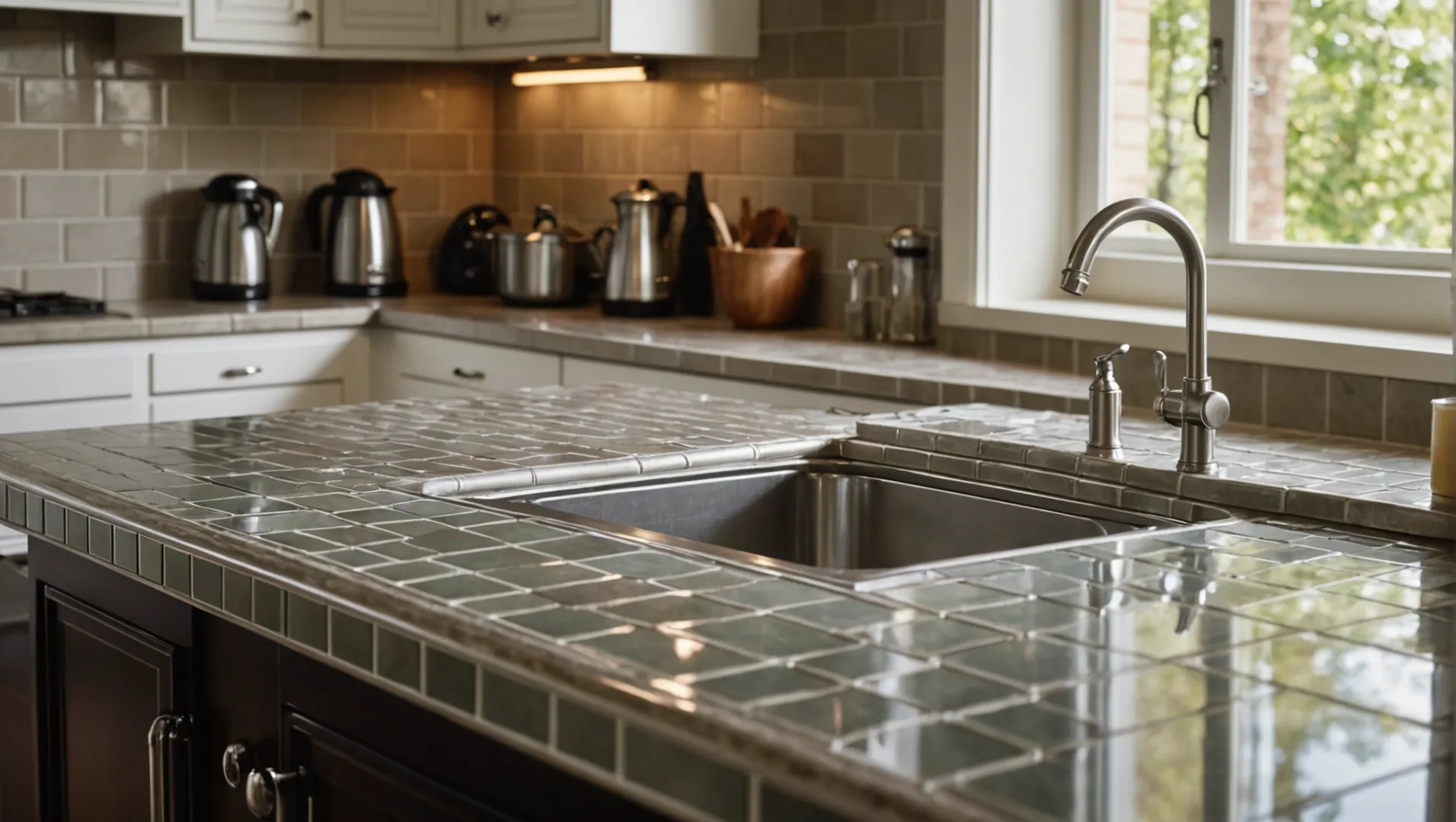
Consider a kitchen renovation where the homeowner opted for tile trim around the countertop edges. The result? Not only did it provide a seamless transition between surfaces, but it also protected against frequent impacts from pots and utensils, enhancing both functionality and aesthetics.
For further exploration on tile trim types and their specific uses, check our guide on different types of tile trim6.
Tile trim prevents tile chipping in high-traffic areas.True
Tile trim acts as a barrier, absorbing impact and shielding edges.
Tile trim increases the risk of water infiltration.False
Tile trim reduces water infiltration by sealing tile edges.
What Are the Risks of Not Using Tile Trim?
Ignoring tile trim can lead to costly repairs and safety hazards in your home.
Not using tile trim exposes tile edges to chipping, increases the risk of injuries from sharp corners, and can result in water damage, leading to expensive repairs and unsightly finishes.
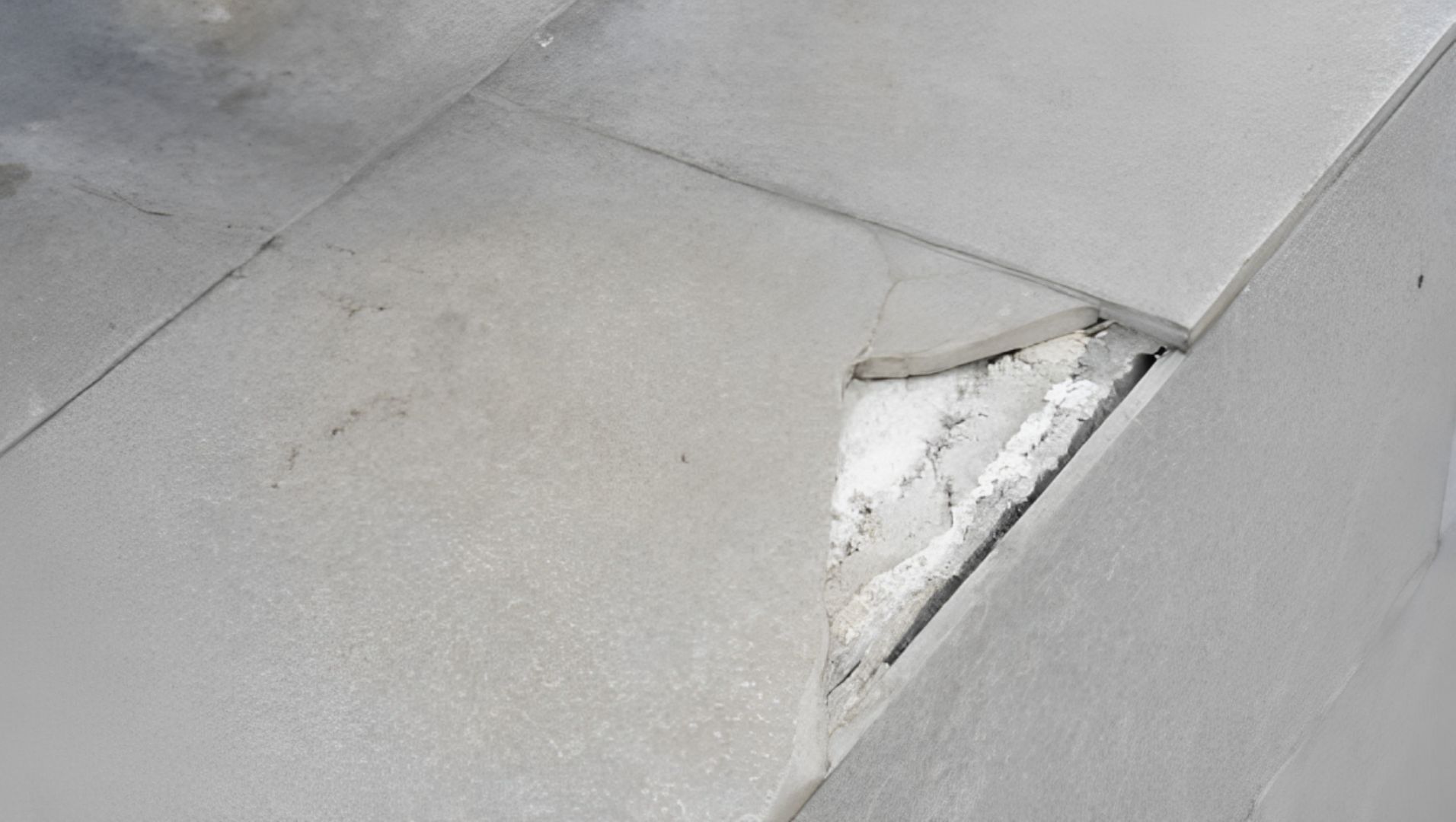
Risk of Tile Chipping and Breakage
When tile trim is omitted, the edges of the tiles become vulnerable. This can lead to chipping or breakage over time, especially in high-traffic areas. The exposed edges are prone to wear and tear, which can detract from the visual appeal7 of your space and require frequent maintenance.
Increased Safety Hazards
Sharp tile edges pose a safety risk, particularly in homes with children or elderly residents. Without trim, these edges can cause cuts or injuries. Installing tile trim provides a smooth transition between tiled surfaces and other materials, significantly reducing the likelihood of accidents.
Water Damage Concerns
One of the most significant risks of foregoing tile trim is water infiltration. In areas like bathrooms or kitchens where moisture is prevalent, unprotected tile edges can allow water to seep behind tiles, leading to mold growth or structural damage. Using trim creates a barrier that helps protect against such issues.
Unsightly Finish
Tile trim serves an aesthetic purpose by providing a clean, finished look to your tiling projects. Without it, the edges may appear uneven or unfinished, detracting from the overall design. This can be particularly noticeable in areas where tiles meet walls or other surfaces.
Table: Comparing Tiling With and Without Trim
| Feature | With Tile Trim | Without Tile Trim |
|---|---|---|
| Edge Protection | Provides a protective barrier | Edges are exposed to damage |
| Safety | Reduces risk of injury from edges | Sharp edges pose a risk |
| Water Damage | Helps prevent water infiltration | Increased risk of water damage |
| Aesthetic | Offers a polished, finished look | Can appear unfinished or rough |
Understanding these risks underscores the importance of including tile trim in your home projects. It not only enhances durability but also contributes to safety and aesthetics.
Tile trim prevents water damage in bathrooms.True
Trim acts as a barrier, stopping water from seeping behind tiles.
Without tile trim, edges are more visually appealing.False
Exposed edges can appear unfinished and detract from design aesthetics.
Conclusion
Tile trim is not just a decorative element but a vital component in ensuring your tiling projects are durable, safe, and visually appealing. Consider its inclusion for a flawless finish.
-
Discover how round edge trims improve safety and aesthetics.: You can also use it to round corners or frame out shower niches, window sills, and undermount sinks. All tile trim is handmade using an extrusion and hand … ↩
-
Learn why L-shaped trims are essential for protecting corners.: 1.Aesthetic Appeal: The trim’s L shape adds a sophisticated finish to tile installations, creating clean lines and a polished look. Its … ↩
-
See innovative uses of metal trims in contemporary designs.: Aluminum trim systems are a popular choice for construction and renovation projects due to their durability, versatility, and cost-effectiveness. ↩
-
Learn how bullnose trim softens sharp tile edges for safety and style.: Bullnose tile refers to a set of shapes rather than a material. Bullnose tiles are a trimming tile, used to give a finished edge to tile projects. ↩
-
Explore creative uses of listello trim for elegant interior accents.: Listello tile designs with what it is, different tile border designs, where it is used, layouts & patterns & styles of listello tile trims. ↩
-
Learn about various tile trim types for diverse home applications.: The base molding is probably the most known of the trim types listed. It is the piece that can be found closest to the floor. It covers the joint and bridges … ↩
-
Discover how tile trim enhances design appeal and functionality.: Aluminum tile trim with round edges looks curved and this creates smooth curved round profiles for transitioning tiles and adjacent surfaces. ↩






