
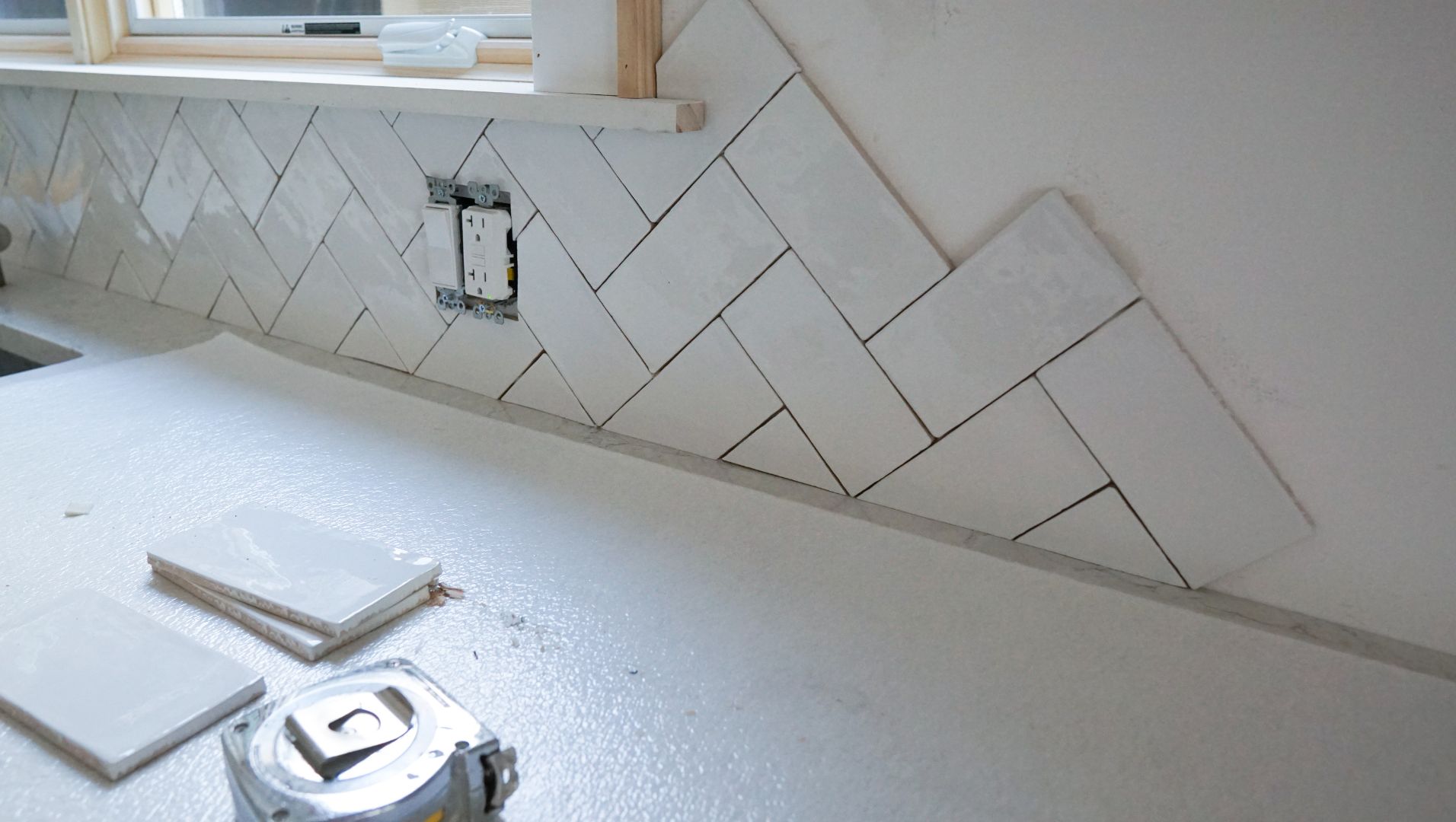
You’ve just finished tiling your space, and it looks great! But wait—something feels off. Could it be that missing piece of the puzzle: tile trim?
Yes, installing tile trim after tiling is feasible and can be done without damaging existing tiles. Proper preparation and careful application are key to achieving a polished finish that protects tile edges.
While the initial question seems simple, the process requires finesse and attention to detail. Let’s dive into techniques, materials, and considerations for making your tiling project shine.
Tile trim can be added after tiling is complete.True
Adding tile trim post-tiling is feasible with proper preparation and care.
What Are the Benefits of Adding Tile Trim?
Tile trim is more than just a decorative element—it’s a functional necessity. But why?
Adding tile trim enhances the aesthetic appeal, provides protection to tile edges, and ensures a smooth transition between different surfaces. It prevents chips and cracks on tile corners, making your installation more durable.
Enhancing Aesthetic Appeal
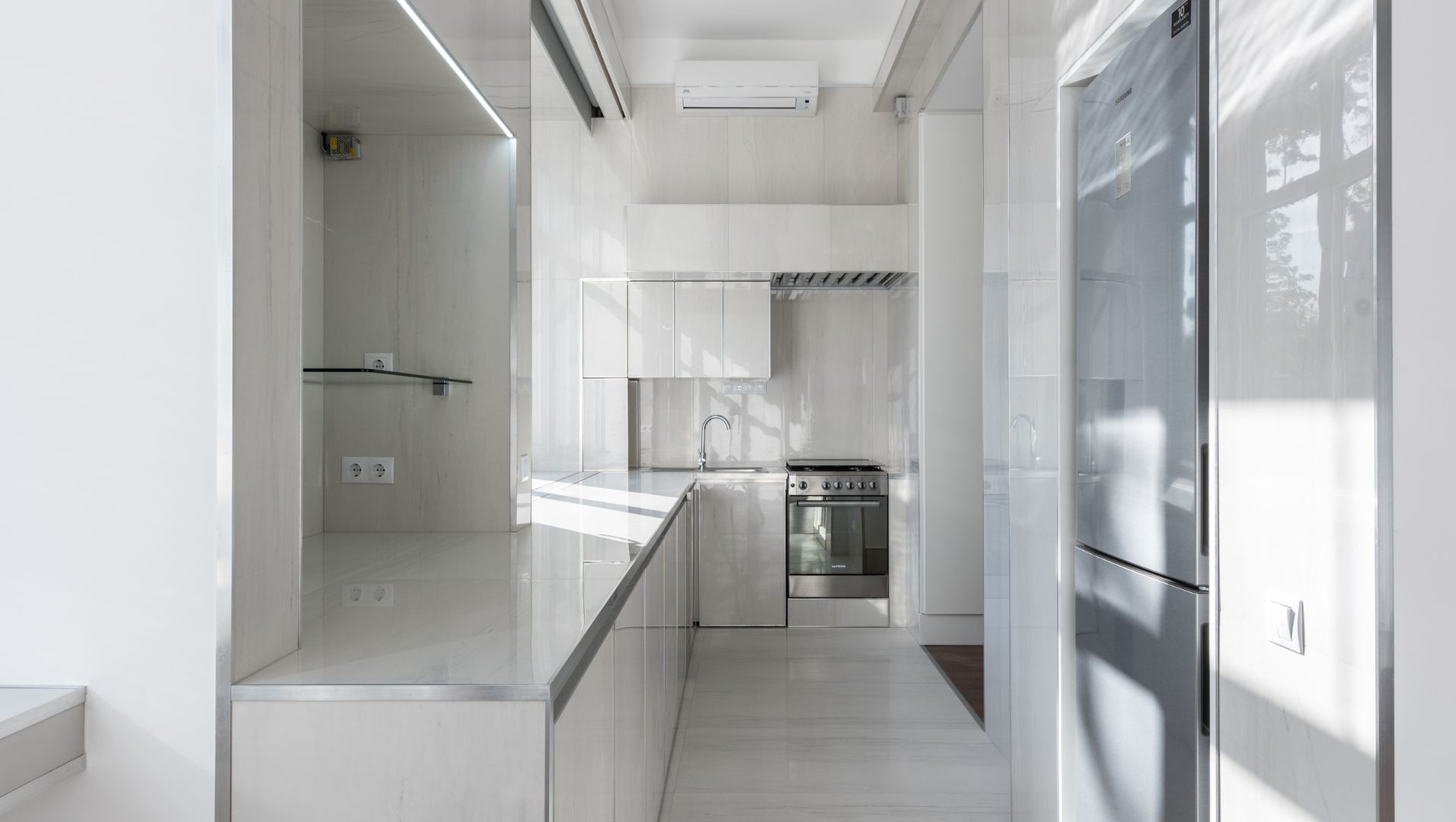
Tile trim acts as a visual frame that completes the look of any tiling project. Whether you’re using bold, colorful tiles or a more subtle design, the right trim can accentuate your style. For instance, a metallic trim can add a modern touch to a kitchen backsplash, while a natural stone trim might complement a rustic bathroom.
Protecting Tile Edges
One of the primary functions of tile trim is to protect the edges of your tiles. Without trim, edges are exposed to chipping and cracking, especially in high-traffic areas. This is particularly important in areas like staircases or kitchen countertops where tiles meet other surfaces. By investing in quality trim, you can extend the lifespan of your tiles significantly.
Ensuring Smooth Transitions
Tile trim helps create smooth transitions between different surfaces, such as where tiles meet drywall or other flooring materials. This not only improves the appearance but also helps in preventing water seepage that could lead to mold growth or structural damage. Understanding these transitions1 is crucial for maintaining the integrity of your installation.
Types of Tile Trim and Their Uses
Choosing the right tile trim depends on your specific needs and aesthetic preferences. Here’s a simple table outlining various types of tile trim and their common applications:
| Type of Trim | Common Use |
|---|---|
| Bullnose | Shower niches, wall edges |
| L-Shape | Countertops, edges of steps |
| T-Shape | Floor transitions |
| Decorative | Accent walls, feature strips |
Each type has its own set of advantages. For example, bullnose trims are excellent for rounding off edges in shower niches, while T-shapes are perfect for transitioning between floors of different heights.
Material Considerations
The material of the tile trim can also affect both function and appearance. Options include ceramic, metal, plastic, and natural stone. Choosing the right material2 can enhance durability and aesthetics while aligning with your budget.
Conclusion: Beyond Just Looks
While often overlooked, tile trim is an integral part of any tiling project. Its benefits go beyond mere aesthetics to include protection and functionality. Whether you’re renovating a kitchen or designing a new bathroom, considering how tile trim fits into your project can make a substantial difference.
Tile trim prevents tile edge chipping.True
Trim protects tile edges from damage, extending their lifespan.
Metallic tile trim suits rustic designs best.False
Metallic trim is better for modern styles; stone suits rustic designs.
Can You Install Tile Trim on Different Tile Types?
Tile trim not only enhances aesthetics but also protects edges. Can it be used on any tile type?
Yes, you can install tile trim on various tile types including ceramic, porcelain, and natural stone. The key is selecting the right trim material and adhesive suitable for the specific tile to ensure durability and a seamless look.
Understanding Tile Types and Their Characteristics
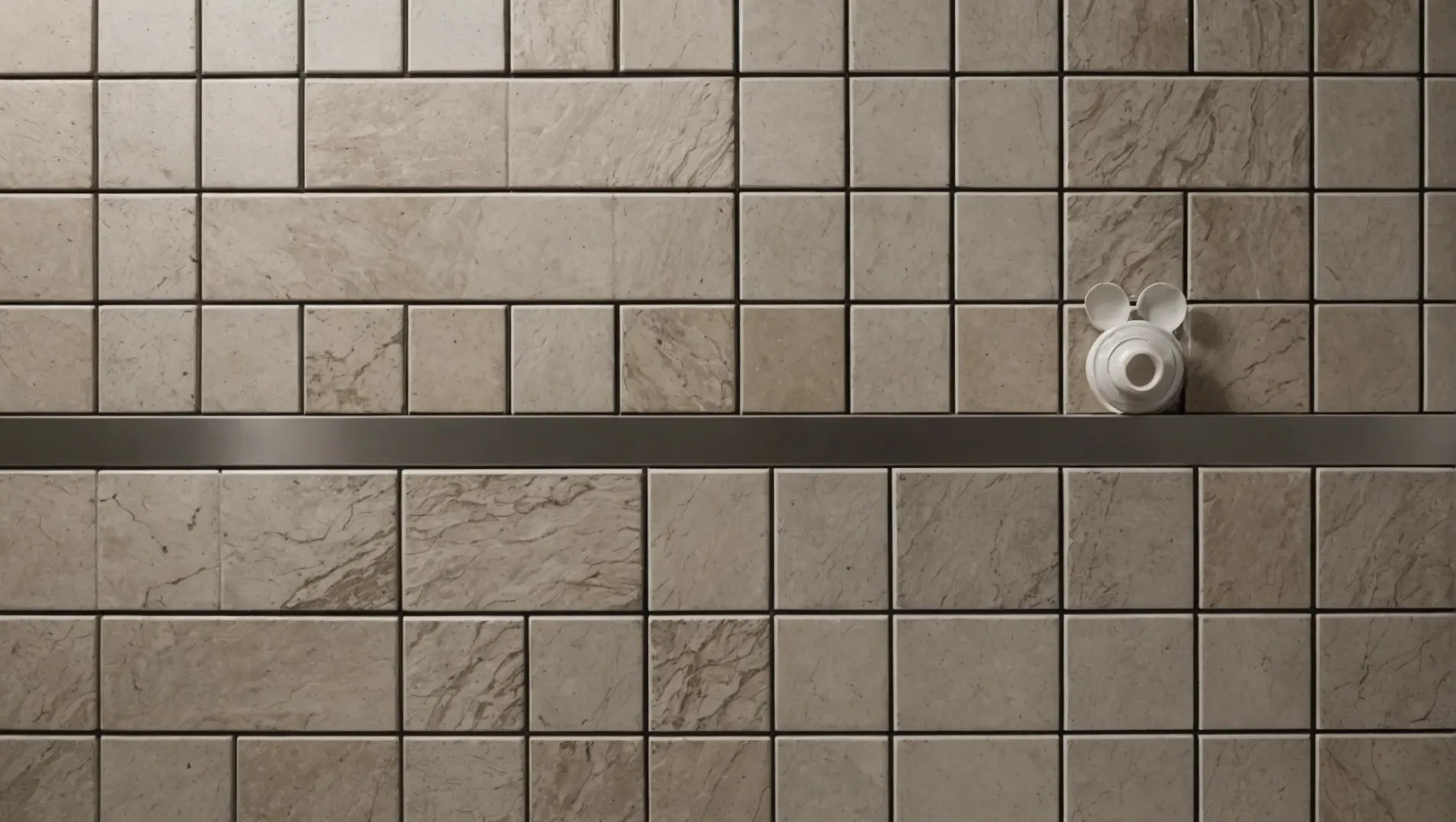
When considering installing tile trim3 on different tile types, it is crucial to understand the unique properties of each type.
-
Ceramic Tiles: Known for their versatility and affordability, ceramic tiles are commonly used in bathrooms and kitchens. They have a glazed finish that pairs well with PVC or aluminum trims.
-
Porcelain Tiles: These are denser and more durable than ceramic tiles, often used in high-traffic areas. Metal trims such as stainless steel or brass are ideal for porcelain due to their robust nature.
-
Natural Stone Tiles: Marble, granite, and slate tiles provide a luxurious finish. Natural stone trims or color-matched metal trims can complement their unique veining and texture.
Selecting the Right Trim Material
Choosing the appropriate trim material is essential for both functionality and style. Here’s a quick guide:
| Tile Type | Recommended Trim Material |
|---|---|
| Ceramic | PVC, Aluminum |
| Porcelain | Stainless Steel, Brass |
| Natural Stone | Stone Trim, Color-matched Metal |
Adhesive Considerations for Different Tiles
The choice of adhesive plays a pivotal role in the successful installation of tile trim. For instance, epoxy adhesives work well with porcelain tiles due to their non-porous surface. Conversely, cement-based adhesives are better suited for ceramic tiles. This ensures a strong bond that withstands daily wear and tear.
Practical Tips for Installation
-
Preparation is Key: Clean the edges thoroughly before applying any adhesive or trim.
-
Cut with Precision: Use appropriate tools such as a tile cutter or miter saw for precise cuts, ensuring clean lines and a professional finish.
-
Test Fit Before Final Adhesion: Always place the trim without adhesive to check for alignment and fit.
By understanding these nuances, you can confidently install tile trim4 on any type of tile, enhancing both the functionality and appearance of your tiled space.
Tile trim can be used on any tile type.True
Tile trim is suitable for ceramic, porcelain, and natural stone tiles.
PVC trims are recommended for porcelain tiles.False
Metal trims like stainless steel or brass are recommended for porcelain.
What Materials Are Best for Tile Trim Installation?
Choosing the right material for tile trim is crucial for durability and aesthetics. But what are your options?
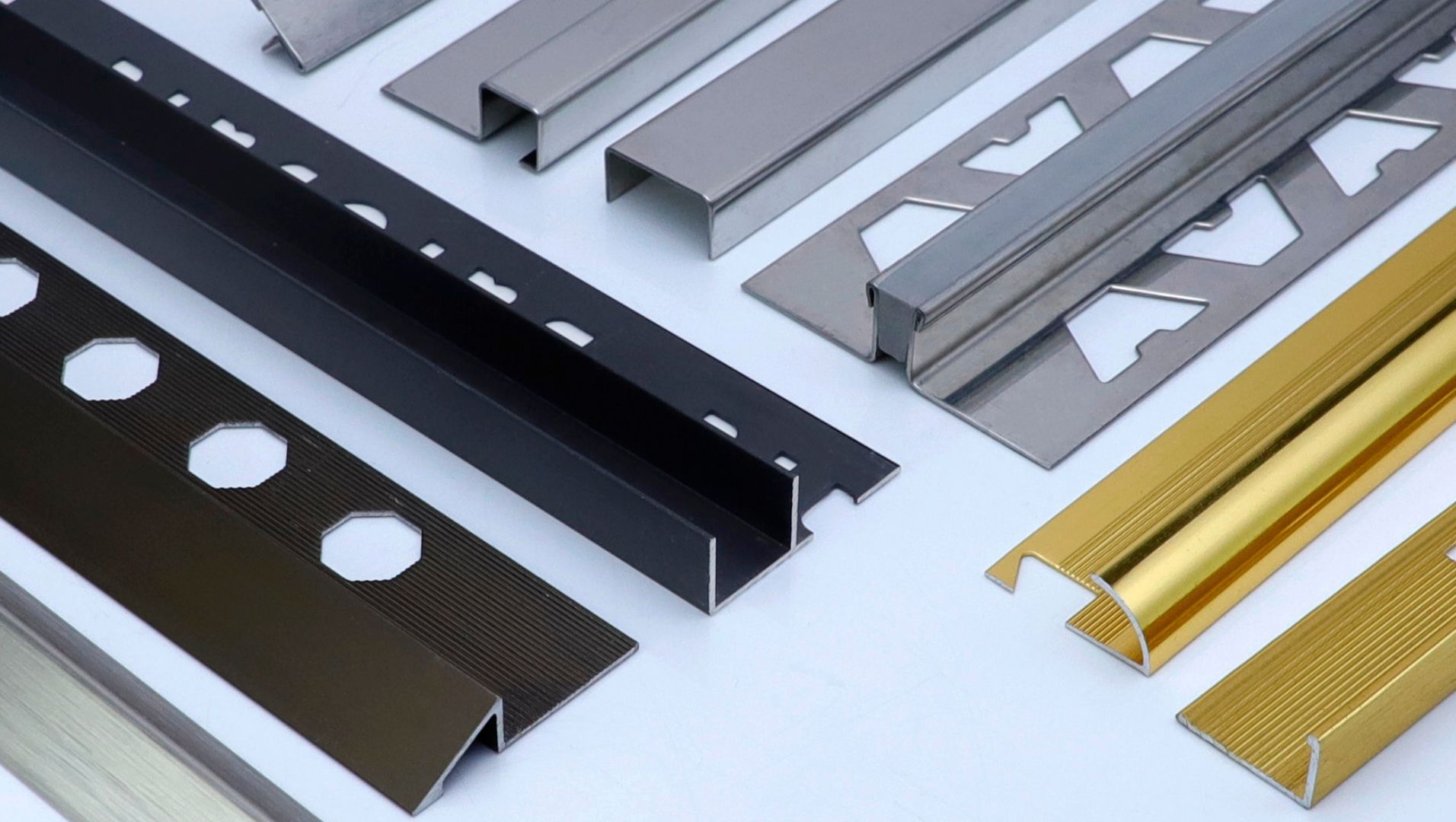
The best materials for tile trim installation include aluminum, PVC, and stainless steel. Each offers unique benefits: aluminum is lightweight and versatile, PVC is cost-effective and easy to work with, while stainless steel provides excellent durability and a modern look. Choose based on your project needs and budget.
Aluminum Tile Trim
Aluminum is one of the most popular choices for tile trim installations5. It’s lightweight, easy to cut and shape, making it ideal for DIY enthusiasts. Aluminum tile trims come in various finishes like brushed, polished, or anodized, which allows you to match them seamlessly with your tile design.
Advantages:
- Versatility: Suitable for most indoor applications and available in numerous styles.
- Cost-Effective: Generally more affordable than stainless steel.
Considerations:
- Outdoor Use: While versatile, aluminum may not hold up as well in outdoor settings unless anodized to resist corrosion.
PVC Tile Trim
PVC (Polyvinyl Chloride) tile trim is a great option for those seeking a budget-friendly solution. It’s particularly useful in areas where water exposure is minimal, such as bedroom tiling projects6.
Advantages:
- Cost: Significantly cheaper than metal trims.
- Ease of Installation: Lightweight and simple to cut with basic tools.
Considerations:
- Durability: Less durable than metal options, especially in high-traffic or moisture-prone areas.
Stainless Steel Tile Trim
Stainless steel tile trim is a premium choice known for its strength and sleek appearance. It’s perfect for areas that demand high durability, such as commercial kitchens or bathrooms.
Advantages:
- Durability: Highly resistant to corrosion and physical damage.
- Aesthetic Appeal: Offers a modern and clean look that complements contemporary designs.
Considerations:
- Cost: Generally more expensive than other materials.
Choosing the Right Material
When selecting a material for your tile trim, consider factors such as the location of your tiles, exposure to moisture, aesthetic preferences, and budget. Each material has its strengths, but the best choice will depend on the specific requirements of your project.
By understanding the properties of each material, you can make an informed decision that enhances both the function and appearance of your tile installation.
Aluminum is the most durable tile trim material.False
Stainless steel is more durable than aluminum for tile trims.
PVC tile trim is the cheapest option available.True
PVC is cheaper than aluminum and stainless steel for tile trims.
How to Avoid Common Mistakes When Adding Tile Trim?
Tile trim can elevate your project, but mistakes can be costly. Learn how to avoid them.
Avoiding mistakes when adding tile trim involves careful planning, precise measuring, and selecting appropriate materials. Ensuring the trim aligns perfectly with your tiles and considering the right adhesive can prevent common pitfalls. Proper technique and attention to detail will lead to a successful installation.
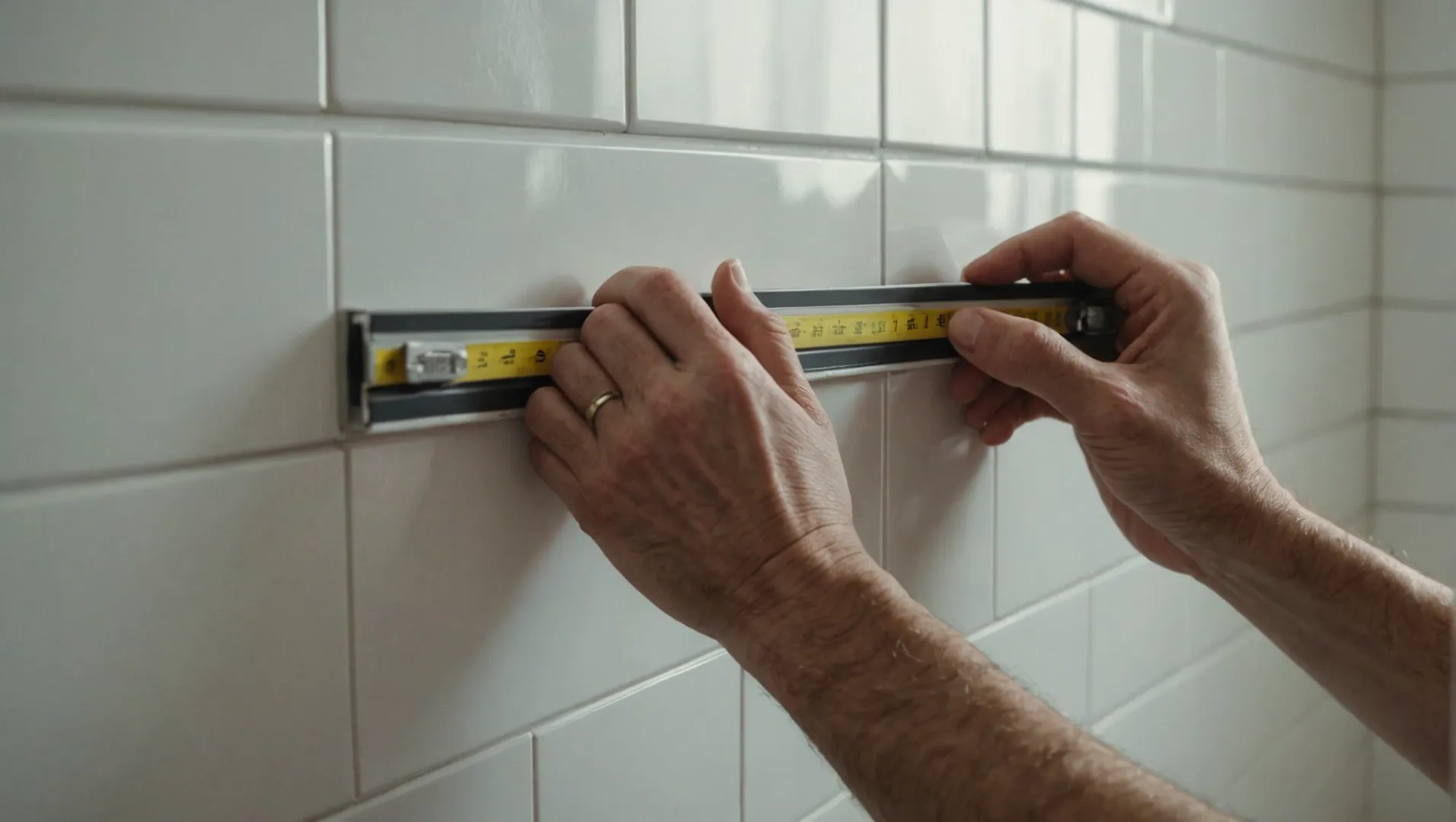
Planning Your Tile Trim Installation
Before you begin adding tile trim, it’s crucial to plan your installation carefully. Determine the type and size of the tile trim that best complements your tiles. Consider the style, material, and color to ensure it matches or contrasts appropriately with your existing tiles. Proper planning can prevent mismatches and unnecessary purchases.
Precise Measuring Techniques
Accurate measurements are key to a seamless installation. Use a tape measure to determine the exact length needed for each edge or corner where trim will be applied. Remember that even slight miscalculations can lead to gaps or overlapping trims, which not only look unsightly but also compromise the protection of tile edges.
Create a table like the one below to keep track of your measurements:
| Location | Required Length (inches) | Trim Type |
|---|---|---|
| Bathroom Wall | 120 | Rounded Edge |
| Kitchen Backsplash | 45 | Square Edge |
Selecting the Right Adhesive
Not all adhesives are created equal. Choosing the wrong one can lead to tiles falling off or damaging existing tiles. It’s essential to select an adhesive that’s compatible with both your tiles and the type of trim you’re using. For instance, if you’re working in a high-moisture area like a bathroom, consider using waterproof adhesive for added durability.
Aligning the Trim Perfectly
Alignment is crucial when adding tile trim. Make sure that the trim aligns perfectly with the edges of your tiles. You might want to use a spirit level to ensure straight lines, especially for longer sections of trim. Misaligned trim not only affects the appearance but can also result in uneven pressure on the tiles, leading to potential breakage.
Handling and Cutting Tile Trim
Incorrect handling or cutting of tile trim can lead to waste and additional costs. Use a proper trim cutter or a hacksaw with a fine-toothed blade for precise cuts. Always wear protective gear like gloves and goggles when cutting, and make sure cuts are clean and smooth to ensure a professional finish.
These careful steps help mitigate errors that could undermine your project’s success. For further insights on choosing the best materials for tile trim installation7, explore more resources online.
Misaligned tile trim can lead to tile breakage.True
Misalignment causes uneven pressure, risking tile damage.
Using waterproof adhesive is unnecessary in bathrooms.False
Bathrooms have high moisture; waterproof adhesive prevents damage.
Conclusion
Tile trim isn’t just about looks; it’s essential for protection and longevity. Think carefully about your project needs and elevate your space with the right trim.
-
Discover how transitions prevent water damage and improve aesthetics.: Installing a countertop tile edge trim saves tile edges from being chipped and is much more durable than traditional wood trim, while a floor profile protects … ↩
-
Learn about different materials to enhance durability and style.: Discover the best tile edge trim options and installation tips in our complete guide … These include stone trims, porcelain or ceramic trim … ↩
-
Discover methods for adding trim to various tiles efficiently.: In this post I will be providing you with an assortment of tile edging options and some helpful installation strategies. ↩
-
Learn effective techniques for seamless tile trim application.: … different ways of fitting tile trims … ️ HOW TO CUT & INSTALL SCHLUTER ALUMINUM BULLNOSE … ↩
-
Explore why aluminum is a top choice for tile trims.: Aluminium tile trim has very high factors of durability and strength but it is also resistant to moisture, chemicals, and the environment. ↩
-
Learn about the cost-effectiveness and uses of PVC trims.: PVC tile trim does not absorb water and can be used in areas of the house exposed to moisture such as bathrooms and the kitchen hence preventing … ↩
-
Explore top materials that ensure durability and aesthetic appeal.: These include stone trims, porcelain or ceramic trim tiles, as well as plastic and metal trims. ↩






