
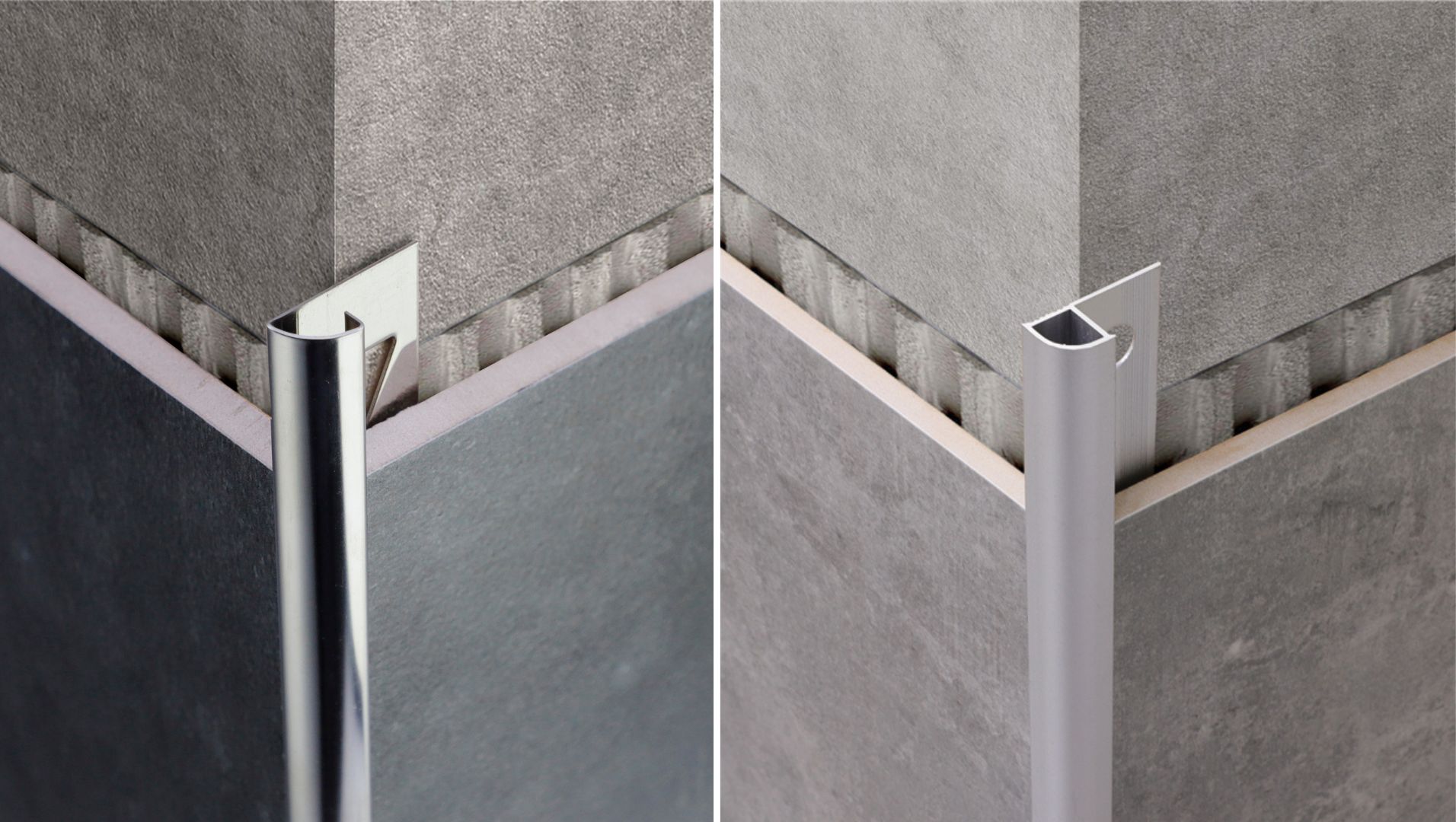
When it comes to choosing tile trim, every detail matters. It’s about blending functionality with style, durability with beauty.
The choice between stainless steel and aluminum tile trim can significantly impact your project. Stainless steel excels in high-moisture and high-traffic areas due to its durability, while aluminum is lighter and more cost-effective, making it suitable for less demanding environments.
Let’s take a closer look at these materials, exploring their strengths and weaknesses to help you make the best decision for your home.
Stainless steel is more durable than aluminum for tile trim.True
Stainless steel's hardness and corrosion resistance make it ideal for durability.
What Are the Key Differences Between Stainless Steel and Aluminum Tile Trim?
Choosing between stainless steel and aluminum tile trim can influence both aesthetics and functionality in your home.
The key differences between stainless steel and aluminum tile trim lie in their durability, weight, corrosion resistance, and cost. Stainless steel offers superior durability and corrosion resistance, making it ideal for high-moisture areas, while aluminum is lightweight and more cost-effective, suitable for less demanding environments.
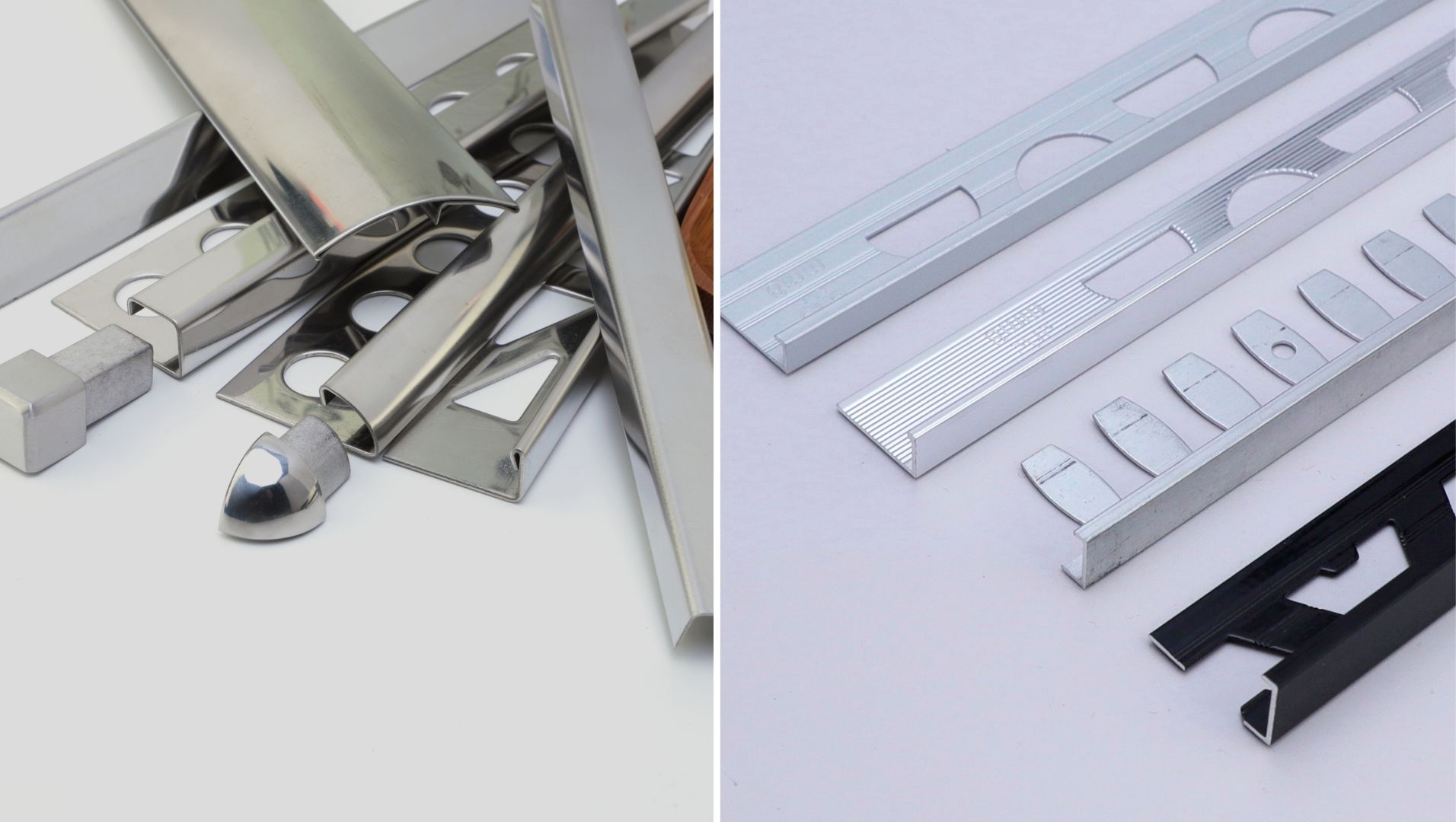
Durability and Strength
When it comes to durability and strength1, stainless steel tile trim clearly stands out. It is a robust material capable of withstanding high impact without deforming or denting easily. This makes it particularly suitable for high-traffic areas where wear and tear are expected.
Aluminum, on the other hand, is lighter and softer, making it more prone to dents and scratches. However, for applications where weight is a concern, such as in large installations or where load-bearing structures need consideration, aluminum’s lightness can be a significant advantage.
Corrosion Resistance
Stainless steel is known for its exceptional resistance to rust and corrosion, primarily due to its chromium content, which forms a passive layer of chromium oxide that protects the surface. This makes stainless steel the preferred choice for environments exposed to moisture or chemicals, such as bathrooms or kitchens.
Aluminum also resists corrosion but in a different way. It naturally forms an oxide layer that protects it from further oxidation. However, this layer is not as resilient as stainless steel’s protective coating, especially in highly corrosive environments.
Aesthetic Appeal
Both materials offer distinct aesthetic characteristics. Stainless steel provides a sleek, modern look with a polished or brushed finish that complements contemporary designs. It’s often chosen for its sophisticated appeal and ability to match other stainless steel fixtures.
Aluminum can be anodized to achieve various colors and finishes, offering more versatility in design. This flexibility allows it to blend with a variety of color schemes, making it a popular choice for more customized designs.
Cost Considerations
One of the most significant differences between these materials is cost. Aluminum tends to be more cost-effective than stainless steel, primarily due to lower material and manufacturing costs. This makes aluminum an attractive option for budget-conscious projects where high performance in harsh conditions is not a primary concern.
Weight Comparison Table
| Material | Weight (per cubic meter) |
|---|---|
| Stainless Steel | ~8,000 kg/m³ |
| Aluminum | ~2,700 kg/m³ |
This weight difference highlights why aluminum might be chosen for applications where ease of installation and less structural burden are priorities.
By examining these factors—durability, corrosion resistance, aesthetic appeal, cost, and weight—you can better assess which material aligns with your project’s specific needs.
Stainless steel is more durable than aluminum tile trim.True
Stainless steel withstands high impact without deforming, unlike aluminum.
Aluminum tile trim is heavier than stainless steel.False
Aluminum is lighter than stainless steel, making it easier to handle.
How Does Durability Vary Between Stainless Steel and Aluminum?
Understanding the durability differences between stainless steel and aluminum is crucial when choosing tile trim.
Stainless steel generally offers superior durability over aluminum due to its hardness and resistance to corrosion, making it ideal for high-impact areas. Aluminum, though less durable, is lightweight and can be sufficient in less demanding environments.
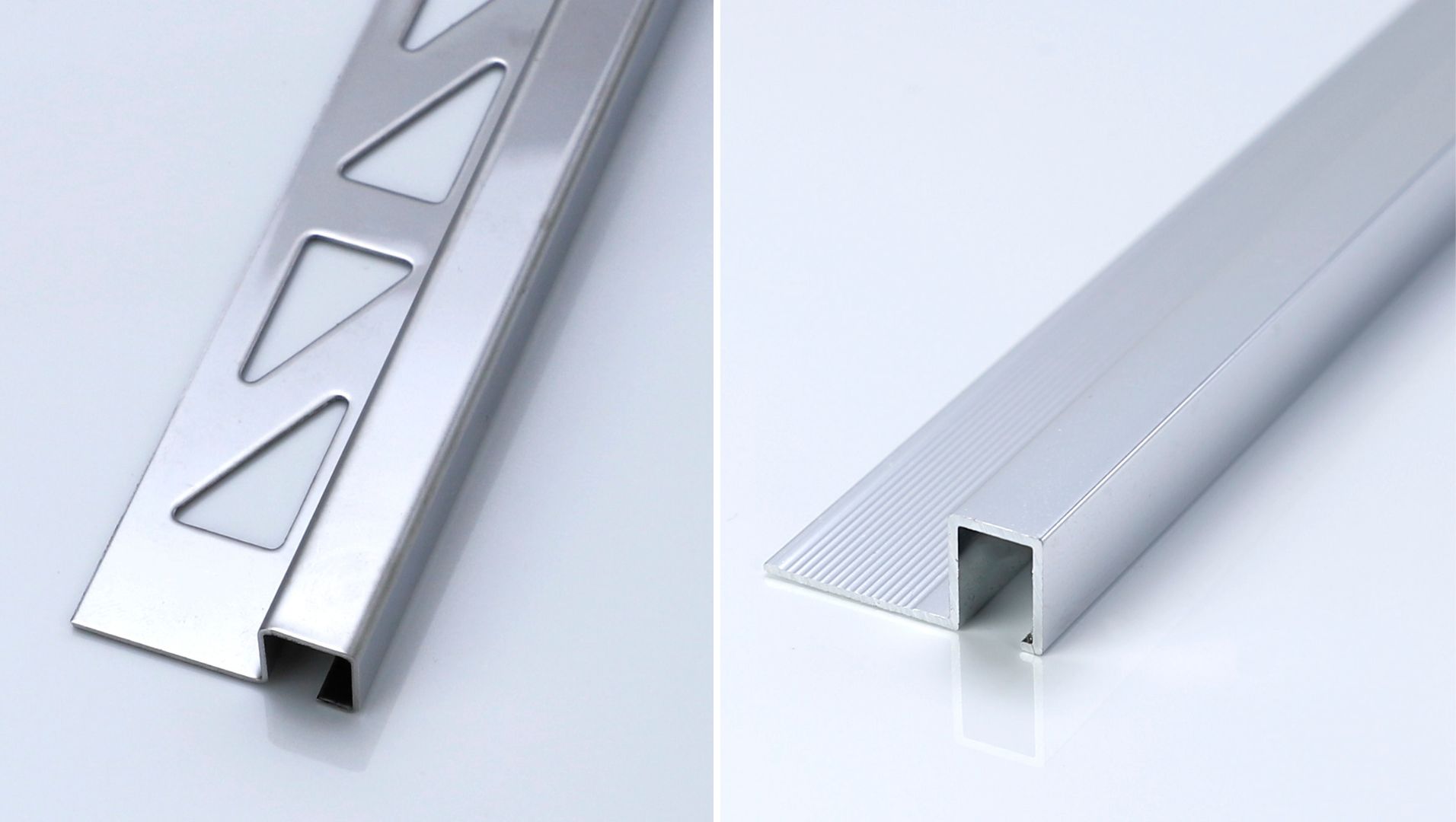
Material Composition and Strength
The durability of a material is largely determined by its composition and inherent strength. Stainless steel is an alloy composed primarily of iron, chromium, and nickel, which contributes to its strength and corrosion resistance2. This makes it a preferred choice for areas that experience heavy foot traffic or are prone to moisture exposure. Its rigidity provides a robust edge that can withstand impacts without deforming.
On the other hand, aluminum is a lighter metal, known for its flexibility and malleability. While this makes it easier to install and manipulate, it also means it is more susceptible to dents and scratches. In applications where weight is a critical factor, such as on walls or ceilings, aluminum may offer an advantage despite its lower durability.
Resistance to Environmental Factors
Stainless steel’s resilience extends to its performance in various environmental conditions. The chromium in stainless steel forms a thin oxide layer on the surface, which helps prevent rust, making it highly suitable for humid environments3. Additionally, stainless steel can endure temperature fluctuations better than aluminum, retaining its structural integrity over time.
Conversely, aluminum develops a natural oxide layer when exposed to air, which provides some degree of protection against corrosion. However, in highly acidic or alkaline environments, this layer may not suffice, leading to potential degradation over time. This makes aluminum less desirable in coastal or industrial settings where pollutants may accelerate wear.
Practical Application Considerations
The choice between stainless steel and aluminum also hinges on practical considerations such as installation and maintenance. Stainless steel tile trims require precise cutting tools and techniques due to their hardness, which may increase installation time and costs. Yet, once installed, they require minimal maintenance and offer longevity.
Aluminum tile trims are easier to cut and install due to their softer nature, potentially reducing labor costs. However, they may require more frequent upkeep and replacement in high-impact areas due to their susceptibility to physical damage.
| Property | Stainless Steel | Aluminum |
|---|---|---|
| Density | High | Low |
| Corrosion Resistance | Excellent | Moderate |
| Strength | Very Strong | Moderate |
| Installation | More Complex | Easier |
| Maintenance | Low | Moderate to High |
Understanding these factors can guide you in selecting the right material for your tile trim needs. Consider the specific demands of your environment and project requirements before making a choice.
Stainless steel is more durable than aluminum.True
Stainless steel's hardness and corrosion resistance make it more durable.
Aluminum is better for high-impact areas than stainless steel.False
Stainless steel's strength makes it ideal for high-impact areas.
Which Material Is More Cost-Effective for Your Project?
Choosing between stainless steel and aluminum for tile trim can greatly influence your project’s budget.
Aluminum is generally more cost-effective than stainless steel for tile trim projects due to its lower material and production costs. However, consider the long-term value, as stainless steel’s durability might offset its higher upfront cost in certain applications.
Evaluating Initial Costs
When it comes to initial costs, aluminum often emerges as the more affordable choice. This is primarily due to the abundance of aluminum, making it less expensive to produce and purchase. Additionally, aluminum’s lightweight nature means it costs less to transport and handle compared to stainless steel.
Stainless steel, on the other hand, tends to be pricier due to its complex manufacturing process and the additional materials used, such as chromium, which add to its strength and corrosion resistance.
Long-term Value Considerations
While aluminum’s upfront costs are appealing, it’s crucial to weigh them against the potential longevity and maintenance costs. Stainless steel, known for its durability and resistance to wear and tear, might present fewer replacement costs over time, particularly in high-traffic or demanding environments.
For instance, if your project is located in an area prone to heavy usage or exposure to harsh elements, the initial investment in stainless steel could lead to lower long-term expenditures due to reduced need for repairs or replacements. On the contrary, aluminum might require more frequent upkeep, potentially diminishing its initial cost advantage.
Project-specific Factors
The cost-effectiveness of each material can also hinge on specific project factors. For example, consider the scale of your project; larger projects might benefit from aluminum’s lower material costs. However, smaller projects or those in industrial settings might find stainless steel’s durability more beneficial.
Comparative Cost Table
| Material | Initial Cost | Maintenance Cost | Longevity |
|---|---|---|---|
| Stainless Steel | Higher | Lower | Longer lifespan |
| Aluminum | Lower | Potentially higher | Shorter lifespan |
When deciding between these materials, it’s vital to assess not only the upfront expenses but also how each aligns with your project’s longevity and maintenance demands. A thorough analysis of material properties4 and specific project needs will aid in making a well-informed decision.
Aluminum is cheaper than stainless steel for tile trims.True
Aluminum's lower production and material costs make it cheaper.
Stainless steel requires more maintenance than aluminum.False
Stainless steel's durability results in lower maintenance needs.
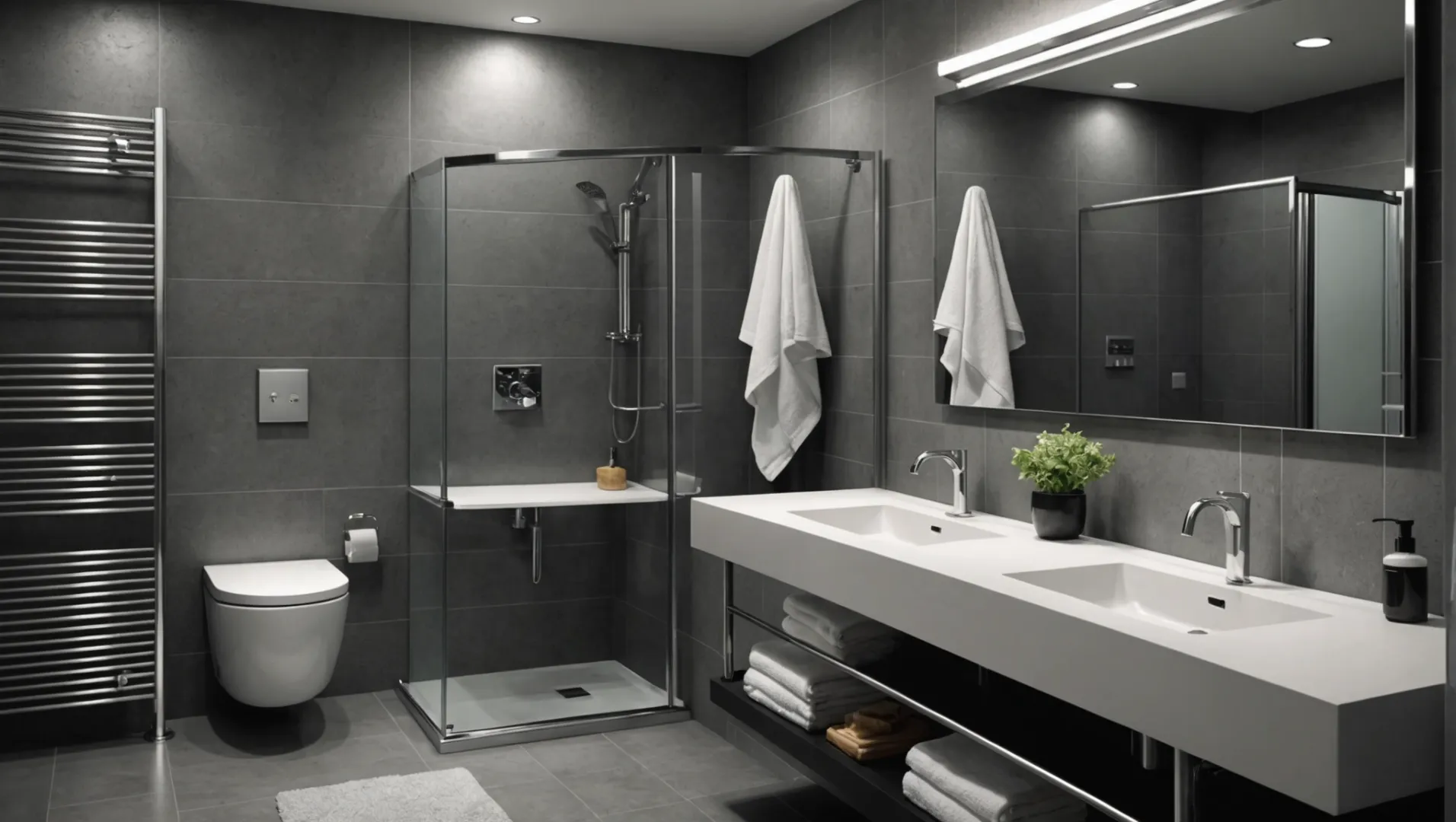
Is Stainless Steel or Aluminum Better for Moist Environments?
Choosing the right material for moist environments can prevent costly repairs and ensure longevity.
Stainless steel is generally more suitable for moist environments due to its superior resistance to corrosion, whereas aluminum may corrode if not adequately treated. Consider the environmental conditions and maintenance capabilities when selecting the material.
Understanding Corrosion Resistance
When deciding between stainless steel and aluminum, corrosion resistance is a critical factor. Stainless steel contains chromium, forming a protective layer that shields it from rust and stains. This makes it ideal for moist environments like bathrooms or kitchens.
Aluminum, on the other hand, naturally develops an oxide layer that provides some corrosion resistance. However, in extremely wet or salty conditions, it may require additional treatments such as anodizing to enhance its durability.
Maintenance and Longevity
Stainless steel often requires less maintenance than aluminum in moist environments due to its robust protective layer. Regular cleaning is usually sufficient to maintain its appearance and integrity.
Aluminum may need more frequent attention, especially if exposed to salty air or water. Protective coatings can help, but these require maintenance to remain effective.
Cost Considerations
While stainless steel is typically more expensive upfront, its longevity can make it a cost-effective choice over time. Its resistance to corrosion reduces the likelihood of needing replacements or repairs.
Aluminum’s lower initial cost might appeal to budget-conscious projects. Still, it’s essential to factor in potential additional expenses for treatments and maintenance.
Environmental Impact
Both materials are recyclable, but their environmental impacts differ. Stainless steel’s longer lifespan can mean fewer replacements, reducing waste over time.
Aluminum’s lightweight nature reduces transportation emissions, but recycling it consumes more energy compared to stainless steel.
Ultimately, the decision hinges on evaluating moisture exposure5, maintenance willingness, and budget constraints.
Stainless steel resists corrosion better than aluminum.True
Stainless steel's chromium forms a protective layer against rust.
Aluminum is cheaper to maintain in moist environments.False
Aluminum may need frequent maintenance and treatments.
Conclusion
In conclusion, the choice between stainless steel and aluminum for tile trim hinges on your unique needs. Weigh durability, cost, and environmental factors carefully to guide your decision.
-
Discover detailed insights into how each material withstands physical stress.: Aluminum does not rust; however, it does corrode when exposed to salt. Stainless steel is highly corrosion resistant and does not easily rust. ↩
-
Learn how chromium enhances durability and corrosion resistance.: Chromium improves steel strength and hardness, which effect will be pronounced when adding other alloying elements. 2. Chromium significantly … ↩
-
Explore why stainless steel excels in moisture-rich areas.: Both stainless steel and aluminum offer excellent corrosion resistance when exposed to water or other mostly neutral fluids. Much like the chromium oxide layer … ↩
-
Understand each material’s properties to make an informed decision.: When dealing with heat, stainless steel offers better heat tolerance while aluminum offers better heat conductivity. However, aluminum’s lower melting point … ↩
-
Explores comprehensive comparisons in moist environments, aiding informed decisions.: Both stainless steel and aluminum offer excellent corrosion resistance when exposed to water or other mostly neutral fluids. Much like the chromium oxide layer … ↩






